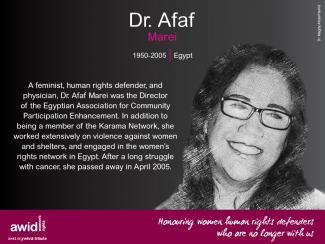
Dr. Afaf Marei
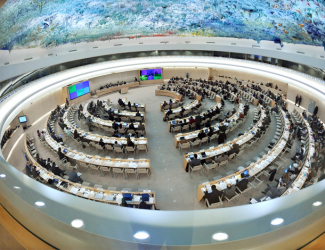
The Human Rights Council (HRC) is the key intergovernmental body within the United Nations system responsible for the promotion and protection of all human rights around the globe. It holds three regular sessions a year: in March, June and September. The Office of the UN High Commissioner for Human Rights (OHCHR) is the secretariat for the HRC.
Debating and passing resolutions on global human rights issues and human rights situations in particular countries
Examining complaints from victims of human rights violations or activist organizations on behalf of victims of human rights violations
Appointing independent experts (known as “Special Procedures”) to review human rights violations in specific countries and examine and further global human rights issues
Engaging in discussions with experts and governments on human rights issues
Assessing the human rights records of all UN Member States every four and a half years through the Universal Periodic Review
AWID works with feminist, progressive and human rights partners to share key knowledge, convene civil society dialogues and events, and influence negotiations and outcomes of the session.
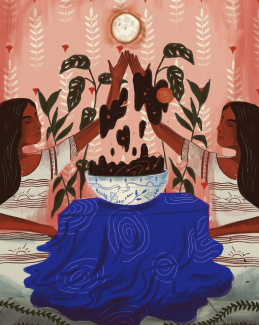
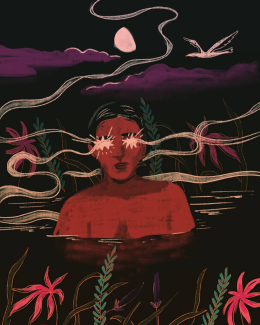
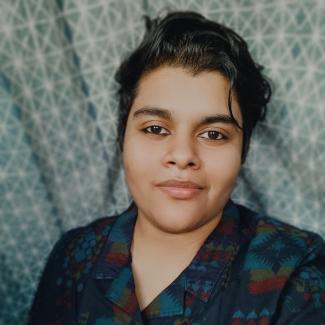
Este año, junto con activistas feministas de todo el mundo, estaremos en la CSW68 en Nueva York .Estaremos presentes para desafiar las narrativas capitalistas y neoliberales y las falsas soluciones en torno a la pobreza, el desarrollo y la financiación. A través de eventos presenciales, transmisiones en vivo en nuestras redes sociales, un stand de exhibición y más. Nos presentamos para convocar, amplificar y apoyar las voces y la participación de nuestra membresía y aliades.
Conoce más sobre nuestro programa para este año a continuación.

محاضرة: في المحاضرة النقاشية، يتم استكشاف قضية أو تحد معين من وجهات نظر مختلفة، أو مشاركة علم أو تجربة، متبوعة بأسئلة الجمهور إذا سمح الوقت بذلك.
برنامج حواري: إجراء محادثة أكثر عفوية بأسلوب البرامج الحوارية. يمكن أن تكون البرامج الحوارية عبارة عن محادثة بين عدة أشخاص، ويتم تيسيرها بواسطة ميسّر/ة برنامج حواري. يمكن لأسئلة الجمهور أن تحدد اتجاه المحادثة.
نقاش: يمكن أن يتخذ النقاش شكل المقاهي العالمية، وأحواض السمك، وغيرها من المنهجيات التي تسهل المشاركة النشطة للمشاركين/ات في المحادثات. يعتبر شكل التقديم هذا تشاركي للغاية.
ورشة عمل: جلسات تفاعلية تدعو المشاركين/ات لبناء مهارات جديدة في جميع مجالات الحياة والنضال.
جلسة إستراتيجية: دعوة للتفكير في قضية أو استراتيجية بعمق مع الآخرين/ الأخريات. مساحة للتعلم من بعضنا البعض: ما الذي ينجح، وما الذي لا ينجح، وكيف يمكننا تطوير استراتيجيات جديدة وجماعية لخلق العوالم التي نحلم بها.
دائرة المشاركة (المعروفة أيضًا باسم "الطيور المتشابهة"): مثالية للمجموعات الصغيرة، في بيئة أكثر حميمية، للاستماع إلى بعضهم/ن البعض، وإثارة النقاش ومعالجة مواضيع محددة وحساسة ومعقدة بعناية.
الفنون – ورشة عمل تشاركية: أنشطة تشاركية تتضمن الفنون والتعبير الإبداعي. سواء من خلال الفن البصري أو المسرح أو الأفلام أو الجداريات أو الرقص أو الموسيقى أو الحرف الجماعية أو صناعة الفن، وما إلى ذلك، فإننا نرحب بجميع الأفكار التي تحتفي بالفن النسوي والإبداع كشكل من أشكال التغيير الاجتماعي والشفاء والتعبير والتحول.
الفنون - العروض والتركيبات والمعارض: نرحب بالمساهمات التي تقدم للمشاركين/ات في المنتدى تجارب ووجهات نظر جديدة وتوسع آفاقنا وتتحدانا وتلهمنا للتفكير والشعور والتنظيم بطرق جديدة.
الشفاء: أنشطة متنوعة مصممة خصيصًا للمجموعات والأفراد، بدءًا من تعلم تقنيات الاسترخاء إلى مناقشة الوقاية من الإحتراق النفسي، ومن ممارسات الرعاية الواعية للصدمات لجسمنا وعقولنا وأرواحنا إلى معالجة الخلافات داخل حركاتنا.

Lindiwe Rasekoala es una instructora de vida que se especializa en la intimidad y en orientación sobre el bienestar de las relaciones. Es una entusiasta de la salud sexual y contribuye con trabajos en línea. Por su propia experiencia y métodos no convencionales de investigación, cree que puede superar la brecha educativa y la falta de acceso a la información en torno al bienestar sexual. Colabora con varios programas de radio y televisión, y ha concluido una capacitación en orientación con Certified Coaches Alliance. La misión de Lindiwe es derribar las barreras que impiden el diálogo sobre el bienestar sexual y como medio de empoderamiento para sus clientes, de tal modo que puedan alcanzar una mayor autocomprensión y experimentar una vida y relaciones más saludables y holísticas.
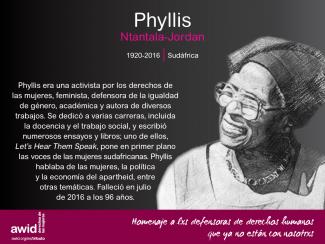
El creciente poder de los actores anti-derechos no se está desarrollando en un vacío. Entender el auge del ultranacionalismo, del poder corporativo irrestricto, del incremento de la represión y de la disminución del espacio cívico resulta clave para contextualizar las amenazas anti-derechos que enfrentamos actualmente.
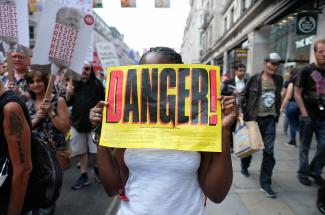
Hoy en día, una cantidad considerablemente mayor a la mitad de la población mundial está gobernada por líderes de extrema derecha. En este escenario, lxs defensorxs de derechos humanos y lxs feministas están trabajando arduamente para «mantenerse firmes» y proteger el multilateralismo y el sistema internacional de derechos humanos. También enfrentan el riesgo de que su compromiso acarree represalias violentas. Al mismo tiempo, estas instituciones están cada vez más sujetas a los intereses del sector privado. Las grandes empresas (en particular, las corporaciones transnacionales) están ocupando asientos en la mesa de negociación y posiciones de liderazgo en una gran cantidad de instituciones multilaterales, incluida la ONU. Este nexo de ultranacionalismo, espacio cívico restringido y captura corporativa está teniendo un tremendo impacto sobre la posibilidad de que, alguna vez, logremos obtener derechos humanos para todxs.
Lisez nos recherches sur le financement, sur les défenseuses des droits humains, sur la création de mouvements, sur les fondamentalismes, la justice économique et beaucoup plus
لينديوي راسيكوالا مدربة حياتية، متخصصة في التدريب على العلاقات الحميمة. إنها متخصصة بالصحة الجنسية ولديها مساهمات في هذا الموضوع عبر الإنترنت. من خلال تجاربها الخاصة وأساليب البحث غير التقليدية التي تنتهجها، تعتقد لينديوي أنها تستطيع سد الفجوة التعليمية، فيما خص الصحة الجنسية وإشكالية الوصول إلى المعلومات حول الموضوع. لها العديد من المساهمات في البرامج الإذاعية والتلفزيونية، وقد أكملت تعليمها كمدرب مع تحالف المدربين المعتمدين CCA. تتمثل مهمة لينديوي في كسر الحواجز التي تحول دون قيام المحادثات حول الصحة الجنسية، وتمكين زملائها من تحقيق فهم أكبر لأنفسهم، حتى يتمكنوا من تجربة نمط حياة وعلاقات أكثر صحية وتكامليّة.
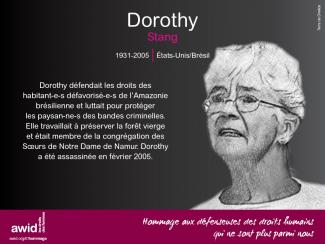
Alors que les fondamentalismes, les fascismes et autres systèmes d’oppression se métamorphosent et trouvent de nouvelles tactiques et stratégies pour consolider leur pouvoir et influence, les mouvements féministes persévèrent et célèbrent leurs victoires nationales, régionales et internationales.
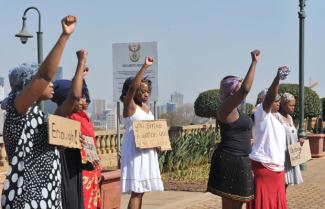
La [MB1] reconnaissance en 2019 par le Conseil des droits de l’Homme du droit à l’intégrité et à l’autonomie corporelles, par exemple, a marqué une étape cruciale. Des résolutions du Conseil sur la discrimination envers les femmes et les filles admettent cependant un recul lié à des groupes de pression rétrogrades, des conceptions idéologiques ou un détournement de la culture ou la religion pour s’opposer à l’égalité de leurs droits. Des avancées féministes sont aussi notées dans le travail des Procédures spéciales, qui soulignent notamment l’obligation des États de contrer les doctrines de l’idéologie du genre, rappellent à l’ordre les antidroits qui détournent des références à la « culture », et signalent que les convictions religieuses ne peuvent pas servir à justifier la violence ou la discrimination.
During Women Deliver, Movement Hubs in Fiji and Georgia are designing their own program rooted in their community to connect virtually to the Women Deliver Conference. Learn about their program!
Interested in hosting Movement Hubs for other global movement events and policy spaces? Get in touch with AWID’s Membership Team: membership@awid.org .

Mariam Mekiwi is a filmmaker and photographer from Alexandria and living and working in Berlin.
 |
Akosua Hanson est une activiste artistique, basée à Accra, au Ghana. Son travail se répartit entre la radio, la télévision, la presse écrite, le théâtre, le cinéma, les expositions de bandes dessinées, les installations artistiques et le roman graphique. L’activisme d’Akosua se concentre sur le panafricanisme et le féminisme et s’intéresse particulièrement au point d’intersection entre l’art, la culture pop et l’activisme. Elle a une maîtrise de philosophie en études africaines axée sur le genre et la pensée philosophique africaine. Akosua Hanson est la créatrice de Moongirls, une série de romans graphiques qui suit les aventures de quatre super-héroïnes luttant pour une Afrique libérée de la corruption, du néocolonialisme, des fondamentalismes religieux, de la culture du viol, de l’homophobie, entre bien d’autres choses. Elle travaille comme animatrice radio à Y 107.9 FM, au Ghana. |
Dans ces panneaux, la Moongirl (fille de la lune) Wadjet est en train de faire l’amour BDSM avec un démon de deux genres. Parmi les quatre Moongirls, Wadjet est la guérisseuse et la philosophe la conduit vers l’Oracle. Elle fait cela pour lancer un processus scientifique et spirituel – une expérience qu’elle appelle « Illumination par la lumière de la pleine lune » – à travers laquelle elle trace un arc temporel vibratoire entre ses souvenirs, ses sensations, ses émotions, ses visions et son imagination. C’est une forme de voyage sensationnel dans le temps pour découvrir ce qu’elle appelle « des révélations de vérité ».
Au cours de l’expérience, Wadjet a des visions troubles, entre autres sur : une apocalypse imminente provoquée par la destruction de l’environnement par les humains au service d’un capitalisme vorace; un souvenir d’enfance sur son hospitalisation après un diagnostic de santé mentale; et une vision de l’histoire d’origine des Moongirls par la figure biblique de Noé présentée comme une ancienne Moongirl noire avertissant des dangers de la pollution de l’environnement.
Plus qu’une entorse amusante pour explorer des sensations, le BDSM peut être un moyen d’aborder la douleur émotionnelle et les traumatismes. Cela a été pour moi un moyen de guérison sexuelle, offrant une forme radicale de libération. Une purge survient lorsque la douleur physique est infligée au corps. Infligée avec consentement, elle fait ressortir la douleur émotionnelle - presque comme un « appel ». Le fouet sur mon corps me permet de libérer des émotions refoulées : l’anxiété, la dépression, mon sentiment d’impuissance face aux stress qui me submergent parfois.
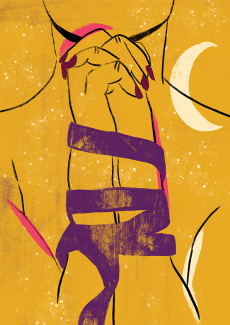
En s’engageant dans le BDSM comme moyen de guérison, les amoureux·ses doivent apprendre à faire preuve d’attention et de responsabilité envers l’autre. Car même si le consentement a été initialement donné, nous devons demeurer aux aguets face aux changements qui pourraient survenir durant le processus, notamment à mesure que les sentiments s’intensifient. J’aborde le BDSM avec la compréhension que pour abandonner la douleur, l’amour et l’empathie doivent être la base du processus, et ainsi, je crée un espace où je m’ouvre à l’amour.
L’implication avec suivi après l’infliction de la douleur vient compléter le processus. Cela peut se faire de manière très simple, en se faisant des caresses, en vérifiant si la personne a besoin d’eau, en regardant un film ensemble, en se prenant dans les bras ou simplement en partageant un joint. Cela peut se faire par n’importe quel langage amoureux que l’on a choisi. Cet espace de soutien, sachant que les plaies ont été ouvertes, est nécessaire pour achever le processus de guérison. C’est la plus importantes des leçons pour mettre en pratique l’empathie, ainsi qu’un apprentissage pour vraiment soutenir son·sa partenaire, notamment en raison de la finesse des lignes entre la douleur et le plaisir. De cette façon, le BDSM est une forme de travail de soins pour moi.
Après le sexe BDSM, je ressens une clarté et un calme qui me placent dans un vaste espace créatif et qui me renforcent sur le plan spirituel. C’est une expérience presque magique de voir la douleur se transformer en quelque chose d’autre instantanément. De même, cette expérience personnelle libératrice du BDSM permet à Wadjet d’accéder à la prescience, à la sagesse et à la clarté, l’aidant dans ses fonctions de Moongirl à lutter contre le patriarcat africain.
Moongirls est née durant mon mandat de directrice de Drama Queens, une jeune organisation militante artistique basée au Ghana. Depuis notre création en 2016, nous avons eu recours à différents modes artistiques dans le cadre de notre activisme féministe, panafricaniste et écologiste. Nous avons utilisé la poésie, les nouvelles, le théâtre, les films et la musique pour traiter de problèmes comme la corruption, le patriarcat, la dégradation de l’environnement et l’homophobie.
Notre production théâtrale inaugurale, « The Seamstress of St. Francis Street » (La couturière de la rue Saint-François) et « Until Someone Wakes Up » (Jusqu’à ce que quelqu’un·e se réveille), abordait le problème de la culture du viol dans nos communautés. De son côté, « Just Like us » (Tout comme nous), a sans doute été l’une des premières productions théâtrales ghanéennes à aborder directement le problème profondément ancré de l’homophobie dans le pays. Notre atelier de cinéma queer pour les cinéastes africains, Queer Universities Ghana (Universités queer Ghana), a formé des cinéastes du Ghana, du Nigéria, d’Afrique du Sud et d’Ouganda. Des films sont nés pendant cet atelier, comme « Baby Girl: An Intersex Story » (Bébé fille : une histoire intersexe) de Selassie Djamey, et ont continué à être projetés durant des festivals de cinéma. Ainsi, le passage aux bandes dessinées fut une évolution naturelle.
Il y a environ sept ans, j’ai commencé un roman, que je n’ai jamais terminé, sur la vie de quatre femmes. En 2018, l’Open Society Initiative for West Africa (OSIWA, Initiative de société ouverte pour l’Afrique de l’Ouest) a initié une opportunité de subvention, laquelle a lancé la production du projet et mon roman inachevé est devenu Moongirls.
Il y a eu deux saisons de Moongirls, comprenant chacune six chapitres. Les auteur·e·s et éditeurs·rices contribuant à la première saison étaient Suhaida Dramani, Tsiddi Can-Tamakloe, George Hanson et Wanlov the Kubolor. Les auteur·e·s de la deuxième saison comprenaient Yaba Armah, Nadia Ahidjo et moi-même. Les illustrations et conceptualisations des personnages ont été réalisées par l’artiste ghanéenne Kissiwa. Et AnimaxFYB Studio, un studio premium d’animation, de conception et d’effets visuels, a réalisé les illustrations.
|
|
L’écriture de Moongirls entre 2018 et 2022 a été pour moi un travail d’amour, voire un travail de libération. Je cherche à faire preuve de beaucoup d’exploration dans la forme et le style : j’ai essayé de convertir d’autres formes d’écriture, telles que des nouvelles et de la poésie, en format bande dessinée. En fusionnant illustration et texte, comme le font les bandes dessinées, Moongirls vise à s’attaquer aux grands problèmes et à honorer les activistes de la vie réelle. Ma décision de mettre au centre des super-héroïnes queer – ce qui est rare à voir dans ce canon – a pris une signification bien plus importante lorsqu’un contexte dangereux a commencé à se développer au Ghana en 2021.
L’année dernière a été le témoin d’une augmentation très claire des violences contre la communauté LGBT+ ghanéenne, déclenchée par la fermeture d’un centre communautaire LGBT+. S’en sont suivies des arrestations arbitraires et l’emprisonnement de personnes soupçonnées d’appartenir au spectre queer, ainsi que de personnes accusées de promouvoir un « agenda LGBT ». Pour couronner le tout, un projet de loi anti-LGBT intitulé « Droits sexuels humains appropriés et valeurs familiales ghanéennes » fut introduit au Parlement ghanéen. C’est sans doute le projet de loi anti-LGBT le plus draconien jamais rédigé dans la région, après des tentatives précédentes dans des pays comme le Nigeria, l’Ouganda et le Kenya.
Je me souviens très bien de la première fois où j’ai lu ce projet de loi.
C’était un vendredi soir, un soir où d’habitude je me repose ou je fais la fête après une longue semaine de travail. Par pure chance, le projet a été divulgué et partagé avec moi sur un groupe WhatsApp. En le lisant, un profond sentiment de peur et d’alerte venait plomber l’ambiance du vendredi soir ordinairement détendu. Ce projet de loi proposait de frapper tout plaidoyer LGBT+ de cinq à dix ans d’emprisonnement, de sanctionner et d’emprisonner les personnes qui s’identifient comme LGBT+, sauf si elles se « rétractaient » et qu’elles acceptaient une thérapie de conversion. Ce projet de loi criminalisait même les personnes asexuées. Il touchait à toutes les libertés fondamentales : la liberté de pensée, d’être, la liberté de détenir sa propre vérité et de choisir de vivre sa vie en fonction. Le projet touchait même aux réseaux sociaux et à l’art. S’il passait, Moongirls aurait été une littérature interdite. Ce que le projet de loi proposait de faire était si néfaste et si large que j’ai chuté dans une dépression à la profondeur de la haine à partir de laquelle il avait été conçu.
En parcourant mon fil Twitter de cette nuit-là, on voit bien la terreur que je ressentais en moi. Le fil était un flux d’émotions en direct alors que les gens réagissaient en temps réel à ce qu’ils lisaient : de la stupéfaction à la terreur en passant par une profonde déception et de la peine en réalisant à quel point le projet de loi voulait aller loin. Certain·e·s ont tweeté être prêt·e à se replier et à quitter le pays. Ensuite, à la manière ghanéenne, le chagrin et la peur se sont transformés en humour. De l’humour est né le zeste d’élever le combat.
Ainsi, le travail continue toujours. J’ai créé Moongirls pour fournir une forme alternative d’éducation, pour fournir des connaissances là où elles ont été supprimées par un patriarcat violent et pour créer de la visibilité là où la communauté LGBT+ a été effacée. Il est également important que le BDSM africain utilise ce support de représentation alors qu’une grande partie de la représentation BDSM est blanche. Le plaisir sexuel, par le biais du BDSM ou autre, ainsi que l’amour non hétérosexuel transcendent les races et les continents, car le plaisir sexuel et sa diversité d’expériences sont aussi vielles que le temps.