Flickr/Leonardo Veras (CC BY 2.0)

Protection of the Family

The Issue

Over the past few years, a troubling new trend at the international human rights level is being observed, where discourses on ‘protecting the family’ are being employed to defend violations committed against family members, to bolster and justify impunity, and to restrict equal rights within and to family life.

The campaign to "Protect the Family" is driven by ultra-conservative efforts to impose "traditional" and patriarchal interpretations of the family, and to move rights out of the hands of family members and into the institution of ‘the family’.

“Protection of the Family” efforts stem from:

  • rising traditionalism,
  • rising cultural, social and religious conservatism and
  • sentiment hostile to women’s human rights, sexual rights, child rights and the rights of persons with non-normative gender identities and sexual orientations.

Since 2014, a group of states have been operating as a bloc in human rights spaces under the name “Group of Friends of the Family”, and resolutions on “Protection of the Family” have been successfully passed every year since 2014.

This agenda has spread beyond the Human Rights Council. We have seen regressive language on “the family” being introduced at the Commission on the Status of Women, and attempts made to introduce it in negotiations on the Sustainable Development Goals.


Our Approach

AWID works with partners and allies to jointly resist “Protection of the Family” and other regressive agendas, and to uphold the universality of human rights.

In response to the increased influence of regressive actors in human rights spaces, AWID joined allies to form the Observatory on the Universality of Rights (OURs).  OURs is a collaborative project that monitors, analyzes, and shares information on anti-rights initiatives like  “Protection of the Family”.

Rights at Risk, the first OURs report, charts a map of the actors making up the global anti-rights lobby, identifies their key discourses and strategies, and the effect they are having on our human rights.   

The report outlines “Protection of the Family” as an agenda that has fostered collaboration across a broad range of regressive actors at the UN.  It describes it as: “a strategic framework that houses “multiple patriarchal and anti-rights positions, where the framework, in turn, aims to justify and institutionalize these positions.”
 

Related Content

Suma tus propuestas

Para inspirarte, te aconsejamos leer las propuestas que estamos ofreciendo antes de acercarnos tus ideas. Tal vez alguien ya haya pensado lo que quieres proponer. Puedes enviarnos tus propuestas a contribute@awid.org.

Revisaremos las propuestas que recibamos e iremos incluyendo las nuevas en este sitio de Internet.

لماذا بانكوك؟

يعقد كل منتدى في منطقة مختلفة، وقد حان الوقت لعودة منتدى جمعية حقوق المرأة في التنمية إلى آسيا! قمنا بزيارة العديد من البلدان في المنطقة، واستشرنا الحركات النسوية، وأجرينا تقييمات مفصلة للخدمات اللوجستية، وإمكانية الوصول، والسلامة، والتأشيرات، وغيرها من التفاصيل. وفي نهاية المطاف، وافق مجلس إدارة جمعية حقوق المرأة في التنمية على إقامة المنتدى في بانكوك، تايلاند، باعتبارها الخيار الأفضل. نحن متحمسون/ات للعودة إلى بانكوك، حيث عقدنا منتدى جمعية حقوق المرأة في التنمية في عام 2005.
Je voudrais travailler pour les droits des femmes. Par où commencer ?

Snippet Festival Day 2,3 (FR)

Day, Jour, Día 2 - Sept. 2, 2021
Pansexuel, Gynasexuel ou Abrosexuel ? : Une plongée dans le queerness, le plaisir et la positivité sexuelle

Regarder le panneau (anglais) 


Terres et territoires libérés:une conversation panafricaine

Luam Kidane, Thousand Currents
Mariama Sonko, Nous Sommes la Solution
Yannia Sofia Garzon Valencia, VigiaAfro
Nomsa Sizani, Abahlali baseMjondolo Movement SA

Regarder le panneau (anglais)


Twitter chat:

#SextoterEnFéministe

HOLAA Africa Adventures from the Bedrooms of African Women

Montrez-moi plus de tweets


Day, jour, día 3 festival - Sept. 3, 2021
Solidarité féministe au-delà des frontières : Palestine, Myanmar et au-delà

Nino Ugrekhelidze, AWID
Sandie Hanna, With and For Girls Fund
Areen Hawari, Mada alCarmel Arab Research Center
Tin Tin Nyo, Burmese Women’s Union
Nandar, Purple Feminists Group

Regarder le panneau (anglais)


Résister à la criminalisation:
Organisation féministe pour la justice sexuelle et reproductive, ainsi que pour l’intégrité corporelle

Nana Abuelsoud, Resurj
Sibusiso, Resurj
Inas, Resurj
Mari-Claire, Resurj
Oriana, Vecinas Feministas
Andrea Paola Hernandez, Injusta Justicia
Jasmine George, Hidden Pockets

Regarder le panneau (anglais)


Instagram Live:

Les accessoires sexuels et le handicap

Makgosi Letimile
vidéos en anglais

Partie 1 Partie 2

CFA FAQ - Funding - AR

تمويل مشاركتك

2002: Discussions on the Financing for Development agenda begin

The Monterrey Conference on Financing for Development marked the beginning of discussions on the Financing for Development agenda.

  • The Monterrey Consensus was adopted at this first international conference on Financing for Development. It was the first United Nations hosted summit-level meeting to address key financial and related issues on global development.
  • The Conference and its preparatory process saw unprecedented cooperation between the United Nations and the World Bank (WB), the International Monetary Fund (IMF) and the World Trade Organization (WTO) as part of efforts to promote greater coherence and consistency among the international monetary, trade and financial systems and institutions.
  • Monterrey also marked the first time that financing for development debates took place between governments, representatives of civil society and the business sector. These actors moved the discussion beyond a ‘technical’ focus, to look at how to mobilize and channel financial resources to fulfill the internationally agreed development goals of previous UN conferences and summits of the 1990s, including the Millennium Development Goals (MDGs).
  • The Women’s Caucus noted the historical significance of the conference stating that it had the potential to address structural challenges that continue to hamper development but also raised concern over the effects of increased militarisation and fundamentalism on women, despite the fact that the Monterrey Consensus assumed that the global economic and financial system worked for all.
  • Learn more about the six Monterrey themes and the conference follow up mechanisms: Gender Issues and Concerns in Financing for Development by Maria Floro, Nilufer Çagatay, John Willoughby and Korkut Ertürk (INSTRAW, 2004) 

Snippet Organising to Win_Fest (EN)

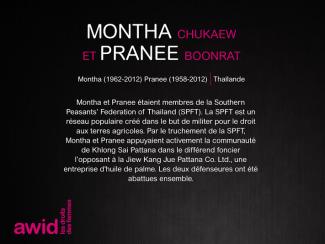
Plenary session:

Organising to Win

Margarita Salas, AWID
Nazik Abylgaziva, Labrys
Amaranta Gómez Regalado, Secretariado Internacional de Pueblos Indígenas frente al VIH/sida, la Sexualidad y los Derechos Humanos
Cindy Weisner, Grassroots Global Justice Alliance
Lucineia Freitas, Movimento Sem Terra
watch plenary


มีวิธีการจัดกิจกรรมแบบเฉพาะเจาะจงที่ผู้จัดต้องการหรือไม่?

ในหัวข้อ เปิดรับสมัครกิจกรรม แสดงรายการรูปแบบและวิธีการจัดกิจกรรมที่แนะนำจำนวนหนึ่ง ใช้ความคิดสร้างสรรค์และอย่าลืมอ่านหัวข้อ “สิ่งที่คุณต้องรู้”
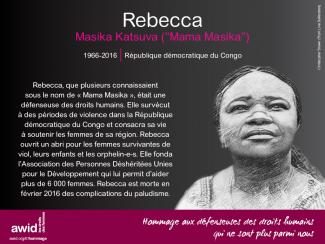
2009: la ONU celebra una Conferencia sobre el impacto de la crisis económica

Conferencia de la ONU sobre la crisis financiera y económica mundial y sus efectos sobre el desarrollo

  • Esta conferencia de 2009 fue un producto de la Conferencia de Doha realizada en 2008. La Declaración de Doha le había encargado a la ONU que el Presidente de su Asamblea General organizara una conferencia sobre la crisis financiera y económica mundial y su impacto sobre el desarrollo.
  • En esta conferencia los grupos de mujeres, a través del WWG, destacaron el impacto de la crisis financiera mundial sobre los grupos en situación de vulnerabilidad. En su declaración ante los Estados Miembros, el WWG les propuso acciones que consideraba necesarias para remediar los efectos de la crisis sobre las mujeres. También observó que otros grupos sociales afectados por la crisis son clave para una respuesta que esté en consonancia con los estándares y compromisos internacionales en materia de igualdad de género, derechos de las mujeres, derechos humanos y empoderamiento.

Snippet Festival Artwork_fest (ES)

Festival Art!

Featuring artwork by Upasana Agarwal, Ika Vantiani, & Naadira Patel.

Haga clic en las imágenes para agrandar

Por Upasana Agarwal

WebsiteInstagram

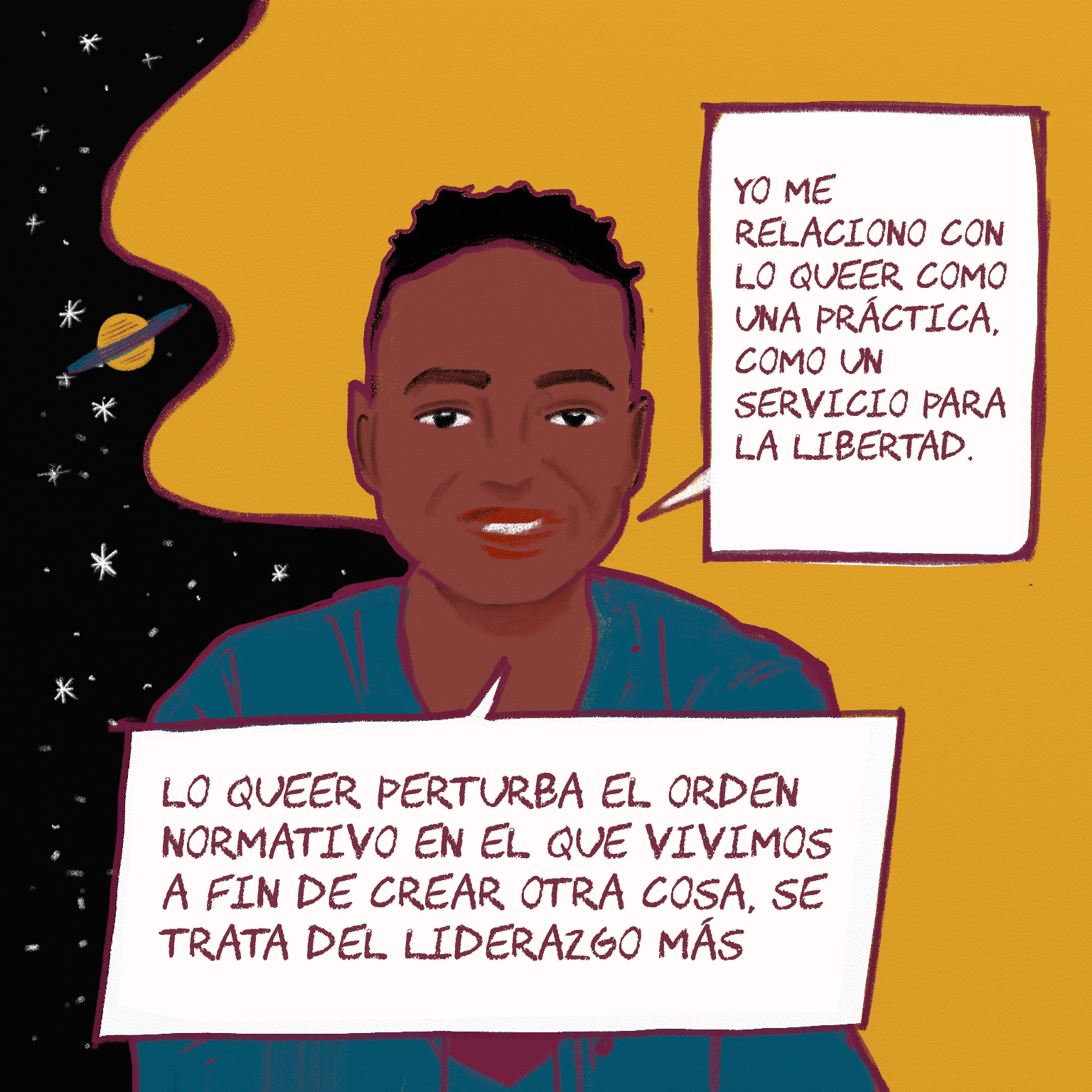
Anima Adjepong  "Yo me relaciono con lo queer como una práctica, como un servicio para la libertad. Lo queer perturba el orden normativo en el que vivimos a fin de crear otra cosa, se trata del liderazgo más allá del individuo"
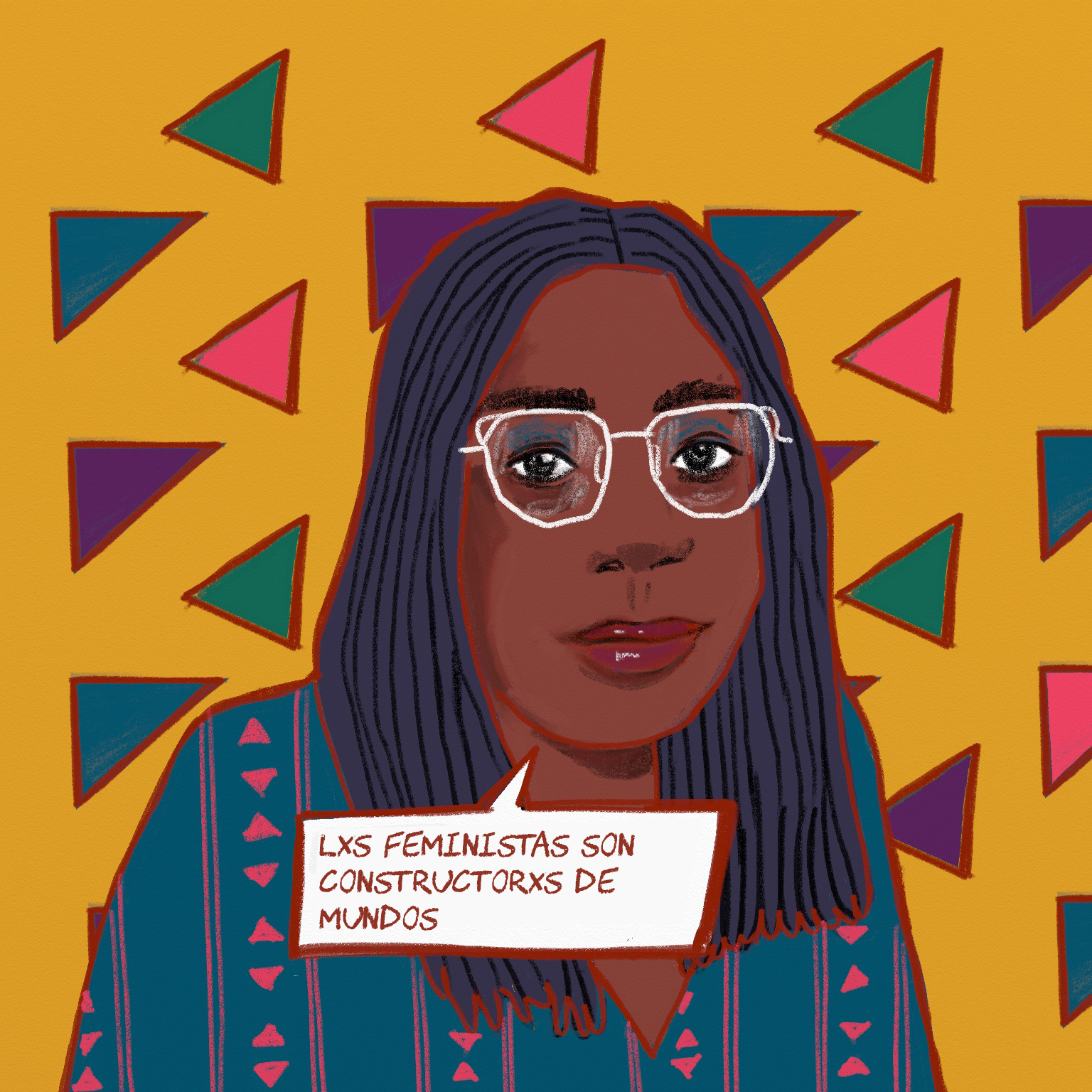
Anwulika Okonjo «Lxs feministas son constructorxs de mundos»
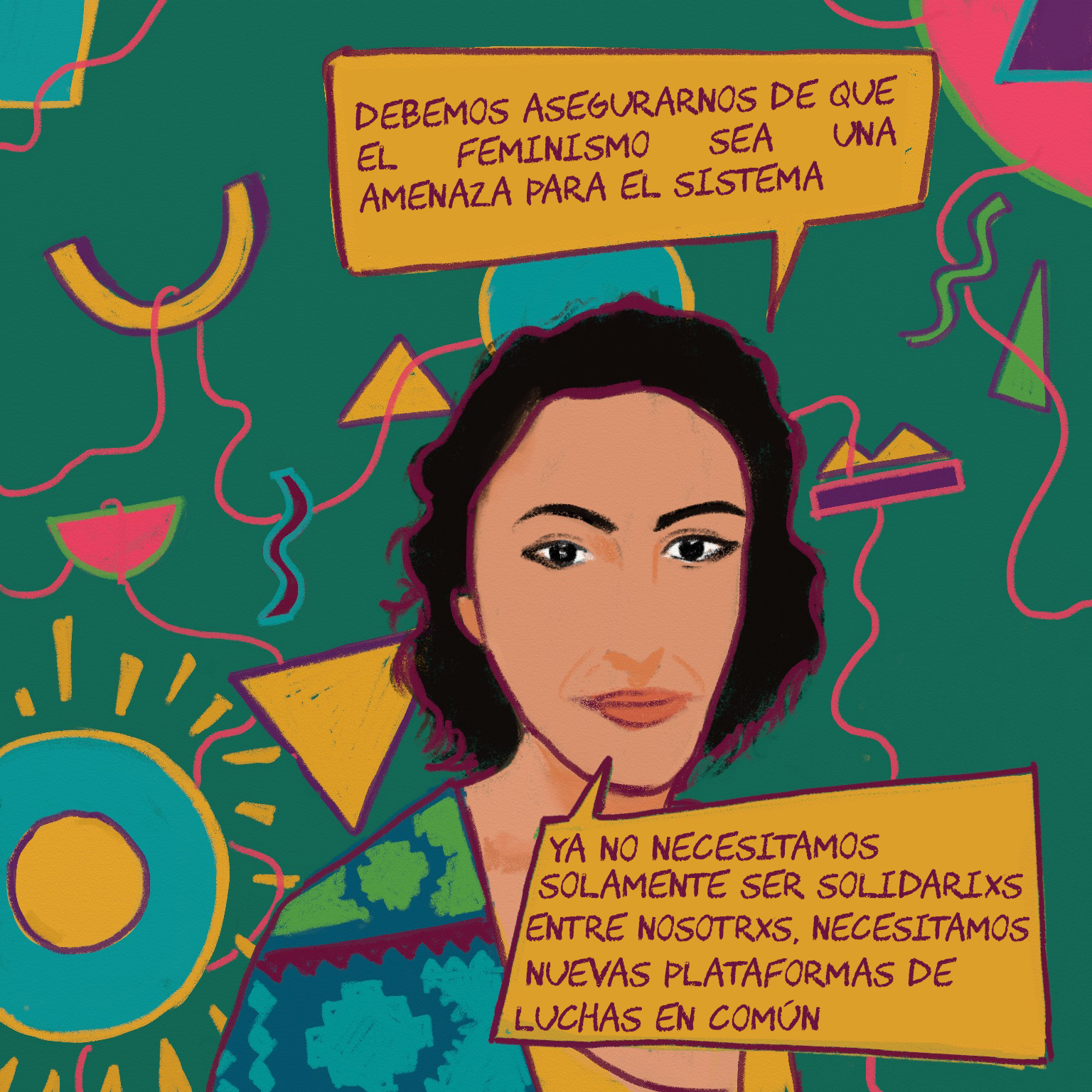
Dilar Dirik «Debemos asegurarnos de que el feminismo sea una amenaza para el sistema» «Ya no necesitamos solamente ser solidarixs entre nosotrxs, necesitamos nuevas plataformas de luchas en común»
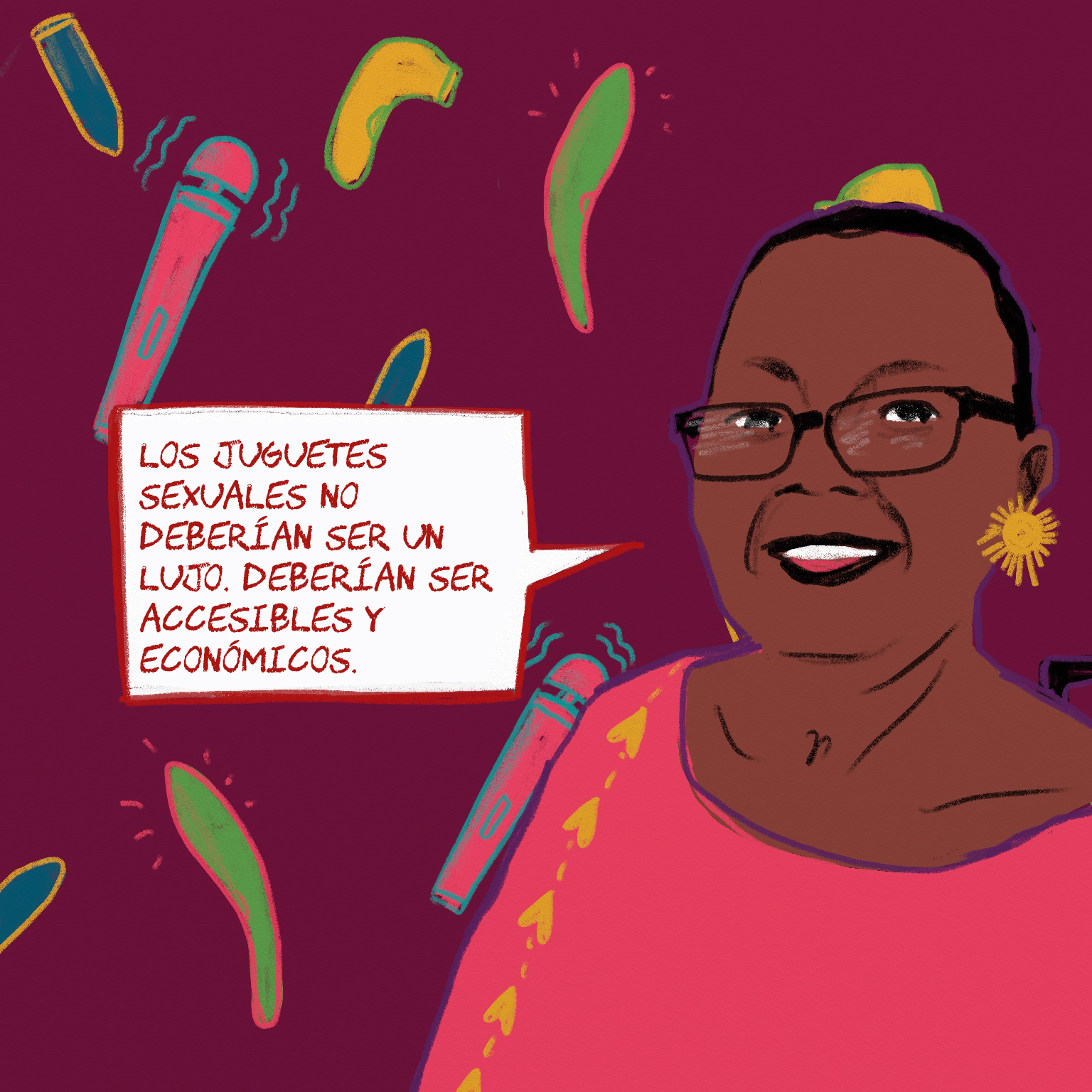
Makgosi Letimile «Los juguetes sexuales no deberían ser un lujo. Deberían ser accesibles y económicos.»
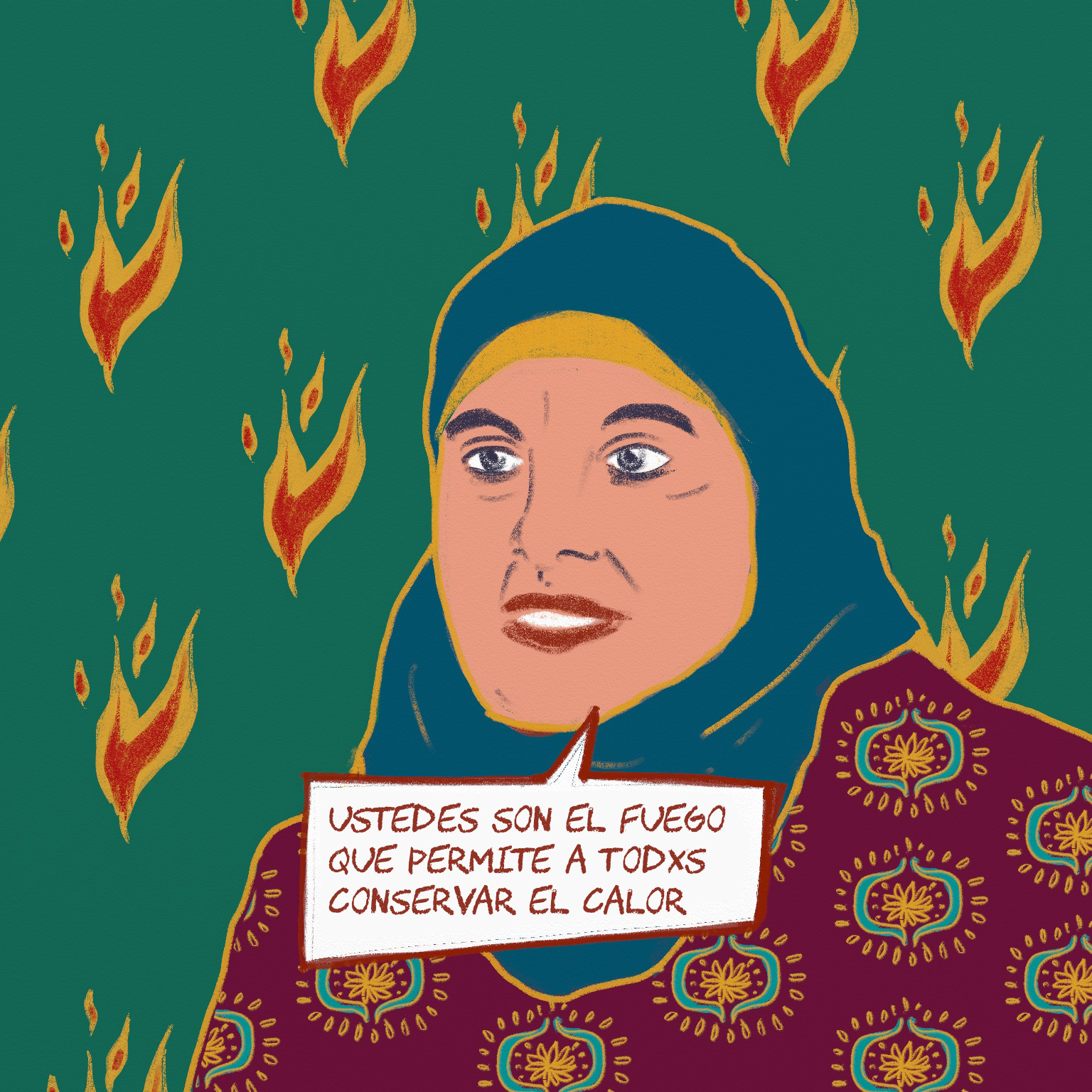
Manal Tamimi «Ustedes son el fuego que permite a todxs conservar el calor»
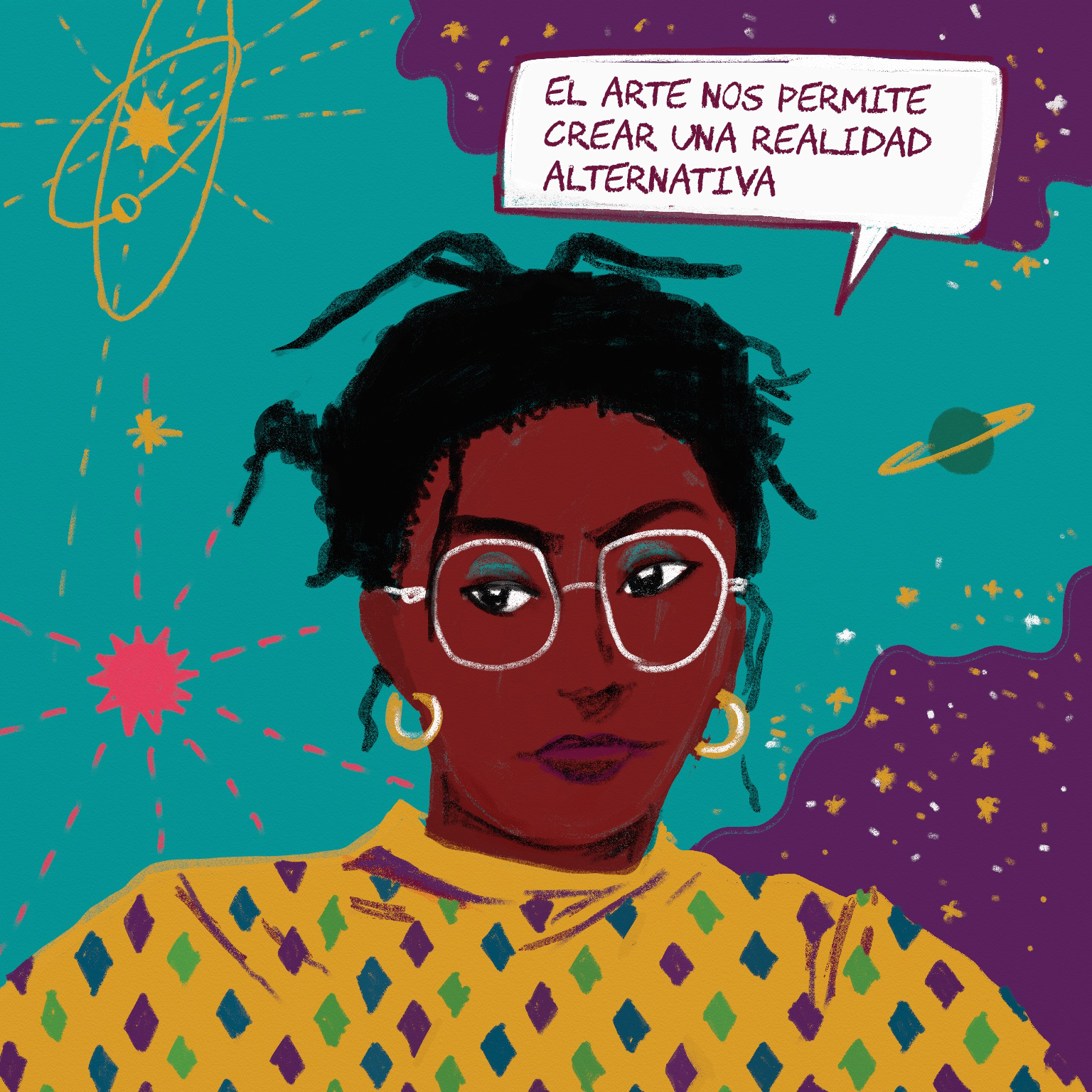
Nana Akosua Hanson «El arte nos permite crear una realidad alternativa»
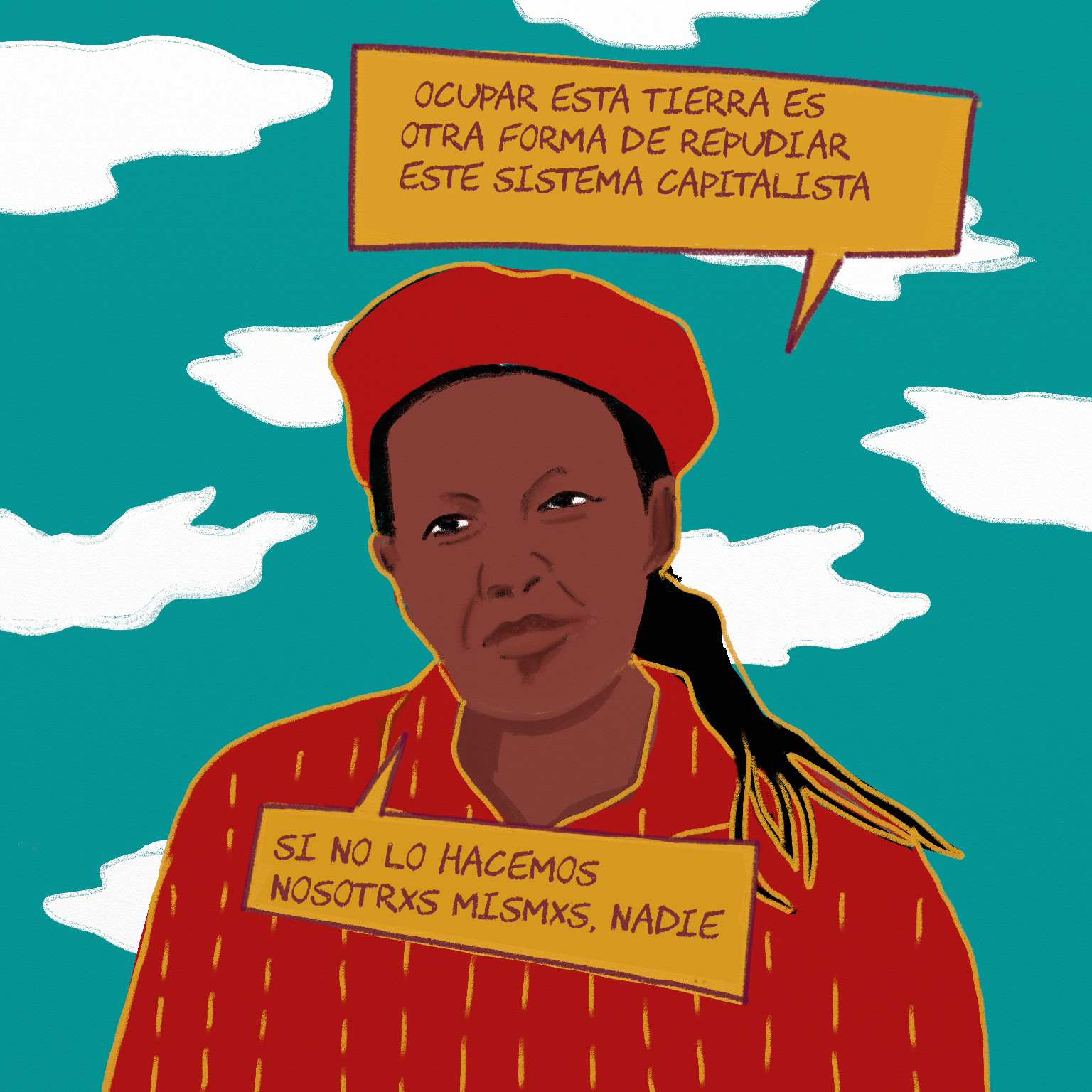
Nomsa Sizani « Ocupar esta tierra es otra forma de repudiar este sistema capitalista» «Si no lo hacemos nosotrxs mismxs, nadie nos liberará»
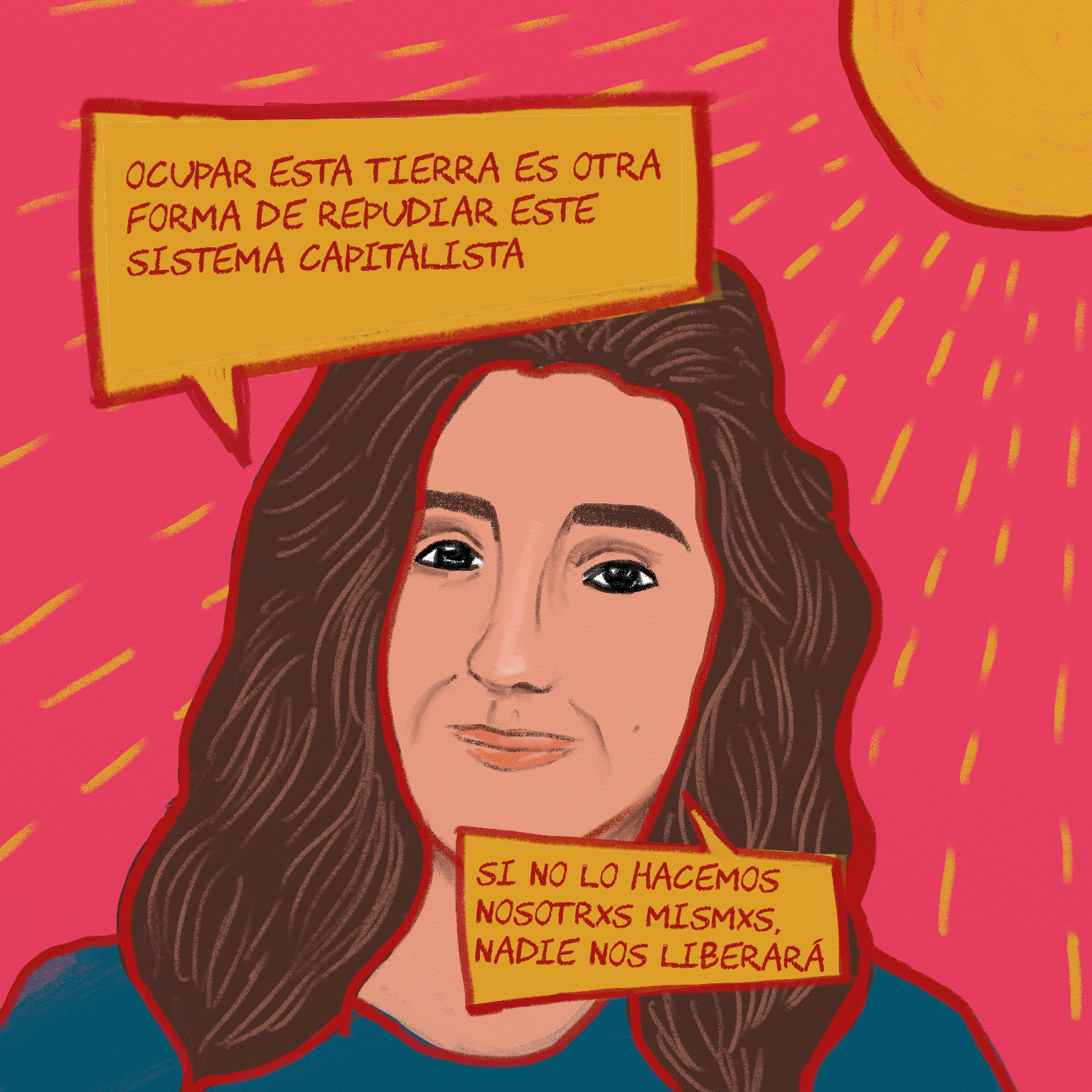
Sandie Hanna «Ocupar esta tierra es otra forma de repudiar este sistema capitalista.» «Si no lo hacemos nosotrxs mismxs, nadie nos liberará»
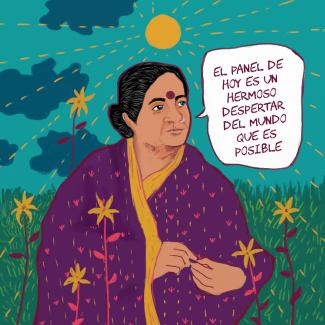
Vandana Shiva «El panel de hoy es un hermoso despertar del mundo que es posible»
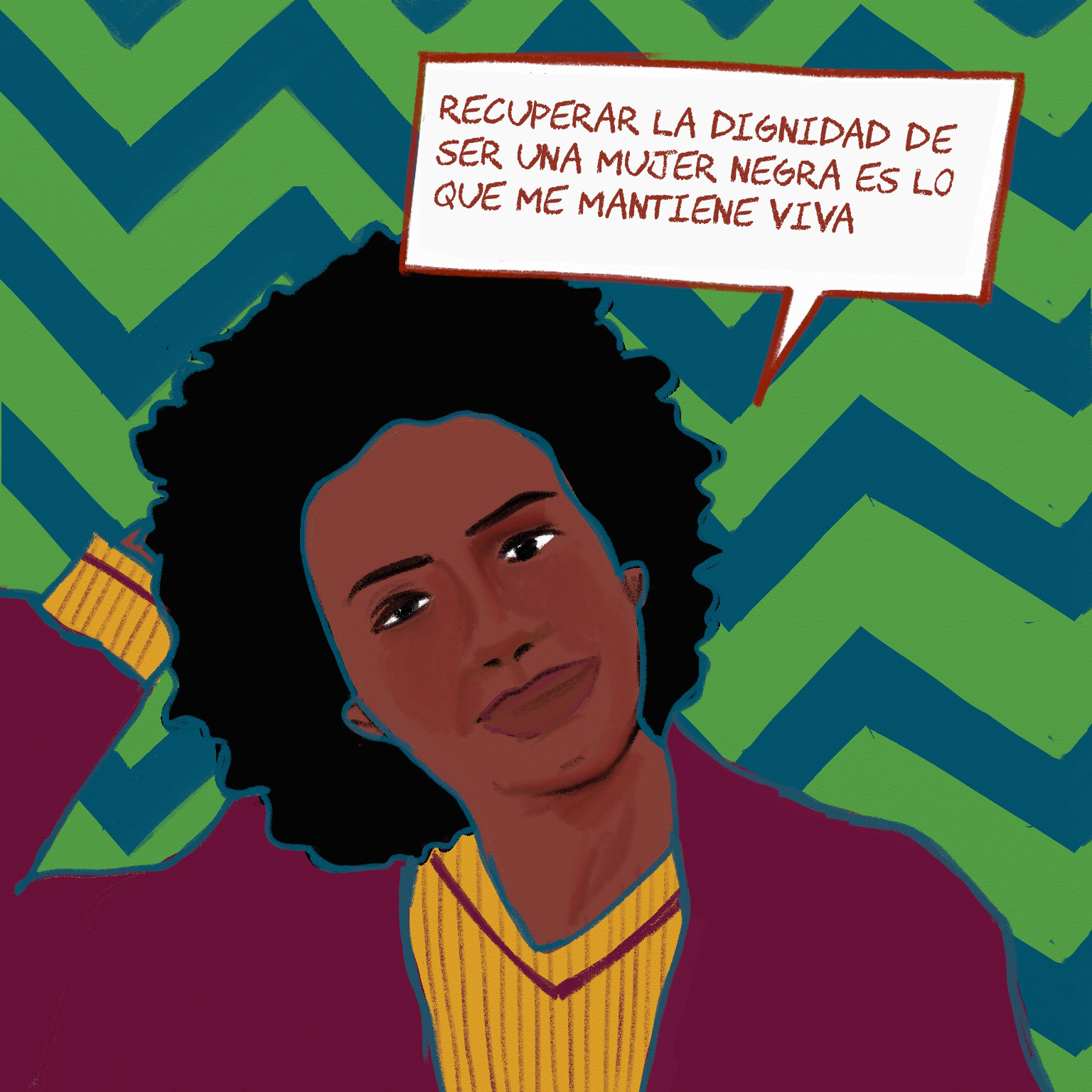
Yannia S. Garzón «Recuperar la dignidad de ser una mujer negra es lo que me mantiene viva»
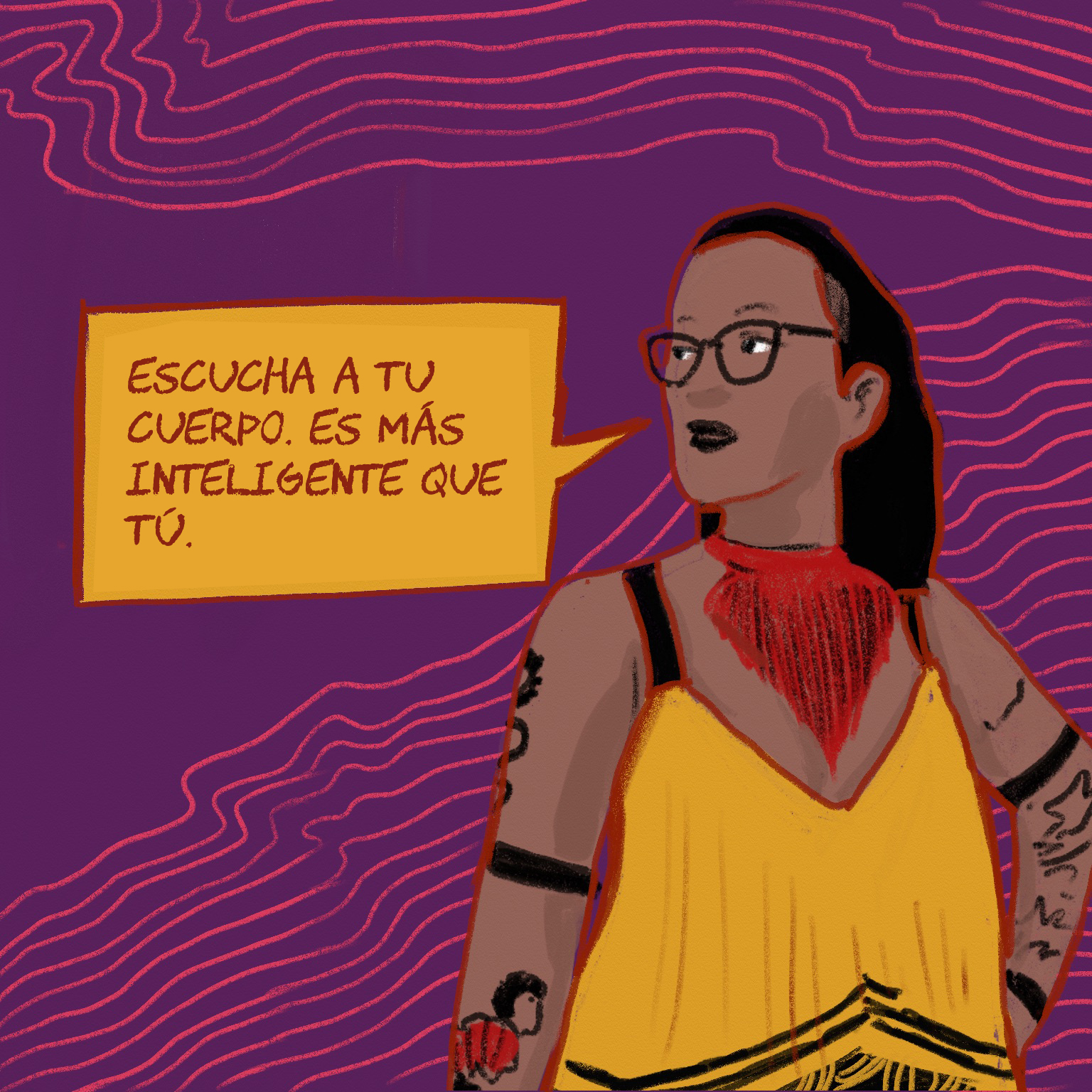
Dr. Angelique V. Nixon "Escucha a tu cuerpo. Es más inteligente que tú."
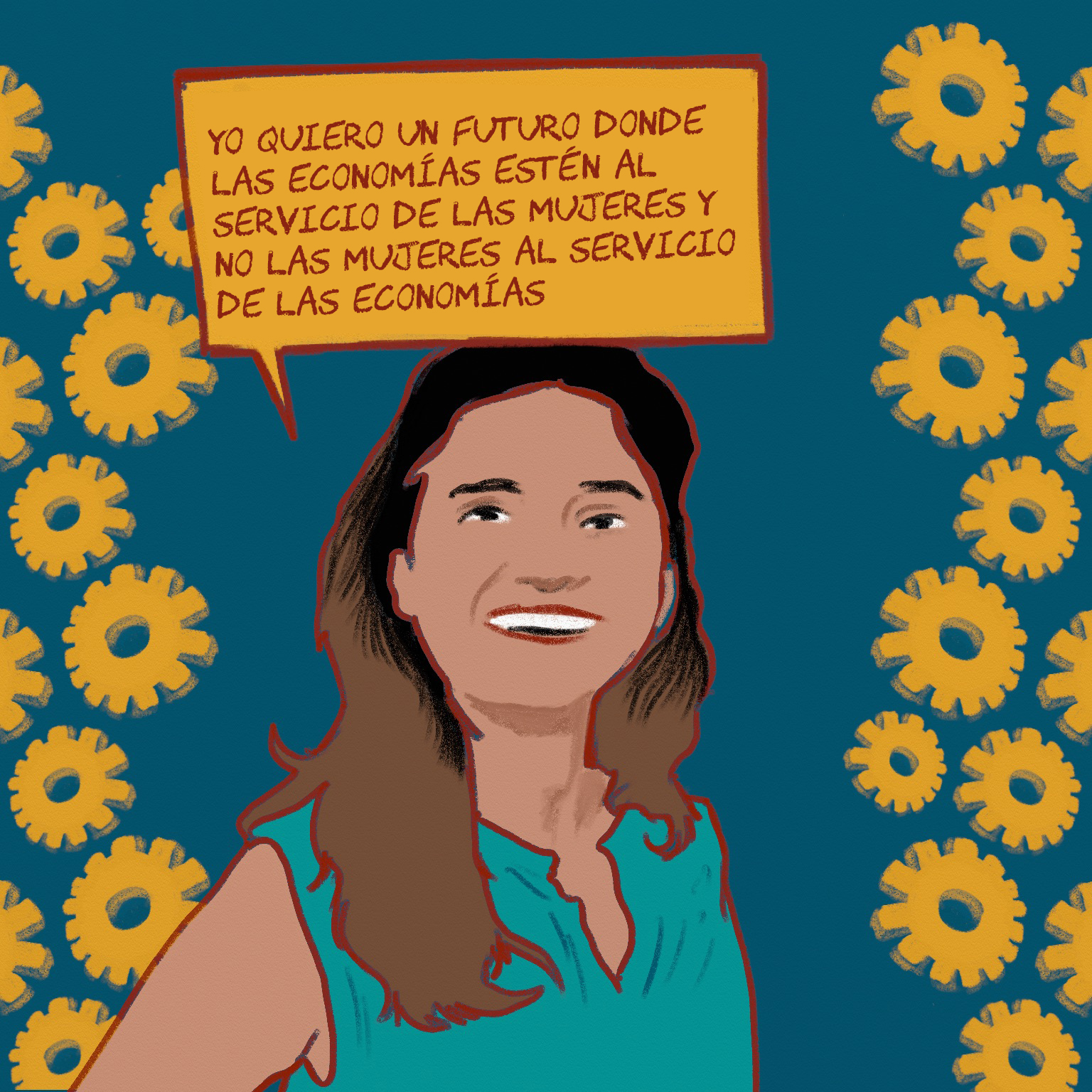
 Patricia Wattimena "Yo quiero un futuro donde las economías estén al servicio de las mujeres y no las mujeres al servicio de las economías”

Por Ika Vantiani

Facebook | TwitterInstagram

 
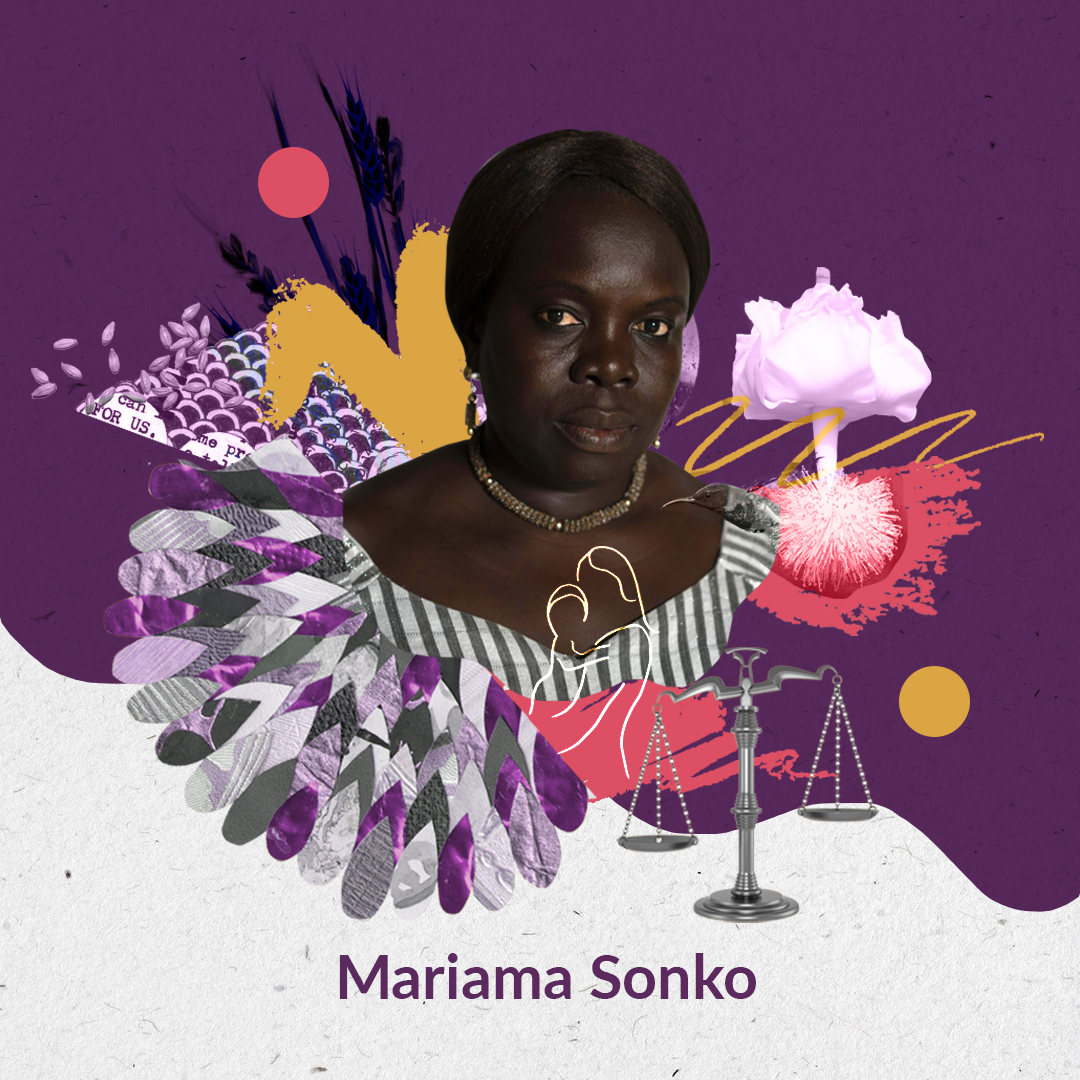
Collage of Mariama Sonko
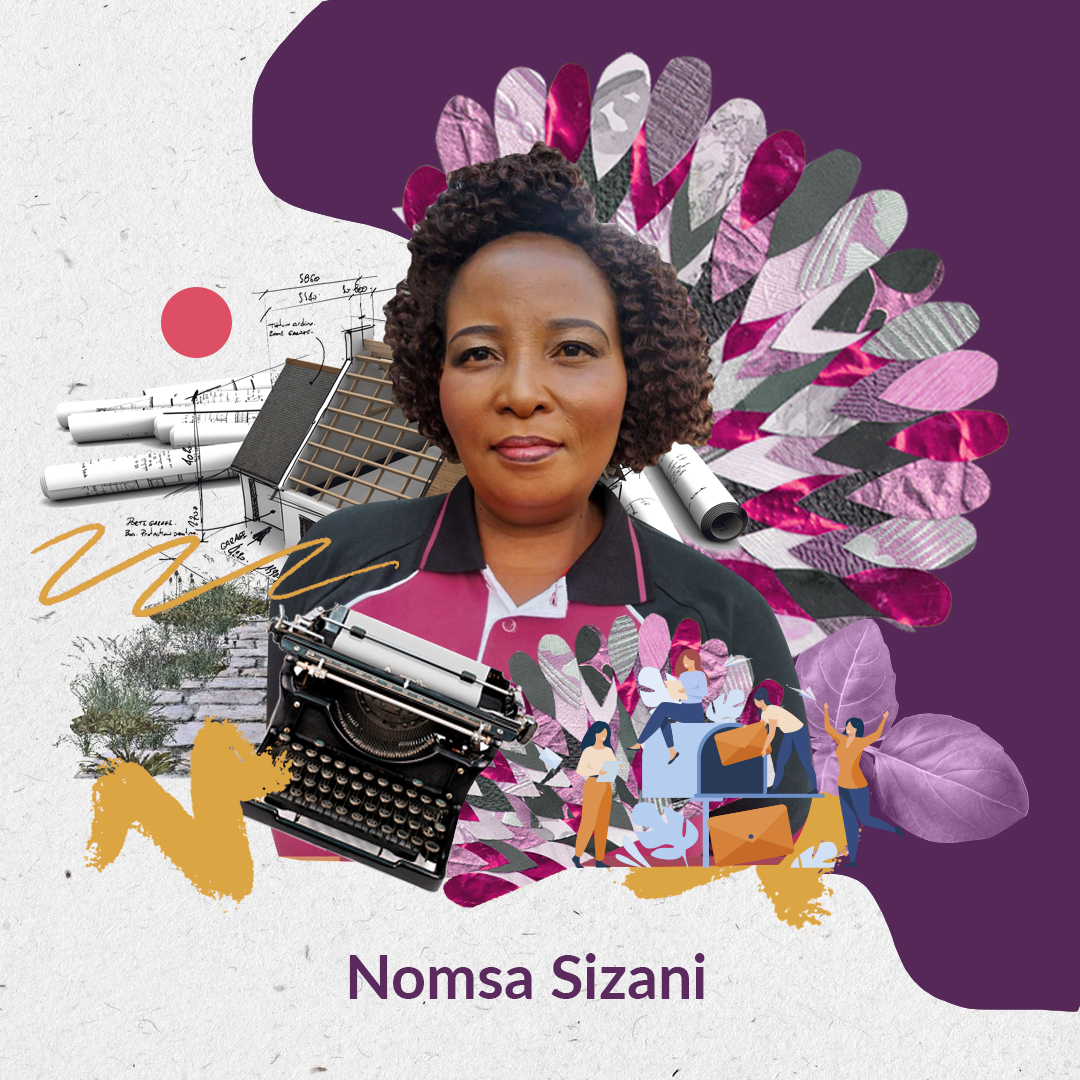
Collage of Nomsa Sizani
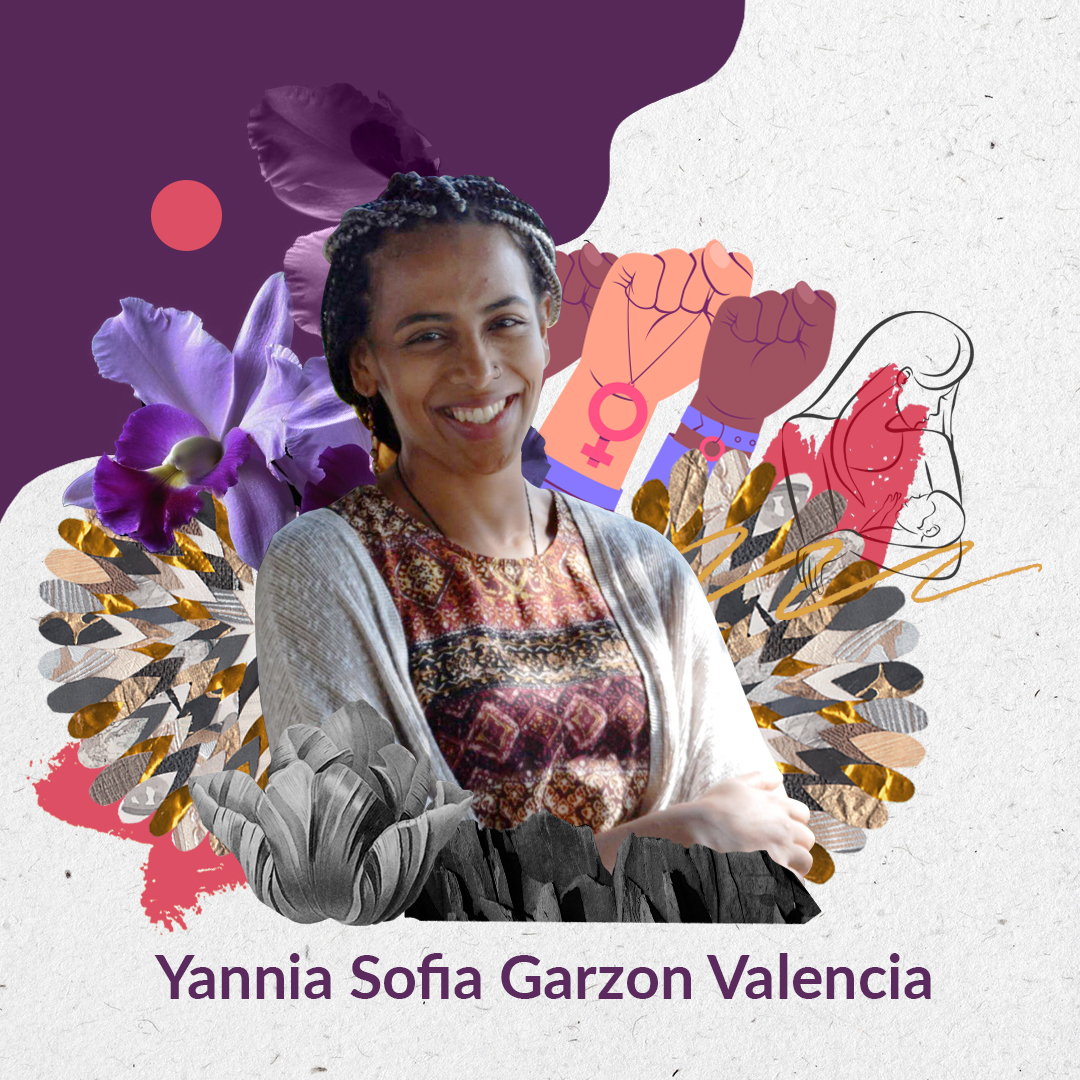
Artistic collage featuring Yania Sofia

Por Naadira Patel 

Website | Facebook | Instagram

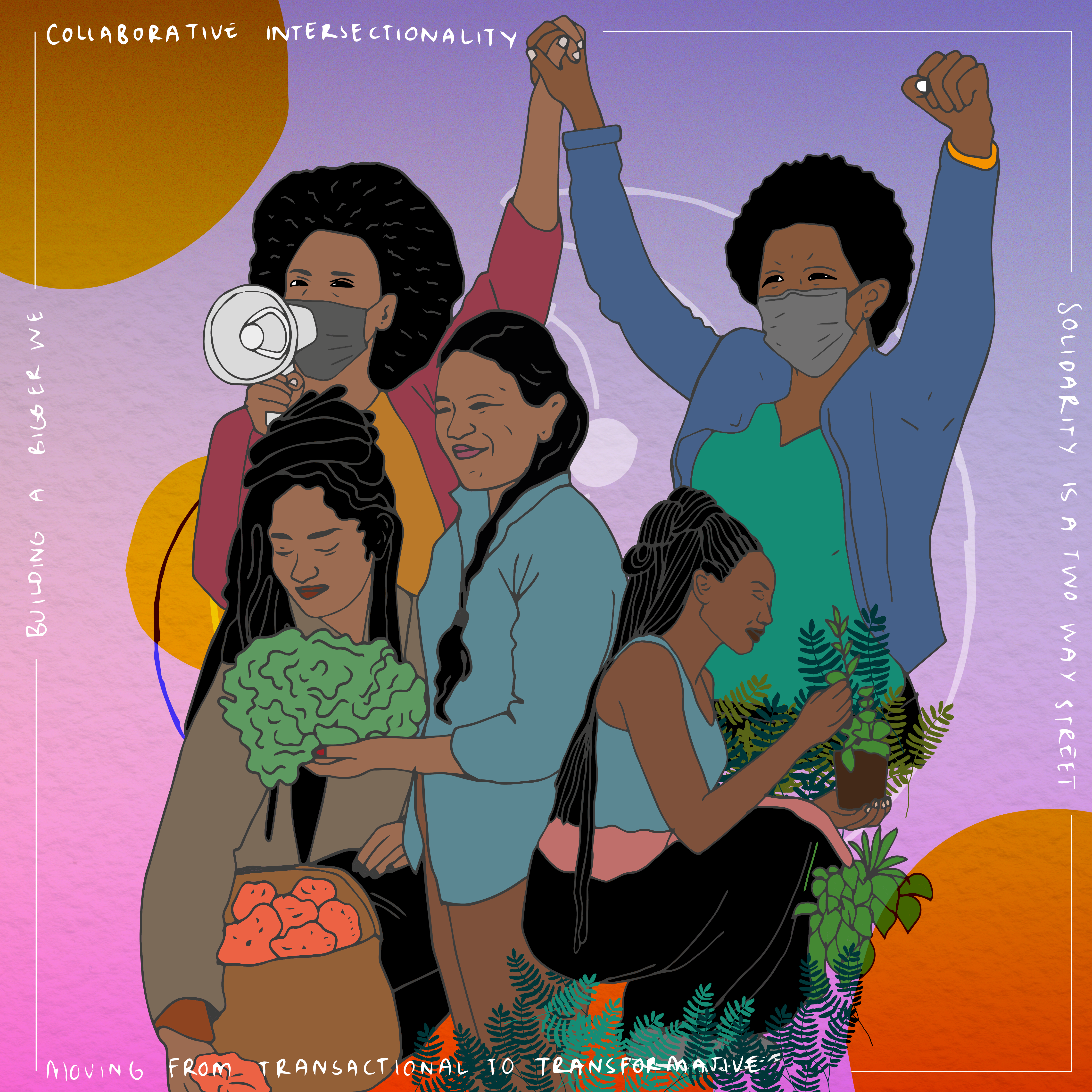
Illustration of several women of color with text that says: Moving from Transactional to Transformative
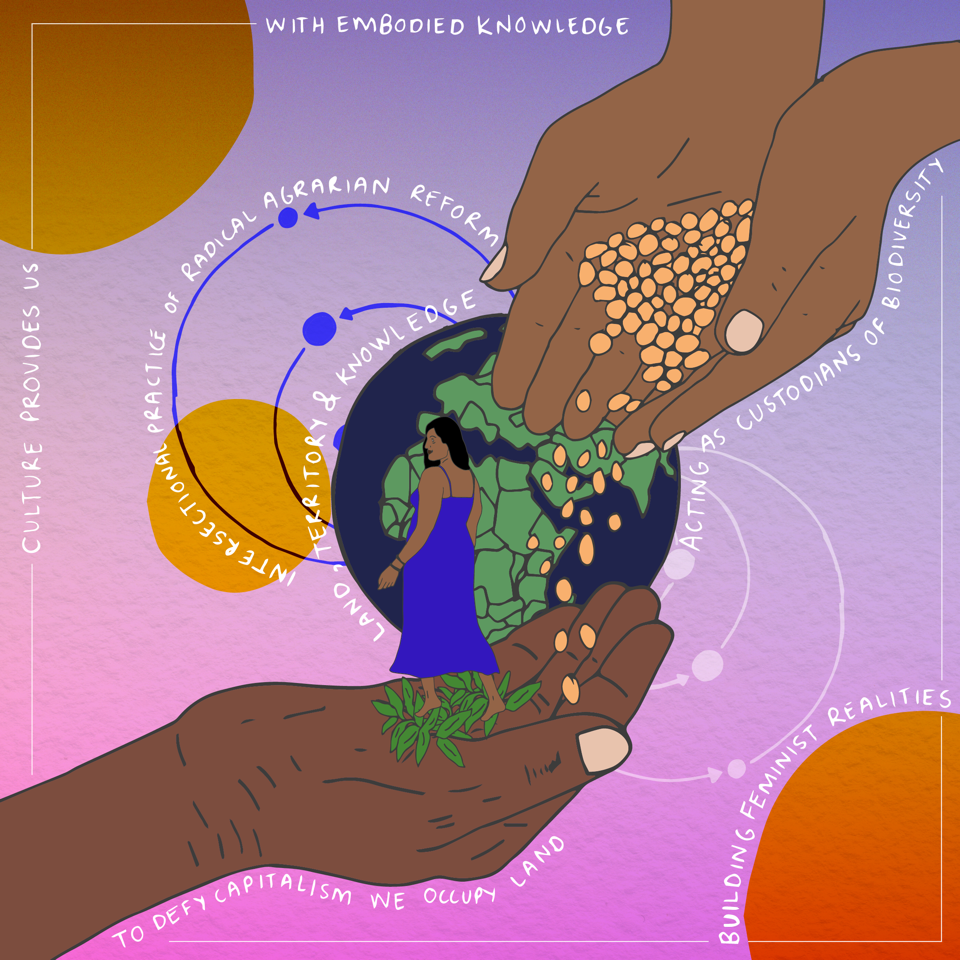
Illustration of three hand outstretched. Two are spilling seeds into the other. In the center there is planet Earth and a woman walking over plants. The text reads "To defy capitalism we occupy land acting as custodians of diversity"

لم أسافر من قبل. ماذا يجب أن أعرف؟

نحن نعلم أن السفر لأول مرة يمكن أن يكون مثيرًا ولكنه مرهق أيضًا. وإدراكًا للتحديات العديدة التي ينطوي عليها الأمر، سنقدم المزيد من المعلومات والتفاصيل حول كيفية الوصول إلى بانكوك عندما يتم فتح التسجيل في أوائل العام المقبل.

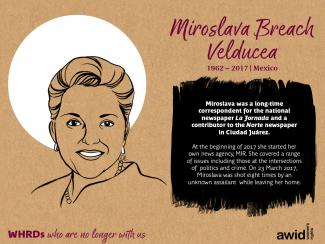
Miroslava Breach Velducea

Janvier 2015: 1ère session de rédaction du document final de la 3ème Conférence sur le FdD

La première session de rédaction du document final de la troisième Conférence sur le financement du développement
  • À partir de janvier 2015, les sessions de rédaction du document final se sont succédé au siège de l’ONU à New York.
  • Avant la première de ces sessions, les co-facilitateurs du processus préparatoire de la Conférence d’Addis Abeba ont présenté un document récapitulatif (en anglais) en vue de la rédaction de la dite « version zéro » du document final. Ce document avait vocation à servir de base aux négociations intergouvernementales relatives au contenu du document final.
  • Pendant les sessions, des organisations de défense des droits des femmes ont mis l’accent sur la nécessité, au cours des processus relatifs à l’après-2015, d’aborder séparément le FdD et les modalités de mise en œuvre. À leurs yeux, le FdD offre une occasion unique aux États de s’attaquer aux causes structurelles des inégalités.