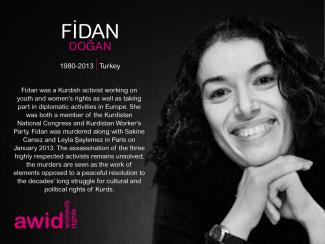
Fidan Dogan
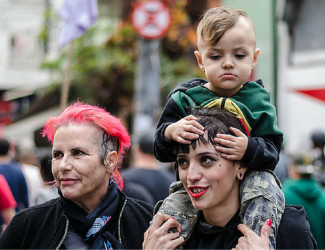
Over the past few years, a troubling new trend at the international human rights level is being observed, where discourses on ‘protecting the family’ are being employed to defend violations committed against family members, to bolster and justify impunity, and to restrict equal rights within and to family life.
The campaign to "Protect the Family" is driven by ultra-conservative efforts to impose "traditional" and patriarchal interpretations of the family, and to move rights out of the hands of family members and into the institution of ‘the family’.
Since 2014, a group of states have been operating as a bloc in human rights spaces under the name “Group of Friends of the Family”, and resolutions on “Protection of the Family” have been successfully passed every year since 2014.
This agenda has spread beyond the Human Rights Council. We have seen regressive language on “the family” being introduced at the Commission on the Status of Women, and attempts made to introduce it in negotiations on the Sustainable Development Goals.
AWID works with partners and allies to jointly resist “Protection of the Family” and other regressive agendas, and to uphold the universality of human rights.
In response to the increased influence of regressive actors in human rights spaces, AWID joined allies to form the Observatory on the Universality of Rights (OURs). OURs is a collaborative project that monitors, analyzes, and shares information on anti-rights initiatives like “Protection of the Family”.
Rights at Risk, the first OURs report, charts a map of the actors making up the global anti-rights lobby, identifies their key discourses and strategies, and the effect they are having on our human rights.
The report outlines “Protection of the Family” as an agenda that has fostered collaboration across a broad range of regressive actors at the UN. It describes it as: “a strategic framework that houses “multiple patriarchal and anti-rights positions, where the framework, in turn, aims to justify and institutionalize these positions.”
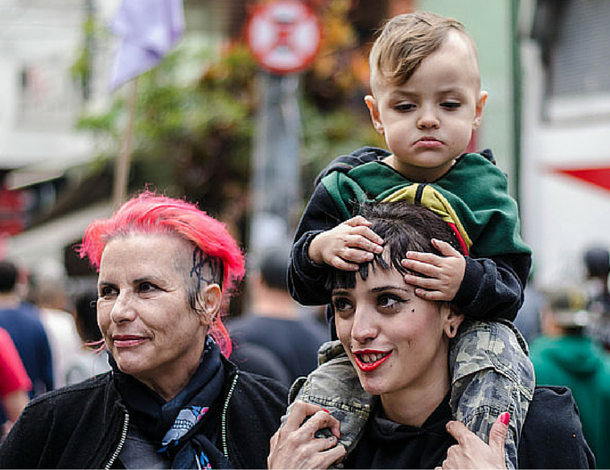
Tendo em conta que o inquérito WITM foca-se nas realidades do financiamento de organizações feministas, a maioria das perguntas aborda o tópico do financiamento do seu grupo entre 2021-2023. Será preciso ter essas informações facilmente acessíveis para preencher o inquérito (por exemplo, os seus orçamentos anuais e as principais fontes de financiamento).
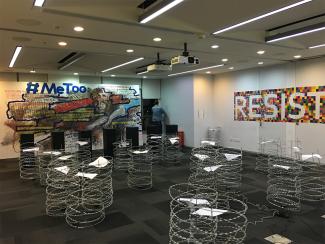
The #MeToo movement in China was ignited in January 2018, impelled by the momentum of the #MeToo movement around the globe. The movement was a response to cultural and systemic problems in relation to gender and power within China. The foundation of the movement was laid over decades, with many years of debate and advocacy for gender equality finally erupting into a tremendous force across society. #MeToo has been driven mainly by young people, among whom are countless anonymous women and their allies, and they search for opportunities to realize the ultimate “Chinese Dream”: to transform China into a country with gender equality.
The environment for #MeToo movement is extremely adverse in China: the rule of law, the fairness and transparency of government action, and freedom of speech cannot be taken for granted by the movement in China but are the very goals it fights for. From the beginning, it has been an intense struggle, with every victim or activist who comes forward running tremendous risks. From being silenced, humiliated, or retaliated against, to having their safety jeopardized, every success of the #MeToo movement has been won by those who are courageous enough to bear the costs of speaking out and defying censorship.
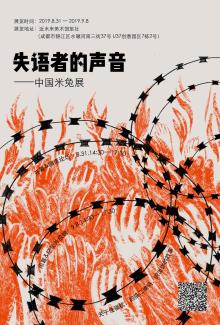
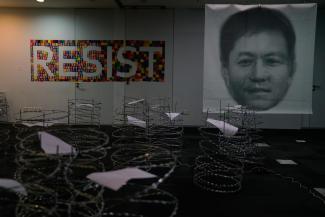
#MeToo in China Exhibition was first held in 2019 and toured in 5 cities. The aim of the exhibition is to bring the personal experiences of the victims and activists to greater prominence and, through engagement with these stories, to inspire our audience to join in the fight. The exhibition has itself become a part of the #MeToo struggle—the exhibition has been beset by challenges on its tour throughout China, on more than one occasion even facing closure.
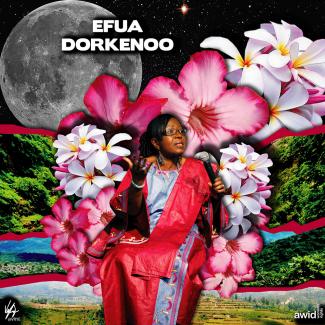
Affectionately known as “Mama Efua”, her work to end Female Genital Mutilation (FGM) movement spanned three decades and helped bring international attention and action to end this harmful practice.
In 1983 Efua co-founded FORWARD (The Foundation for Women’s Health, Research and Development), which became a leading organisation in the battle to raise awareness about FGM. Her 1994 book, “Cutting the Rose: Female Genital Mutilation,” is considered the first on FGM and, featured in Columbia University’s “Africa’s 100 Best Books for the 20th Century”.
Originally from Ghana and a nurse by training, Efua joined the WHO in 1995 and successfully pushed for FGM to go on the agendas of WHO member states. She also worked closely with the Nigerian government in formulating a comprehensive National Policy that laid the groundwork for Nigeria’s anti-FGM laws, still in place today.
Her ground breaking work culminated in an Africa-led campaign, “The Girl Generation,” which is committed to ending FGM within a generation. Efua demonstrated how one person can become the unifying voice for a movement, and her wise words - “shared identity can help bring activists from different backgrounds together with a common sense of purpose” – are more relevant than ever.
Étant donnée la situation mondiale, notre Conseil d’administration a pris la décision difficile d’annuler le Forum, qui devait avoir lieu en 2021 à Taipei.
أكيد. سيتم محي اجوبتك بعد عملية معالجة المعطيات وتحليلها وسيتم استعمالها لأهداف بحثية فقط. لن تتم أبداً مشاركة المعطيات خارج AWID وسيتم معالجتها فقط عن طريق طاقم AWID والمستشارات/ين اللواتي/ اللذين يعملن/وا في مشروع "أين المال" معنا. خصوصيتكم/ن وسرّيتكم/ن هي في أعلى سلم أولوياتنا. سياسة الخصوصية متواجدة هنا.
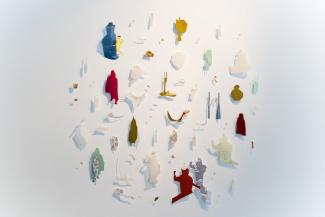
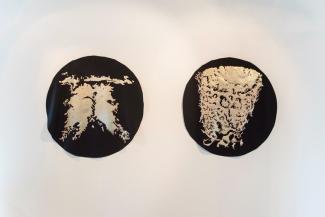

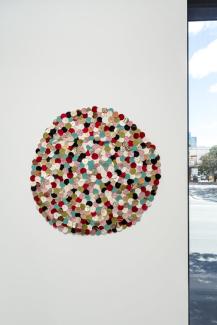
Una exposición de Nicole Barakat que encarna su reconexión con los objetos de la diáspora de sus tierras ancestrales en la región del Sudoeste Asiático y África del Norte (SWANA, por sus siglas en inglés).
Barakat presenta una colección de obras textiles como manifestaciones de su práctica de conectarse con los objetos desplazados, y a menudo robados, que son exhibidos en colecciones de museos occidentales que incluyen el Museo del Louvre de París, el Museo Británico de Londres y el Nicholson Museum de Sydney.
Para burlar a los guardianes y fisurar las vitrinas que retienen estos objetos ancestrales, Barakat recupera formas de conocimiento precoloniales, no lineales y receptivas que son, a menudo, devaluadas y desestimadas por las instituciones coloniales y patriarcales, utilizando la adivinación con la borra del café, el trabajo con los sueños, la escucha intuitiva y las conversaciones con los objetos mismos (fuente).
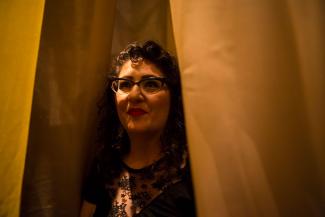

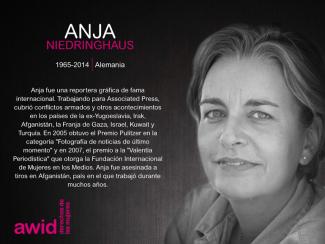
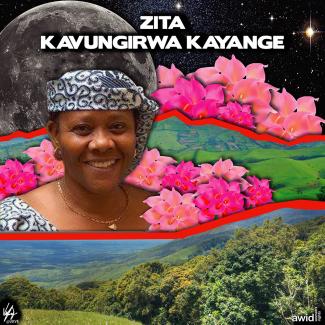
Zita fue una activista por los derechos de las mujeres que defendió los derechos de las mujeres rurales en el Gran Kivu.
Fue la primera directora ejecutiva de UWAKI, una organización de mujeres muy conocida. A través de su trabajo con la Red de Mujeres por los Derechos y la Paz (RFDP) y el Foro de Mujeres por la Paz de Kivu del Sur, dedicó su vida a ayudar a restablecer la paz en la zona oriental de la República Democrática del Congo. Se manifestó firmemente en contra del uso de la violencia sexual como arma de guerra.
En 2006, se propuso como candidata en las primeras elecciones democráticas del país. Aunque no ganó, siguió defendiendo los derechos de las mujeres y la comunidad de Kivu del Sur la recuerda con cariño.
Опрос будет доступен до конца августа 2024 года. Пожалуйста, заполните его в течение этого срока, чтобы ваши ответы были включены в анализ.
À la Commission africaine et au Système interaméricain, les antidroits promeuvent les notions essentialistes de culture et de genre pour miner les avancées en matière de droits et décrédibiliser la redevabilité. Les antidroits gagnent en influence dans les systèmes de protection des droits humains régionaux et internationaux.
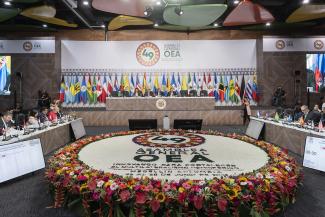
La Commission africaine des droits de l’Homme et des peuples commence à présenter les droits des femmes et droits sexuels comme mettant en danger sa capacité à adresser les « droits réels » et contraires aux « valeurs africaines », un précédent inquiétant à l’égard des droits. Le retrait de son statut d’observatrice à la Coalition des lesbiennes africaines est un exemple de cette tendance, et traduit la répression de l’engagement féministe panafricaniste.
Au sein de l’Organisation des États américains (OEA) et du Système interaméricain de protection des droits humains, les stratégies antidroits incluent l’ONGisation de groupes religieux, l’adoption d’un langage séculier et la prise de contrôle de cadres discriminatoires. L’influence antidroits a pris plusieurs formes, et notamment l’intimidation d’activistes trans et l’entrave à l’introduction d’un langage progressif dans les résolutions.
Bessy también fue integrante de Arcoíris, una organización que apoya a la comunidad LGBTI+. También fue una persona de referencia para la Plataforma Derechos Aquí y Ahora de Honduras, y abogó enérgicamente por la ciudadanía plena de las personas trans, y por la aprobación de una ley de identidad de género que permitiera a las personas trans cambiar su identidad de género legalmente.
"Desde principios de año [2019] la comunidad trans ha sufrido una serie de ataques, por defender, por reivindicar derechos". - Rihanna Ferrera (hermana de Bessy)
Bessy era una trabajadora sexual, y a principios de julio de 2019, fue asesinada a tiros por dos hombres mientras trabajaba en las calles de Comayagüela. Quienes la asesinaron fueron posteriormente arrestados.
Bessy es una de las muchxs defensorxs de los derechos LGBTI+ en Honduras que fueron asesinadxs por su identidad y su trabajo. Otras compañeras han sido: Cynthia Nicole, Angy Ferreira, Estefanía "Nia" Zúñiga, Gloria Carolina Hernández Vásquez, Paola Barraza, Violeta Rivas y Sherly Montoya.
El caso de Bessy es emblemático por su injusticia y por reflejar un problema mucho más amplio, que es el de la violencia sistemática a la que se enfrenta la comunidad LGBTI+ en Honduras, ya que el Estado ni garantiza los derechos que ofrece y ni brinda protección. Esto ha creado una cultura de impunidad.
A pesar de los riesgos a los que se enfrentan lxs defensorxs LGBTI+ en Honduras, continúan a diario con su trabajo para desafiar y resistir la violencia, y luchar contra el estigma y la discriminación.
"Si muero, que sea por algo bueno y no por algo inútil. No quiero morir huyendo, como unx cobarde. Si muero, quiero que la gente diga que morí luchando por lo que es mío". - integrante de Arcoíris.