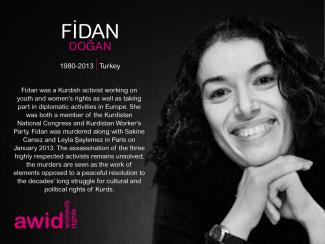
WHRDs are self-identified women and lesbian, bisexual, transgender, queer and intersex (LBTQI) people and others who defend rights and are subject to gender-specific risks and threats due to their human rights work and/or as a direct consequence of their gender identity or sexual orientation.
WHRDs are subject to systematic violence and discrimination due to their identities and unyielding struggles for rights, equality and justice.
The WHRD Program collaborates with international and regional partners as well as the AWID membership to raise awareness about these risks and threats, advocate for feminist and holistic measures of protection and safety, and actively promote a culture of self-care and collective well being in our movements.
Risks and threats targeting WHRDs
WHRDs are exposed to the same types of risks that all other defenders who defend human rights, communities, and the environment face. However, they are also exposed to gender-based violence and gender-specific risks because they challenge existing gender norms within their communities and societies.
By defending rights, WHRDs are at risk of:
Physical assault and death
Intimidation and harassment, including in online spaces
Judicial harassment and criminalization
Burnout
A collaborative, holistic approach to safety
We work collaboratively with international and regional networks and our membership
to raise awareness about human rights abuses and violations against WHRDs and the systemic violence and discrimination they experience
to strengthen protection mechanisms and ensure more effective and timely responses to WHRDs at risk
We work to promote a holistic approach to protection which includes:
emphasizing the importance of self-care and collective well being, and recognizing that what care and wellbeing mean may differ across cultures
documenting the violations targeting WHRDs using a feminist intersectional perspective;
promoting the social recognition and celebration of the work and resilience of WHRDs ; and
building civic spaces that are conducive to dismantling structural inequalities without restrictions or obstacles
Our Actions
We aim to contribute to a safer world for WHRDs, their families and communities. We believe that action for rights and justice should not put WHRDs at risk; it should be appreciated and celebrated.
Promoting collaboration and coordination among human rights and women’s rights organizations at the international level to strengthen responses concerning safety and wellbeing of WHRDs.
Supporting regional networks of WHRDs and their organizations, such as the Mesoamerican Initiative for WHRDs and the WHRD Middle East and North Africa Coalition, in promoting and strengthening collective action for protection - emphasizing the establishment of solidarity and protection networks, the promotion of self-care, and advocacy and mobilization for the safety of WHRDs;
Increasing the visibility and recognition of WHRDs and their struggles, as well as the risks that they encounter by documenting the attacks that they face, and researching, producing, and disseminating information on their struggles, strategies, and challenges:
Mobilizing urgent responses of international solidarity for WHRDs at risk through our international and regional networks, and our active membership.
Related Content
نحن نعيد إعطاء المال لشركائنا/شريكاتنا ونعرّف عن أنفسنا كنسويات و\ أو صندوق نسائي. هل علينا تعبئة الاستطلاع؟
كلا. نقدّر عملكم/ن لكننا لا نطلب في هذه المرحلة من الصناديق النسوية والنسائية تعبئة الاستطلاع. نشجعكم/ن على مشاركة الاستطلاع مع شركائكم/ن و شبكاتكم/ن النسوية.
Test basic page
Snippet FEA Meet the Solidarity Network (ES)
SINDICATO RED DE SOLIDARIDAD
Te presentamos el Sindicato Red de Solidaridad, un sindicato de servicios y salud liderado en su mayoría por mujeres. Surgiendo como respuesta a la creciente precariedad, salarios insuficientes y entornos laborales hostiles que enfrentan diariamente lxs trabajadorxs en Georgia, el Sindicato Red de Solidaridad lucha por lugares y condiciones de trabajo dignos.
¿Su objetivo? Crear un movimiento obrero democrático nacional. Para hacerlo, se ha asociado con otros sindicatos locales y regionales y ha creado lentamente una red de sindicatos, empoderando por el camino a cada vez más trabajadoras para que se conviertan en líderes sindicales.
Su enfoque político es holístico. Para el Sindicato Red de Solidaridad, los temas de derechos laborales están directamente conectados con agendas y reformas políticas y económicas nacionales más amplias. Por eso están presionando por la justicia fiscal, los derechos de las mujeres y personas LGBTQIA+, y luchando contra el desmantelamiento del estado de bienestar georgiano.
Solidarity Network también forma parte de Huelga Social Transnacional (Transnational Social Strike, TSS), una plataforma política e infraestructura inspirada en la organización de migrantes, mujeres y trabajadores esenciales que trabaja para construir conexiones entre los movimientos laborales a través de las fronteras y fomentar la solidaridad global.
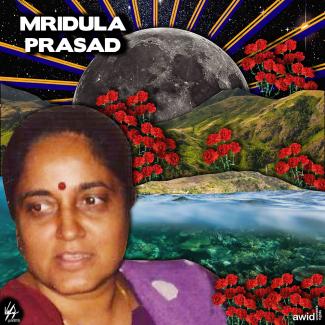
Mridula fue una firme promotora de la salud de las mujeres en una época en la que el tema de la salud sexual y reproductiva de las mujeres se consideraba tabú en Fiji.
Mridula orientó los primeros trabajos del movimiento por los derechos de las mujeres en Fiji sobre derechos sexuales y reproductivos y, en septiembre de 1999, el Fondo de Población de las Naciones Unidas le otorgó un premio regional sobre salud y derechos reproductivos. Fue una activista férrea, comprometida e incansable y apasionada por la salud y el empoderamiento de las mujeres.
Fue una valiosa integrante del movimiento de mujeres y del movimiento feminista de Fiji y sus aportes se recordarán por siempre. Falleció en 2017 por causas naturales.
На данный момент опрос в KOBO доступен на арабском, английском, французском, португальском, русском и испанском языках. В начале опроса у вас будет возможность выбрать нужный вам язык.
Presentación de la muestra.
Por Alejandra Laprea
Que difícil condensar la potencia y diversidad de voces que se levantan en América Latina para contar las otras realidades que se gestan en este vasto territorio, las realidades feministas que construimos desde el movimiento y las organizaciones populares.
Por mucho tiempo traté de establecer parámetros para la búsqueda y selección de esas películas que les permitieran a ustedes asomarse un poco a tantos sueños y proyectos que se materializan de a poco en los territorios Nuestroamericanos, como nos gusta llamarnos. Fue un trabajo arduo que pasó por intentar establecer parámetros como presencia geográfica, justicia lingüística, representación de la diversidad de pueblos: indios, afrodescendientes, migrantes y la multiplicidad de banderas y luchas que se levantan desde todas esas voces. Llegué a la conclusión de que construir ese compilado era un trabajo de años, uno de esos proyectos de perpetua construcción.
Para esta muestra me incliné por buscar trabajos que nacieran de la organización y de la militancia así como realizaciones que son quizá las iniciadoras de grandes debates que aún nos quedan por dar.
En esta selección de películas encontrarán las voces de realizadoras que no solo se contentan con plasmar las realidades feministas que palpitan en cada rincón de este vasto y diverso territorio sino también trabajos que desde su gestación misma están cuestionando el para qué, quién y cómo se hace cine o audiovisual. Que entienden al cine como una herramienta de lucha, como algo más que imágenes que se disfrutan en una pantalla. Realizadoras o colectivos de realización que ven al cine y al audiovisual como instrumentos para potenciar una discusión o abrir un debate; en fin, como un recurso para la pedagogía popular y feminista.
Es así que esta pequeña muestra es un viaje por realidades feministas en dos niveles; por un lado el de las historias que verán y por otro el de las cineastas que están buscando, experimentando, creando otras realidades feministas en las formas de hacer audiovisual y de contar las historias.
Disfruten este viaje por películas que Resisten, Crean y Transforman.
Lima is Burning
Dirección: Giovana García Soto
Docu-ficción
Español con subtítulos Inglés
En Lima is Burning tenemos un trabajo que juega con la ficción y el documental para introducirnos en la vida de Gía, una persona de género no binario, que utiliza el arte del performance como herramienta de transgresión y denuncia, como un manifiesto vital contra la transfobia en todos los espacios. incluso en ámbitos gays. Con Gia también nos asomamos al transfeminismo una comunidad segura en la que Gia se siente acogida y con la que comparte sentires y querencias.
Giovana Garcia Sojo joven Productora visual/audiovisual peruana. Especializada en producción de bajo presupuesto, creación para infancias y adolescencias en la cinematografía y guión cinematográfico por la Escuela Internacional de Cine y Tv – EICTV en San Antonio de Baños – Cuba. Giovana ha desarrollado su desarrollo como cineasta en las mujeres y las identidades feminizadas, Lima is Burning es uno de sus primeros trabajos
Yo, Imposible
Dirección Patricia Ortega
Ficción
Títulos en Inglés
Patricia Ortega, directora de «Yo Imposible», explora a través de Ariel — una joven cuya intersexualidad fue violentada quirúrgicamente cuando niñe — las múltiples formas en que se intenta normalizar la diversidad sexual y de género.
La película nos narra cómo Ariel descubre que nació intersexual y que fue sometida a varias cirugías de normalización de sus genitales. Este descubrimiento enfrenta al personaje al redescubrimiento de su cuerpo y la reconstrucción de su identidad y a quienes miramos el film al cuestionamiento de una sociedad dominada por la heteronormatividad que invisibiliza a otres y les condena a la infelicidad.
Patricia Ortega, cineasta venezolana residenciada en Argentina, estudió en la Escuela Internacional de Cine y Televisión de Cuba, especializándose en dirección de cine. Patricia aborda desde la ficción situaciones límites por las que pasan las mujeres o los cuerpos feminizados y cómo se sobreponen a ellas.
«Yo Imposible» es una postura ante la concepción de un mundo concebido solo desde lo masculino y lo femenino que hace invisible a otres. «No están enfermos. Solo son genéticamente diferentes. Se les intervienen sus genitales y sus cuerpos a través de hormonas sin pedirles permiso, siendo una violación a los derechos humanos y a su identidad, buscando que encajen en los cánones establecidos». - Patricia Ortega
Cubanas, mujeres en revolución
Dirección: Maria Torrellas Liebana
Documental
Títulos en inglés
María Torrellas nos narra la revolución cubana a través de las mujeres que le dieron vida: Vilma Espín, Celia Sánchez y Haydee Santamaría, entre otras. Pero contar la revolución cubana para las mujeres no puede quedar solo en el pasado, es una lucha cotidiana que Torrellas muestra a través de las voces de campesinas, profesionales, estudiantes y obreras cubanas del presente. En «Cubanas, mujeres en revolución» encontramos los retos actuales de las cubanas frente a prejuicios que perduran, nuevas formas de violencia y el desafío constante por crear nuevas realidades feministas para ellas y quienes vienen después de ellas en un territorio asediado desde hace más de setenta años por el imperialismo norteamericano.
Maíia Torrellas
María Torrellas es comunicadora y documentalista. Cuenta con una larga trayectoria fílmica y ha obtenido, entre otros, el premio Santiago Álvarez in Memoriam por su documental «Memoria de una hija de Oshun».
«En el documental he querido hilvanar las luchas de las heroínas de ayer con las mujeres actuales. Son historias contadas por ellas mismas en las que también describen a aquellas luchadoras que más admiran. Me impresionó escuchar de ellas: ‘La Revolución nos ha dado todo’ o ‘¿Qué sería de mi familia sin la Revolución?’, en la voz de compañeras de origen humilde, campesino o negras». - María Torrellas
Serie documental Cuidanderas
Gabriela Arnal y Marzel Ávila para Fondo de Acción Urgente - LAC
Ecuador 2019
Títulos en Inglés
CUIDANDERAS, junta las palabras ‘cuidar’ y ‘curanderas’ es una síntesis de lo que son una serie de mujeres en Latinoamérica en sus territorios: mujeres que ponen el cuerpo y toda su energía para la protección de los Comunes, de lo que nos ofrece la Pachamama con el compromiso de que lo usemos tan sabiamente como el resto de los seres vivos. Esta mini serie de documentales nos presenta las historias de tres colectivos de mujeres latinoamericanas, comprometidas con cuidar sus territorios, curar sus cuerpos y enfrentar los modelos extractivistas y racistas en Ecuador, Colombia y Bolivia.
GUARDIANAS DE LA AMAZONÍA
Provincia de Orellana, Ecuador. Las mujeres Waorani sostienen hace siglos una lucha por su territorio amazónico y por la preservación de su cultura indígena. En la actualidad hacen frente a las amenazas de la industria petrolera y su modelo de producción de muerte. Desde la selva, líderes pertenecientes a la Asociación de Mujeres Waorani de la Amazonía Ecuatoriana (AMWAE), relatan la motivación detrás de su resistencia y muestran su más grande poder: su alegría inagotable.
COMADRES DEL PACÍFICO COLOMBIANO
Buenaventura, Colombia. En el puerto más grande y violento de Colombia, azotado por décadas de conflicto armado, racismo y machismo, un grupo de mujeres se niegan a sucumbir ante el miedo y resisten a pesar de las adversidades. La Red Mariposas de Alas Nuevas reúne a mujeres negras de la costa pacífica colombiana, que trabajan juntas para proteger su territorio, recuperar sus tradiciones ancestrales y sanar las heridas de esta violencia sistemática y estructural.
HERMANAS DEL ALTIPLANO
El cuidado y la protección del cuerpo-tierra-territorio es el llamado de indígenas, campesinas y regantes (encargadas del riego de agua) en Bolivia frente a un modelo extractivo que atenta contra sus vidas, su salud, su integridad física y sexual, la pervivencia de sus comunidades y territorios. La Red de Defensoras de la Madre Tierra ha reunido mujeres de 12 comunidades originarias para defender el derecho al agua y denunciar las violaciones de derechos humanos y derechos de la naturaleza por parte de las empresas extractivas, a la vez que recuperan sus saberes y prácticas ancestrales de cuidado colectivo.
«CUIDANDERAS, una palabra que junta “cuidadoras” y “curanderas”, presenta historias de mujeres defensoras latinoamericanas, dedicadas a cuidar sus territorios y curar sus cuerpos. La fuerza colectiva de estas mujeres, ha cambiado la historia de sus comunidades en Ecuador, Colombia y Bolivia, enfrentadas a modelos extractivistas y racistas.»
Yo aborto, tú abortas, todxs callamos
Dirección Carolina Reynoso
Argentina 2013
Español
Si algo ha marcado las luchas feministas en América latina es el grito de todo el continente por aborto libre, seguro y gratuito. De norte a sur los movimientos feministas se levantan y toman las calles luchando por la liberación de nuestro primer territorio: nuestros cuerpos. Es así que tener en esta muestra un documental sobre el aborto es indispensable para entender la potencia de las mujeres nuestramericanas.
«Yo aborto, Tu Abortas, Todxs Callamos» nos presenta las historias de siete mujeres, incluída la directora del documental, provenientes de distintas clases socioculturales que reflexionan sobre una problemática que todas vivieron en sus cuerpos: el aborto clandestino.
A través de sus testimonios se intenta derribar mitos en relación a la interrupción voluntaria del embarazo, desestigmatizar el tema y renovar la mirada sobre una de las violencias más cotidianas en las Américas.
Carolina Reynoso
Directora, investigadora y productora de cine feminista. A su vez, es militante feminista, realiza talleres de creación de guión con perspectiva de género para generar mas películas que muestren otras realidades e historias contrahegemónicas. Carolina Reynoso conjuga equilibradamente militancia y creación en cada una de sus obras.
«Somos un grupo de realizadorxs audiovisuales que realizamos un documental para seguir luchando por lograr que el aborto sea libre, seguro y gratuito en Argentina. El film trata sobre los testimonios de siete mujeres, incluida la directora del documental, provenientes de distintas clases socioculturales que reflexionan sobre una problemática que todas vivieron en sus cuerpos: el aborto clandestino.» El equipo de realización
Historias Urgentes: Resistencia en ollas Comunes
Nosotras Audiovisuales, colectiva de cineastas chilenas
Chile 2020
Enlace al micro documental:
Español
«Historias Urgentes» es una serie creada por mujeres para visibilizar necesidades y vivencias de importancia para la población de los territorios que conforman el Chile actual. Esta serie audiovisual nace para mantener viva la llama que encendió la revuelta social en octubre de 2019 del Chile diverso que despertó y dijo basta.
«Resistencia en ollas comunes» es la primera de estas “«Historias Urgentes» y nos muestra desde las voces de cuatro mujeres de Iquique, Valparaíso, Chillán y Santiago cómo desde los cuidados están en la primera línea de resistencia creando otras realidades feministas para ellas y las comunidades donde habitan las mujeres latinoamericanas.
Nosotras audiovisuales
Organización que surge en el 2017 y agrupa a mujeres vinculadas al audiovisual chileno desde la necesidad de conectar a las mujeres que trabajan en el mundo audiovisual. Es así que impulsa redes de trabajo, espacios de colaboración e información para mujeres del audiovisual, sus trabajos y puntos de vista sobre el campo laboral .
Nosotras Audiovisuales se suma a la revuelta en Chile desde el registro y la generación de materiales de creación colectiva.
Se trata de Mujeres
Micol Metzner
Argentina 2019
Castellano
A partir de su experiencia personal la directora Micol Metzner presenta un trabajo que mezcla el documental y la ficción, con su voz como realizadora comprometida con la de miles de mujeres que son víctimas de la trata en el continente y finalmente muestra cómo la solidaridad entre las mujeres es la mejor protección.
Micol Metzner
Realizadora audiovisual, formada en el Instituto de Arte Cinematográfico de Avellaneda. Directora de Arte y montajista. Forma parte del Cluster audiovisual de la Ciudad de Buenos Aires, espacio comunitario y cooperativo multisectorial para llevar a cabo proyectos independientes.
Es docente de talleres de cine en barrios y dentro de contextos de encierro (Institutos de menores y cárceles de mujeres). Forma parte de la productora audiovisual MVM.
«La productora MVM nació de esa importancia de poder expresar un montón de cosas que habitualmente manifestamos en las calles y también poder hacerlo de una manera creativa desde el dibujo, el audiovisual, la fotografía. La productora MVM es un lugar de investigación del lenguaje, lo gráfico, el audiovisual desde el feminismo. Es también un lugar para la catarsis de todo lo que vivimos y para generar a partir del arte cosas a veces para sanar, a veces para generar espacios para el debate como sucede con el corto. .. No me imaginé que iba a suceder eso, pero cuando se presenta el corto salen un montón de cosas, se generan charlas que son mucho más enriquecedoras que el corto en sí, entonces que eso pueda provocarse a partir de lo que realizamos está buenísimo...» - Micol Metzner
Síguenos en las redes sociales para recibir noticias sobre futuros eventos y proyecciones:
En rejoignant l’AWID, vous intégrez l’organisation féministe mondiale, un pouvoir collectif qui se fonde sur la solidarité et puise ses racines dans le travail entre les mouvements.
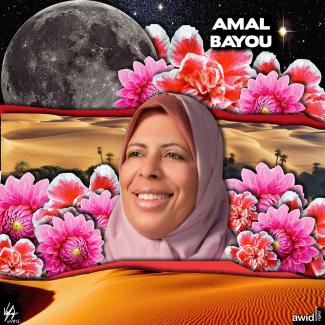
Amal était une femme politique et une parlementaire de premier plan en Libye.
Membre du corps professoral de l'Université de Benghazi de 1995 jusqu’à sa mort en 2017, elle militait par ailleurs au sein de la société civile et était membre de diverses initiatives sociales et politiques. Elle a aidé les familles des martyrs et des disparus et a été l'une des membres fondateurs-trices d'une initiative de jeunesse intitulée « Jeunesse de Benghazi en Libye ».
Lors des élections législatives de 2014, Amal avait été élue à la Chambre des représentants avec plus de 14 000 voix (le plus grand nombre de voix jamais obtenues aux élections de 2014). Amal restera dans les mémoires de beaucoup comme une femme politique qui a œuvré pour assurer un avenir meilleur dans l'un des contextes les plus difficiles et les plus conflictuels de la région.
Devo fazer alguma preparação para responder ao inquérito?
Tendo em conta que o inquérito WITM foca-se nas realidades do financiamento de organizações feministas, a maioria das perguntas aborda o tópico do financiamento do seu grupo entre 2021-2023. Será preciso ter essas informações facilmente acessíveis para preencher o inquérito (por exemplo, os seus orçamentos anuais e as principais fontes de financiamento).
Ika Vantiani
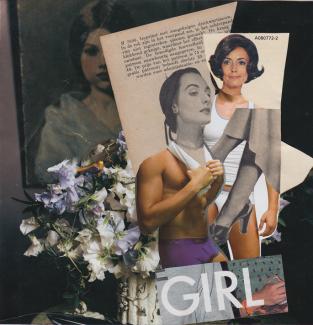
Bunga-Transgirl are girl (Les filles-Bunga trans sont des filles) collage Analog, 2020
Bunga ou fleur en francais est un symbole qui est souvent associé aux femmes en Indonésie. Ce qui signifie qu'une fleur peut également être associée aux femmes transgenres. Parce que les femmes transgenres sont des femmes. Aussi belles, aussi fortes, l’une comme l’autre a vécu sans attendre d'être "cueillie", mais en grandissant, en s'épanouissant et en mourant à sa guise. Cette œuvre est un hommage à mes ami·e·s transgenres à l'occasion de la Journée Internationale de la Visibilité des Personnes Transgenres.
À propos d’Ika Vantiani
Ika Vantiani est une artiste, conservatrice et créatrice indonésienne basée à Jakarta. Ses œuvres explorent l'idée d'être une femme dans la société d'aujourd'hui où médias et consommation sont inextricablement liés. Ika utilise le principe du collage et l'étend à des ateliers, des installations et au street art. Ika est membre de collectifs d'artistes dont Micro Galleries, The Collage Club et It's In Your Hands Collective.
Snippet FEA Sopo Japaridze Quote (EN)
"We know everything is against us and there is very little chance to change that. But we believe in intervention and I do think we have a chance and should use it. That’s why we're doing everything we're doing. We're willing to push for things that are unheard of."
Engage with the AWID International Forum - a major global feminist gathering - and have access to special AWID member discounts and enty points for virtual dialogue. Co-created by feminist movements, the Forum is a unique space for deep discussion and imagination where we challenge and strengthen our organizing, where we connect our struggles and feminist realities together.
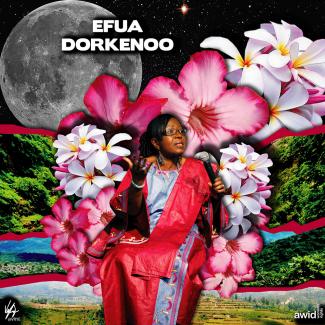
Affectionately known as “Mama Efua”, her work to end Female Genital Mutilation (FGM) movement spanned three decades and helped bring international attention and action to end this harmful practice.
In 1983 Efua co-founded FORWARD (The Foundation for Women’s Health, Research and Development), which became a leading organisation in the battle to raise awareness about FGM. Her 1994 book, “Cutting the Rose: Female Genital Mutilation,” is considered the first on FGM and, featured in Columbia University’s “Africa’s 100 Best Books for the 20th Century”.
Originally from Ghana and a nurse by training, Efua joined the WHO in 1995 and successfully pushed for FGM to go on the agendas of WHO member states. She also worked closely with the Nigerian government in formulating a comprehensive National Policy that laid the groundwork for Nigeria’s anti-FGM laws, still in place today.
Her ground breaking work culminated in an Africa-led campaign, “The Girl Generation,” which is committed to ending FGM within a generation. Efua demonstrated how one person can become the unifying voice for a movement, and her wise words - “shared identity can help bring activists from different backgrounds together with a common sense of purpose” – are more relevant than ever.