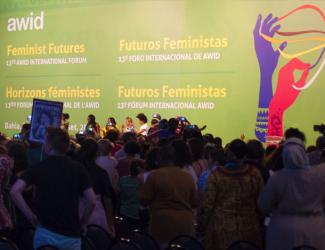
In September 2016, the 13th AWID international Forum brought together in Brazil over 1800 feminists and women’s rights advocates in a spirit of resistance and resilience.
This section highlights the gains, learnings and resources that came out of our rich conversations. We invite you to explore, share and comment!
What has happened since 2016?
One of the key takeaways from the 2016 Forum was the need to broaden and deepen our cross-movement work to address rising fascisms, fundamentalisms, corporate greed and climate change.
With this in mind, we have been working with multiple allies to grow these seeds of resistance:
Movements can also benefit from new methodologies on Visioning Feminist Futures (Coming up soon!)
And through our next strategic plan and Forum process, we are committed to keep developing ideas and deepen the learnings ignited at the 2016 Forum.
What happens now?
The world is a much different place than it was a year ago, and it will continue to change.
The next AWID Forum will take place in the Asia Pacific region (exact location and dates to be announced in 2018).
We look forward to you joining us!
About the AWID Forum
AWID Forums started in 1983, in Washington DC. Since then, the event has grown to become many things to many peoples: an iterative process of sharpening our analyses, vision and actions; a watershed moment that reinvigorates participants’ feminisms and energizes their organizing; and a political home for women human rights defenders to find sanctuary and solidarity.
Pour toute question supplémentaire, veuillez utiliser notre formulaire de contact. Nous continuerons d’actualiser ce document en fonction des questions que nous recevrons de votre part !
Нет, мы просим только один заполненный опрос от каждой группы.
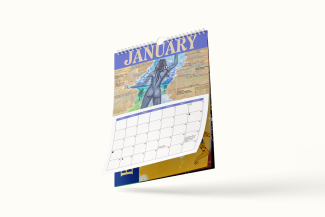
Le calendrier féministe de l'AWID 2026
Considérez ceci comme un cadeau, que nous vous faisons à vous, et aux 9 500 membres de notre communauté féministe mondiale. Un cadeau porteur d’espoir, de renouveau, d’action collective et de solidarité, en ces temps marqués par d’immenses injustices et violences.
Que ses récits vous rappellent qu’au-delà des frontières et des combats, nous sommes nombreux·ses, nous sommes puissant·es et, qu’ensemble, nous bâtissons les mondes que nous méritons.
Téléchargez-le ici, dans la langue de votre choix.
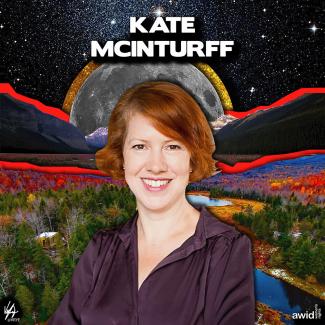
Desde su paso por Peacebuild hasta la Canadian Feminist Alliance for International Action [alianza feminista canadiense para la acción internacional], Amnistía Internacional y el Canadian Centre for Policy Alternatives (CCPA, centro canadiense para las alternativas políticas), Kate tuvo durante toda su vida una pasión por los derechos de las mujeres y la igualdad de género y dedicó su carrera a luchar contra la desigualdad y a hacer del mundo un lugar más compasivo.
Fue integrante del Comité Coordinador de Social Watch [observatorio social] y colaboró con los informes del Observatorio Social Nacional canadiense. Como investigadora senior en el CCPA, Kate fue aclamada a nivel nacional por hacer la investigación, escribir y producir el informe anual «Los mejores y los peores lugares para ser mujer en Canadá».
Murió tranquilamente, rodeada de su familia, luego de una batalla de tres años con el cáncer de colon. Sus seres queridos la describen como «una feminista divertida, valiente y sin remordimientos».
CFA 2023 - Online and Hybrid - ES
Nuevo
Participación en línea e híbrida
Como participante en línea, puedes facilitar actividades, conectarte y conversar con otras personas, y experimentar de primera mano la creatividad, el arte y la celebración del Foro de AWID. Lxs participantes que se conecten en línea disfrutarán de un programa rico y diverso: desde talleres y conversaciones hasta actividades de sanación y espectáculos musicales. Algunas actividades estarán centradas en la conexión entre participantes en línea, y otras serán verdaderamente híbridas, centradas en la conexión y la interacción entre lxs participantes en línea y quienes estén en Bangkok.
Desde siempre el feminismo sostiene que lo personal es político. El Festival Crear, Resister, Transform generó espacios en los que el feminismo pudo discutir las cuestiones relativas al cuerpo, el género y las sexualidades, y analizar las interconexiones de estos asuntos entendidos como experiencias profundas del cuerpo y, a la vez, un terreno en los que los derechos están en constante disputa y riesgo en la sociedad.
El poder de los movimientos feministas radica en el modo de organizarnos y emprender acciones coordinadas, no solo en nuestras propias comunidades y movimientos, sino también con otras causas y grupos aliados por la justicia social. El espacio brindó la oportunidad de que los movimientos compartieran y reforzaran los procesos de organización y las estrategias tácticas de forma mutua.
La pandemia mundial sanitaria del COVID-19 ha puesto de manifiesto como nunca antes el fracaso del capitalismo neoliberal, expuesto las fallas de nuestros sistemas y acentuado la necesidad de construir nuevas realidades y las oportunidades para ello. Una recuperación económica y social feminista exige el trabajo conjunto. Esta edición, en alianza con Kohl: una publicación para la investigación sobre cuerpo y género, analizará soluciones, propuestas y realidades feministas para transformar nuestro mundo actual, nuestros cuerpos y nuestras sexualidades.
Posso realizar o inquérito fora do KOBO e partilhar as minhas respostas convosco por e-mail?
Somente no caso de problemas de acessibilidade e/ou se realizar o inquérito noutro idioma; caso contrário, encorajamo-lo a utilizar o KOBO para a recolha e análise padronizadas de dados do WITM.
Promoción de los derechos universales y la justicia
Arrancar de raíz los fascismos y los fundamentalismos
En todo el mundo lxs defensorxs feministas, por los derechos de las mujeres y por la justicia de género están enfrentándose a las agendas fascistas y fundamentalistas. Estas fuerzas opresivas atacan a las mujeres, a las personas que tienen una identidad o expresión de género y/u orientación sexual no convencional y a otras comunidades oprimidas.
Las ideologías discriminatorias están socavando y cooptando nuestros sistemas y estándares de derechos humanos, para convertirlos en dominio de unxs pocxs.. Por esto, la iniciativa Promoción de los Derechos Universales y la Justicia (PDUJ) promueve la universalidad de los derechos, el principio fundante según el cual los derechos humanos les pertenecen a todxs sin excepción, sin importar quién sean.
Creamos un espacio para que los movimientos feministas, de derechos de las mujeres y de justicia de género y sus aliadxs puedan reconocer la influencia y el impacto de lxs actorxs anti-derechos., pensar estrategias y realizar acciones colectivas para contrarrestarlos También buscamos promover los derechos de las mujeres y los marcos, las normas y las propuestas feministas así como proteger y promover la universalidad de los derechos.
Nuestras acciones
A través de esta iniciativa, nosotrxs:
Construimos conocimiento: Apoyamos a los movimientos feministas, de derechos de las mujeres y de justicia de género difundiendo y divulgando conocimiento y mensajes clave sobre lxs actorxs anti-derechos, sus estrategias y el impacto que tienen sobre los sistemas internacionales de derechos humanos a través del liderazgo de AWID en el Observatorio sobre la Universalidad de los Derechos (OURs)*.
Promovemos agendas feministas: Nos aliamos con diversos actores en espacios internacionales de derechos humanos, incluyendo el Consejo de Derechos Humanos, la Comisión sobre Población y Desarrollo, la Comisión sobre la Condición Social y Jurídica de las Mujeres y la Asamblea General de la ONU. .
Generamos y amplificamos alternativas: Junto con nuestra membresía, buscamos que los movimientos que se organizan a nivel local, nacional y regional en distintos espacios conozcan y exijan que se apliquen los compromisos, resoluciones y normas internacionales.
Movilizamos la acción solidaria: Actuamos junto a las defensoras de derechos humanos, incluyendo a activistas trans e intersex, así como a lxs jóvenes feministas, para enfrentar los fundamentalismos y fascismos y para llamar la atención sobre situaciones de peligro.
Related Content
Love letter to Feminist Movements #8
Dearest Beloved Feminist Movements,
Hello again, and again, and again. I have known and loved you my entire adult life, since I first met you meaningfully, after graduating from university. I’d seen you one time before then. That was you appearing as Betty Friedan on a local TV talk show in the US Midwest, in the late-1960s. At the time, Mrs. Wells, my other mother, and I commented on what wild, far-fetched ideas this woman was trying to convince us about. Decade after decade since then I have fallen more deeply in love with you, Beloved, and understand and witness your political and theoretical brilliance, ethical and moral authority, creativity, joy, and love, above all. Nearly 60 years later, I know we are partners forever.
The early years of our acquaintanceship was ok. I was quite self-involved--figuring racial, gender, and sexual identity; getting clear on my core politics, values, and ethics; completing my formal education--and you provided numerous settings, intellectual drop-in centers, and comforting holding environments where and through which I was able to craft the young-adult building blocks of the feminist and human being whom I would become.
The predominantly white women’s movement of Cambridge and Boston, including Daughters of Bilitis, was my starting place. That suited me at the time but soon realized I desired something more. Poof! Like magic (serendipity), I connected with a small group of radical, anti-imperialist, Black, socialist lesbian women and we soon became the Combahee River Collective.
That early Combahee experience, combined with critical life lessons and particular African-American/Korean immigrant racial politics of early-1990s in the US, prepared me for the journey that has led me to identify and work as a transnational feminist to address militarism and to dedicate myself to imagining other worlds where all living beings will thrive.
The next two critical women’s-movement moments were decades after Combahee years but deeply linked. First was meeting and being invited into the Korean feminist movement organizing against US military bases and supporting the “kijichon women” the Korean women whose lives, including for some, their mixed-race children, revolved around servicing US military personnel in numerous ways in villages and towns adjacent to the bases. Korean Beloved Feminists, especially Kim Yon-Ja and Ahn Il-Soon, the first sisters I met and traveled with, made me see and understand the critical importance of nation as an analytical and organizing principle. The “capstone” was living, working in occupied Palestine. The late Maha Abu-Dayyeh introduced me to the Palestinian women’s movement, with a profound comment, “you can leave Palestine but Palestine will never leave you.” So true. And, all my work and experiences across many borders brought me to AWID--my second home.
As you know, Beloved, being with you has not been easy or simple. Indeed, you are demanding, consistently riddled with contradictions, and sometimes even hurtful. Nonetheless, you continue to grow and develop, as you are supporting my political, emotional, and spiritual growth and development. I guess we are growing each other--a very profound process to which I will dedicate the rest of my time in my current form.
The through-line of being with you all these decades is this:
Feminists Collectively Engaging the Heads, Hearts, Hands, and Spirits to transform our worlds
So much love, Feminist Movements!
Your Margo
AKA DJ MOR Love and Joy
Wellfleet Massachusetts USA
AWID Privacy Policy, Your rights to privacy and cookies
This policy governs all pages hosted at www.awid.org, and any other websites under the control of the AWID (the “Website”) and registrations for these sites. It does not apply to pages hosted by organisations other than AWID, to which we may link and whose privacy policies may differ. Please read the following policy to understand our privacy policy regarding nature, purpose, using and sharing of your personal identifiable information that is collected via this website.
1. Types of information collected on this site
Generally, you can browse this website without submitting your personal information to us. However, in some circumstances, we will ask for your personal information.
1.1 Information you provide to us
When you are on the website and are asked for personal information, you are sharing that information only with AWID.
1.1.1 The information you provide to get updates from AWID:
When you register to use the website – for example, subscribe to receive emails from us or apply to become a member - you provide us with the mandatory information about you like Name, country, language to receive email updates and email address. This information is provided by you through secure forms and is stored on secure servers.
1.1.2 The payment information you provide to become member or registering for a paid event:
Also, while becoming a member or registering for events, you may need to provide payment information. AWID doesn’t store any credit card information on its servers and uses payment gateway to process the payment information.
1.1.3 The optional information you chose to give us as AWID member (with consent)
When you communicate with AWID, provide optional information through forms on the website or use the site to communicate with other members, we collect information about your communication and any information you choose to provide.
1.1.4 Information you provide us through contact forms or when you directly communicate with us
When you communicate with us, we collect your communication and any other information you choose to provide us.
1.2 Information that is automatically collected (third party cookies)
In addition, when you interact with the Website, our servers may keep an activity log that does not identify you individually (“Non-Personal Information”). Generally, we collect the following categories of Non-Personal Information:
We may collect certain demographic data such as age and gender as part of collecting personal information;
We collect and store certain device information about your computer, mobile device, or other device that you use to access the Website. This information may include IP address, geolocation information, unique device identifiers, browser type, browser language, and other transactional information;
We automatically log certain usage information about your use of the Website. This information includes a reading history of the pages you view. We use this information to provide you with a more customized experience on the Website;
We collect and store additional “traffic data” such as time of access, date of access, software crash reports, session identification number, access times, and referring website addresses; and
We collect and store your search terms and search results.
We also collect and store certain other information regarding our users’ use of the Website so that third parties may provide us with reports and analysis regarding usage and browsing patterns of the Website.
If you do not wish to receive cookies you can easily modify your web browser to refuse cookies, or to notify you when you receive a new cookie, see how here.
2. Use of information collected on this website
AWID uses the information we collect about you to:
Better understand how you are using our website and what we could do to improve your experience.
Communicate with you via email to share resources and analysis in the field of women's rights, connect with you and provide opportunities to engage with our work, keep you updated about developments at AWID and with our partners.
Comply with our legal obligations to:
Detect and prevent fraud, spam, abuse, security incidents, and other harmful activity.
Conduct security investigations and risk assessments.
Verify or authenticate information provided by you (such as to verify your authorization to act as an agent on behalf of a nonprofit organization).
Conduct checks against databases and other information sources, to the extent permitted by applicable laws.
Resolve any disputes with any of our users or customers and enforce our agreements with third parties.
If you have subscribed to AWID´s e-newsletters or email updates or you have become a member, we will send you regular communications as specified in the relevant area of the website. You are able to unsubscribe from any of the e-newsletters or email updates at any time by using the unsubscribe information provided in our emails.
4. Accessing, changing and removing information
The accuracy of your individual identifying information is important to AWID. We are always looking for ways to make it easier for you to review and correct the information that AWID maintains about you through our website. If you change your email address, or if any of the other information we hold is inaccurate or out of date, please write to us here.
Where you have provided AWID with consent to use your personal data, you can withdraw it any time by sending us a communication and specifying which consent you are withdrawing. Please note that the withdrawal of your consent does not affect the lawfulness of any processing activities based on such consent before its withdrawal.
Where applicable, you may also have a right to receive a machine-readable copy of your personal data. If you would like to have a copy of the personal data we hold on you or if you think that we hold incorrect personal data about you, please write to us.
You also have the right to ask us to delete your personal data or restrict how it is used. There may be exceptions to the right to erasure for specific legal reasons which, if applicable, we will set out for you in response to your request.
At any time, regardless of applicable law, you may object to us processing your personal information for direct marketing purposes. You may, at any time, ask AWID to cease processing your data for these direct marketing purposes by Contacting Us.
5. Sharing information
Except as explained below, AWID will not disclose any of your personally identifiable information, and will not sell or rent lists containing your information to third parties. AWID may disclose information when it has your permission to do so or under special circumstances, such as when it believes in good faith that the law requires it.
6. Information security
We are continuously implementing and updating administrative, technical, and physical security measures to help protect your information against unauthorized access, loss, destruction, or alteration. Some of the safeguards we use to protect your information are firewalls and data encryption, and information access controls. If you know or have reason to believe that your AWID membership credentials have been lost, stolen, misappropriated, or otherwise compromised or in case of any actual or suspected unauthorized use of your AWID membership account, please contact us through on Contact Us.
7. Changes to this policy & Contacting us
This policy may change from time to time. The changed policy will be posted on this website and Last updated date at the end of the policy will be updated. There will be an email update sent to you for the revised policy and if you do not agree with the revised policy, you will have the option to cancel you registration(s) with us. You can also write to us here. We welcome your feedback!
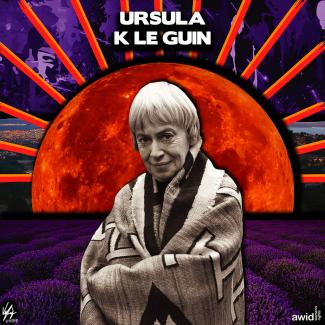
Ursula was an American novelist who worked mainly in the genres of fantasy and science fiction.
She found fame with The Left Hand Of Darkness, which imagines a future society where people are ambisexual – they have no fixed sex. It explores the effects of gender and sex in society, and was one of the first major feminist science fiction books. Ursula was inspiring in her subversive and original writing, and also for the themes of feminism and freedom she held so dearly.
In a 1983 address at Mills College in California, she told graduates: “Why should a free woman with a college education either fight Macho-man or serve him? Why should she live her life on his terms? I hope you live without the need to dominate, and without the need to be dominated.”
What criteria are you using to select the activities?
Please refer to the Call for Activities for this information, including the section “What you need to know”.
Kagendo is remembered fondly by family and friends as a fierce African feminist activist, artist, and filmmaker.
She dedicated over 20 years to advocate for the rights and dignity of African LGBTIQ and gender non conforming people.
Kagendo’s colleagues remember her as someone with a jovial personality, fierce conviction, and love for life. Kagendo died due to natural causes at her home in Harlem on December 27th, 2017.
On Kagendo’s passing Kenyan writer and activist Shailja Patel noted “Kagendo's lifelong commitment to connecting the dots between all oppressions, showing how colonialism fostered homophobia on the African continent, making Kenya a country where queer Kenyans and free women could live and thrive.”
متى وأين سيكون المنتدى؟
2-5 ديسمبر 2024، بانكوك، تايلاند! سنجتمع في مركز الملكة سيريكيت الوطني للمؤتمرات (QSNCC) وكذلك افتراضيا عبر
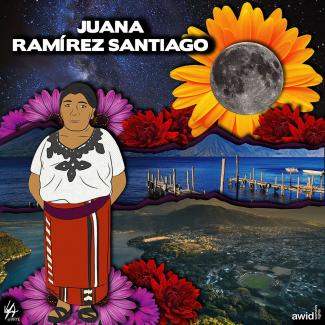
Juana was one of the founders and current Board Member of Red de Mujeres Ixiles de Nebaj, an Indigenous women’s rights organization that is a member of the Mesoamerican Initiative of WHRDs (IM-Defensoras).
She was also a midwife and a mother of 7 children. Juana had received death threats that were reported to the Prosecutor’s office. Juana is the third Indigenous WHRD murdered in the area during 2018. The Guatemala Ombudsman reports that a total of 20 HRDs were killed in the country this year.
Juana Ramírez Santiago was shot dead by unidentified attackers while crossing a bridge in Nebak, Quiché, Guatemala. Investigations to identify the perpetrators are ongoing.
ويخطط عدد من الأشخاص من منظمتي لحضور المنتدى. هل يوجد خصم جماعي للمنتدى؟
لا تقدم جمعية حقوق المرأة في التنمية خصومات جماعية، ولكننا نقدم خصومات التسجيل للأعضاء/ العضوات. (انقر هنا لمعرفة المزيد عن كيفية الانضمام)
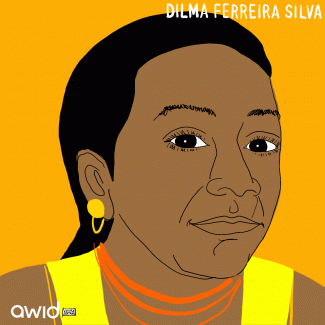
Dilma Ferreira Silva was a leading Amazonian rights activist who fought for decades for the rights of people affected by dams.
She herself was among the 32,000 people displaced by the Tucuruí, a mega-hydroelectric power plant, built in Brazil during the 1964-1985 military dictatorship.
In 2005 Dilma was invited to join the Movement of Dam-Affected Peoples in Brazil (MAB), and in 2006 she formed the women’s collective, eventually becoming regional coordinator of the movement.
In speaking about her activism, her colleagues commented:
“She stood out very fast because she was always very fearless in the struggle.”
Dilma lived in the rural settlement of Salvador Allende,50 kilometers from Tucuruí, and dedicated her life to better protect communities and the land affected by the construction of mega projects. She was especially concerned with the gendered impacts of such projects and advocated for women’s rights.
At a national MAB meeting in 2011, Dilma spoke to women affected by the dams, saying:
“We are the real Marias, warriors, fighters who are there, facing the challenge of daily struggle”.
In the following years, Dilma organized grassroots MAD groups and worked with the community to form farming cooperatives that created a better distribution of food for the community. They improved the commercialization of fishing, and developed a cistern project for safe drinking water. She was also an advocate for farmers whose lands were being coveted by ‘grileiros’ (land grabbers).
On 22nd March 2019, at the age of 48, Dilma, her husband and their friend were all brutally murdered. The three killings came as part of a wave of violence in the Amazon against the Movimento dos Trabalhadores Sem Terra (translates as ‘landless workers’ movement’), environmental and indigenous activists.
ما هي المعايير اختيار الأنشطة؟
يرجى الرجوع إلى فتح باب التقديم للحصول على هذه المعلومات، بما في ذلك قسم "ما تحتاج/ين إلى معرفته".
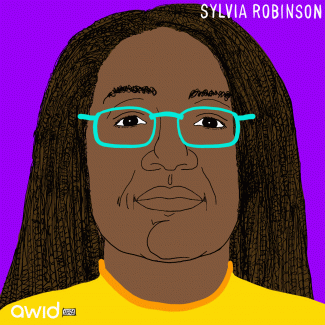
"Life is...about living in joy - waking up with purpose, feeling our creative energy, answering your calling." - Sylvia Robinson
Sylvia Robinson, a tireless community organizer and leader, was the founder and Executive Director of The Emergence Community Arts Collective (ECAC) in Washington DC.
This hub and performance space combine education, civic engagement, arts, social and spiritual services, and sustainable environmental practices. Sylvia envisioned it as a home where “there was a balance and synergy with the activities that people needed in order to sustain life.”
She was also one of the founding members of the Georgia Avenue Community Development Taskforce, a neighborhood group that works on social justice and organizing in Northwest DC to make sure the community has a voice in redevelopment and gentrification in the area.
“We're asking for affordable housing. We're asking that the small businesses that have been here for a long time don't get wiped out by new retail. We're asking for green space and space for people to get together to socialize. We're asking for streetscape improvements—better roads and lighting in the corridor.” - Sylvia Robinson about the Taskforce
Prior to becoming an organizer and after receiving a degree in computer science, Sylvia worked in air traffic control systems for over a decade. She then moved into drug and alcohol counselling, becoming increasingly engaged in community work.
“It was my call to be involved in community.” - Sylvia Robinson
Born in Washington D.C. on 14 August 1961, Sylvia passed away on 18 September 2017 after a battle with cancer.
“Sylvia's spirit and legacy will continue to inspire this community for many years to come.” - ECAC
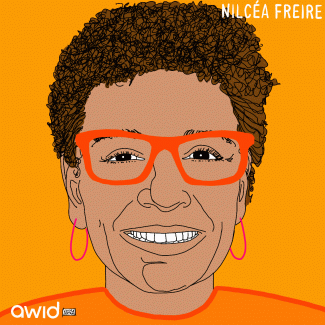
Nilcéa Freire was a Brazilian feminist activist, politician and academic. A persevering advocate for women’s rights and those of underrepresented minorities in the country, her life and work carried a long history of struggles and victories.
"While resisting we have to keep pushing for progress, and what we can achieve at this time, in my view, will be through the stupendous organization of young white women, and especially black women, in all of the state capitals and large cities of Brazil." - Nilcéa Freire
In 1999 she became the first woman to occupy the position of Dean at the State University of Rio de Janeiro. Here, she spearheaded the implementation of the first affirmative action policy for students graduating from public schools, requiring reserved places specifically for low-income black students in a public university. This system was adopted in dozens of other public universities.
Some years later, Nilcéa headed the Special Secretariat of Policies for Women in the government of former president Luiz Inácio Lula da Silva. In this capacity, she led the first National Women’s Conference. Over 12,000 women from across the country participated and the result of this collective work was embodied in the National Plan for Policies for Women.
Her commitment to women, Afro-Brazilians and indigenous peoples was also strongly reflected in her work to promote their rights through initiatives of the Brazil Ford Foundation office where she was a regional director.
The feminist activist Manoela Miklos recounted Nilcéa to be "a woman without equal".
At the age of 66, Nilcéa passed away in Rio de Janeiro on 29 December 2019 of cancer.
"Without words for the news of the death of dear Nilcea Freire. It is too sad to know that she left so early. She was always part of the ranks of those who do not settle for the injustices of the world. She was the Minister of Women, an activist, always active in the feminist cause. Much missed!” - Jandira Feghali, Federal Deputy
The survey is available in: Arabic, English, French, Portuguese, Russian and Spanish!
Who should participate in the survey?
Groups, organizations and/or movements working specifically or primarily for women, girls, gender justice, LBTQI+ and allied people’s rights in all regions and at all levels, both newly formed and long-standing.
Madiha était une éminente professeure de sociologie qui s’est activement engagée auprès de la société civile en tant que défenseure des droits des femmes dans les pays arabes.
Elle a présidé l'Alliance pour les femmes arabes et a été membre du Comité sur la société civile et du Comité sur le développement du gouvernorat de Minia auprès du Conseil national pour les femmes. Elle a publié de nombreux articles qui ont éclairé et analysé les inégalités de genre et la discrimination à l'égard des femmes.
Ses collègues, étudiant-e-s et ami-e-s se souviennent d'elle avec tendresse.
CFA 2023 - Themes - ES
Temas
Apreciaremos propuestas de actividades referidas a todo el rango de áreas temáticas e intersecciones que son importantes para los movimientos feministas y por la justicia de género. En el formulario de propuesta podrás marcar más de un tema que se adecúe a tu actividad.
Cuerpos libres, espíritus libres: todo lo que que se relacione con la autonomía corporal, el género y la sexualidad, la salud y los derechos reproductivos, la libertad de vivir sin violencia de género, la libertad de vivir segurxs, el placer y la alegría en nuestros cuerpos diversos, identidades y comunidades, y mucho, mucho más.
Resistir frente a los antiderechos: tanto a nivel local como global, lxs feministas están liderando la resistencia frente a todas las formas de opresiones interseccionales, incluidos los fascismos, los fundamentalismos y los regímenes autoritarios; tenemos mucho para compartir y mucho sobre lo cual elaborar estrategias conjuntas.
Movimientos y organización: conozcamos nuestros respectivos movimientos. Desde el tránsito por los espacios de poder (internos y externos) hasta las estrategias de protección frente a la represión de las mujeres y las personas de género no normativo defensoras de los derechos humanos, desde el armado de alianzas hasta las formas creativas y exitosas de organización: aprendamos e inspirémonos recíprocamente.
Justicia económica y economías feministas: este tema abarca todos los esfuerzos feministas para transformar nuestras economías, desde el desafío de los modelos extractivistas dominantes y la defensa de los derechos laborales, hasta corporizar y vivir prácticas y alternativas económicas feministas en la vida cotidiana.
Financiar y dotar de recursos al activismo: obtener el financiamiento imprescindible constituye un desafío compartido para los movimientos de todo el mundo; estudiemos juntxs el ecosistema de financiamiento feminista, desde el análisis crítico hasta las experiencias de primera mano y las formas prácticas de financiar el trabajo feminista.
Clima, justicia ambiental, tierra y agua: la justicia ecológica y climática tiene profundas raíces en muchos de nuestros movimientos y comunidades; desde las tradiciones ancestrales hasta las visiones futuristas, desde los poblados ecológicos hasta las campañas para poner fin al extractivismo y acceder a la justicia, invitamos a abarcar un amplio rango de actividades sobre todos los aspectos de la justicia climática y ambiental.
Militarización, guerra y conflicto armado: nuestro objetivo es poner de relieve la organización, el análisis y las experiencias feministas que a menudo se encuentran en las primeras filas de la respuesta a las crisis, ayudando a sostener la vida, la comunidad y la justicia en los momentos más duros de guerra y conflicto prolongado.
Descolonización: la descolonización es central en todos y cada uno de nuestros temas y, sin embargo, también constituye, en sí misma, una agenda feminista clave de resistencia y construcción de mundo en muchas realidades coloniales y postcoloniales.
Realidades digitales y tecnología feminista: nos entusiasma esta oportunidad de celebrar las increíbles iniciativas feministas que transforman los mundos digitales, desafían las estructuras de poder de los gigantes tecnológicos y democratizan la tecnología, convirtiéndola en algo verdaderamente por y para la gente.
Justicia de sanación: existe una increíble diversidad de abordajes sobre el cuidado colectivo y la justicia de sanación. En todo el mundo, sanadorxs y movimientos están reivindicando la justicia de sanación como principio político, como conjunto de prácticas, como viaje de aprendizaje, como forma de vida y mucho más.
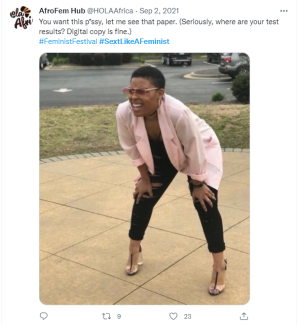
Sexting Like a Feminist: Humor in the Digital Feminist Revolution Snippet Small
Sexting como feminista:el humor en la revolución digital feminista
por Chinelo Onwualu
El 2 de septiembre de 2021 lxs increíbles activistas feministas y por la justicia social del festival Crear | Résister | Transform de AWID nos juntamos no solo para compartir estrategias, crear juntxs y transformar al mundo sino también para decir cosas sucias en Twitter.
هنالك 47 سؤال في الاستطلاع، منها 27 سؤال اجباري* والعشرين الباقين هي أسئلة اختيارية. أغلب الأسئلة هي أسئلة متعددة الخيارات. ندعوكم/ن للإجابة على جميع الأسئلة.
Mridula was a strong advocate for the advancement for women’s health at a time when the topic of women’s sexual and reproductive health were considered taboo in Fiji.
The initial works of the Fiji Women’s Rights Movement about sexual and reproductive rights were under her guidance, and in September 1999, the United Nations Population Fund presented her with a regional award for Reproductive Health and Rights. Mridula was a strong, dedicated and tireless campaigner who was passionate about women’s health and empowerment.
She was a valued member of the women’s and feminist movement in Fiji and her contributions will always be remembered. Mridula passed away due to natural causes in 2017.
Clone of CFA 2023 - Hybrid like never before: in person - ES
Híbrido como nunca antes
Por primera vez, el Foro de AWID ofrece tres modos de participación:
Participación presencial
Lxs participantes se reunirán en Bangkok, Tailandia. ¡No podemos esperar!