Land: A Common Good for Economic Development
“Land is an asset which needs to be carefully managed and handled for the benefit of current and future generations.” - WATED
In the Kola village of Kisarawe district in Eastern Tanzania, Women’s Action Towards Economic Development (WATED) managed to secure 15 acres of land in 2014. Many seeds of growth can be nurtured by this land, it can provide work, livelihood, sustainability, and knowledge. The organization envisions this growth in the form of a training center specifically focusing on issues of “women´s economic empowerment and to that effect land”.
"Our focus is on land because results received from monitoring land rights for women in Ulanga and Kisarawe informed us that women rely on land to sustain their families, but unfortunately many do not know their rights and how to facilitate them."
Rural women, roundtables, and land ambassadors
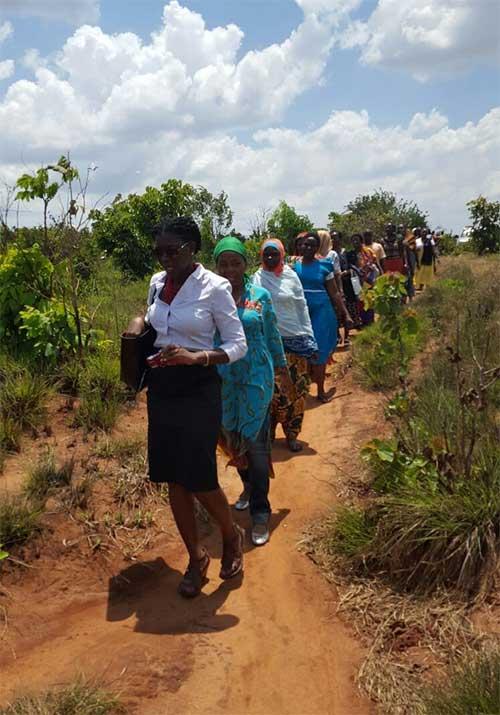
For the past few years, since their establishment at the end of 2013, WATED has been working closely with women in rural settings, as well as with the local government on issues concerning land rights and economic justice. Rural women are a focus group for the organization as the majority of them “are residing in rural communities and these are the areas that have been earmarked for the development sector.” This sector includes fields such as agriculture and mining for example, mining being one of the predominant industries in Tanzania with nine major mines.
WATED has created ‘Land Rights for Rural Women’, a training program, developed to give voice, and support women in ensuring their rights to own land, and to enhance their capacity on issues of land rights. With the program the organization also aims to start a working partnership with the government, as well as legal and interested partners, to ensure that women’s issues are placed on the agenda. It’s important for “women to help other women to inherit land as part of their right and to be able to use that land for economic advancement of their families.” Part of the training includes learning about legal protection against cultural and investment practices which undermine women’s land ownership rights.
“Given the nature of African land, where many have ancestral connection, it is important to take into account the interests of those dwelling in the identified/earmarked areas of development.”
Many of the identified development areas have traditionally been used for agricultural practices, and because some of the investment is in extractive industries (EIs), it is crucial that communities, and women in particular, are engaged and equally included in all the decision-making processes. “We find that EIs are directly linked to land rights, hence issues of consent and due compensation that should be equally considered as it is provided in Land Act.”
To take into account women’s interests and needs, WATED conducted roundtable discussions on extractive industries (EIs) and women’s land rights. Participants included female lawyers and other professionals to discuss the impact of EIs, both in terms of opportunities and challenges. The aim was also to identify issues which related to investments and EIs, and how women can holistically participate and economically, both as investors and service providers. Additionally, the roundtable group looked at potential impacts of EI investment and the effects on water resources and climate change.
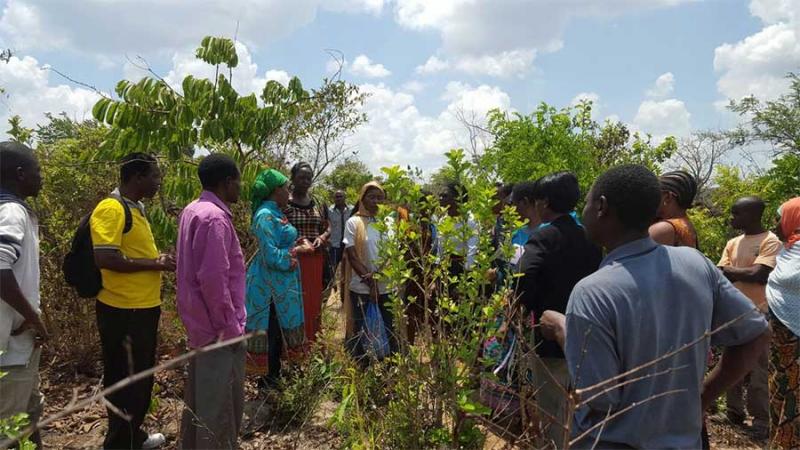
WATED’s projects have so far trained 400 women, and there is a team of 20 ambassadors focusing on “empowering women and the community to ensure that land gives equal economic value to both women and men.” They look into starting farming activities and pay attention to investment agreements, taking into account particularly women’s economic needs and making sure their perspectives are part of discussions and future decisions.
Roadblocks
Besides building success stories as part WATED’s work, there are certain roadblocks in terms of sustaining their land rights project. One of the challenges is the lack of information given to the public and communities in terms of decision making, especially concerning EIs and investment.
“Most agreements are not transparent, and citizens are not really involved in discussion, let alone in decision making processes. The established institutions give way (as per existing laws) to corporate establishments to get a license and at times exemptions (TAX).”
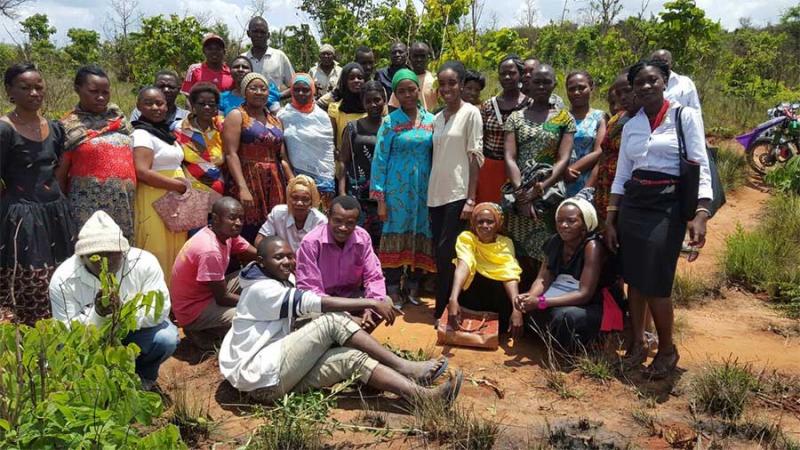
If the affected people are not included in the negotiations it will be difficult to reason and negotiate the terms together. One example is the 2013 Mtwara riots, “caused by lack of transparency and understanding between government and the public.”
Another challenge are cultural and traditional practices at various localities. This is due to the fact that Tanzania has more than 120 tribes, each having a certain set of traditional norms. These impact access to knowledge and legal understanding of land rights, particularly for women; as well their access to the justice system.
WATED also mentions that in addition to climate and weather effects, funding and sustainability in terms of women's rights related budgetary allocation at the local government level hamper realization of projects. Specifically, with regards to the 15 acres land in Kola village, “despite the preparation and trials to start agriculture activities, failure to have available water hinders our goals and reduces the morale of women and volunteers.” A practical solution would be to drill a water pump which will allow for flow and availability of water. “By having water women will be able to cultivate vegetables and fruits throughout the year.” This year, WATED hopes to fundraise in order to dig a well, install a water pump, and start farming.
“Land is source of life, and end of life if not properly utilized.”
This member profile has been published in connection with the upcoming 61st session of the Committee on the Status of Women (CSW) and this years’ focus theme “Women’s economic empowerment in the changing world of work”.