None On Record

Young Feminist Activism

Organizing creatively, facing an increasing threat

Young feminist activists play a critical role in women’s rights organizations and movements worldwide by bringing up new issues that feminists face today. Their strength, creativity and adaptability are vital to the sustainability of feminist organizing.

At the same time, they face specific impediments to their activism such as limited access to funding and support, lack of capacity-building opportunities, and a significant increase of attacks on young women human rights defenders. This creates a lack of visibility that makes more difficult their inclusion and effective participation within women’s rights movements.

A multigenerational approach

AWID’s young feminist activism program was created to make sure the voices of young women are heard and reflected in feminist discourse. We want to ensure that young feminists have better access to funding, capacity-building opportunities and international processes. In addition to supporting young feminists directly, we are also working with women’s rights activists of all ages on practical models and strategies for effective multigenerational organizing.

Our Actions

We want young feminist activists to play a role in decision-making affecting their rights by:

  • Fostering community and sharing information through the Young Feminist Wire. Recognizing the importance of online media for the work of young feminists, our team launched the Young Feminist Wire in May 2010 to share information, build capacity through online webinars and e-discussions, and encourage community building.

  • Researching and building knowledge on young feminist activism, to increase the visibility and impact of young feminist activism within and across women’s rights movements and other key actors such as donors.

  • Promoting more effective multigenerational organizing, exploring better ways to work together.

  • Supporting young feminists to engage in global development processes such as those within the United Nations

  • Collaboration across all of AWID’s priority areas, including the Forum, to ensure young feminists’ key contributions, perspectives, needs and activism are reflected in debates, policies and programs affecting them.

Related Content

Body

When development initiatives, religious fundamentalisms and the state of women’s rights collide

Notre nouveau rapport de recherche Le Diable est dans les détails aborde les lacunes du secteur du développement en termes de connaissance des fondamentalismes religieux et vise à améliorer la compréhension de la façon dont les fondamentalismes religieux entravent le développement et les droits des femmes en particulier. Il offre des recommandations aux acteurs-trices du développement quant aux manières d’éviter de renforcer les fondamentalismes par inadvertance et sur les stratégies pour les contrer. [CTA download link: Lire le document]


Seven pointers to consider


Graphic1 1. Control of women’s bodies, sexuality, and choice are “warning signs” of rising fundamentalisms.
2. Neoliberal economic policies have a particularly negative impact on women, and fuel the growth of religious fundamentalisms. Graphic2
Graphic3 3. Choosing religious organizations as default for partnerships builds their legitimacy and access to resources, and supports their ideology, including gender ideology.
4.Everyone has multiple identities and should be defined by more than just their religion. Foregrounding religious identities tends to reinforce the power of religious fundamentalists. Graphic4
Graphic5 5. Religion, culture, and tradition are constantly changing, being reinterpreted and challenged. What is dominant is always a question of power.
6. Racism, exclusion, and marginalization all add to the appeal of fundamentalists’ offer of a sense of belonging and a “cause”. Graphic6
Graphic7 7. There is strong evidence that the single most important factor in promoting women’s rights and gender equality is an autonomous women’s movement.


L'influence des acteurs fondamentalistes religieux ont augmenté à l'échelle mondiale

Le Diable est dans les détails détaille les violations graves à l’encontre des droits humains, et ceux des femmes en particulier, légitimées par des fondamentalismes parrainés par les États ainsi que par des acteurs fondamentalistes non étatiques, tels que les milices, les organisations communautaires religieuses et les particuliers. Le renforcement fondamentaliste de normes sociales patriarcales régressives conduit à la montée de la violence contre les femmes, les filles et les femmes défenseuses des droits humains (WHRDs).   La rapport met en avant ces éléments-clé pour comprendre et affronter la situation :

  • [icon] Les fondamentalismes religieux gagnent du terrain au sein des collectivités
  • [icon] Des systèmes politiques
  • [icon] Des espaces internationaux, avec des effets dévastateurs pour les gens ordinaires et pour les femmes en particulier.


Les acteurs du développement doivent d'urgence d'agir.

Les acteurs du développement sont en mesure de jouer un rôle important dans ce contexte. La capacité collective des acteurs du développement à reconnaître les fondamentalismes religieux et à les affronter de manière concertée est essentielle pour faire progresser la justice sociale, économique et de genre et les droits humains pour tous, dans un contexte de développement durable.   En donnant la priorité à des partenaires progressistes dans le cadre de leurs activités, les acteurs du développement peuvent éviter d’octroyer des ressources ou de la légitimité aux fondamentalistes religieux. Les organisations de femmes ont de l’expertise sur le sujet et ont développé des stratégies pour lutter contre les fondamentalismes : Les acteurs du développement pourraient s’appuyer sur ces connaissances et s’engager à leurs côtés au sein de coalitions intersectorielles pour faciliter leur diffusion

Snippet FEA lines of work Against (EN)

Illustration of a pink book that says “labor rights” and has a red X on it,

LABOR RIGHT VIOLATIONS

Snippet - WITM why - RU

Почему Мне Следовало Бы Пройти Этот Опрос?

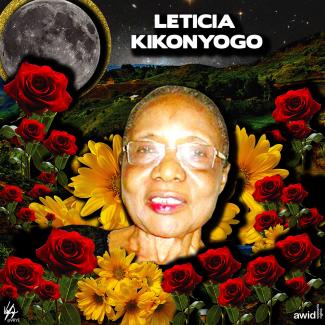
Leticia Eulalia Mary Mukasa- Kikonyogo

Leticia fue una abogada y jueza de Uganda.

Antes de retirarse, ocupó muchas posiciones de alto perfil, como por ejemplo miembrx de la Corte de Apelaciones de Uganda y Presidenta Adjunta de la Corte Suprema de Uganda. Fue la primera mujer ugandesa en ocupar el cargo de Primera Magistrada entre 1973 y 1986, y la primera mujer en ser nombrada jueza de la Corte Suprema en 1986.

Fue una de las primeras mujeres investidas como “Caballero Papal” de la historia de la Iglesia Católica en África. Murió de un paro cardíaco.


Leticia Eulalia Mary Mukasa- Kikonyogo, Uganda
Body

Gracias por descargar la Guía de realidades feministas

Snippet FEA Wage Parity (ES)

Ilustración de dos un par de personas de piel blanca con anteojos, a la izquierda en el fondo hay un mando y a la derecha al frente hay una mujer. El fondo es turquesa.

PARIDAD SALARIAL

Snippet - WITM To Strengthen - PT

Para fortalecer a nossa voz e poder coletivos para obter mais recursos de melhor qualidade para a organização feminista, de direitos das mulheres, de LBTQI+ e de aliados globalmente.

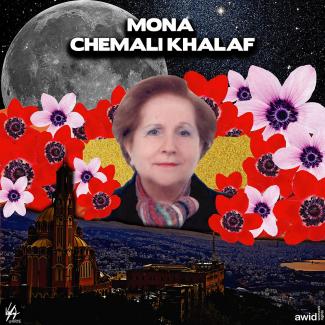
Mona Chemali Khalaf

Mona était économiste et consultante indépendante sur les questions de genre et de développement.

Elle a été professeure d'économie et directrice de l'Institut d'études féminines du monde arabe à l'Université libanaise américaine. Elle est décédée subitement le 6 janvier 2018.

Des amis et d'anciens collègues disent de Mona: « Pour lui rendre hommage, la meilleure chose à faire est de continuer à faire ce qu'elle a commencé: l'égalité de genre, à tout prix. 


Mona Chemali Khalaf, Lebanon

Reason to join 2

Encuentra y crea conexiones. AWID cuenta con más de 9000 afiliadxs, todxs dedicadxs a abordar cuestiones complementarias e interconectadas. En esta diversidad se apoya la sostenibilidad de los movimientos y actorxs feministas.

Thematic Anchors

Six thematic anchors hold the Feminist Realities framework of the Forum. Each anchor centers feminist realities, experiences and visions, on the continuum between resistance and proposition, struggle and alternative. We seek to explore together what our feminist realities are made of and what enables them to flourish in different spheres of our life.

These realities may be fully articulated ways of living, dreams and ideas in the making, or precious experiences and moments. 


The anchors are not isolated themes, but rather interconnected containers for activities at the Forum. We envision many activities to be at the intersection of these themes, at the intersection of different struggles, communities and movements. The descriptions are preliminary, and continue to evolve as the Feminist Realities journey continues.

Resources for Communities and Movements & Economic Justice

This anchor centers questions of how we -- as individuals, communities, and movements -- meet our basic needs and secure the resources that we need to thrive, in ways that center care for people and nature. By “resources” we mean food, water, clean air, as well as money, labor, information, knowledge, time, and more. 

Drawing on feminist resistance to the dominant economic system of exploitation and extractivism, the anchor highlights the powerful and inspiring feminist proposals, experiences and practices of organizing our economic and social life. Food and seed sovereignty, feminist visions of work and labor, just and sustainable systems of trade, are just some of the questions to explore. We will bravely face the contradictions that emerge from the need to survive in oppressive economic systems. 
This anchor positions funding and resourcing for organizations and movements in a broad feminist analysis of economic justice and wealth creation. It explores how to move resources where they are needed, from tax justice and basic income to different models of philanthropy and creative & autonomous resourcing for movements.

Governance, Accountability and Justice

We seek to build new visions and amplify existing realities and experiences of feminist governance, justice and accountability. In the face of the global crisis and rising fascisms and fundamentalisms, this anchor centers feminist, radical and emancipatory models, practices and ideas of organizing society and political life, - locally and globally.

The anchor will explore what feminist governance looks like, from feminist experiences of municipalism to building institutions outside of nation-states, to our visions of multilateralism. We will exchange experiences of justice and accountability processes in our communities, organizations and movements, including models of restorative, community-based and transformative justice that reject state violence and the prison-industrial complex.

Centering experiences of travel, migration and refuge as well as feminist organizing, we seek a world without deadly border regimes; a world of free movement and exciting journeys.

Digital Realities

The role of technology in our lives is ever increasing and the line between online and offline realities blurred. Feminists make widespread use of technologies and online space to build community, learn from each other, and mobilise action. With online spaces, we can expand the boundaries of our physical world. On the flip side, digital communications are largely owned by corporations with minimal accountability to users: data mining, surveillance and security breaches have become the norm, as well as online violence and harassment. 

This anchor explores the feminist opportunities and challenges within digital realities. We’ll look at alternatives to privately owned platforms that dominate the digital landscape, well-being strategies for navigating online spaces, and uses of technology to overcome accessibility challenges. We’ll explore the potentials of technology in relation to pleasure, trust and relationships.

Bodies, Pleasure and Wellbeing

We hold feminist realities also within ourselves -- the embodied experience. Control of our labour, mobility, reproduction, and sexuality continues to be central to patriarchal, cis-heteronormative and capitalist structures. Defying this oppression, people of diverse genders, sexualities and abilities create encounters, spaces and sub-cultures of joy, care, pleasure and deep appreciation for ourselves and each other.  

This anchor will explore multiple ideas, narratives, imaginations, and cultural expressions of consent, agency and desire as held by women, trans, non-binary, gender non-conforming and intersex people in different societies and cultures. 

We will exchange strategies for winning reproductive rights and justice, and articulate social practices that enable and respect bodily autonomy, integrity and freedom. The anchor links different struggles and movements to inform each other’s perceptions and experiences of wellbeing and pleasure.

Planet and Living Beings

Imagine a feminist planet. What is the sound of the water, the smell of the air, the touch of the earth? What is the relationship between the planet and its living beings, humans included? Feminist realities are realities of environmental and climate justice. Feminist, indigenous, decolonial and ecological struggles are often rooted in transformative visions and relations among people and nature. 

This anchor centers the wellbeing of our planet, and reflects on the ways in which humans have interacted with and reshaped our planet. We seek to explore aspects of traditional knowledge and biodiversity as part of sustaining a feminist planet, and learn about feminist practices around degrowth, commoning, models of parallel economies, agro-ecology, food and energy sovereignty initiatives.

Feminist organizing

While we see all the anchors as related, this one is truly cross-cutting so we invite you to add an organizing dimension to whatever anchor(s) your proposed activity links to.

How is feminist organizing happening in the world today? This question turns our attention to actors, power dynamics, resources, leadership, to the economies we are embedded within, to our understanding of justice and accountability, to the digital age, to our experiences of autonomy, wellbeing and collective care. Across all anchors, we hope to create a space for honest reflection on power and resources distribution and negotiation within our own movements.


The Forum is a collaborative process

The Forum is more than a four-day convening. It is one more stop on a movement strengthening journey around Feminist Realities that has already begun and will continue well beyond the Forum dates.

Join us on this journey!
Snippet FEA Sopo Japaridze Quote (FR)

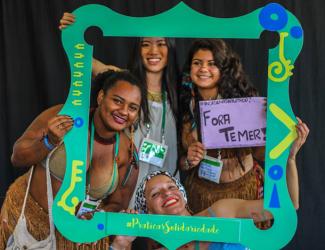
"Nous savons que tout est contre nous et il y a très peu de chances de changer cela. Mais nous croyons en l'intervention et je pense que nous avons une opportunité et nous devrions l'utiliser. C'est pourquoi nous faisons tout ce que nous faisons. Nous sommes prêt·e·s à pousser pour des choses inouïes."

Sopo Japaridze dans OpenDemocracy

Photo @სოლიდარობის ქსელი / Solidarity Network

Snippet - WITM About the survey - RU

Об опросе

  • Глобальный и разнообразный: Размышления о ресурсных реалиях феминистских организаций в глобальном и региональном масштабе.
  • Контекстуализированный: Объединение голосов, точек зрения и опыта феминистских движений во всем их богатстве, смелости и разнообразии.
  • Совместно созданный: Разработка и апробация опроса в тесном сотрудничестве с членами AWID и партнерками(-рами) по движению.
  • Дополняющий: С помощью активисток(-тов), феминистских грантодательниц(-телей) и союзниц(-ков), дополняет и усиливает имеющуюся информацию о состоянии ресурсов организаций, занимающихся вопросами феминизма, прав женщин и гендерной справедливости.
  • Многоязычный: Доступен на арабском, английском, французском, португальском, русском и испанском языках.
  • Конфиденциальность и безопасность прежде всего: Мы обязуемся обеспечить конфиденциальность и неприкосновенность ваших данных. Ознакомьтесь с нашей политикой конфиденциальности, чтобы понять, какие меры мы принимаем, чтобы защитить полученные от вас сведения.
  • Доступный: Доступен для людей с различными нарушениями слуха, зрения, движений и когнитивных способностей. Прохождение опроса занимает около 30 минут.
  • Воспроизводимый: Может быть воспроизведен различными организациями в специфических контекстах; инструменты для проведения опроса будут доступны для широкой аудитории для проведения дополнительных исследований и адвокации.

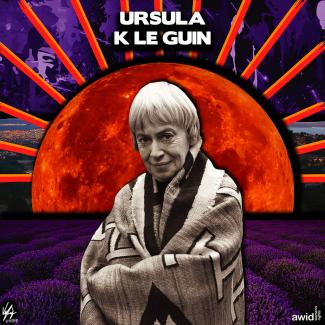
Ursula K Le Guin

Ursula was an American novelist who worked mainly in the genres of fantasy and science fiction.

She found fame with The Left Hand Of Darkness, which imagines a future society where people are ambisexual – they have no fixed sex. It explores the effects of gender and sex in society, and was one of the first major feminist science fiction books. Ursula was inspiring in her subversive and original writing, and also for the themes of feminism and freedom she held so dearly.

In a 1983 address at Mills College in California, she told graduates: “Why should a free woman with a college education either fight Macho-man or serve him? Why should she live her life on his terms? I hope you live without the need to dominate, and without the need to be dominated.”


Ursula K Le Guin, USA

Reason to join 6

Participez au Forum international de l'AWID - un rassemblement féministe mondial majeur - et bénéficiez de réductions spéciales et de points d'entrée pour le dialogue virtuel réservés aux membres de l'AWID. Co-créé par des mouvements féministes, le Forum est un espace unique de discussion profonde et d'imagination où nous remettons en question et renforçons notre organisation, et joignons nos luttes et nos réalités féministes.