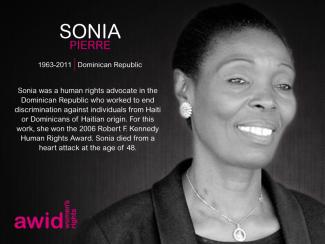
Sonia Pierre
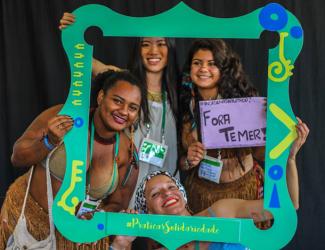
Young feminist activists play a critical role in women’s rights organizations and movements worldwide by bringing up new issues that feminists face today. Their strength, creativity and adaptability are vital to the sustainability of feminist organizing.
At the same time, they face specific impediments to their activism such as limited access to funding and support, lack of capacity-building opportunities, and a significant increase of attacks on young women human rights defenders. This creates a lack of visibility that makes more difficult their inclusion and effective participation within women’s rights movements.
AWID’s young feminist activism program was created to make sure the voices of young women are heard and reflected in feminist discourse. We want to ensure that young feminists have better access to funding, capacity-building opportunities and international processes. In addition to supporting young feminists directly, we are also working with women’s rights activists of all ages on practical models and strategies for effective multigenerational organizing.
We want young feminist activists to play a role in decision-making affecting their rights by:
Fostering community and sharing information through the Young Feminist Wire. Recognizing the importance of online media for the work of young feminists, our team launched the Young Feminist Wire in May 2010 to share information, build capacity through online webinars and e-discussions, and encourage community building.
Researching and building knowledge on young feminist activism, to increase the visibility and impact of young feminist activism within and across women’s rights movements and other key actors such as donors.
Promoting more effective multigenerational organizing, exploring better ways to work together.
Supporting young feminists to engage in global development processes such as those within the United Nations
Collaboration across all of AWID’s priority areas, including the Forum, to ensure young feminists’ key contributions, perspectives, needs and activism are reflected in debates, policies and programs affecting them.
يشمل التمويل الخارجي المنح والأشكال الأخرى من التمويل من المؤسسات الخيرية، الحكومات، الجهات ثنائية الاتجاه أو متعددة الاتجاهات أو الممولين/ات من الشركات أو الممولين/ات الأفراد، إن كان ذلك من دولتكم/ن أو من الخارج. لا يشمل هذا الموارد التي تنتجها المجموعات، المنظمات أو الحركات بشكل مستقل مثل رسوم العضوية، تطوع الطاقم أو الأعضاء/ العضوات أو الداعمين/ات، تجنيد الأموال المجتمعي، تأجير الأماكن أو بيع الخدمات أو المنتجات. لتسهيل عملية تعبئة الاستطلاع، تم شمل تعريف أنواع التمويل ووصفها بشكل قصير في الاستطلاع نفسه.
Pronto brindaremos esta información. ¡Mantente sintonizadx!
La creación conjunta de nuestras realidades feministas comienza con nosotrxs mismxs y con cómo nos tratamos mutuamente. Nos esforzamos por crear y proteger espacios seguros para nuestras comunidades, tanto en línea como en forma presencial.
También creemos que los espacios seguros y amigables son de propiedad y creación conjuntas. Esperamos que nuestrxs integrantes actúen de manera ética, responsable y consistente con los valores de AWID, y asuman la responsabilidad colectiva de garantizar una atmósfera de respeto y solidaridad recíprocos.
Conéctate con otrxs, ayuda a romper el aislamiento y a promover la solidaridad. Es muy fácil sentirse perdidx y solx, y ser tratadx en forma amable y receptiva resulta de suma ayuda.
Interactúa y conéctate de forma pacífica. Surgirán diferencias de opinión, naturalmente: por favor, considera que estas diferencias son útiles para expandir tu pensamiento y tu modo de ver el mundo.
Ayuda a construir un espacio que reconozca y valide las múltiples experiencias de vida y las diversidades corporales y de expresiones de género. Reconoce que todxs tenemos identidades interseccionales.
Utiliza lenguaje inclusivo. Respeta la forma en que las personas quieren ser nombradas en términos de identidad o expresión de género (como los pronombres), y practica el uso del lenguaje inclusivo.
Escucha y modifica tu comportamiento y tu forma de interactuar si alguien dice que se siente incómodx. No preguntes a otras personas cosas que no te gustaría que te pregunten a ti.
Ayuda a combatir comportamientos opresivos, como, por ejemplo, acoso, violencia verbal o física, violación de consentimiento, y cualquier acción que perpetúe el clasismo, la discriminación por edad y/o capacidad, el racismo, la misoginia, el heterosexismo, la transfobia y otras opresiones. Si fuera necesario, por favor, contacta al personal de AWID.
Habla y escucha con la mente y el corazón abiertos, y sin juzgar.
Sé honestx, abierto y sincerx. Comparte y habla en forma auténtica sobre tus esperanzas y tus sueños, y tus ideas para tu propia vida y tu comunidad.
Practica la escucha activa y la autoconsciencia. Préstale atención a cuánto tiempo y espacio estás ocupando: deja lugar para lxs demás, practica la escucha activa y la enseñanza orientada a la acción.
Sé consideradx y reconoce a lxs otrxs por su trabajo y activismo. Recuerda que todxs estamos trabajando colectivamente para contribuir al cambio. Asegúrate de reconocer las contribuciones de otras personas y de dar crédito a su trabajo cuando sea apropiado, por ejemplo, en conversaciones, artículos, imágenes, etc.
¡Cuídate! Por favor, toma medidas para protegerte, en línea y en persona, en especial si tienes motivos para creer que hablar en público te pone en peligro. Lxs integrantes pueden utilizar alias o imágenes de perfil que escondan su identidad. Para más información, por favor, consulta el «Kit digital de primeros auxilios para defensores/as de derechos humanos» elaborado por la Asociación para el Progreso de las Comunicaciones (APC).
¡Respeta las necesidades de privacidad de las otras personas! No compartas ni reenvíes ninguna información sin permiso explícito
Por favor, tener en cuenta:
AWID se reserva el derecho de eliminar comentarios, y de suspender o revocar la membresía cuando nuestras pautas comunitarias no sean respetadas. Lxs integrantes de AWID no están autorizadxs a representar a AWID en forma oficial, a menos que esto sea estipulado por escrito. Lxs integrantes de AWID no pueden utilizar los espacios de AWID para hacer proselitismo, ni para reclutar a otrxs integrantes a unirse a alguna congregación u organización religiosa. Lxs integrantes no pueden utilizar los espacios de AWID para solicitar fondos para uso personal, pero los enlaces a iniciativas externas de recaudación de fondos o campañas activistas están permitidos.

Considérée par le Guardian comme l'une des icônes nationales de Kiribati, Teresia était une avocate téméraire.
Elle travaillait en étroite collaboration avec des groupes féministes aux îles Fidji. Ses travaux de recherche ont servi à aborder les problèmes du féminisme et de l'égalité de genre dans le Pacifique. Elle était également corédactrice de l’International Feminist Journal of Politics. En Océanie, son influence a traversé les frontières académiques, ainsi que les mouvements pour la justice sociale.
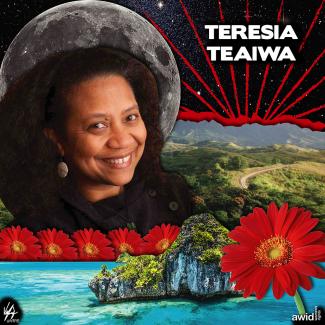
Nous vous présentons une sélection motivante de puissantes histoires et d’images de transformations et de résistances créées par des activistes, des écrivain·e·s et des artistes du monde entier.
Да, опрос доступен людям с различными нарушениями слуха, зрения, движений и когнитивных способностей.
No, no es necesario que seas afiliadx de AWID para participar en el Foro, pero lxs afiliadxs de AWID tienen un descuento en el costo de inscripción, y varios otros beneficios.
Meet Sopo Japaridze, fierce feminist, union leader and chair of the independent service trade union at the Solidarity Network.
She left the country when she was very young to go to the United States where she first became very politically active as a labor organizer. She kept Georgia in the back of her mind all that time, until one day, two decades later, she decided to return.
The existing Georgian union confederation back then was less than ideal. So, equipped with her skills, knowledge and labor organizing experience, Sopo went back to Georgia and built her own union.
Sopo is a passionate researcher and writer. She studies labor and social relations, writes for various publications and is the contributing editor of LeftEast, an Eastern European analytical platform. She also co-founded the political history initiative and podcast, Reimagining Soviet Georgia, where she explores the complexities and nuances of the country's experiences under the Soviet Union, to better understand its past in order to shed light on how to build a better future.
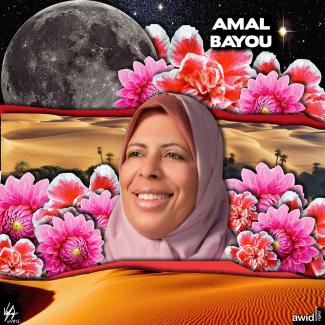
Amal was a prominent politician and parliamentarian in Libya. She was a faculty member at Benghazi University from 1995 until her death in 2017.
Amal was a civil society activist and a member of various social and political initiatives. She assisted the families of martyrs and the disappeared, and was a founding member of a youth initiative called ‘’Youth of Benghazi Libya”. In the 2014 parliamentary elections, Amal was elected to the House of Representatives with more than 14,000 votes (the highest number of votes anyone received in the 2014 elections).
Amal will remain in the memories of many as a woman politician working to ensure a better future in one the most difficult and conflict-ridden contexts in the region.
Think big! With our international reach, we combine analytical work with political and practical tools for advocacy and transformation to advance the cause of feminist movements at all levels.
O tempo estimado para preencher o inquérito é 30 minutos.
Para preguntas adicionales, por favor escríbenos utilizando nuestro formulario de contacto. Selecciona «14o Foro de AWID» como asunto de mensaje.
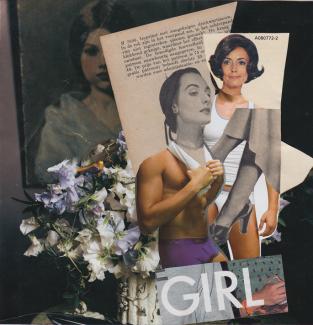
Bunga or flower in English is something that is often associated with women in Indonesia. Meaning, a flower can also be associated with transgender women. Because transgender women are women. As beautiful, as strong, and they both lived not only waiting to be 'picked' but instead grew and bloom and died as they pleased. This work is a tribute to my transgender women friends on The International Transgender Day of Visibility.
La mayoría de los Estados miembros de la Unión Europea tienen leyes y prácticas que penalizan o controlan a las trabajadoras sexuales de formas inaceptables para ellas. La criminalización de las trabajadoras sexuales y/o sus clientes solo contribuye a aumentar la vulnerabilidad de las trabajadoras sexuales, que ya enfrentan el estigma, la discriminación y la exclusión por parte del Estado y de la sociedad a diario, especialmente las mujeres trabajadoras, lxs trabajadorxs trans, migrantes y/o racializadxs. En España por ejemplo, el gobierno esta actualmente intentando pasar una Ley Orgánica para la Abolición de la Prostitución, que resultara en mas clandestinidad y violencia. Ven a conocer las historias de trabajadoras sexuales y organizadores sindicales que luchan para decriminilizar el trabajo sexual y promover derechos laborales y condiciones de trabajo digno para lxs trabajadxs sexuales.
Rocky mostró un liderazgo y una dirección inspiradoras en su trabajo con jóvenes lesbianas, gays, bisexuales, transgénero, intersex, queer, y personas transgénero indígenas de Australia (LGBTIQBBSG) en riesgo.
Rocky comenzó su carrera con el Servicio de Policía de Queensland como Oficial de Policía de Enlace. Para ella, hacer una diferencia era algo importante. Desarrolló una carrera impresionante trabajando con jóvenes LGBTIQBBSG como Gerente del Servicio Juvenil de Puertas Abiertas.
Rocky trabajó con lxs beneficiarixs en situaciones complejas, específicamente relacionadas con la identidad sexual y de género. Esta línea de trabajo le resultaba propia: era una líder comunitaria fuerte, una triunfadora discreta, una amiga leal, una persona que apoyaba compasivamente a lxs demás, alguien que producía el cambio. Rocky fue una de lxs fundadorxs de IndigiLez Leadership y de Support Groes.
En 2016, en la Corte Suprema de Brisbane, Michael Kirby, ex juez del Tribunal Supremo de Apelaciones, mencionó por su nombre a Rocky al elogiar el trabajo que el Servicio Legal LGBTI había desarrollado a lo largo de los años. Rocky luchó de forma extraordinariamente tenaz por los derechos humanos de la comunidad LGBTIQBBSG, corrió los límites y produjo cambios de una forma respetuosa y amorosa.