Women Human Rights Defenders
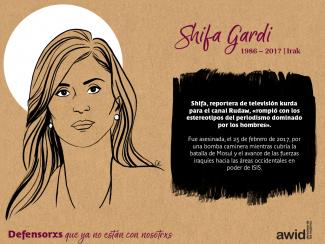
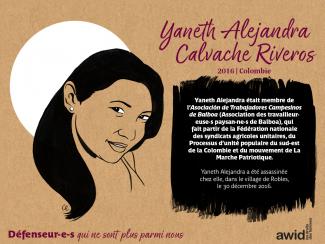
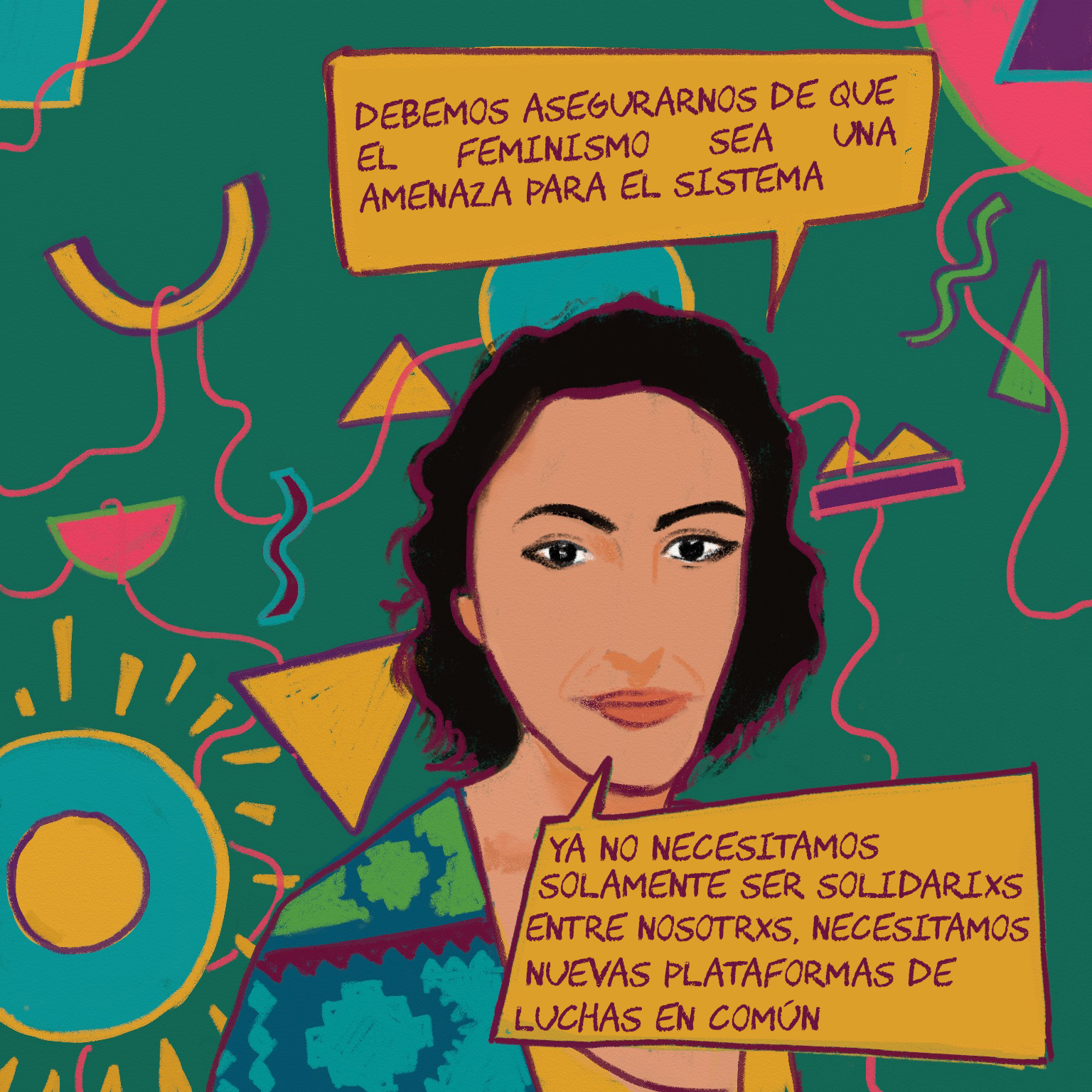
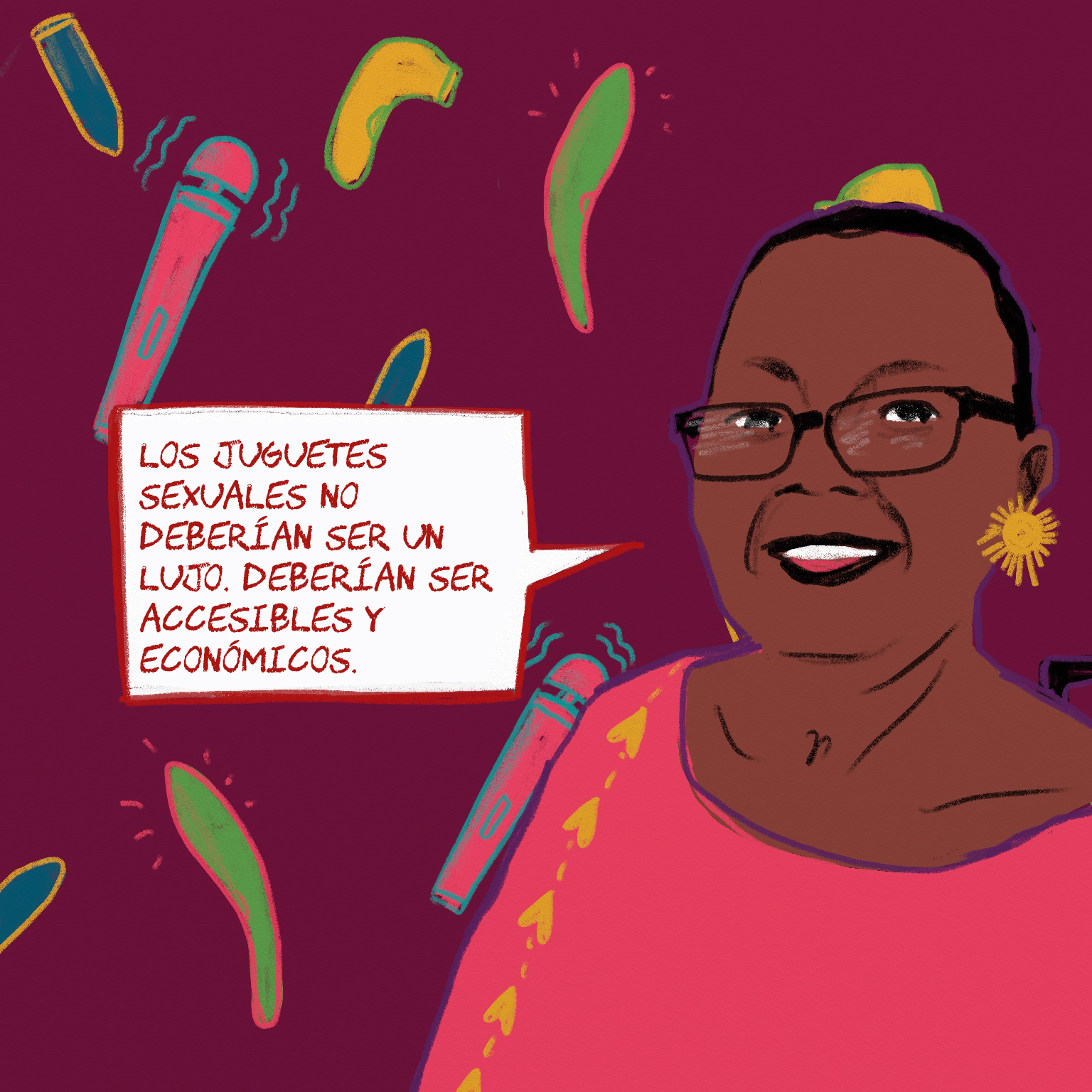
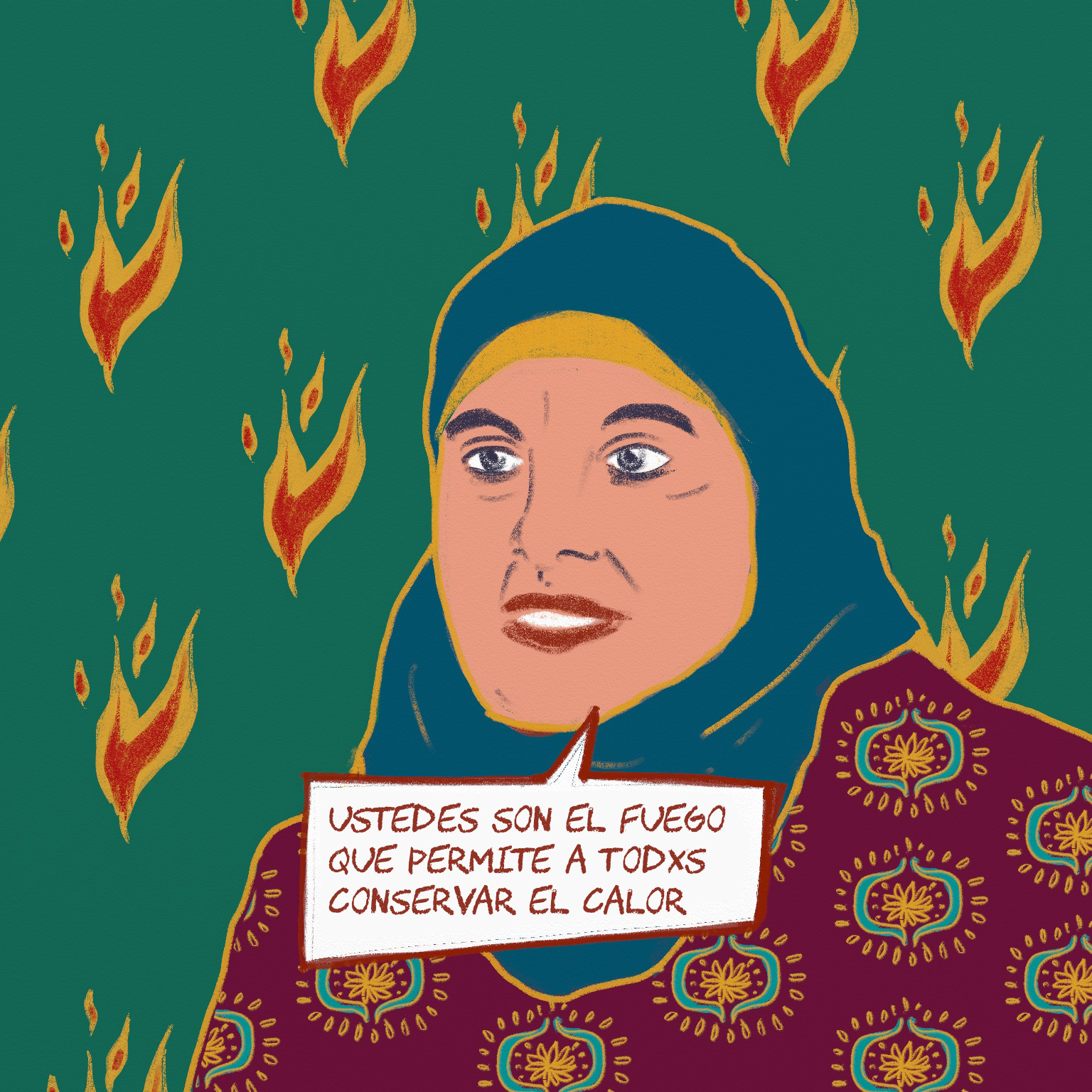
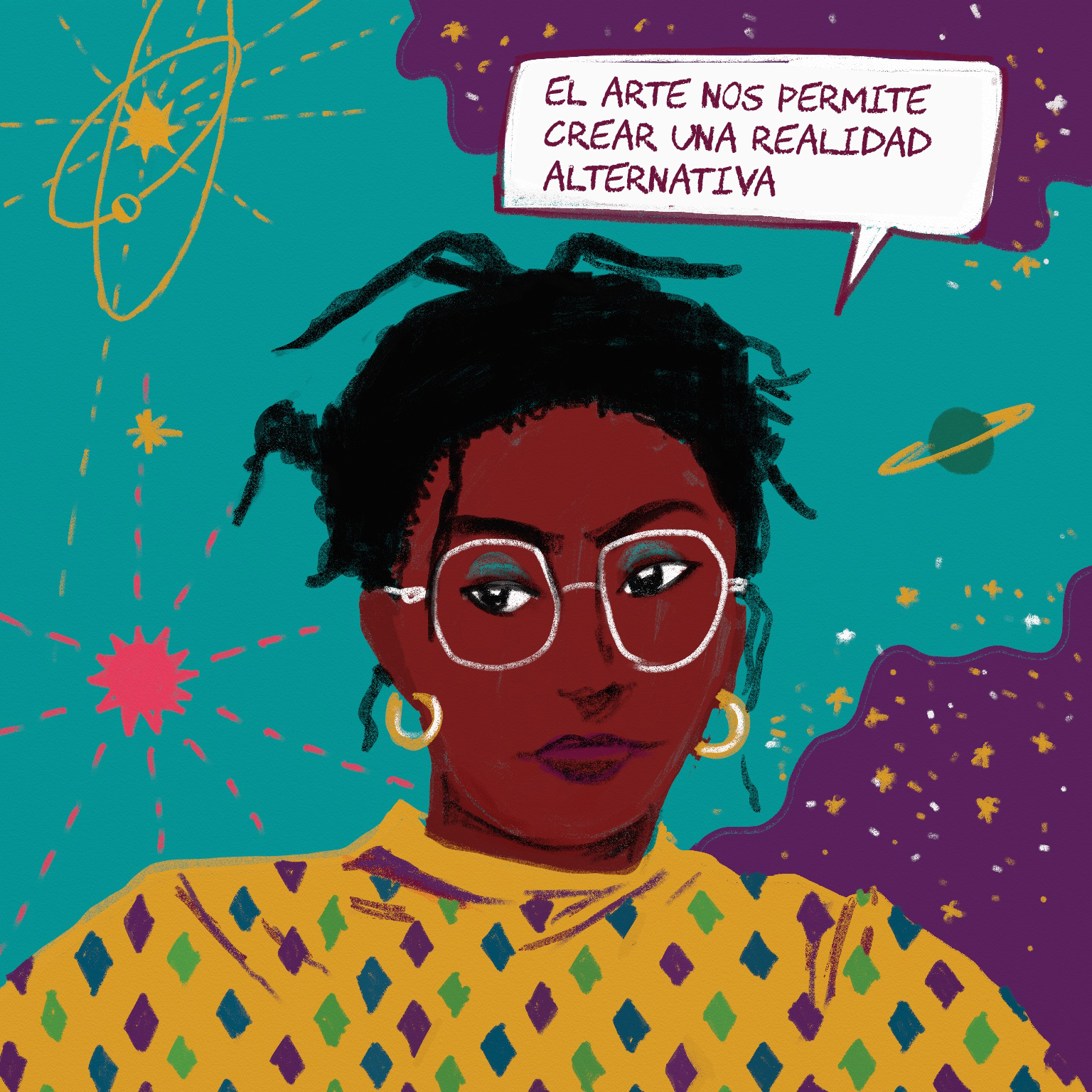
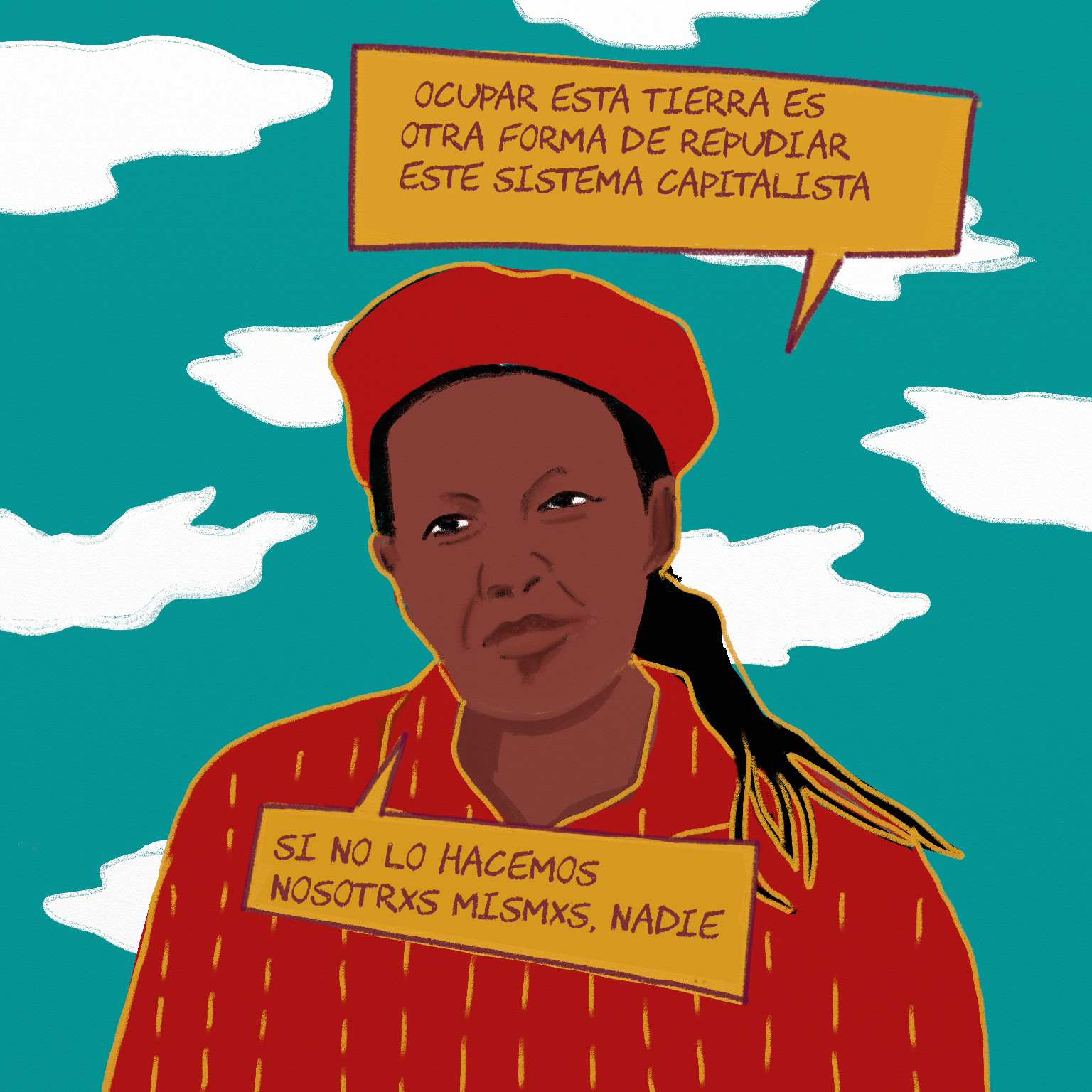
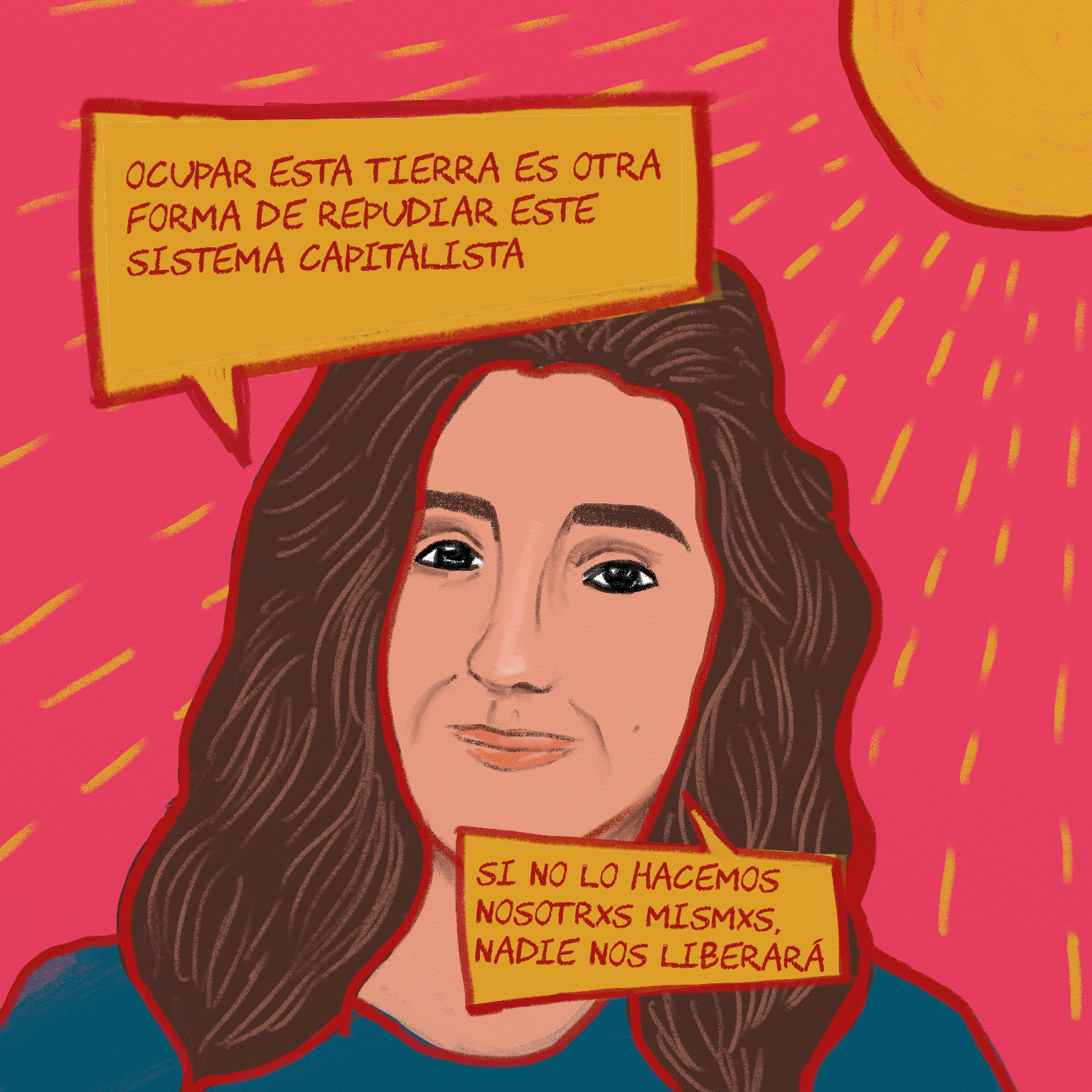
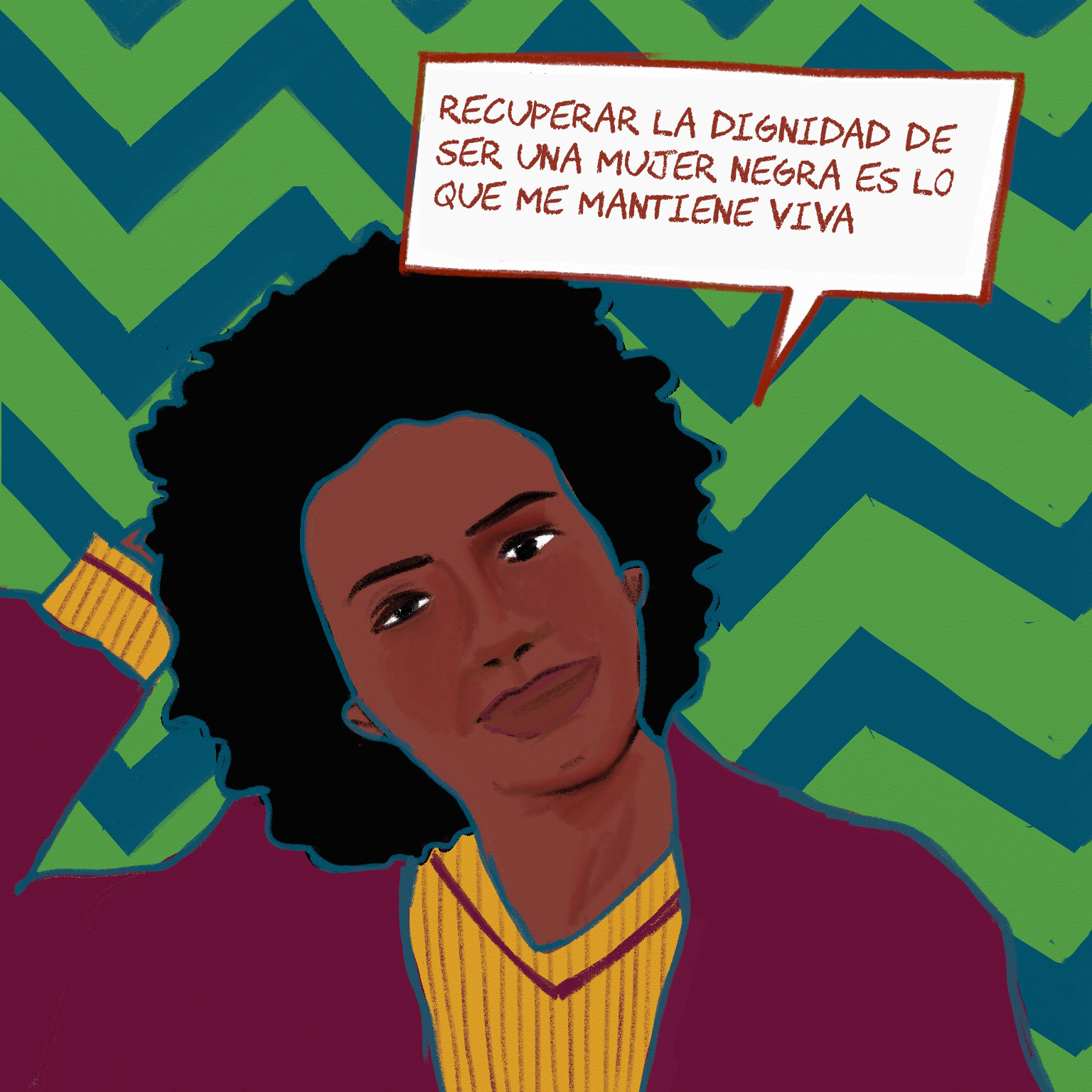
WHRDs are self-identified women and lesbian, bisexual, transgender, queer and intersex (LBTQI) people and others who defend rights and are subject to gender-specific risks and threats due to their human rights work and/or as a direct consequence of their gender identity or sexual orientation.
WHRDs are subject to systematic violence and discrimination due to their identities and unyielding struggles for rights, equality and justice.
The WHRD Program collaborates with international and regional partners as well as the AWID membership to raise awareness about these risks and threats, advocate for feminist and holistic measures of protection and safety, and actively promote a culture of self-care and collective well being in our movements.
Risks and threats targeting WHRDs
WHRDs are exposed to the same types of risks that all other defenders who defend human rights, communities, and the environment face. However, they are also exposed to gender-based violence and gender-specific risks because they challenge existing gender norms within their communities and societies.
By defending rights, WHRDs are at risk of:
- Physical assault and death
- Intimidation and harassment, including in online spaces
- Judicial harassment and criminalization
- Burnout
A collaborative, holistic approach to safety
We work collaboratively with international and regional networks and our membership
- to raise awareness about human rights abuses and violations against WHRDs and the systemic violence and discrimination they experience
- to strengthen protection mechanisms and ensure more effective and timely responses to WHRDs at risk
We work to promote a holistic approach to protection which includes:
- emphasizing the importance of self-care and collective well being, and recognizing that what care and wellbeing mean may differ across cultures
- documenting the violations targeting WHRDs using a feminist intersectional perspective;
- promoting the social recognition and celebration of the work and resilience of WHRDs ; and
- building civic spaces that are conducive to dismantling structural inequalities without restrictions or obstacles
Our Actions
We aim to contribute to a safer world for WHRDs, their families and communities. We believe that action for rights and justice should not put WHRDs at risk; it should be appreciated and celebrated.
-
Promoting collaboration and coordination among human rights and women’s rights organizations at the international level to strengthen responses concerning safety and wellbeing of WHRDs.
-
Supporting regional networks of WHRDs and their organizations, such as the Mesoamerican Initiative for WHRDs and the WHRD Middle East and North Africa Coalition, in promoting and strengthening collective action for protection - emphasizing the establishment of solidarity and protection networks, the promotion of self-care, and advocacy and mobilization for the safety of WHRDs;
-
Increasing the visibility and recognition of WHRDs and their struggles, as well as the risks that they encounter by documenting the attacks that they face, and researching, producing, and disseminating information on their struggles, strategies, and challenges:
-
Mobilizing urgent responses of international solidarity for WHRDs at risk through our international and regional networks, and our active membership.
Related Content
Snippet - Intro WITM - EN
Where is the Money for Feminist Organizing? Survey Results
Thanks to our global feminist community! From May to August 2024, nearly 1,200 organizations working for Women's rights, gender justice, and LBTQI+ equality shared their experiences in the WITM survey. The results offer a unique picture of how feminist movements are resourced and where gaps remain.
Stay tuned for the upcoming report for more analysis!
2014: comienza el proceso preparatorio para la 3a Conferencia Internacional sobre FpD
Octubre de 2014: Inicio del proceso preparatorio intergubernamental para la tercera Conferencia Internacional sobre la Financiación para el Desarrollo
- Se dio inicio a un proceso preparatorio facilitado por el embajador George Wilfred Talbot, de Guyana, y el embajador Geir O. Pedersen, de Noruega, destinado a encaminar las discusiones con miras a la tercera Conferencia Internacional sobre la FpD, que tendrá lugar en Adís Abeba, Etiopía, en julio de 2015.
- Como parte de esos preparativos se realizaron dos rondas de sesiones informales sustantivas en la sede de la ONU en Nueva York, que aportaron insumos para las sesiones de redacción del Documento Final de la Conferencia.
- El WWG se reactivó, con el objetivo de incorporar las perspectivas feministas y de derechos de las mujeres a esas discusiones y deliberaciones, antes y durante la tercera Conferencia Internacional sobre la FpD. AWID, Mujeres por el Desarrollo Alternativo para una Nueva Era (DAWN) y el Feminist Task Force [Grupo de Trabajo Feminista, FTF en inglés] están coordinando el Grupo en conjunto.
- El WWG tuvo dos intervenciones orales durante la primera ronda y aportó comentarios escritos a la segunda ronda de sesiones sustantivas informales. En todos los casos enfatizó que la desigualdad de género estaba siendo invisibilizada, al igual que otras formas de discriminación y de desigualdad. También subrayó las relaciones de poder entre los géneros y sus intersecciones con otras categorías como raza, discapacidad, etnia, edad, riqueza e identidad sexual, que apuntalan la distribución desigual de oportunidades y recursos en sociedades de todo el mundo.
- Las organizaciones de la sociedad civil plantearon sus preocupaciones acerca del espacio para su participación en las dos sesiones sustantivas informales y señalaron el riesgo de que se restringiera el espacio de la sociedad civil para intervenir en las negociaciones sobre el Documento Final de la tercera Conferencia Internacional en enero de 2015.
Snippet FEA NORTH CAUCA Left (FR)
CAUCA DU NORD, COLOMBIE
Asociación de Mujeres Afrodescendientes del Norte del Cauca (ASOM)
NOUS MÉRITONS
PLUS!
Illuminée Iragena
Ivonne Siu Bermudez
Snippet - WITM To make - ES

Para darle visibilidad a la complejidad de la dotación de recursos para las diversas formas de organización feministas.
Juin 2015
Tenue des autres sessions de rédaction du document final d’Addis-Abeba
- Du 1er au 5 juin 2015, d'autres sessions complémentaires ont été organisées pour poursuivre le travail d’amélioration du document final.
- La troisième session de rédaction du document final prévue dans le processus de la conférence s’est tenue du 15 au 19 juin, au siège de l’ONU.
Pour plus d’informations, voir le « guide du routard des OSC » (le CSO Hitchhiker’s Guide – en anglais).
Snippet FEA Mano Cambiada (EN)

MANO CAMBIADA
("exchange hand")
Term of the black communities of the Northern Cauca for the minga, the collective work based on solidarity and mutual support.
Edith "Edie" Windsor
Related content
The Guardian: Edith Windsor, icon of gay rights movement, dies aged 88
Rolling Stone: Edith Windsor, Same-Sex Marriage Activist, Dead at 88
BBC: Edie Windsor: Gay rights trailblazer dies aged 88
The New Yorker: Postscript: Edith Windsor, 1929-2017
The Guardian: Goodbye, Edie Windsor. Thank you for never giving up
Love and Justice: Edith Windsor talks with Ariel Levy - The New Yorker Festival - The New Yorker (Video)
Remembering Edie Windsor (Video)
Yusdiana
Snippet - WITM About the survey - EN
ABOUT THE SURVEY
- GLOBAL & DIVERSE: Reflecting on resourcing realities of feminist organizing at a global scale and disaggregated by region
- CONTEXTUALIZED: Centering voices, perspectives and lived experiences of feminist movements in all their richness, boldness and diversity in their respective contexts
- CO-CREATED: Developed and piloted in close consultations with AWID members and movement partners
- COMPLEMENTARY: Contributing to and amplifying existing evidence on the state of resourcing for feminist, women’s rights and gender justice organizing by activists, feminist funders and allies
- MULTI-LINGUAL: Accessible in Arabic, English, French, Portuguese, Russian and Spanish.
- PRIORITIZING PRIVACY & SECURITY: We are committed to maintaining the confidentiality and integrity of your data. Read our Privacy Policy to learn more about the measures we take to ensure the protection of your information
- ACCESSIBLE: Accessible to people with a diverse range of hearing, movement, sight, and cognitive abilities, taking approximately 30 minutes to complete
- REPLICABLE: Replicable by movements in their respective contexts; WITM survey tools and datasets will be publicly available to support more feminist research and collective advocacy.
What is the 14th AWID Forum theme?
The 14th Forum theme is “Feminist Realities: our power in action”.
We understand Feminist Realities as the different ways of existing and being that show us what is possible, despite dominant power systems, and in defiance and resistance to them. We understand these feminist realities as reclamations and embodiments of hope and power, and as multi-dimentional, dynamic and rooted in specific contexts and historical moments.
Read more about Feminist Realities
Snippet FEA Environments Of Shelter (ES)
Metzineres proporciona los siguientes tipos de apoyo, conocidos como
Entornos de Cobijo:
Ola AbuElShalashel
Magalie Marcelin
Snippet - WITM Acknowledgements - EN
Acknowledgements
AWID gratefully acknowledges the many people whose ideas, analysis and contributions have shaped the “Where is the Money for Feminist Organizing?” research and advocacy over the years.
First and foremost, our deepest thanks goes to the AWID members and activists who engaged in WITM consultations and piloted this survey with us, sharing so generously of their time, analysis and hearts.
Our appreciation to feminist movements, allies and feminist funds, including but not limited to: Black Feminist Fund, Pacific Feminist Fund, ASTRAEA Lesbian Foundation for Justice, FRIDA Young Feminist Fund, Purposeful, Kosovo Women’s Network, Human Rights Funders Network, Dalan Fund and PROSPERA International Network of Women's Funds - for your rigorous research on the state of resourcing, sharp analysis and continued advocacy for more and better funding and power for feminist and gender justice organizing in all contexts.
Join the global community of feminists speaking up about the state of resourcing, demanding more and better funding and power for feminists everywhere
What will be different about this Forum?
We have always worked towards ensuring that our Forums are co-developed with partners, movements and our priority constituencies.
For our upcoming Forum, we aim to deepen and strengthen that spirit and practice of co-creation and collaboration. We also recognize the need to improve the balance between the inclusion of many voices and experiences with room for participants and staff to breathe, take pause and enjoy some downtime.
This Forum will be different in the following ways:
- We will have far less organized Forum activities because we want people to have time to engage, experience, process, talk to each other, etc. This is key to communicate: you can come to the Forum, be very engaged and active and not facilitate any organized activity (or “session”).
- We will have Open Spaces - at least one whole afternoon without any organized activities - but also physical spaces available throughout the Forum for people to self-organize meetings, etc.
- We have a Content and Methodology Committee made up of feminists from different regions with expertise on participatory methodologies to support us and all those leading activities at the Forum to use creative and engaging formats for the Forum activities.
Snippet FEA Occupation’s kitchen Instagram (FR)
Campagne publicitaire d'Ocupação 9 de Julho :
Les Femmes Maintiennent les Soins | Les Soins Soutiennent la Vie | La Vie Soutient l'Économie | Qui s'Occupe des Femmes ? | Pas Une de Moins1 | Ensemble | Déjeuner du Dimanche
1Nenhuna a menos se traduit littéralement par « pas une femme de moins » ou « ni una menos » en espagnol - un célèbre slogan féministe en Amérique latine qui a émergé en Argentine en réponse à l'augmentation de la violence sexiste.