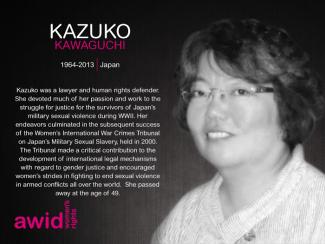
Kazuko Kawaguchi
WHRDs are self-identified women and lesbian, bisexual, transgender, queer and intersex (LBTQI) people and others who defend rights and are subject to gender-specific risks and threats due to their human rights work and/or as a direct consequence of their gender identity or sexual orientation.
WHRDs are subject to systematic violence and discrimination due to their identities and unyielding struggles for rights, equality and justice.
The WHRD Program collaborates with international and regional partners as well as the AWID membership to raise awareness about these risks and threats, advocate for feminist and holistic measures of protection and safety, and actively promote a culture of self-care and collective well being in our movements.
WHRDs are exposed to the same types of risks that all other defenders who defend human rights, communities, and the environment face. However, they are also exposed to gender-based violence and gender-specific risks because they challenge existing gender norms within their communities and societies.
We work collaboratively with international and regional networks and our membership
We aim to contribute to a safer world for WHRDs, their families and communities. We believe that action for rights and justice should not put WHRDs at risk; it should be appreciated and celebrated.
Promoting collaboration and coordination among human rights and women’s rights organizations at the international level to strengthen responses concerning safety and wellbeing of WHRDs.
Supporting regional networks of WHRDs and their organizations, such as the Mesoamerican Initiative for WHRDs and the WHRD Middle East and North Africa Coalition, in promoting and strengthening collective action for protection - emphasizing the establishment of solidarity and protection networks, the promotion of self-care, and advocacy and mobilization for the safety of WHRDs;
Increasing the visibility and recognition of WHRDs and their struggles, as well as the risks that they encounter by documenting the attacks that they face, and researching, producing, and disseminating information on their struggles, strategies, and challenges:
Mobilizing urgent responses of international solidarity for WHRDs at risk through our international and regional networks, and our active membership.
L’enquête WITM mondiale est un des piliers essentiels de la troisième édition de notre recherche orientée sur l’action, intitulée Où est l’argent pour l’organisation des mouvements féministes? (abrégé en Où est l’argent ou WITM, pour l’acronyme en anglais). Les résultats de l’enquête seront développés et approfondis à l’occasion de conversations profondes avec des activistes et des financeurs, et les références seront croisées avec d’autres analyses et études existantes sur la situation du financement des mouvements féministes et de l’égalité des genres à travers le monde.
Le rapport complet de la recherche Où est l’argent pour l’organisation des mouvements féministes sera publié en 2026.
 Pour en apprendre davantage sur la manière dont l’AWID met en lumière l’argent utilisé pour et contre les mouvements féministes, consultez notre dossier WITM et nos précédents rapports à ce sujet ici.
Des mots perdus |
 |
 |
| Chinelo Onwualu | Ghiwa Sayegh |
« Lorsque nous avons désespérément besoin de changement, comme c’est le cas dans la maladie et l’insurrection, notre langage se vide de sa complexité et se réduit à l’essentiel... Mais à mesure que la maladie et la révolution persistent, le langage fabriqué en elles et à leur sujet s’approfondit, laisse entrer plus de nuances, absorbé par l’expérience profondément humaine qu’est de rencontrer de ses propres limites sur le site de la fin du monde. »
Johanna Hedva
Lorsque nous avons commencé à imaginer un tel numéro avec Nana Darkoa, à l’approche du festival Crear | Résister | Transform : un festival dédié aux mouvements féministes ! de l’AWID, nous sommes parti·e·s d’une question qui relève davantage d’une observation de l’état du monde – un désir de déplacer le terrain : pourquoi nos sexualités et nos plaisirs continuent-ils d’être apprivoisés et criminalisés, alors même qu’on nous répète sans cesse qu’ils n’apportent ni valeur ni progrès? Nous sommes arrivé·e·s à la conclusion que lorsqu’elles sont incarnées, quelque chose dans nos sexualités va à l’encontre d’un ordre mondial qui continue à se manifester par des contrôles aux frontières, des apartheids vaccinaux, un colonialisme d’occupation, un nettoyage ethnique et un capitalisme rampant. Pouvons-nous donc parler du potentiel perturbateur de nos sexualités? Pouvons-nous encore le faire lorsque, pour être financé·e·s, nos mouvements sont cooptés et institutionnalisés?
Lorsque notre travail incarné devient un profit entre les mains de systèmes que nous cherchons à démanteler, il n’est pas étonnant que nos sexualités et nos plaisirs soient une fois de plus relégués à la marge – surtout lorsqu’ils ne sont pas assez rentables. À plusieurs reprises au cours de la production de ce numéro, nous nous sommes demandé ce qui se passerait si nous refusions de nous plier aux services essentiels du capitalisme. Mais pouvons-nous oser poser cette question, lorsque nous sommes épuisé·e·s par le monde? Peut-être que nos sexualités sont si facilement rejetées parce qu’elles ne sont pas considérées comme des formes de soins. Peut-être que ce dont nous avons besoin, c’est de réimaginer le plaisir comme une forme de soin radical – un soin qui est également anticapitaliste et anti-institutionnel.
Alors que nous entrons dans notre deuxième année complète de pandémie mondiale, notre approche des incarnations transnationales a dû se concentrer sur un seul constat politique : prendre soin est une forme d’incarnation. Et parce qu’à l’heure actuelle, une grande partie de notre travail se fait sans tenir compte des frontières entre nous et en nous-mêmes, nous sommes toustes incarné·e·s de manière transnationale – et nous échouons toustes. Nous ne parvenons pas à prendre soin de nous-mêmes et, plus important encore, à prendre soin les un·e·s des autres.
Cet échec n’est pas de notre fait.
Beaucoup de nos parents considéraient le travail comme une transaction, quelque chose à donner en échange d’une compensation et d’une garantie de soins. Et bien que cet échange n’ait pas toujours été respecté, nos parents ne s’attendaient pas à ce que leur travail les comble. Iels avaient leurs loisirs, leurs passe-temps et leurs communautés pour cela. Aujourd’hui, nous, leurs enfants, qui avons été conditionné·e·s à penser que notre travail est intimement lié à notre passion, n’avons pas de telles attentes. Nous considérons le travail et les loisirs comme une seule et même chose. Pour un trop grand nombre d’entre nous, le travail en est venu à incarner tout notre être.
Cependant, le capitalisme hétéropatriarcal ne nous valorise pas, et encore moins notre travail ou nos sexualités. C’est un système qui ne fera qu’exiger toujours plus, jusqu’à votre mort. Et quand vous mourrez, il vous remplacera par quelqu’un·e d’autre. L’attente d’être en ligne 24 heures sur 24 signifie que nous ne pouvons tout simplement pas nous échapper du travail, même lorsque nous le souhaitons. Cette commercialisation du travail, qui le dissocie de la personne, a infiltré tous les aspects de nos vies et se perpétue même dans les milieux les plus féministes, les plus radicaux et les plus révolutionnaires.
Les attentes capitalistes ont toujours été particulièrement pernicieuses pour les corps qui ne correspondent pas à leur idéal. Et celleux qui cherchent à consolider leurs pouvoirs ont utilisé la pandémie comme une occasion de cibler les femmes, les minorités sexuelles et toustes celleux qu’iels considèrent comme des moins que rien.
Ce numéro spécial existe à cause, et certainement en dépit, de cela.
Presque tous les contributeur·ice·s et membres du personnel se sont surpassé·e·s. Chaque article est le fruit d’une passion, mais aussi d’un incroyable épuisement. De manière très concrète, ce numéro est une incarnation du travail transnational – et dans le monde numérique dans lequel nous vivons, tout travail est devenu un travail transnational. Alors que nous devons faire face à de nouvelles frontières qui ne brisent pas un ordre ancien mais le réifient, nous avons fait l’expérience directe, aux côtés de nos contributeurs, de la façon dont le capitalisme épuise nos limites – comment il devient difficile de construire des arguments cohérents, en particulier lorsque ceux-ci sont soumis à une date limite. Nous avons collectivement perdu les mots – parce que nous sommes perdu·e·s pour les mondes.
Se sentir perdu et seul dans le monde du capitalisme hétéropatriarcal est exactement la raison pour laquelle nous devons réévaluer et repenser nos systèmes de soins. À bien des égards, nous avons transformé ce numéro en une mission visant à trouver du plaisir dans les soins. Parce qu’il est devenu plus difficile de construire des arguments cohérents, les moyens visuels et créatifs sont passés au premier plan. Nombreux·ses sont celleux qui, ayant l’habitude d’écrire, se sont tourné·e·s vers ces médias pour produire des connaissances et couper court au brouillard mental qui nous a toustes enveloppé·e·s. Nous avons fait intervenir d’autres voix, en plus de celles que vous avez entendues au festival, afin d’ouvrir de nouvelles conversations et d’élargir nos horizons.
Alors que nous sommes privé·e·s de nos mots, il est de notre devoir politique de continuer à trouver des moyens de nous maintenir et de prendre soin de nous-mêmes et des autres. Une grande partie de nos réalités actuelles tente de nous effacer et de nous déplacer, tout en continuant à exploiter notre travail. Notre incarnation, par conséquent, devient une forme de résistance; c’est le début de nous-mêmes trouvant notre voie en dehors et en dedans de nous.

El objetivo fundamental de la encuesta ¿Dónde está el dinero? es arrojar luz sobre la situación financiera de la diversidad de movimientos feministas, por los derechos de las mujeres, la justicia social, las personas LBTQI+ y demás movimientos aliados de todo el mundo y, sobre la base de dicha información, reforzar las razones fundadas para movilizar más y mejores fondos y transferir el poder a los movimientos feministas.
أجرت المقابلة تشينيلو أونوالو
ترجمة فيفيان عقيقي

 |
نايكي ليدان، مدافعة عن العدالة الاجتماعية وناشطة نسوية ملتزمة، تتمتع بـ 20 عامٍ من الخبرة في مجال الدفاع عن حقوق الإنسان والعدالة الصحية وتمكين المرأة، والنضال من أجل الوصول الشامل إلى الخدمات الأساسية والإدماج الاجتماعي، فضلاً عن بناء قدرات المجتمع المدني. قامت بعمل مكثف في كندا وغرب وجنوب إفريقيا وهايتي في مجال الدفاع عن الحقوق المدنية، وبناء القدرات لمنظمات المجتمع المدني، مع التأكيد على المحددات الاجتماعية للإقصاء الهيكلي. إنها تقدر مبادئ القيادة المشتركة والمساحات المعادية للاستعمار والقمع والأبوية. |
السؤال الأوّل: تُعَدّين ناشطة في قضايا حقوق العابرين/ات جنسياً؛ أشعر بالفضول لمعرفة كيف عبّدتِ مسيرتك.
نشأتُ في هايتي حتّى بلغت سنّ الثامنة عشرة، ثمّ عشتُ في مونتريال لمدّة 19 عاماً. في العام 2016 عدتُ إلى هايتي معتقدة أنني سوف أعود إلى الوطن، لكن المكان تغيّر، وكان عليّ التكيّف مجدّداً. لم أُعِدْ ربط الصلات مع العائلة وأصدقاء الطفولة بالطريقة التي كنت أتوقّعها. عدت كمُغتربة مع ظروف عمل مريحة، وبقيت أشعر أنني غريبة لفترة طويلة جداً. لكن في الوقت نفسه، شعرت أنني في وطني بسبب اللغة، وحتى الصمت المألوف، وعدم اضطراري إلى تبرير غنائي لشارة إعلان تجارية – تعلمين... تلك الأمور التي نتشاركها، تلك الطاقة، تلك المساحة، وتلك الروح.
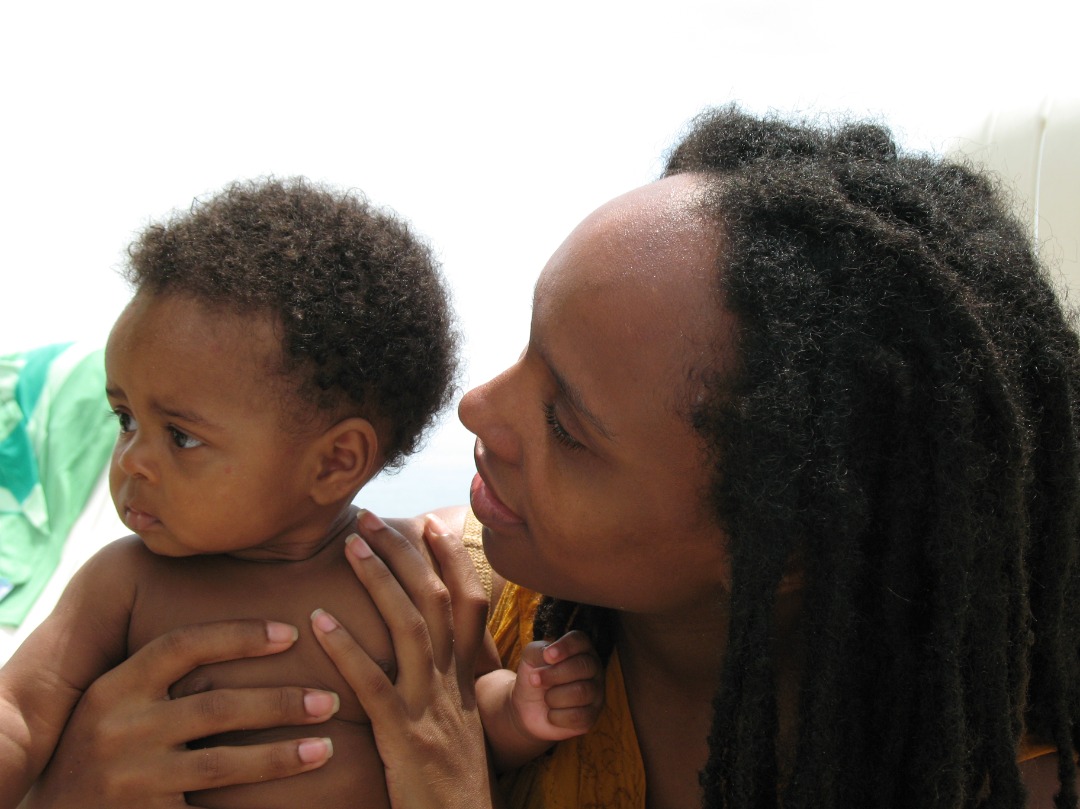
ما ساعدني في ذلك هو حبّي للعمل في كافة أنحاء البلاد، وتوثيق معارف الناس. لذلك تركت مساحتى المريحة، وأصبحت مديرة قطرية لمنظّمة إقليمية كويرية. تركَّز معظم عملي على إيجاد الموارد وبناء قدرات المجتمع المدني. بنيتُ استراتيجيتي على الذهاب إلى الريف، والبحث عن كلّ المنظّمات الصغيرة، والمساعدة في بناء قدراتها وتمويلها. لم أكن مُهتمّة بالسياسيين وبمصافحتهم والتقاط الصور معهم <ضحكة>. كان لديّ حليف رائع: شارلوت جودي، الناشط الكويري الذي قُتِل قبل ثلاث سنوات في منزله. تقرّبنا كثيراً بعد حظر مهرجان أفلام أفرو كويرية في هايتي كنا نخطّط له. أحدث المهرجان ضجّة كبيرة، وأثار نقاشات عن الكويرية في كلّ مكان، لذلك قدّمني شارلوت إلى منظّمات المجتمع المدني الصغيرة، المُنتشرة في كلّ ركن من البلاد. كان عليّ أن أكون هناك لمساعدة المنظّمة (المنظّمات)، على التسجيل بشكل قانوني أو بناء خطّتها الاستراتيجية. جعلتني هذه الأعمال ناشطة كويرية، وبالتالي ناشطة في قضايا المتحوّلين/ات جنسياً. مع ذلك لا أسمّي نفسي ناشطة. إنّها كلمة ثقيلة كما تعلمين. لكنّها الصفة التي يناديك بها الناس. أعتقد أنني مجرّد عاشقة ومقاتلة <ضحكة>.
السؤال الأوّل: أخبريني عن ورشة العمل التي نظّمتها للمهرجان مع AWID. ما هو مضمونها وسياقها؟
ا تتحدّث وسائل الإعلام الدولية عن هايتي، لكن مع وجود بيئة سياسية سيّئة فإن البيئة الاقتصادية تكون أكثر كارثية. نظراً لانتمائي إلى الطبقة الوسطى في هايتي، وتحدّثي بلغات عدّة، وامتلاكي جوازات سفر مختلفة، تردّدت بدايةً في أخذ هذه المساحة. غالباً ما أرى نفسي كجسر، لا شخص يتحدّث عن نفسه. لذلك دعوت سيمي، شابّة لامعة متحوّلة جنسياً من خارج بورت أو برنس، لتأخذ المساحة وتتحدّث عن نفسها، وترشدنا إلى واقع النساء المتحوّلات في هايتي. انتهى بنا الأمر بعقد جلسة عن النسوية غير الشمولية – أو كما أسمّيها المساحات النسوية الرسمية – وكيف أن الفتيات المتحوّلات في هايتي لا يملكن مساحات للمساهمة في التعريف عن المرأة ومشاركة واقعها. من هنا، كان مهرجان AWID فرصة لي لإعطاء مساحة للنساء اللواتي يجب أن يحصلن على فرص. أمضينا وقتاً رائعاً؛ احتسينا النبيذ أثناء جلستنا عبر الإنترنت، وشاركتنا سيمي، التي ساعدتني في إدارة الجلسة، بما يعنيه أن تكوني طفلة/ فتاة/ امرأة متحوّلة في مراحل مختلفة من حياتها، وتحدّثت عن أخطار الشارع والفقر والإقصاء والفشل في ظهورها كامرأة بعد التحوّل، وأيضاً عن انتصاراتها.
السؤال الأوّل: ما علاقة النساء المتحوّلات بالمنظّمات النسوية في هايتي؟ كيف كانت تجربتك في هذا السياق؟
لقد كانت تجربة النساء المتحوّلات صعبة، وفي الواقع مفجعة. من عدم الاعتراف بوجودهن إلى التعامل معهنّ بأسلوب جنسي مُتطرّف، فضلاً عن تعرّضهن للقتل من دون حتّى الإعلان عن هذه الحالات في الإعلام. وهو ما يعبّر عن مدى عدم الاعتراف بوجودهن، وعن كيفيّة محوهن. إنهنّ موجودات في كلّ مكان، لكن ليس في أماكن العمل، ولا في البيئات النسوية، ولا في بيئات المؤسّساتية. ولا حتّى في منظّمات مجتمع الميم. في الآونة الأخيرة فقط، ونتيجة حملات المناصرة، صحّحت بعض المنظّمات نوعاً ما هذه الوضعيّة. لكن لا يزال الأمر غير وارد في المساحات النسوية. ما زلنا مضطرّات للتعامل مع الخطاب الإقصائي القديم بـ»إنهنّ لسنا نساء. بالطبع، إذا نجحن في الظهور كنساء بعد عمليّات التحوّل...». إن ثقافة الفشل أو النجاح في التحوّل ليست إلّا محادثة عن إدارة المخاطر – إلى أي درجة ينجح التحوّل، وما الذي يعنيه لجسمكِ، والعنف الذي يلحق به. في الواقع الإقصائي للمتحوّلين/ات الذي نعيش فيه، ويُعاد إنتاجه في الكثير من المساحات النسوية، قد تُعتبر فتيات، وإلى حدّ معيّن، أولئلك اللواتي ينجحن في الظهور بما يتوافق مع الجنس الذي تحوّلن إليه. لكن ماذا عن الوقوع في الحبّ، وإجراء محادثة، وإخفاء الهوية الجنسية، والرغبة في الحصول على مظهر معيّن، أو مهنة معيّنة؟ في الحقيقة، أصبح العلاج بالهرمونات حديثاً عن الحدّ من المخاطر كما عبّرت سيمي في ورشة العمل. لكن ليس لدينا خيار العلاج الهرموني، ولا الإطار الطبي أو النظام لدعم أولئك الذين يرغبون في متابعته.
السؤال الأوّل: عندما تتحدّثين عن الطريقة التي يُنظر بها إلى الأشخاص المتحوّلين/ا جنسياً والكويريين/ات في المجتمع، يبدو أنها مشابهة لنظرة المجتمع في نيجيريا، حيث يبرز رهاب المثلية بعمق.
هايتي بلد مُعقّد للغاية وبطريقة جميلة جداً. لا يوجد شيء بسيط، كما تعلمين، لا يوجد شيء يُمكن القيام به بطريقة واحدة فقط. الهايتيون متسامحون للغاية – لكنّهم وفي الوقت نفسه يعانون من رهاب المثلية. سوف تجد مناطق في الريف، لا يعاني المقيمون فيها من رهاب المثلية على الإطلاق نظراً لوجود معابد فودو فيها، وهذه ديانة تحترم الحياة. أحد المبادئ الأساسية لديانة فودو هو عدم وجود ما هو صحيح أو خطأ. لفترة طويلة، كان الناس يعتقدون أن هايتي ملاذ ومكان حيث يعيش أناس متسامحون – نحن نتحدّث عن السبعينيات والثمانينيات وقبل انتشار فيروس نقص المناعة البشريّة، وحتّى التسعينيات. من ثمّ وقع زلزال العام 2010 وقتل نحو 300 ألف شخص، وبعدها تدفّقت كلّ هذه الأموال من جنوب الولايات المتّحدة عبر الإنجيليين لإعادة بناء البلاد والعثور على يسوع. لذلك، يُعدّ رهاب المثلية حديث النشأة في هايتي. في العمق، في روحية الثقافة، لا أستطيع القول إنّ هايتي معادية للمثليين. لكن في الحياة اليومية، من المؤكّد أن هناك عنفاً يقع على المثليين، وكذلك على النساء، والنساء الفقيرات، والنساء داكنات البشرة أيضاً، خصوصاً أنّ التمييز العرقيّ بارز جداً في منطقة الكاريبي.
السؤال الأوّل: كيف تمكّنت من إدارة الأمر؟ ما كانت استراتيجيّتك
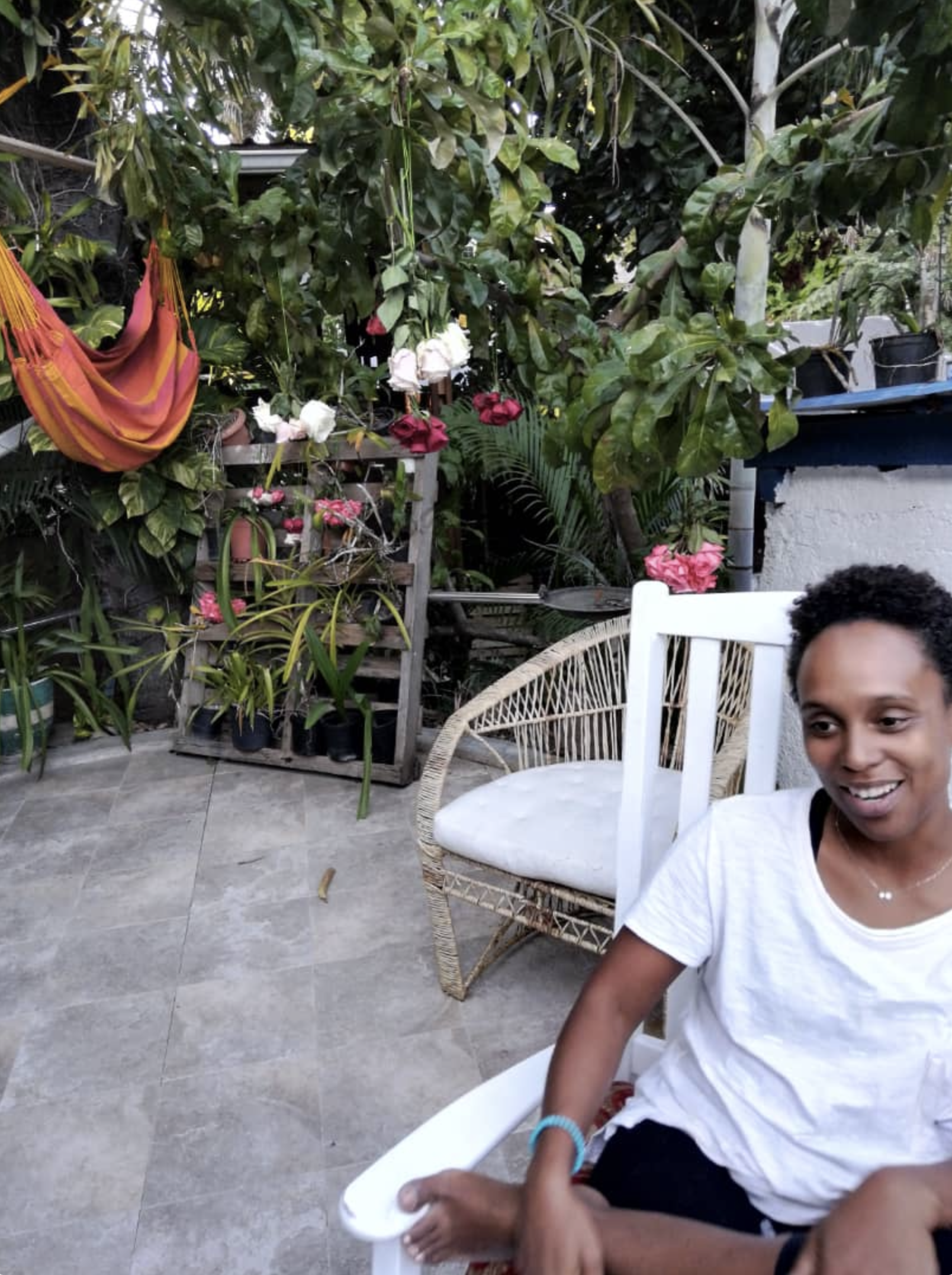
أنا أحبّ عملي حقّاً. أحبّ العمل بشكل عام. عندما وصلت، عملت بداية مع تلك المنظّمة غير الحكومية الرهيبة لكنني قمت بعمل رائع. كنت موجودة دائماً في الريف، وأتحدّث وأتعلّم من الناس والنساء. وهو ما أسعدَ قلبي لفترة طويلة لأنني أحبّ ثقافتي بشدّة، وأحبّ الأشخاص السود، والنساء السود – النساء السود المُسنّات، والأطفال السود. يملأني الأمر بروحانية. عندما كنّا في كندا، ارتاد أطفالي مدارس البيض المرموقة. لم يتحدّثوا بلغة شعب الكريول ولا الفرنسية. أمّا الآن فإنّهم يركضون بحرّية في حديقة المنزل، ويتقاتلون بلغة الكريول. أيضاً وجدت مع الأشخاص الذين قابلتهم محاور للبقاء. خلقت روابط مع الكويريين/ات وغيرهم من غريبي الأطوار مثلي. كان الأمر رائعاً حقاً. لكنّي أعاني الآن. لم أعد أشعر بالأمان في هايتي. أسبوعياً تُسجّل نحو 40 عملية خطف في بورت أو برنس – وهو وضع مستمرّ منذ العام 2018. أصبت بنوبات من القلق والذعر. لقد حان وقت الذهاب، فيما أسأل نفسي: «أين هو الوطن؟». قضيت 19 عاماً في مونتريال لكنّني لم أشعر مطلقاً بأنني في وطني. عندما غادرت، لم أفتقدها أبداً، لذلك لا أريد العودة إليها. أيضاً بكيت كثيراً مؤخّراً كوني أشعر بأنني دخلت إلى منفى ثاني.
السؤال الأوّل: كيف هي علاقتك مع المتعة والترفيه والراحة؟
علاقتي مع المتعة والترفيه والراحة مماثلة وواحدة. إنها لحظة أعيشها عندما أدلّل نفسي بحرارة الشمس على وجهي على سبيل المثال. هي المتعة والترفيه والراحة في الوقت نفسه.
المتعة: مساحتى المُفضّلة، ملاذ للاحتفال بنفسي، حيث أحفظ لنفسي القوّة والحقّ في أن أكون هادئة أو صاخبة خلال لحظات المتعة التي أختبرها. أنغمس بكلّ لحظة متعة، بما في ذلك، متعة الوحدة والصمت.
الترفيه: ركوب الدرّاجة، والمهرجانات الموسيقية، والأكل، وتذوّق النبيذ، المشاركة في رقصات الفودو الهايتية التقليدية. كلّها من ضمن الأنشطة العديدة التي أشارك فيها حالياً.
الراحة: هو ما أعيش من أجله. بما أنني شخص متفوّق وأحبّ العمل، فمن المفارقة أن أكون كسولة أيضاً. لا أحد يعلم بالأمر، لأن ما يرونه هو أنني أعمل بجدّ وبأكثر من طاقتي. إنهم لا يعرفون كيف يمكنني الانغماس في الكسل بشكل عميق وبلا تردّد.

This journal edition in partnership with Kohl: a Journal for Body and Gender Research, will explore feminist solutions, proposals and realities for transforming our current world, our bodies and our sexualities.
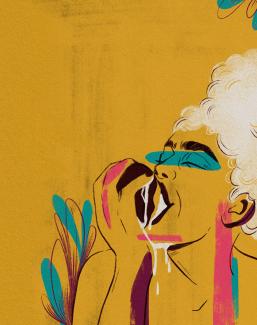
نصدر النسخة هذه من المجلة بالشراكة مع «كحل: مجلة لأبحاث الجسد والجندر»، وسنستكشف عبرها الحلول والاقتراحات وأنواع الواقع النسوية لتغيير عالمنا الحالي وكذلك أجسادنا وجنسانياتنا.

Non, nous souhaitons recevoir une seule participation par groupe.
ترجمة لينا يحيى ومايا زبداوي
 |
هند وهند هم أوّل زوجين كويريين موثّقين في التاريخ العربي. وفي عالم اليوم، هم فنّان/ة كويري/ة من لبنان. |
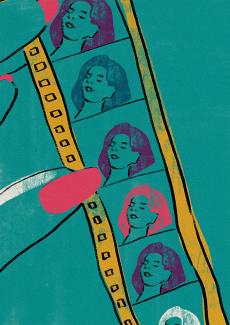
عندما كنت في السادسة من العمر، علِمت أنّ جدّي كان يملك داراً للسينما. أخبرَتني أمّي كيف أنه افتتحها في أوائل الستينيّات، وكانت هي حينها في مثل عمري، إذ كان عمرها قُرابة الستّ سنوات. تذكّرتُ أنهم في الليلة الأولى عرضوا فيلم «صوت الموسيقى».
كنت أمرّ بجانب دار السينما كلّ نهاية اسبوع وأرى جدّي يلعب طاولة النرد مع أصدقائه. لم أكن أعرف أنه كان يعيش داخل السينما في غرفة تقع تحت حجيرة بثّ الصور المتحرّكة على الشاشة. علمت فيما بعد أنه انتقل إلى هناك بعد إنفصاله عن جدّتي، وبعد أن أقفلت السينما في التسعينيات بُعيد انتهاء الحرب الأهلية اللبنانية.
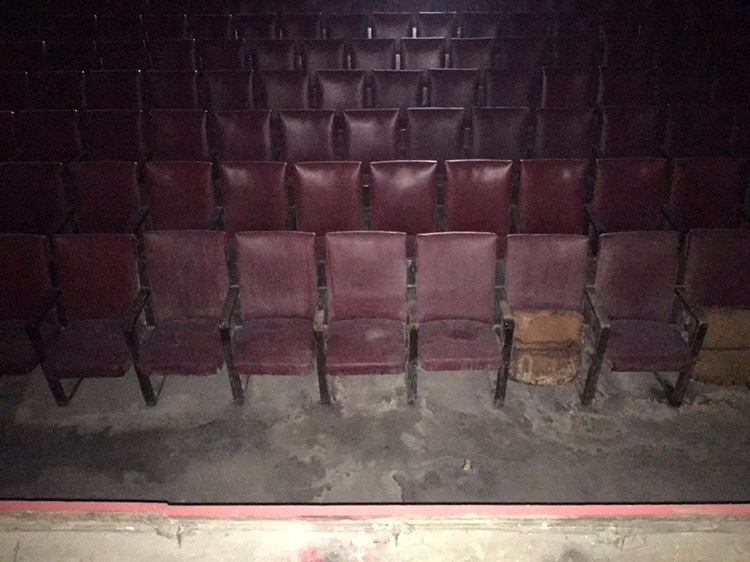
لسنوات وحتى وفاته، غالباً ما كنت أرى جدّي يلعب طاولة النرد مع اصدقائه في صالة الاستقبال المهجورة في السينما. كانت تلك المشاهد المتكرّرة كلّ ما أذكره عن جدّي. لم يتسنَّ لي أن أعرفه حق المعرفة، لم نتكلّم يوماً عن السينما، رغم أنه أمضى كلّ وقته في دار سينما متهالك. لم أسأله يومًا عن ماهية العيش في مكان كهذا. توفّي جدّي عندما كنت في الثانية عشرة من العمر، ليلة الميلاد، نتيجة سقوطه عن الدرج اللولبي الذي يؤدي إلى حجيرة عرض الصور على شاشة السينما. تكاد تكون طريقة موته رومانسية، إذ أنه توفي وهو يتحرك ضمن دارٍ اكتنفت صورًا عُلّقت حركتها بين حبال الزمن.

في ربيع عام 2020، اتصل بي إبن خالي ليخبرني أنه نظّف دار جدّي للسينما، وطلب منّي أن ألقاه هناك. لطالما حلم كلانا بإعادة ترميمها. سبقتُه في الوصول إلى المكان. في غرفة الاستقبال، كانت إطارات الصور ما زالت معلّقة، لكنها كانت خالية من الصور. عرفت أنه لابدّ من وجود أعقاب تذاكر في مكان ما، وجدتها مكدّسة في علبة حديدية صغيرة يعلوها الصدأ على رفٍّ في حجيرة التذاكر، أخذت بعضاً منها ووضعتها في جيبي.
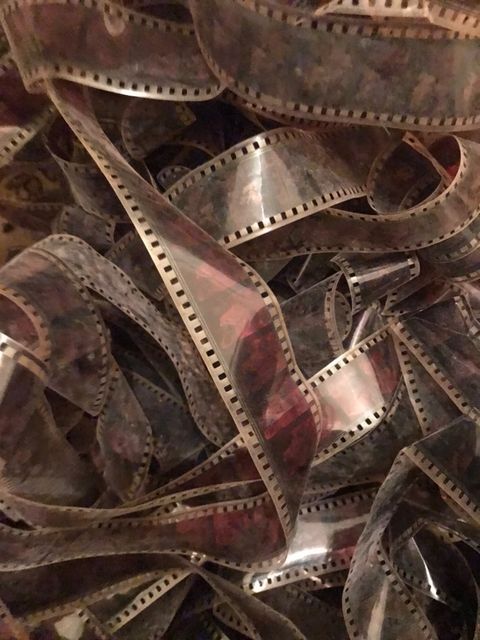
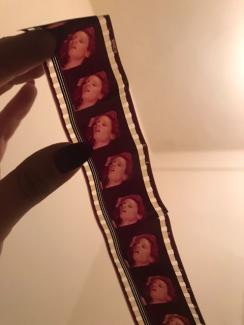
جُلت في المكان. على المسرح الرئيسي كانت شاشة العرض متّسخة جدًا، وممزقة قليلًا عند الطرف. مرّرتُ سبّابتي على الشاشة لأزيل بعضًا من الغبار، ولاحظت أن الشاشة حافظت على لونها الأبيض وراءه. وبدا القماش بحالة جيدة أيضًا. نظرت إلى أعلى، ستائر جدّتي ما زالت معلقة في مكانها. كانت الستائر مصنوعة من قماش الستان، يزيّنها شعار صغير مُطرّزٌ عند وُصلة الستارة، يمثّل شعار دار السينما. كانت هناك صالة رئيسية للجلوس، وقاعة عُليا (بلكون) للغرض عينه. بدت الكراسي مهترئة. رأيت جهاز تسليط الصورة على الشاشة (البروجيكتور)، يُطلّ برأسه من نافذة صغيرة عند طرف الشرفة. ارتقيت الدرج اللولبي المؤدّي لحجيرة العرض. كانت الغرفة مظلمة، غير أن القليل من النور تسلل من النوافذ الصدئة، وسقط على كدسة من بكرات الأفلام المُلقاة في الزاوية. أشرطة بلاستيكية هامدة متشابكة، عند طرف قاعدة جهاز تسليط الصورة على الشاشة. كانت كلّ البكرات التي يكسوها الغبار، عائدة لأفلام وسترن وبوليوود وعلوم خرافية ذات عناوين سيئة مثل «لشهب الذي دمّر الأرض»، أو ما شابه ذلك. لفت انتباهي مجموعة من أشرطة أفلام مكسوّة بالغبار – على الأغلب أنها قصاصات مقتطعة من بكرات الأفلام. واحدة تلو الأخرى، أظهرت القصاصات مشاهد تقبيل مختلفة، وما بدا كأنّه رقصة خليعة، ومشهد يصعب وصفه لجمع من الأشخاص، ومشهد قريب لامرأة مستلقية وفمها مفتوح، وافتتاحيات لفيلم من إنتاج بوليوود، وعبارة «يُعرض حالياً»، عبارة تكرّرت في عدة صور.
ذكّرتني افتتاحيات فيلم بوليوود بأمي. كانت تخبرني كيف كانوا يوزّعون المناديل الورقية على المشاهدين وهم يغادرون بعد انتهاء العروض. احتفظت بقصاصات الأشرطة التي أظهرت مشاهد التقبيل والرقص الخلاعي. وافترضت أنّه تمّ اقتطاعها لدواعي الرقابة. ذكّرني المشهد القريب للمرأة بقولٍ لناقد الأفلام بيلا بالاش، عن أفلام «الرجل المرئي أي ثقافة الأفلام» و»روح الأفلام» و»نظرية الأفلام». قال إن اللقطات القريبة في الأفلام تدلِّل على:
مناجاة صامته، حيث تستطيع معالم الوجه التعبير بأفصح ظلال المعاني، دون تكلّف ودون استنهاض للإحساس بالبعد الذي قد يخالج المشاهدين. في هذه المناجاةِ الفردية الصامتة، تجد الروحُ الوحدانيّة لسانَ حالها مترجَمًا أمامها بصراحة وحرية لا نظير لها في أي شكل آخر من أشكال المناجاة الكلامية، لأنها تعبيرٌ غريزي وعفوي في تكوينه.
على الأرجح أنّ بالاش كان يصف اللقطات القريبة لـ «جوان» في الفيلم الصامت «آلام جان دارك»، مُشيرًا في ذاك الصدد إلى أنّ «...الفيلم الصامت وما يحتوي عليه من تركيز على تعابير الوجه ضمن كادرات تستبعد المحيط العام، قادرٌ على الولوج في أبعاد جديدة وغرائبيّة من الروح».
تفحّصتُ قصاصة الفيلم بدقّة أكبر. بدت المرأة ميتة، وبدا وجهها وكأنه قناع. ذكّرتني بلوحة «أوفيليا» للرسام جون ايفرت ميليه. تقول سوزان سونتاغ في كتابها عن التصوير، إنّ الصورة هي «أثر، شيء منحوت من معالم الواقع مباشرة. إنها كما أثر القدم أو قناع الجبصين». أقنعة الجبصين، ما هي إلا شكلٌ من الحضور الذي يذكّر بالغياب.
أذكر أنّي اطلعت على معالجةٍ حول الموت والتصوير، في سياق فيلم قديم لروبرتو روسيليني «الآلة التي تقتل الاشرار». في هذا الفيلم، يجول المصوّر في المكان ويلتقط صورًا لأشخاص، أشخاص يُصار إلى تجميدهم لاحقًا، ومن ثم يُترَكون معلّقين في حبال الزمن. كان الناقد الفرنسي أندريه بازين يعتبر أنّ التصوير يسرق الأجساد من تيار الموت الهادر، ويحفظها من خلال تحنيطها. لقد وصف هذا التحنيط الفوتوغرافي على أنه «حِفظ الحياة عبر تمثيل الحياة».
شعرت بحاجة ماسّة لحماية حجيرة بثّ الصور هذه، بكل ما فيها من أغراض تبدَّلَت أماكنها عبر الزمن، وقصاصات أشرطة الأفلام المُلقاة على الأرض، شعرت بحاجة لحماية كلّ ما حمل بصمات جدّي.
وجدت، تحت قصاصات الأشرطة، بكرة يعلوها الغبار لفيلم لم ينته عرضه. بدا وكأنما أحدهم كان يشاهد الفيلم يدويًا. في تلك اللحظة، صعد ابن خالي الدرج اللولبي ورآني أتفحص الشريط. فرك ذقنه بأصابعه وقال بلهجة واثقة، «وجدتِ الشريط الإباحي».

نظرتُ إلى شريط الفيلم الذي أحمله بيدي، ولاحظت أنه لم يكن مشهدًا للموت. القصاصة اقتُطعت من بكرة شريط فيلم إباحي. المرأة كانت تئنّ من النشوة. يُراد من اللقطات القريبة إظهار المشاعر المحمومة، رعشة الجماع. لكن لم يسبق لي أن استعنت بنظريات بالاش لأصف مشاهد إباحية. يقول في إحدى كتاباته، «الذروة الدرامية بين شخصين، تظهر دائمًا على شكل حوار تقوده تعابير الوجه موضوعةٌ ضمن لقطات قريبة». وضعت قصاصة الفيلم في جيبي وسمّيت المرأة عشتار. ومنذ تلك اللحظة، لم تغادر القصاصة محفظتي. بدا غريبًا أن أُقارن لقطة التصوير القريبة لمخاوف جان وشجاعتها، بتعابير النشوة على وجه عشتار.
كان ابن خالي قد أخبرني، أن شقيق جدّي كان ينتظر حتى يغادر جدّي المسرح، وعوضاً عن إقفال المكان، كان يدعو أصدقاءه لمشاهدة الأفلام بعد العروض. لم أفكّر بالأمر كثيرًا، كان ذلك أمرًا شائعًا خاصةً خلال وبعد الحرب الأهلية اللبنانية.
بعد الحرب انتشرت أجهزة التلفاز، فباتت متوافرة تقريبًا في كل منزل لبناني. أذكر أنّه وفي أواخر التسعينيات كان لدي جهاز تلفاز حتى في غرفة نومي، وكنت حينها في السادسة من العمر تقريبًا. أخبروني أن شراء أفلام الفيديو الإباحية، كان شائعًا في تلك الفترة. محمد سويد، كاتب ومخرج لبناني، أخبرني ذات مرة أنّ دور السينما كانت تعرض الأفلام الفنية والإباحية في الفترة الممتدة من أواسط الثمانينيات حتى أواسط التسعينيات، لتتمكّن من الاستمرار. وسمعتُ أيضًا أن أولئك الذين كانوا يعرضون الأفلام على الشاشة، كانوا يقتطعون قصاصات من أشرطة الأفلام الإباحية، للقيام بمونتاج مختلف يُمكّنهم من بثّ عروض مختلفة كل ليلة. إلا أنه في النهاية، أخذ الناس يفضّلون البقاء في منازلهم ومشاهدة أفلام الفيديو على التلفزيون. وبدأت دور السينما تُفلس وتُغلق أبوابها نهائياً.

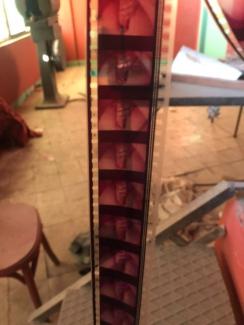
عاد ابن خالي إلى الطابق السفلي ليطّلع على أرشيف السجلّات المحفوظ في غرفة المكتب. بقيت في الحجيرة، بدأت أُقلّب قصاصة شريط الفيلم بين سبابتي والوسطى، وأحرّكها بإبهاميّ، وبتأنٍ أمرّر اللقطات بين يدي. رفعت القصاصة نحو النافذة المكسوّة بالغبار، ونظرت إليها بعينين شبه مغلقتين محاولة استيعاب هذه الصورة الباهتة اللون. رأيت، في هذه السلسلة من اللقطات، صورة قريبة جدًا لعضو ذكري دُفِع داخل مهبل. توالت هذه الصورة في عدة لقطات حتى وصلتُ إلى عقدة الفيلم، عندها تخيّلت البقيّة.
كان هانك يكشف عن عضوه أمام فيرونيكا، التي كانت مستلقية على السرير أمام مزينة هي تقليد لتلك التي كانت رائجة أيام لويس الرابع عشر. نهضَت ببطء، وأنزلَت بتأنٍّ حمّالة قميص نومها الشفاف من على كتفها الأيسر. اقترب هانك وحرّر روبها الذي كان يغطي جسدها، وأمسكها ولفّها بشكل نصف دائري، وصفعها على مؤخرتها، ودفعها إلى الأسفل نحو المزينة، ودفع عضوه داخل مهبلها بشكل متكرّر، فيما المزينة أخذت ترتطم بالحائط المزيّن بورق الجدران.
لطالما لفت الديكور الداخلي انتباهي منذ أن أخبرتني أستاذتي في «دراسات النساء في الإباحية»، أنّ أكبر الأرشيفات الإباحية في أميركا الشمالية كانت تُستخدم لتفحّص ودراسة الأثاث لدى الطبقة الوسطى في تلك الحقبة. لذا، وفيما كانت فيرونيكا منحنية وهانك يضاجعها من الخلف، كان يمكن لمساعد باحث جامعي، أن يتكهّن ماهية التصميم للشعار الذهبي على المزينة، أو دراسة نقش الركوك على كرسي خشبي في إحدى الزوايا.
للحظة، تتحوّل الحجيرة إلى فضاءٍ يشغله المخيال الجنسي الأُنثوي، الأمر الذي يُزعزع راحة مساحةٍ كانت قد كُرسّت من قبل لتغذية جنسانية الذكور. كنت واثقة من أن الرجال وحدهم كانوا القادرين على دخول دور السينما التي تعرض أفلاماً إباحية. في حجيرة لعرض الأفلام، كان شريط بكرة الفيلم متشابكًا جدًا ويصعب تسريحه، وتراكم الغبار فيها لأكثر من عقد من الزمن. لذا وضعتها في حقيبتي الصوفية وخرجت من المسرح.
لا أدري ما الذي أصابني، لكني شعرت بقوة تدفعني للاحتفاظ بها. أردت أن أشعر بنشوة حراسة شيء غامضٍ وإباحي. وفيما أنا أسير في الشارع، كنت واثقة بيني وبين نفسي أن الناس يعلمون أني أُخبِّئُ شيئًا ما. وغمرني شعور بالذنب ممزوج بالفرح في آنٍ معاً. بدا شعورًا غريبًا.
فتحت باب غرفتي أنا وعم فكّر ببكرة الفيلم الإباحي اللي بشنطتي والأفكار اللي خَطَرتلي بطريق الرجعة عالبيت. تذكّرت إنّو فيه حيط بيفصل أوضة نوم جارتي ليلى عن أوضتي. ممكن ما تكون بالبيت بهالوقت بس فيه إحتمال تسمعني. سكّرت الباب وطلّعت فيلم عشتروت.
تخيّلتها هيّي وعم ترقص قدّامي لتغريني وعم تهزّ بخصرها يمين وشمال. انرَسَمِتْ إبتسامة بعيونها كأن عم تناديلي. طلعت عالتخت وأشّطت البنطلون. فوّتت صابيعي بالكيلوت وبلّشت داعب كسّي ودلّلت فتحة صدري بصابيع إيدي الشمال. جسمي كلّه انتفض من الإثارة. كنت عم إلهت واتقلّب عالفرشة. حبَست أنفاسي وارتجفت أطرافي. لشلَش جسمي واللبن عم ينقط من كسّي. استلقيت وولّعت سيجارة…
عندما كنت طالبة في الجامعة، أخذت صفًّا سُمّي «مقدمة لدراسة الأفلام». البروفيسورة أريكا بالسوم، أستاذة المادة، حدّدت يومًا لعرض فيلم بيت غوردن «متنوّعة». كنت جدًا متحمّسة لمشاهدة أول فيلم لكريستين فاشون، قبل أن تتحوّل إلى إنتاج الأفلام التي تُعَدّ حاليًا جزءاً من حركة السينما الكويرية الجديدة. وُصِف فيلم «متنوّعة» بأنّه فيلم نسوي عن كريستين، امرأة بدأت عملها كموظفة لبيع التذاكر في دار سينما للأفلام الإباحية في مدينة نيويورك، تدعى «دار التنوّع». كانت كريستين تسمع ما يدور في الأفلام، لكنها لم تدخل صالة العرض يومًا. في نهاية الأمر، أثار اهتمامها أحد رواد السينما الدائمين، وأخذت تراقبه عن كثب. تبِعَته إلى متجرٍ للبالغين، وقفت جانبًا وأخذت تتصفّح مجلات للراشدين لأول مرّة في حياتها.
تلك النظرات التي استرقتها كريستين خلسة، جرى عرضها بطرقٍ مختلفة في الفيلم، وكان النصّ أيضًا يضجّ بكثير من المناجاة الفردية الشهوانية، والتي قد تُعتبَر فاسقة وفظّة.
في مشهد جرى تصويره في رواق للّعب، كانت تقرأ كتابات جنسية لصديقها، وكانت الكاميرا تتنقل بين مشهد قريب لمؤخرة صديقها مارك، وهو يلعب لعبة الكرة والدبابيس، ويؤرجح وركيه إلى الأمام والخلف، فيما هو مستند إلى آلة اللعب في الرواق، ومشهد قريب لوجه كريستين وهي تتلو مناجاتها.
«كان سكاي يحاول إيقاف سيارة لتقلّه، فتوقفت له شاحنة صغيرة تقودها امرأة. كان الوقت قد تأخّر جدًا، وكان بحاجة لمكان يبيت فيه. فعرضت عليه أن يبقى في منزلها.
أرشدته إلى غرفته وقدّمت له شرابًا. شربا وتحدّثا، ثم قرّرا أن يخلدا للنوم. لكنه لم يستطع النوم، فارتد سرواله وسار عبر الردهة إلى غرفة الجلوس. كان قد وصل إلى مكان حيث كان يرى دون أن يُرى. كانت المرأة مستلقية على المنضدة عارية، وساقاها مُتدلّيتان للأسفل. بدا جسدها ناصع البياض، وكأنّما لم يعرف الشمس يومًا. كانت حلمتا ثديَيها زهريّة اللون، متوهّجة كالنار ومتهلّلة كالقمر – شفتاها مفتوحتين وشعرها الأحمر السِّرياح مسدولاً وكأنّه يَلْعَق سطح الأرض. كانت ذراعاها ممدودتين وأصابعها تلاعب الهواء وجسدها اللامع أملسٌ لا تشوبه لا زوائد ولا حواف، أما بين ثدييها فتنسلّ أفعى كبيرة ملتفّة حول أحدهما ومتدلّية عند حدود الآخر. لسان الأفعى ممتدّ بارتعاشة نحو المهبل القرمزيّ – مفتوحًا على مصراعيه، تحت وهج الضوء. شعور بحيرة مضطرمة غزت جوارحه، فعاد الرجل إلى غرفته وبصعوبة فائقة أجبر نفسه على النوم. في صباح اليوم التالي، وفيما هما يتناولان الفراولة، تطلب منه المرأة أن يبقى ليلة أخرى. ومن جديد، لم يستطع النوم …».
عندما كنت في الثالثة والعشرين من العمر، فاجأتني لين، الفتاة التي كنت أواعدها من صفّ «مقدّمة لدراسة الأفلام» بأن اصطحبتني لمشاهدة أفلام إباحية قصيرة بمناسبة عيد الحبّ. كانت الأفلام تُعرض في مسرح مايفير، وهي دار سينما خاص. كان تصميم المسرح يشبه مسارح نيكلوديون في أميركا الشمالية لكن مع لمسة من معسكرات التخييم. كانت شرفاته مزيّنة بقطع كرتونية كبيرة من ملصقات لأفلام «شيء مستنقع» و»كائنات فضائية».
في تلك السنة، جرى تقييم المهرجان من قبل النجمة الإباحية كاسي ماي وكان البرنامج يشمل ساعة ونصف من الأفلام القصيرة؛ وقد تنوّع المحتوى بين أفلام إباحية خفيفة إلى الرغبة الجنسية بأكل البراز.
شاهدنا بضعة دقائق من فيلمٍ بدا أنه فيلم إباحي خفيف للجنس المغاير. أظهر الفيلم رجلاً وامرأة يمارسان الجنس في غرفة جلوس عصرية ثم انتقلا إلى غرفة النوم. كان الفيلم بمعظمه يصوّرهما وهما يتبادلان القُبل ويتحسّسان بعضهما الآخر بينما تستلقي المرأة على ظهرها في أثناء المضاجعة. تسلّلت امرأة ذات شَعرٍ بنّي قصير وانسلّت في الفراش وهي تلعق سطح يدها كالقطة بضربات خفيفة. أصدرت مواءً وزحفت فوق الزوجين اللذين لم يعيراها انتباهًا مستمرّين بممارسة الجنس. زحفت خارج السرير واتجهت إلى المطبخ، رفعت الزبدية الفارغة بأسنانها ووضعتها على الوسادة. واستمرّت بالسير فوقهما حتى نهاية الفيلم القصير. بدا ذلك غريبًا جدًا. بدأتُ أضحك لكن لين بدت ممتعضة قليلاً. نظرتُ إلى يساري، فرأيت المشاهدين الآخرين يشربون البيرة ويأكلون الفشار فيما يضحكون بشكل جنوني. ضحكهم المستمر وتعليقاتهم بصوت عالٍ حدّدت معالم المهرجان. وأصبحت مشاهدة الجمهور أكثر متعة من مشاهدة الأفلام. اعتاد مسرح مايفير عرض أفلام الكالت (cult films)، ومشاهدة هكذا نوع من الأفلام لا يمكن إلا أن يكون ممارسة جماعيّة.
لم أتخيّل أن يكون شقيق جدّي قد شاهد الأفلام الإباحية في مسرح جدّي على هذا النحو. كانت دور السينما تعرض الأفلام الإباحية بشكل علني في تلك الحقبة، لكني لم استطع تخيّل ذلك يحدث في منزل والدتي. تخيّلته يشاهد الفيلم من جهاز بث الصور في الحجيرة، ليتمكن من إيقاف العرض بسرعة في حال قرّر أي ضيف غير متوقّع التوقف للزيارة. كان أصدقاؤه يجلسون على الشرفة في الخلف، حيث لا يستطيع الدخول إلا مَن كان معه مفتاح، لذا فالمكان آمن. كان عليهم التفكير بكل شيء، فالحيّ حيث كانوا يعيشون هو عبارة عن منطقة مسيحية محافظة. وكانوا يتحاشون المتاعب. على الأرجح أن شعورًا بالإثارة والذنب كان يغمرهم. واختلطت أصوات مزاح الإيروتيك المثلي مع أنين وظأظأة متقطعة، لكنهم كانوا يذكّرون بعضهم البعض بين الفنية والأخرى بضرورة خَفت الأصوات. كانوا يتبادلون الأدوار، إذ يقوم كلّ منهم بدوره ليتحقق من خلال النوافذ، إن كانت الأصوات مرتفعةً لدرجةٍ تلفت انتباه أيٍّ من الجيران. أحياناً، كانوا يُطفئون مكبّر الصوت فيخيّم شيء من الصمت.
عام 2019 وبعد مظاهرة سياسية، مررتُ بكشك كتب في شارع رياض الصلح، بالقرب من ساحة الشهداء وسط مدينة بيروت. رأيت عند طرف الطاولة، خلف كُتب هوغو ودو بوفوار، كدسة من الروايات الإباحية ومجلات للراشدين. كانت جميعها ترجمات لمنشورات وسترن. إخترت واحدة دونما أي تفكير، فكلّ ما كان يعنيني هو رغبتي بامتلاك نسخة لمجرد الشعور بالإثارة الذي يخالجني لامتلاكها. فأخذت واحدةً بصورة غلاف مُلفتة.
فيما كان يعطيني بقية الحساب، سألني البائع: «هل سبق والتقينا؟» نظر إلى صدري وانحدر بنظره إلى الأسفل. لا بد أنه افترض أني أعمل في مضمار الجنس أو الأفلام الإباحية. نظرت في عينيه وأجبته: «لا». استدرت، وهممت بالابتعاد والمجلّة في يدي، عندما استوقفني ليقول لي إنه يملك أرشيفًا كبيرًا في الطابق السفلي، وإنه يبيع دائمًا مجموعات إباحية ومنشورات على «إي باي» (eBay) لأوروبا وأميركا. ورغم أن البحث في ذلك الأرشيف كان مثيرًا للإهتمام، إلا أن شعورًا بعدم الارتياح منعني من الموافقة على العرض. لم أشعر بالأمان، سألته أين وجد تلك الروايات. ودُهشت حين علمت أنها مطبوعةٌ في لبنان.
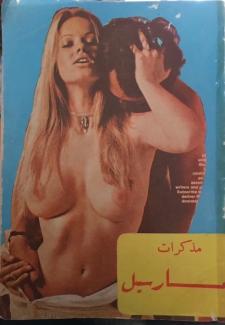
سرت نحو تمثال رياض الصلح. فتحت المجلة التي اشتريتها لأقرأها، فوجدت شكل النص مائل والخط ملطخ قليلاً، مما جعل قراءتها صعبة. والصور بداخلها كانت عبارة عن مجموعة قطع إباحية باهتة، بدَت الطباعة نزقة… أعجبني ذلك. القصة كانت بعنوان «يوميات مارسيل».
كان واضحًا أن الغلاف الفنّي هو عبارة عن صورة اقتُطعت من مجلّة وألصقت على ورقة زرقاء. بدت في الصورة امرأة لا ترتدي قميصًا، تُمسك برأس عشيقها وتدفع أصابعها في شعره، فيما هو يقبّل عنقها من الخلف. كان سحّاب تنورتها مفتوحاً ويد عشيقها على القسم الأسفل من وركها الأيمن، ويدها فوق يده. وقد فضنت شفتاها وكأنها تأنّ نشوةً، وشعرها الأشقر الأملس كما كان رائجًا في السبعينيات، ينسدل على صدرها ويغطي بعضًا من حلمتي ثدييها.
فتحت الصفحة الأولى. قرأت في التمهيد: «شهوات وشذوذ» والأخيرة ترجمة من النص الإنجليزي الذي قد يحمل معنيين: الشذوذ عن المألوف/المعياريّ أو الممارسات الجنسيّة الغرائبيّة.
قرأت الفصل الأول. إن الشخص الذي ترجم النص قام بتغيير إسم الشخصية الرئيسية للقصة فجعله فؤاد، إسم عربي. وخطر لي أن المترجم أراد بذلك أن يُشعر الرجال اللبنانيين الذين يقرؤون القصة بالتماثل مع تلك الشخصية. وأنا أتابع القراءة، لاحظت أن جميع عشيقاته كنّ يحملن اسماءً أجنبية مثل حنّة ومارلا ومارسيل ومارتا.
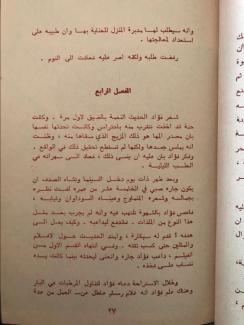
لاحظت في الصفحة 27، الفصل الرابع، أنّ مارسيل كان عشيق فؤاد.

جرت أحداث المشهد في دار سينما. كانت دور السينما في معظم الأحيان أمكنة للحرية الجنسية في أميركا الشمالية، خاصة في فترة السبعينيات وبعد الثورة الجنسية. وافترضت أيضًا أنهم أبقوا على جميع الأسماء الأجنبية الأخرى، لتبدو مثيرةً ومقبولة. فقد نُسب الأدب الإباحي والأفلام الجنسية لهوليوود الغرب بالرغم أنّ العالم العربي تاريخياً، أنتج نصوصًا شهوانية. أصبح الأدب الإباحي مُحرّماً، وكانت الطريقة الوحيدة الآمنة لإنتاجه هي تسويقه على أنه غريب وأجنبي.
إنه لَمن المثير للإهتمام كيف أنّ الهوية الأعجمية/»الأجنبية» هي ما يُشَرعن إجتماعيًا النصوص الشهوانية. إن الفارق بين الصفتين يعود إلى الأصول اليونانية للفظتي الإيروتيك (الشهوانية) والإكزوتيك (الأجنبيّة أو الأعجمية الغريبة العائدة الى ثقافة «الآخر» البعيد). فكلمة إيكزوتيك تشتقّ من تعبير إيكزو، «من الخارج»، بما معناه غريب أو أجنبي. وكلمة إيروتيك تشتق من عبارة إيروس، إله الجنس والحب. وعليه، فإن ما هو إيكزوتيكي هو أجنبي وغامض بالضرورة وما هو إيروتيك هو جنسي.
في لبنان، هناك خيط رفيع بين الأجنبيّ والجنسي في السينما. كما الخيط الرفيع الذي يميز الأفلام الفنية عن الأفلام الإباحية.
في عام 2015، وفي محادثة مع المخرجة جوسلين صعب في مطعم ڤييتنامي في باريس، عرفت منها أنها اضطُرّت أن تعيد تصوير فيلم «دنيا» لتغيير اللهجة من مصرية إلى لبنانية. أخبرتني أن الممثلين كانوا مصريين، وأنها لم تتشدد حيال النص. لم يسمحوا لها باستخدام اللهجة المصرية. كان يجب أن تكون اللهجة اللبنانية هي المُستخدمة لأن المنتجين كانوا قلقين حيال المشاهد الشبه شهوانية في الفيلم. لذا أصرّوا على جعل اللغة بأسرها أجنبية الطابع.
Escucha esta historia aquí:
Yes, the survey can be accessed using a smartphone.
By Nkhensani Manabe
The conversation title "Pansexual, Gynasexual or Abrosexual? A dive into queerness, pleasure and sex positivity" gives one much to think about. Tiffany Kagure Mugo, author, educator and curator of HOLAAfrica, begins the discussion with a reading from Touch, a recently published collection of fiction and non-fiction essays on sex, sexuality and pleasure. In this excerpt, the author puts forward the idea that pleasure is constant and ongoing, it is to be found in everyday activities and is not confined to sexual intercourse.
This idea, that pleasure is as much a part of daily life as anything else, runs through the discussion, which also covers topics of desire, attraction and sexual orientation.

Early on, there is this sense of hope and possibility. Tiffany presents options and explains alternatives, giving us new language to speak about who we are, what we like, and how we want it. This is about desire and sex, but mostly it is about self-knowledge and empowerment. Tiffany speaks passionately about making decisions from a place of power: learning your own identity so that you are able to make the best choices for yourself.
In a conversation that is open and free, representing the attitude that Tiffany would have us all adopt, we learn that knowledge about sex and sexuality is ever-changing, the boundaries are shifting. What we may have learned or, more importantly, been kept away from as children or adults is exactly where we should start unlearning and reprogramming. Tiffany notes that young people these days need tools to understand the experiences they are already having, a reminder to never underestimate what children and teenagers know about the kind of pleasure(s) they want to pursue in life.
The conversation opened my mind to something: knowing myself will help to build my confidence; I will be able to approach relationships with care not only for myself but for others, too. Learning the language of orientation, attraction, desire and pleasure will go towards deepening my future connections. I appreciated the space to think about this aspect of my life -- the private, intimate parts that I don’t access often. Tiffany’s enthusiasm about pleasure and identity pushed my own boundaries, allowing me to entertain new personal possibilities.
The idea of learning how to make holistic connections is still not common. Largely, we live in a culture of instant and fleeting connections. There is hardly any time to truly reflect on how and why we are seeking relationship or partnership -- at least, not until a moment of crisis.
Of course, there are selected spaces that welcome questions and discussions, such as the AWID Crear Résister Transform Festival and other free-thinking online platforms or publications -- but access to information from a helpful, non-judgemental source is something people are still trying to figure out. This may be in part because people are not confident in the language of sexuality and pleasure.
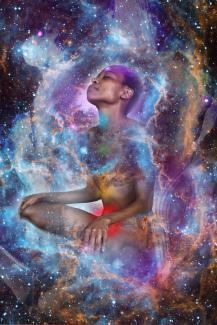
The notion of language and tools repeats itself throughout Tiffany’s presentation. Tiffany and her colleagues are doing the work of talking, teaching and nurturing. Seeing what people need, where they are, what they want for themselves, and walking alongside them as they build their ideal worlds. Giving them new words and definitions to help give shape to their identities at different stages of their lives.
These are the kinds of conversations that are necessary, even in a society that has myriad healthcare messages broadcast with varying degrees of details at any given moment. Sometimes people need to be brought back from the big picture moments and encouraged to learn about their individual opinions and desires. This is what Tiffany’s talk does: it gives people a space in the larger puzzle.
Sexual -- as in, the express desire to have intercourse with a person or people
Sensual -- the desire to touch a person or people, to be physically close without necessarily including intercourse
Romantic -- the desire to date or be in a relationship with a person or people
Platonic -- the desire to build close friendships
Aesthetic -- the desire to look at and be pleased by the appearance of a person or people
These five types or levels of attraction offer a shorthand for desire and pleasure, and help to contextualise the different kinds of pleasure people can experience.
Thinking of attraction beyond the physical or sexual offers a new perspective on connection. It is a chance to take the pressure off relationships, which opens up opportunities for different, more enlightened and fulfilling partnerships.
This freedom and knowledge that Tiffany presents is a roadmap to the future. The presentation offered a new perspective on what is possible.
As the opening excerpt states, pleasure is ongoing. In light of Tiffany’s discussion, it is also clear that it is dynamic and exciting. There is always more to know.
This may be daunting at first, but on the other side of hesitation is hope, potential and freedom.