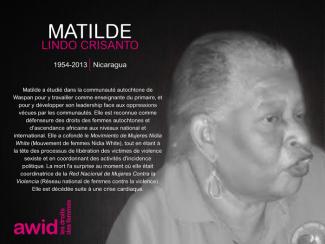
Karen Empeño & Sherlyn Cadapan
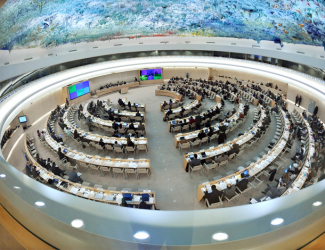
The Human Rights Council (HRC) is the key intergovernmental body within the United Nations system responsible for the promotion and protection of all human rights around the globe. It holds three regular sessions a year: in March, June and September. The Office of the UN High Commissioner for Human Rights (OHCHR) is the secretariat for the HRC.
Debating and passing resolutions on global human rights issues and human rights situations in particular countries
Examining complaints from victims of human rights violations or activist organizations on behalf of victims of human rights violations
Appointing independent experts (known as “Special Procedures”) to review human rights violations in specific countries and examine and further global human rights issues
Engaging in discussions with experts and governments on human rights issues
Assessing the human rights records of all UN Member States every four and a half years through the Universal Periodic Review
AWID works with feminist, progressive and human rights partners to share key knowledge, convene civil society dialogues and events, and influence negotiations and outcomes of the session.
Resources to support feminist movements, policy-makers, and allies!
Welcome to Crear | Résister | Transform: a festival for feminist movements!
AWID is committed to creating an online space that invites and challenges us all to operate from a place of courage, curiosity, generosity and shared responsibility.
We invite you to co-create spaces with us that are free of harassment and violence, where everyone is respected in their gender identity and expression, race, ability, class, religion, language, ethnicity, age, occupation, type of education, sexuality, body size, and physical appearance. Spaces where we recognize inequalities in our world and strive to transform them in our own interactions with each other.
This means that we are able to listen, understand and relate to each other. To feel close, in spite of it all being virtual. For this, we will make interpretation available and open channels (like chat and other tools) for you to react and share. To hear each other better, we invite you to wear headphones during the conversation. If it is possible for you , we suggest that you close your email and any other likely source of distraction while you are in the conversation.
Let us celebrate the multiple ways in which knowledge shows up in our lives. We invite you to approach the conversation with curiosity and openness to learn from others, allowing ourselves to unlearn and relearn through the exchange, as a way to start collectively building knowledge.
We are committed to holistically approaching accessibility by being mindful of different physical, language, mental and safety needs. We want a space that is welcoming of folks from various backgrounds, beliefs, abilities and experiences. We will be proactive but we also ask that you communicate your needs with us, and we will do our best within our capacity to address these needs.
We all commit individually and collectively to respect each other’s privacy and to seek people’s consent before sharing any images or content generated during the conversation that involves them.
Creating a safer, respectful and enjoyable environment for the conversations, is everybody's responsibility.
If you notice that someone is behaving in a discriminatory or offensive manner, please contact the reference person who will be indicated at the beginning of the session.
Any participants that express oppressive language or images, will be removed from the call and will not be readmitted. We will not engage with them in any way.
 |
 |
 |
 |
 |
 |
 |
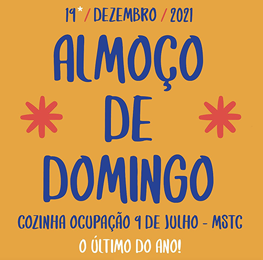 |
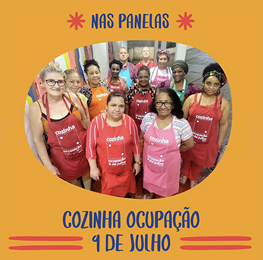
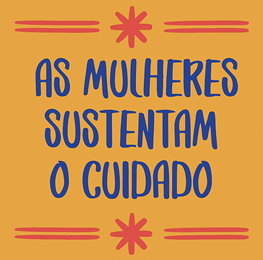
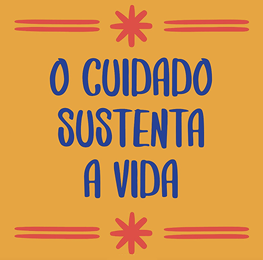
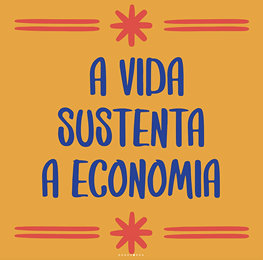
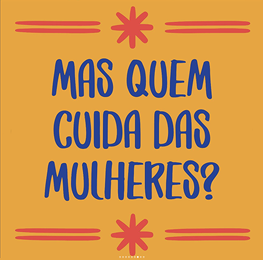
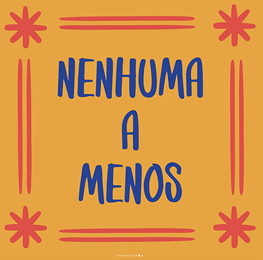
Women sustain Care | Care Sustains Life | Life Sustains Economy | Who takes care of women? | Not one less1 | Together | Sunday lunch
1Nenhuna a menos literally translates as “not one woman less” or “ni una menos” in Spanish - a famous feminist slogan in Latin America that emerged in Argentina as a response to increasing gender-based violence.

La encuesta está disponible en árabe, español, francés, inglés, portugués y ruso.
 |
Derechos humanos y etnico-territoriales Asegurar la defensa de los derechos humanos y los derechos de la Naturaleza a través de la construcción de alianzas con actores y organizaciones locales, nacionales, regionales y globales. |
 |
Desarrollo Sostenible Garantizar que todas las actividades económicas, culturales y ambientales contribuyan al desarrollo sostenible, la seguridad alimentaria y la generación de ingresos, respetando la libre determinación y el autogobierno de las comunidades afrodescendientes. |
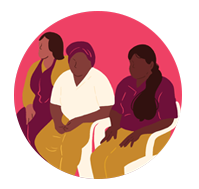 |
Educación y formación Capacitar y empoderar mujeres para que defiendan sus derechos en diferentes espacios políticos, sociales y económicos. ¡Para obtener más información, puedes ver más aquí! |
L’enquête WITM mondiale est un des piliers essentiels de la troisième édition de notre recherche orientée sur l’action, intitulée Où est l’argent pour l’organisation des mouvements féministes? (abrégé en Où est l’argent ou WITM, pour l’acronyme en anglais). Les résultats de l’enquête seront développés et approfondis à l’occasion de conversations profondes avec des activistes et des financeurs, et les références seront croisées avec d’autres analyses et études existantes sur la situation du financement des mouvements féministes et de l’égalité des genres à travers le monde.
Le rapport complet de la recherche Où est l’argent pour l’organisation des mouvements féministes sera publié en 2026.
 Pour en apprendre davantage sur la manière dont l’AWID met en lumière l’argent utilisé pour et contre les mouvements féministes, consultez notre dossier WITM et nos précédents rapports à ce sujet ici.
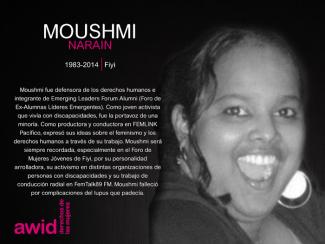
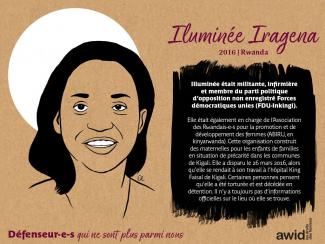
Bien plus de la moitié de la population mondiale est aujourd’hui dirigée par l’extrême droite. C’est sur cette toile de fond que défenseur·e·s des droits humains et féministes luttent pour « tenir bon », protéger le multilatéralisme et le système international des droits humains, alors que leurs engagements les exposent à de violentes répressions. Ces institutions sont cependant de plus en plus soumises aux intérêts du secteur privé. Les grandes entreprises, surtout les sociétés transnationales, siègent à la table des négociations et occupent des fonctions de leadership dans plusieurs institutions multilatérales, l’ONU notamment. Le lien entre ultranationalisme, restriction de l’espace civique et emprise des entreprises a un impact considérable sur la réalisation ou non des droits humains pour tout le monde.
En vous promenant dans le quartier du Raval à Barcelone, vous croiserez peut-être Metzineres, une coopérative féministe par et pour les femmes et personnes trans et non-binaires qui consomment de la drogue.
Imaginez un endroit sans stigmatisation, où les femmes et personnes trans et non-binaires peuvent consommer des drogues en toute sécurité. Un lieu qui offre sécurité, soutien et accompagnement aux femmes et personnes trans et non-binaires dont les droits sont systématiquement bafoués par la guerre contre la drogue et qui subissent violence, stigmatisation et répression en conséquence.
Juste à l'extérieur de l'entrée, les passant·es et les visiteur·euses sont accueilli·e·s par un immense tableau noir où figurent des conseils, des astuces, des souhaits et des dessins de personnes qui consomment de la drogue. Il existe également un calendrier qui présente une série d'activités auto-organisées par la communauté Metzineres. Qu'il s'agisse d'ateliers coiffure et cosmétique, des émissions radio, des pièces de théâtre, de repas communs offerts à la communauté ou des cours d'autodéfense, il y a toujours quelque chose à faire!
La coopérative offre des sites de consommation sûrs ainsi que des services qui couvrent les besoins de base des gens. Il y a des lits, des casiers, des douches, des toilettes, des machines à laver et une petite terrasse extérieure où les gens peuvent se détendre ou jardiner.
Metzineres opère dans un cadre de réduction des méfaits, qui tente de réduire les conséquences négatives de la consommation de drogue. Mais la réduction des méfaits est bien plus qu'un ensemble de pratiques: c'est une politique ancrée dans la justice sociale, la dignité et les droits des personnes qui consomment des drogues.
El objetivo fundamental de la encuesta ¿Dónde está el dinero? es arrojar luz sobre la situación financiera de la diversidad de movimientos feministas, por los derechos de las mujeres, la justicia social, las personas LBTQI+ y demás movimientos aliados de todo el mundo y, sobre la base de dicha información, reforzar las razones fundadas para movilizar más y mejores fondos y transferir el poder a los movimientos feministas.