
Maria Margarita Che Chub
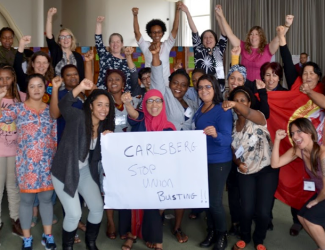
Women human rights defenders (WHRDs) worldwide defend their lands, livelihoods and communities from extractive industries and corporate power. They stand against powerful economic and political interests driving land theft, displacement of communities, loss of livelihoods, and environmental degradation.
Extractivism is an economic and political model of development that commodifies nature and prioritizes profit over human rights and the environment. Rooted in colonial history, it reinforces social and economic inequalities locally and globally. Often, Black, rural and Indigenous women are the most affected by extractivism, and are largely excluded from decision-making. Defying these patriarchal and neo-colonial forces, women rise in defense of rights, lands, people and nature.
WHRDs confronting extractive industries experience a range of risks, threats and violations, including criminalization, stigmatization, violence and intimidation. Their stories reveal a strong aspect of gendered and sexualized violence. Perpetrators include state and local authorities, corporations, police, military, paramilitary and private security forces, and at times their own communities.
AWID and the Women Human Rights Defenders International Coalition (WHRD-IC) are pleased to announce “Women Human Rights Defenders Confronting Extractivism and Corporate Power”; a cross-regional research project documenting the lived experiences of WHRDs from Asia, Africa and Latin America.
"Women Human Rights Defenders confronting extractive industries: an overview of critical risks and Human Rights obligations" is a policy report with a gender perspective. It analyses forms of violations and types of perpetrators, quotes relevant human rights obligations and includes policy recommendations to states, corporations, civil society and donors.
"Weaving resistance through action: Strategies of Women Human Rights Defenders confronting extractive industries" is a practical guide outlining creative and deliberate forms of action, successful tactics and inspiring stories of resistance.
The video “Defending people and planet: Women confronting extractive industries” puts courageous WHRDs from Africa, Asia, and Latin America in the spotlight. They share their struggles for land and life, and speak to the risks and challenges they face in their activism.
Challenging corporate power: Struggles for women’s rights, economic and gender justice is a research paper outlining the impacts of corporate power and offering insights into strategies of resistance.
AWID acknowledges with gratitude the invaluable input of every Woman Human Rights Defender who participated in this project. This project was made possible thanks to your willingness to generously and openly share your experiences and learnings. Your courage, creativity and resilience is an inspiration for us all. Thank you!
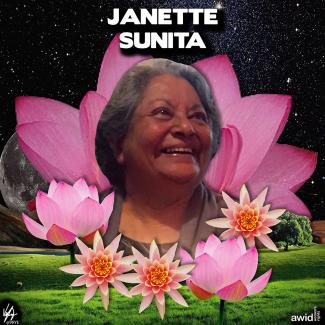
De la India, Janette era enérgica, extraordinaria, compasiva y amorosa.
Su intolerancia de la injusticia y su firme compromiso de defender los derechos de todas las personas la llevaron a trabajar en TARSHI (una ONG que trabaja en temas de la sexualidad y la salud y derechos sexuales y reproductivos) durante más de 15 años. Janette dirigió con destreza las finanzas, los recursos humanos y los aspectos operativos del trabajo de TARSHI, atravesando hábilmente la laberíntica burocracia a la que están sometidas las ONG indias.
Lxs integrantes de su equipo recuerdan que «Ella se quedaba vigilando, de manera que pudiéramos seguir el rumbo en aguas abiertas. Mujer de muchos talentos, Janette no sólo nos ayudó a conseguir nuestra propia oficina sino que también la diseñó para una utilización óptima». Amaba viajar y a los animales, y estaba interesada en la terapia asistida por animales.
Não, apreciamos o seu trabalho, mas, de momento, não solicitamos respostas de indivídues.
Aprende más sobre las realidades feministas
Por favor no dudes en contactarnos.

Oeuvrez pour le renforcement des mouvements pour les droits des femmes et contribuez aux transformations en faveur des droits humains.
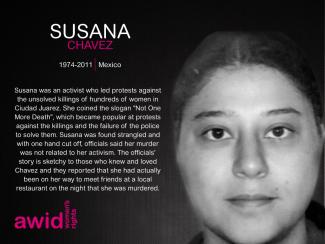
Membre de la communauté autochtone maya ixil, Juana était infirmière professionnelle et coordinatrice du Comité de développement des agriculteurs (CODECA)
CODECA est une organisation de défense des droits humains composée d'agriculteurs autochtones et vouée à la promotion des droits à la terre et du développement rural pour les familles autochtones dans la microrégion de Nebaj Quiché. Elle a d'abord rejoint le CODECA en tant que membre de la Juventud de CODECA (branche de la jeunesse).
Au moment de son décès, elle venait d’être élue membre du Comité exécutif du Mouvement de libération des peuples (MLP).
Le corps de Juana a été retrouvé par des voisins au bord d’une petite rivière sur la route située près de Nebaj et du village d’Acambalam, au Guatemala. Selon le CODECA, son corps portait des traces de torture.
六大主軸支持起論壇中女性主義理念實現的框架。每個主軸都以實現的女性主義理念、經驗和願景為中心,探討抵抗與主張、奮鬥與另類選擇之間持續不斷的關係。我們希望能共同探討出女性主義理念實現的構成要素,並找到讓女性主義理念實現在人生不同領域,欣欣向榮發展的推動力。
這些實現的理念可能以生活方式、夢想和構思中的想法充分表達,或是寶貴的經驗和重要的時刻。
這些主軸並不是孤立的主題,而是與論壇活動相互串連的載體。我們預期許多活動會處在這些主題的交匯處,不同的爭取方式、社群和運動之間的交匯處。這些說明只是初步的描述,會隨著女性主義理念實現之旅的開展而不斷地演變。
本議題主軸聚焦以下問題:個人、社群和運動如何滿足自身的基本需求,並用以人為本及自然為本的方式,確保我們所需繁盛發展的資源。「資源」指的是食物、水、清潔的空氣以及金錢、勞動力、資訊、知識和時間等等。
女性主義者對抗以剝削和榨取掛帥的主流經濟體制,對於組織我們的經濟與社會生活,女性主義提出了方案、累積經驗與付諸實踐,本主軸借重其經驗,表彰深具影響力與啟發性者。糧食和種子主權、女性主義的工作和勞動願景、公正和永續的貿易體系等等,只是將要探索的一部分問題而已。我們將勇敢面對在壓迫的經濟體制下為了生存而產生的矛盾。
女性主義針對經濟正義與創造財富進行了廣泛分析,本主軸以此為前提研究組織與運動獲得資金與資源的主題,探討如何將資源轉移到需要的地方,如何從稅捐正義和基本收入的模式轉移到不同的慈善模式以及運動該如何發揮創意並自主開源。
我們力求樹立新的願景,並擴展女性主義治理、當責和正義以實現的理念與經驗。面對全球危機以及法西斯主義和基本教義派崛起,這個主軸以女性主義的、激進又解放的模式、實務與理念為重心,從在地到全球,探討社會與政治生活的組織。
本議題主軸將探討女性主義治理的樣貌,從女性主義的地方自治經驗、在民族國家以外建立制度,再到我們對多邊主義的願景。我們將交流社群、組織和運動中正義和當責製程序的經驗,包括修復式、以社群為本、轉型正義模式,而這些模式拒絕國家暴力和監獄產業綜合體。
以旅行、移民和難民以及女性主義組織經驗為中心,我們追求一個沒有致命邊境政權的世界:一個可以自由移動,旅程令人雀躍的世界。
科技在我們生活中扮演的角色越來越吃重,線上與線下真實之間的分野越來越模糊。女性主義者廣泛應用科技與線上空間來營造社群、相互學習和動員行動。借助線上空間,我們可以拓寬實體世界的邊界。但另一方面,數位通訊主要歸企業所有,而其對用戶的責任卻很少。資料探勘、監視和安全漏洞已成為常態,網路暴力和騷擾也是。
本議題主軸探討了數位化現實下的女性主義機遇和挑戰。我們將探討主導數位環境私有平台的替代方案、探索網路空間時維持身心健康的策略,以及如何應用科技來克服取得服務的挑戰。關於愉悅、信任和人際關係,我們將探索科技可發揮的潛力。
女性主義理念實現也存在於自身:體現的經驗。父權、順性別異性戀與資本主義掛帥結構的核心依然為對勞動、移動、生殖以及性相的掌控。要顛覆這種壓迫,擁有多元性別、性相和能力的人相會,打造喜悅、關懷、愉悅及強烈欣賞自我與他人的空間以及次文化。
本議題主軸將探討不同社會與文化中。女性、跨性別者、非二元性別者、非常規性別者、陰陽人,對於授意權、能動性與慾望的多元想法、敘事、想像力及文化表現。
我們將分享贏得生育權和正義的戰略,並闡明能實現和尊重人身自主、完整和自由的社會實務。該議題主軸串連不同抗爭和運動,相互交流彼此關於身心健康和愉悅的經驗和觀點。
想像一顆女性主義的星球。水的聲音聽起來如何?空氣的味道聞起來如何?土壤的觸感摸起來如何?星球與包括人類在內的生命之間有什麼關係?實現的女性主義理念亦即環境和氣候正義的實現。女性主義、原住民、去殖民和生態抗爭通常源自轉型願景以及人與自然之間的關係。
本議題主軸以我們星球的福祉為中心,反映了人類與地球互動並重塑地球的方式。永續女性主義星球包含探索傳統知識和生物多樣性,並學習女性主義關於以下議題的實踐,包括去成長(degrowth)、公社共有實踐、平行經濟模式、農業生態、糧食和能源主權倡議等。
雖然我們認為所有的議題主軸息息相關,但此主軸確實是貫串所有主軸,因此無論您提交的活動與哪一類議題主軸串連,我們也邀請您在提案中加入組織面向。
當今的世界是如何組織女性運動的?這個問題將我們的注意力轉移到參與者、權力機制、資源、領導力,我們所處的經濟狀態,我們對正義和當責的認知,數位化時代,以及對自治、身心健康和集體關懷的經驗上。我們希望所有議題主軸都可以創造一個可以誠實反思的空間,思考運動中的權力分配、資源分配與協商。
該論壇不僅僅是一個四天的會議。它更為女權主義現實實踐的運動增強之旅提供了另一個驛站,該旅程早已開始也將在論壇結束後繼續。
Striking against all odds: the story of Solidarity Network’s unprecedented win.
In January 2022, the Solidarity Network organized a strike with 400 workers. Their main demand? To increase wages. The strike was called following months of unsuccessful talks with the Georgian Ministry of Social Affairs as part of a labor dispute.
After weeks of protesting, negotiating, speaking to the media, withstanding backlash, and enduring the blistering cold of Georgian winter, the workers won unprecedented concessions from the government: wage increase, paid maternity leave, the covering of transportation costs, no lay-offs, compensation for strike days, and more.
The strike did not only result in material gains, it also left the workers feeling united and empowered to stand up for themselves and fight for dignified working conditions now and in the future. They became a source of inspiration for all workers across the country.
You can read more about their victory here.
Expand your boundaries. AWID members increasingly represent a diverse and vibrant cross-section of feminists working on land rights, workers’ rights, sexual rights and bodily autonomy, among other issues. By joining us as a member, you can connect your struggles across movements.
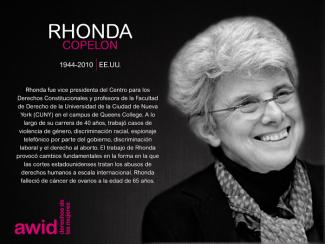
Madiha was a prominent Professor of Sociology who actively engaged with civil society as an advocate for women’s rights in the Arab region.
She chaired the Alliance for Arab Women and was a member of the Committee on Civil Society and the Committee on the Development of Minia Governorate with the National Council for Women. She produced numerous papers that shed light on, and analyzed, gender inequalities and discrimination against women.
She is remembered fondly by colleagues, students and friends.

Всего 47 вопросов, из которых 27 являются обязательными*, а остальные 20 – дополнительными. Большинство вопросов – это вопросы с множественным выбором. Мы надеемся, что вы ответите на все вопросы.
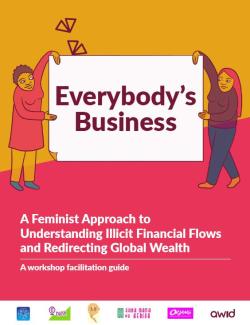
Download your facilitation guide in English
This Guide is also available in Spanish and Russian
La Organización Sindical de Trabajadoras del Sexo (OTRAS) es el primer sindicato de trabajadoras del sexo de la historia de España. Nació de la necesidad de garantizar los derechos sociales, legales y políticos de las trabajadoras sexuales en un país donde los movimientos de extrema derecha están cada vez más fuertes.
Después de años de luchas contra el sistema legal español y los grupos abolicionistas del trabajo sexual que solicitaron su cierre, OTRAS finalmente obtuvo su estatus legal como sindicato en 2021.
¿Su objetivo? Despenalizar el trabajo sexual y garantizar condiciones y entornos de trabajo dignos para todxs lxs trabajadorxs sexuales.
El sindicato representa a más de 600 trabajadorxs sexualxs, muchxs de lxs cuales son inmigrantes, racializadxs y sexo/genero disidentes.