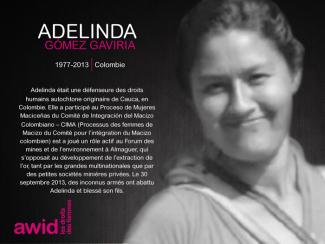
Adelinda Gomez
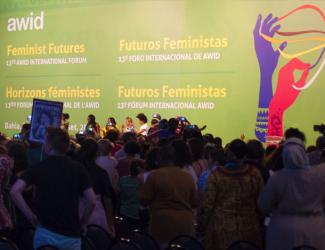
In September 2016, the 13th AWID international Forum brought together in Brazil over 1800 feminists and women’s rights advocates in a spirit of resistance and resilience.
This section highlights the gains, learnings and resources that came out of our rich conversations. We invite you to explore, share and comment!
One of the key takeaways from the 2016 Forum was the need to broaden and deepen our cross-movement work to address rising fascisms, fundamentalisms, corporate greed and climate change.
With this in mind, we have been working with multiple allies to grow these seeds of resistance:
And through our next strategic plan and Forum process, we are committed to keep developing ideas and deepen the learnings ignited at the 2016 Forum.
AWID Forums started in 1983, in Washington DC. Since then, the event has grown to become many things to many peoples: an iterative process of sharpening our analyses, vision and actions; a watershed moment that reinvigorates participants’ feminisms and energizes their organizing; and a political home for women human rights defenders to find sanctuary and solidarity.
nous estimons que pour être transformateurs et forts, les mouvements féministes doivent continuer à travailler au-delà de leurs similitudes et de leurs différences. Nous devons également interroger le pouvoir et les privilèges, tant au sein qu'à l'extérieur de nos mouvements.
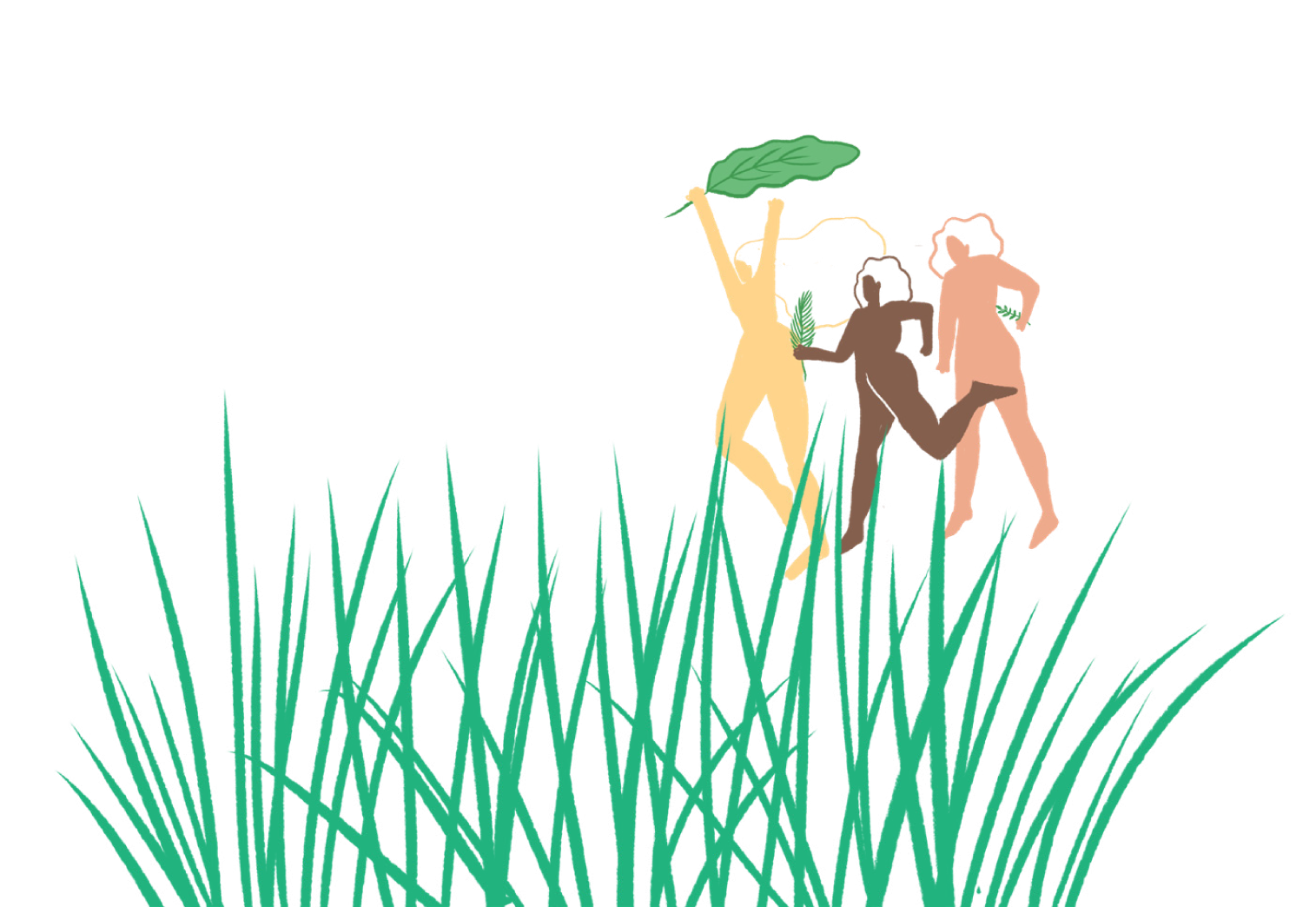
En 2022, en AWID celebramos los 40 años de nuestra fundación. Estamos aprovechando este momento para reflexionar sobre nuestro pasado y aprender sobre el camino transitado, como preparación para poner nuestra mira al futuro y construir trayecto de ahora en adelante. A medida que avanzamos a través de ciclos de crecimiento y retroceso, comprendemos que las luchas por los derechos de las mujeres y la justicia de género son iterativas y nunca lineales.
En colaboración con la artista Naadira Patel, creamos un álbum que resalta algunos momentos de las últimas cuatro décadas de apoyo a los movimientos feministas por parte de AWID. No hicimos todo eso solxs. Lo compartimos con profunda apreciación por la constelación de activistas y grupos feministas que hicieron posible ese trabajo. En este contexto de tantas crisis convergentes, escogimos esta oportunidad para celebrar el poder y la resiliencia de los movimientos feministas en el mundo.
Puedes abrir en pantalla grande si deseas.
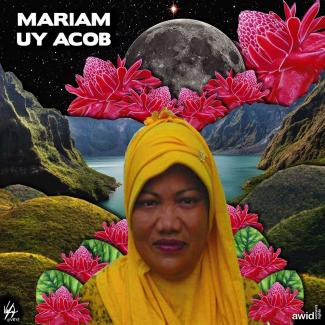
Mariam era asistente jurídica en la Alianza Kawagib Moro por los Derechos Humanos.
Fue una acérrima crítica de la militarización de las comunidades moro, y denunció sistemáticamente los bombardeos aéreos y la concentración de campamentos militares. Tuvo que buscar refugio luego de exponer y denunciar las injusticias cometidas contra las comunidades musulmanas en Filipinas.
Se cree que fue asesinada por agentes militares sospechosos debido a su trabajo como defensora de derechos humanos. Los atacantes que mataron a Mariam la esperaron, se pusieron a la par del vehículo en el que se desplazaba y le dispararon siete veces.
Tendo em conta que o inquérito WITM foca-se nas realidades do financiamento de organizações feministas, a maioria das perguntas aborda o tópico do financiamento do seu grupo entre 2021-2023. Será preciso ter essas informações facilmente acessíveis para preencher o inquérito (por exemplo, os seus orçamentos anuais e as principais fontes de financiamento).
"I participated in a member-only activity and I was particularly moved to see how there was space for everyone to share and that there was no judgment whatsoever. The entire session was energetic and vibrant."
- Kirthi Jayakumar, Founder, The Gender Security Project, India
Par Nkhensani Manabe
Le titre de la conversation « Pansexuel, Gynasexuel ou Abrosexuel ? Une plongée dans la queerness, le plaisir et la positivité sexuelle » donne matière à réflexion. Tiffany Kagure Mugo, auteure, éducatrice et programmatrice de HOLAAfrica, commence la discussion par une lecture de Touch, une collection récemment publiée d'essais de fiction et de non-fiction sur le sexe, la sexualité et le plaisir. Dans cet extrait, l'auteure avance l'idée que le plaisir est constant et continu, qu'il se retrouve dans les activités quotidiennes et ne se limite pas aux relations sexuelles.
Cette idée, du plaisir faisant autant partie de la vie quotidienne qu'autre chose, guide la discussion, couvrant également les thèmes du désir, de l'attirance et de l'orientation sexuelle.

Dès le départ , il y a ce sentiment d'espoir et de possibilité. Tiffany présente des options et explique les alternatives, nous donnant un nouveau langage pour parler de qui nous sommes, de ce que nous aimons et de comment nous le voulons. Il est question de désir et de sexe, mais surtout de connaissance de soi et d'autonomisation. Tiffany parle avec passion du fait de prendre des décisions à partir d'un lieu de pouvoir : apprendre de sa propre identité afin de pouvoir faire les meilleurs choix pour soi-même.
Dans une discussion ouverte et libre, représentant l'attitude que Tiffany voudrait que nous adoptions tou·te·s, nous apprenons que les savoirs sur le sexe et la sexualité sont en constante évolution, et que leurs limites se déplacent. Ce qu’on a peut-être appris ou, plus important encore, ce dont nous avons été tenus à l'écart en tant qu'enfants ou adultes, est précisément le point de départ pour désapprendre et se déprogrammer. Tiffany souligne que les jeunes de nos jours ont besoin d'outils pour comprendre les expériences qu'iels vivent déjà, un rappel sur le fait de ne jamais sous-estimer ce que les enfants et les adolescent·e·s savent sur le type de plaisir(s) qu’iels poursuivent dans la vie.
La conversation m’a ouvert l’esprit sur un point : me connaître m'aidera à prendre confiance en moi ; je pourrai aborder les relations en prenant soin non seulement de moi-même mais des autres. Apprendre le langage de l'orientation, de l'attirance, du désir et du plaisir contribuera à approfondir mes relations futures. J'ai apprécié le fait d'avoir un espace pour réfléchir à cet aspect de ma vie - ces parties privées et intimes auxquelles je n'accède pas souvent. L'enthousiasme de Tiffany pour le plaisir et l'identité a repoussé mes propres limites et m’a permis d'ouvrir de nouvelles possibilités personnelles.
L'idée d'apprendre à établir des liens holistiques n'est pas encore courante. Globalement, nous vivons dans une culture de connexions instantanées et éphémères. Il n'y a pratiquement jamais de temps pour réfléchir réellement à la raison et au type de relation ou de partenariat que nous recherchons - du moins, pas avant une période de crise.
Bien sûr, il existe des espaces dédiés à accueillir les questions et les discussions, tels que le festival AWID Crear Résister Transform et d'autres plateformes ou publications en ligne de pensée libre - mais l'accès à l'information à partir d'une source utile et sans jugement est toujours laborieux . Cela peut être dû en partie au fait que les gens ne font pas confiance au langage de la sexualité et du plaisir.

La notion de langage et d'outils se répète tout au long de la présentation. Tiffany et ses collègues assurent la fonction de parler, d'enseigner et d’alimenter. Voir ce dont les personnes ont besoin, où elles se trouvent, ce qu'elles veulent pour elles-mêmes et marcher à leurs côtés pendant qu'elles construisent leurs mondes idéaux. Leur donner de nouveaux mots et définitions pour les aider à façonner leurs identités à différentes étapes de leur vie.
Les conversations de ce type sont nécessaires, même dans une société qui diffuse à tout moment une myriade de messages sur la santé, plus ou moins détaillés. Les gens ont parfois besoin d’être tirés à l'écart pendant les grands moments collectifs et encouragés à connaître leurs opinions et leurs désirs individuels. C'est ce que fait le discours de Tiffany : il donne aux gens un espace au sein du plus grand puzzle.
Sexuel - signifie le désir exprimé d'avoir des relations avec une ou plusieurs personnes
Sensuel - le désir de toucher une ou plusieurs personnes, d'être physiquement proche sans nécessairement avoir des rapports sexuels
Romantique - le désir de sortir ou d'être en relation avec une ou plusieurs personnes
Platonique - le désir de nouer des amitiés étroites
Esthétique - le désir de regarder et d'apprécier l'apparence d'une ou de plusieurs personnes
Ces cinq types ou niveaux d'attraction offrent un raccourci du désir et du plaisir, et aident à contextualiser les différents types de plaisir que les gens peuvent éprouver.
Penser l'attirance au-delà du physique ou du sexuel offre une nouvelle perspective sur les liens. C'est une chance de relâcher la pression sur les relations, ouvrant des opportunités pour des partenariats différents, plus éclairés et épanouissants.
Cette liberté et ces connaissances soulignées par Tiffany constituent une feuille de route pour l'avenir. La présentation a ainsi offert une perspective nouvelle sur ce qui est possible.
Comme le soulignait l'extrait d'ouverture, le plaisir est continu. À la lumière de la discussion de Tiffany, il devient clair que le plaisir est également dynamique et excitant. Il y a toujours plus à apprendre.
Cela peut être intimidant au début, mais de l'autre côté de l'hésitation, il y a de l'espoir, du potentiel et de la liberté.
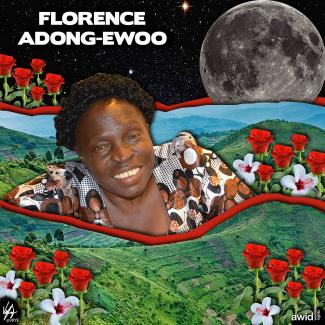
Florence était une militante des droits des personnes handicapées qui travaillait avec plusieurs organisations de femmes handicapées en Ouganda.
Elle a également occupé le poste de présidente de l’Association des femmes handicapées du district de Lira, ainsi que du caucus des conseillères du district de Lira. Formée en tant que conseillère pour personnes handicapées et parents d'enfants handicapés, elle a soutenu de nombreux projets appelant à une plus grande représentation des personnes handicapées.
Elle est morte dans un accident de moto.
Linda Porn es una otra heroína de la organización sindical feminista y del activismo de las trabajadoras sexuales a nivel nacional (en España) y transnacional.
Originaria de México, vive en España desde los años 2000. Es trabajadora sexual, activista, madre soltera y artista multidisciplinar.
Partiendo de estas diferentes identidades, utiliza la performance, el videoarte y el teatro para visibilizar las luchas en las intersecciones del transfeminismo, el trabajo sexual, la migración, el colonialismo y la maternidad. Combina el arte y el trabajo sexual mientras cuida a su hija como madre soltera.
Linda también pertenece a colectivos de trabajadoras sexuales que luchan por sus derechos, como el sindicato OTRAS y CATS Murcia. También cofundó el grupo 'Madrecitas' - que visibiliza y denuncia la violencia institucional racista contra las familias migrantes. Violencia de la que ella y su hija fueron objeto por ser trabajadora sexual y madre soltera migrante.
¡No te pierdas su trabajo artístico aquí!
أكيد. سيتم محي اجوبتك بعد عملية معالجة المعطيات وتحليلها وسيتم استعمالها لأهداف بحثية فقط. لن تتم أبداً مشاركة المعطيات خارج AWID وسيتم معالجتها فقط عن طريق طاقم AWID والمستشارات/ين اللواتي/ اللذين يعملن/وا في مشروع "أين المال" معنا. خصوصيتكم/ن وسرّيتكم/ن هي في أعلى سلم أولوياتنا. سياسة الخصوصية متواجدة هنا.
El Foro de AWID estará organizado alrededor de 6 tópicos interconectados. Estos «ejes» se centran en las realidades feministas.
I have belonged to you for as long as I can remember. As a young girl, I did not know there was a word -feminist- for us people, who aspire to overcome and dismantle the patriarchy, who seek refuge in the arms of inclusion and intersectionality, who treat people as equals regardless of their gender, race, sexuality, religion, and ethnicity, who are constantly learning to do better, to be better and to use their privilege to uplift others.
When I was 14, my middle school French teacher, a 6ft tall thirty-year-old man, assaulted a female student in my class in front of all of us. The student, who was a childhood friend of mine, and several girls in my class went to the headmaster to report him, parents got involved, and the entire class of 30 students vouched for the girl. But all our attempts to hold him accountable failed and the administration covered up the girl’s story and he never got fired or persecuted. The girls in my class and I were outraged so we did what every young raging feminist would do. WE EGGED HIS CAR! and though the eggs get washed off easier and the paint we used to write “Pig” and “Khamaj '' -scumbag- needed to get scrubbed off. I will never forget how that made us girls feel. Liberated, enraged, happy, close-knit, and in power. The same feeling replicates in every feminist setting I have been in ever since. The teen feminist in me grew up to join Women Deliver, AWID, Unootha, facilitate feminist workshops at university, and even get persecuted for my feminist affiliation at 19, but that’s another story for another letter.
Feminist movements and spaces offer me safety and empowerment. They are the mothers we wished we had and the link we needed to connect and organize ourselves despite our differences against a common enemy that has been undermining everyone, patriarchy. It is through you that I learned to be resilient and to gather my strengths and skills and direct them towards uplifting others and bringing to light the marginalized and giving a voice to the voiceless.
What I love most about you, feminist movements is that you mess up sometimes, you disregard and marginalize as well, you have bias as does every other movement but what makes you different is that you always strive to be better. Accountability is not something you’re afraid of and you are an ever-changing collective that reflects how altruism and philanthropy in the effort of gender equity change as time passes.
May you always grow, may you do better, may you always rage, may you always roar, may you always love, may you always speak different tongues, and may you always be in power.
Love, light, and rage,
Lina
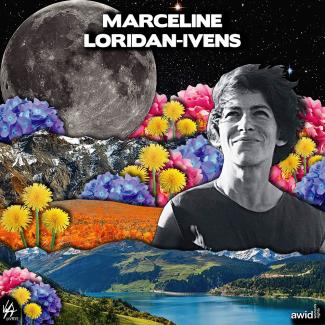
Born in 1928, Marceline worked as an actress, a screenwriter, and a director.
She directed The Birch-Tree Meadow in 2003, starring Anouk Aimee, as well as several other documentaries. She was also a holocaust survivor. She was just fifteen when she and her father were both arrested and sent to Nazi concentration camps. The three kilometres between her father in Auschwitz and herself in Birkenau were an insurmountable distance, which she writes about in one of her seminal novels “But You Did Not Come Back.”
In talking about her work, she once said: "All I can say is that everything I can write, everything I can unveil — it's my task to do it.”