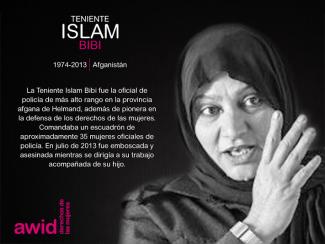
Islam Bibi
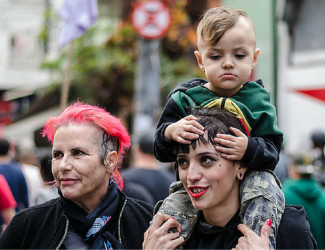
Over the past few years, a troubling new trend at the international human rights level is being observed, where discourses on ‘protecting the family’ are being employed to defend violations committed against family members, to bolster and justify impunity, and to restrict equal rights within and to family life.
The campaign to "Protect the Family" is driven by ultra-conservative efforts to impose "traditional" and patriarchal interpretations of the family, and to move rights out of the hands of family members and into the institution of ‘the family’.
Since 2014, a group of states have been operating as a bloc in human rights spaces under the name “Group of Friends of the Family”, and resolutions on “Protection of the Family” have been successfully passed every year since 2014.
This agenda has spread beyond the Human Rights Council. We have seen regressive language on “the family” being introduced at the Commission on the Status of Women, and attempts made to introduce it in negotiations on the Sustainable Development Goals.
AWID works with partners and allies to jointly resist “Protection of the Family” and other regressive agendas, and to uphold the universality of human rights.
In response to the increased influence of regressive actors in human rights spaces, AWID joined allies to form the Observatory on the Universality of Rights (OURs). OURs is a collaborative project that monitors, analyzes, and shares information on anti-rights initiatives like “Protection of the Family”.
Rights at Risk, the first OURs report, charts a map of the actors making up the global anti-rights lobby, identifies their key discourses and strategies, and the effect they are having on our human rights.
The report outlines “Protection of the Family” as an agenda that has fostered collaboration across a broad range of regressive actors at the UN. It describes it as: “a strategic framework that houses “multiple patriarchal and anti-rights positions, where the framework, in turn, aims to justify and institutionalize these positions.”
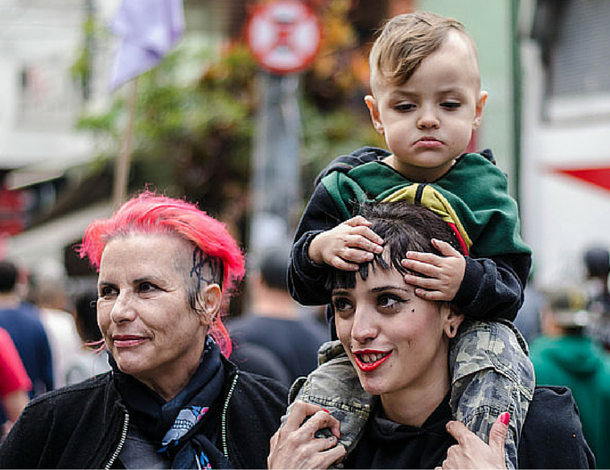
Participé en una actividad solo para afiliadxs, y lo que me conmovió en particular fue ver cómo había espacio para que todas compartieran, y que no había ningún juicio al respecto. Toda la sesión fue enérgica y vibrante.- Kirthi Jayakumar, fundadora de The Gender Security Project, India
Мы стремимся в общей сложности получить 2000 ответов, что почти вдвое больше, чем в последнем опросе, проведенном в 2011 году.
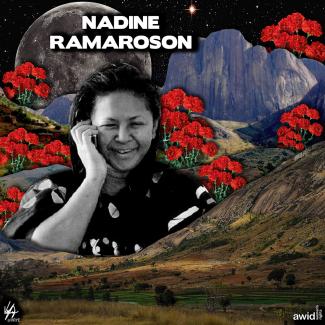
Nadine was a role model to many for her work supporting women and the most vulnerable in her community. She was committed to helping the poor and homeless in particular.
Though her death was reported as an accident, the Ramaroson family, led by her father, André Ramaroson led an investigation that pointed to evidence that she had been murdered. She is reported to have died in a fatal accident occurred between Soanierano - Ivongo and Ste Marie - a story that has been refuted by her family.
She received numerous death threats for her bold political positions. Her case remains in court in Antananarivo (the capital of Madagascar).
Les antidroits ont adopté une double stratégie : outre leurs attaques ouvertes sur le système multilatéral, ils et elles sapent les droits humains depuis l’intérieur. Leur implication vise à prendre le contrôle des processus, instaurer des normes régressives et fragiliser la redevabilité.

Leur implication dans les sphères des droits humains a un but essentiel : saper le système et sa capacité à respecter, protéger et assurer les droits humains de tout un chacun, et à tenir les États membres pour responsables de leurs enfreintes. Certaines tactiques antidroits en dehors de l’ONU visent à la délégitimer, exercer des pressions politiques pour limiter son financement ou se retirer d’accords internationaux sur les droits humains. Les acteur·rice·s antidroits gagnent cependant en influence au sein même de l’ONU. Leurs tactiques de l’intérieur incluent la formation de délégué·e·s, la dénaturation de cadres relatifs aux droits humains, la dilution de la substance d’accords sur les droits humains, l’infiltration de comités d’ONG, la demande du statut ECOSOC sous un nom neutre, l’infiltration des espaces des jeunes et la pression pour que des acteur·rice·s antidroits occupent des postes clés.
Linda Porn est une autre héroïne de l'organisation syndicale féministe et de l'activisme des travailleur·euses du sexe au niveau national (en Espagne) et transnational.
Originaire du Mexique, elle vit en Espagne depuis les années 2000. Elle est travailleuse du sexe, militante, mère célibataire et artiste multidisciplinaire.
Puisant dans ces différentes identités, elle utilise la performance, l'art vidéo et le théâtre pour rendre visibles les luttes aux intersections du transféminisme, du travail du sexe, de la migration, du colonialisme et de la maternité. Elle combine l'art et le travail du sexe tout en prenant soin de sa fille en tant que mère célibataire.
Linda appartient également à des groupes de travailleur·euses du sexe qui luttent pour leurs droits, comme le syndicat OTRAS et CATS Murcia. Elle a également cofondé le groupe 'Madrecitas' - qui rend visible et dénonce la violence institutionnelle raciste contre les familles migrantes. Violence à laquelle elle et sa fille ont été soumises en tant que travailleuse du sexe et mère célibataire migrante.
Ne ratez pas son travail artistique ici!
Le Forum de l’AWID s’articulera autour de 6 sujets interconnectés. Ces ‘points d’ancrage’ sont centrés sur les réalités féministes.
1 |
Fornecer a membres da AWID, parceires do movimento e financiadores uma análise atualizada, robusta, baseada em fatos e orientada para a ação das realidades do financiamento de movimentos feministas e do estado atual do ecossistema do financiamento feminista. |
2 |
Identificar e demonstrar oportunidades para transferir mais recursos de maior qualidade para a organização feminista, expor soluções falsas e interromper tendências que fazem com que o financiamento não seja bem-sucedido e/ou se mova contra a justiça de género e objetivos feministas interseccionais. |
3 |
Articular visões, propostas e objetivos feministas para a justiça no financiamento. |
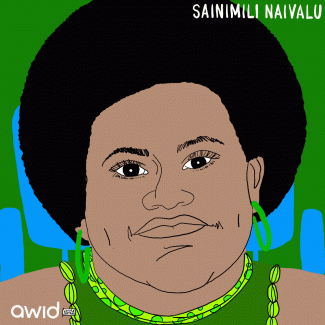
“I’ve witnessed discrimination on the streets, being teased on the streets and verbally abused on the streets. I have also made numerous friends and have met a lot of people. There may be dangers out there but I am a survivor and this is where I will be for now.”
- Sainimili Naivalu
She demanded policy makers and stakeholders provide disability friendly policies and services such as the construction of ramps in towns and cities to increase accessibility. Physical barriers were not the only ones she strived to change. From her own experience, she knew that more difficult changes need to take place in social and economic spheres. Many of the challenges disabled people face are rooted in attitudes that carry discrimination and stigma.
A survivor and a fighter, Sainimili contributed to co-creating feminist realities that foster inclusion and shift attitudes towards disabled people. As a member of the Spinal Injury Association of Fiji (SIA) and through Pacific Disability Forum’s Pacific Enable project she attended the International Labour Organisation “Start Your Business” training in Suva, enabling her to transform her ideas into her own business. She was an entrepreneur at the Suva Market Stall 7, offering manicure services, as well as running SIA’s women’s market stall selling handicrafts, sulus and artifacts. Sainimili’s plan was to expand her business and become a major employer of disabled people.
In addition to her activism, she was also a table tennis medalist and youth champion.
A vivacious personality, Sainimili was one of a kind. You would always know that Sainimili is in a room because her laughter and her stories would be the first thing that you would notice.
- Michelle Reddy
Sainmili passed away in 2019.

Feminist Realities is a warm and caring invitation, a kind of en masse-care (versus self-care) act of preservation, an invitation to archive, to take stock of all the work lest it disappear. (...)

Êtes-vous à la recherche d'un emploi? L'un des avantages de rejoindre la Communauté de l'AWID est d'avoir accès à notre tableau d'offres d'emploi organisé par la communauté. Vous aurez l'occasion d'explorer de nouvelles opportunités et vous aurez également la possibilité de partager des postes vacants et des appels à propositions avec tous les membres.
Conocida como la Drag Queen de color de Nueva York, Sylvia fue feroz e incansable en su voluntad por cambiar las cosas, y en su defensa de quienes quedaron marginadxs y excluidxs cuando el movimiento por los "derechos de la comunidad gay" se volvió predominante en los Estados Unidos, a principios de los 70.
En 1973, durante un conocido discurso por el día de Christopher Street, Sylvia gritó en medio de la multitud de integrantes de la comunidad LGBT:
"Todos ustedes me dicen, anda y esconde la cola entre las patas.
No voy a seguir aguantando esta mierda.
Me han golpeado.
Me han roto la nariz.
Me han metido en la cárcel.
He perdido mi trabajo.
He perdido mi departamento
por la liberación gay, ¿y todos ustedes me tratan así?
¿Qué carajo les pasa a todos ustedes?
¡Piensen en eso!"
En 1969, a la edad de 17 años, Sylvia participó en los emblemáticos disturbios de Stonewall, al lanzar, presuntamente, el segundo cóctel molotov para protestar por la redada policial en este bar gay de Manhattan. Siguió siendo una figura central en los levantamientos posteriores, organizando mítines y luchando contra la brutalidad policial.
En 1970, Sylvia trabajó junto con Marsha P. Johnson para establecer Street Transvestite Action Revolutionaries [Acción Travesti Callejera Revolucionaria] (S.T.A.R., por sus siglas en inglés), un colectivo político y una organización que establecería proyectos de apoyo mutuo para las personas trans que vivían en la calle, aquellxs que luchaban contra la drogadicción, las que estaban encarceladas y, en particular, para las personas trans de color que vivían en la pobreza.
Desafiante de las etiquetas, Silvia vivió la vida de una manera que retaba a las personas del movimiento de liberación gay a pensar de manera diferente. Ella dijo:
"Me fui de casa a los 10 años, en 1961. Hice la calle en la 42. El inicio de los años 60 no era un buen momento para lxs drag queens, los chicos afeminados o los chicos que usaban maquillaje como nosotrxs. En ese entonces nos golpeaba la policía, y todo el mundo. Yo no salí realmente como drag queen hasta finales de los 60, cuando se arrestaba a lxs drag queens, qué degradación había. Recuerdo que la primera vez que me arrestaron, ni siquiera estaba vestida totalmente en drag. Estaba caminando y los policías me arrebataron de la calle. La gente ahora quiere llamarme lesbiana porque estoy con Julia, y yo digo: "No. Soy sólo yo. No soy lesbiana". Estoy cansada de que me etiqueten. Ni siquiera me gusta la etiqueta transgénero. Estoy cansada de vivir con etiquetas. Sólo quiero ser quien soy. Soy Sylvia Rivera.
A través de su activismo y su coraje, Sylvia ofreció un espejo que reflejaba todo lo que estaba mal en la sociedad, pero también la posibilidad de transformación. Sylvia nació en 1951 y falleció en 2002.
 |
Jurema Araújo est une enseignante-poète originaire de Rio de Janeiro. Elle a contribué au magazine Urbana, édité par les poètes Brasil Barreto et Samaral (paix à son âme) et au livre Amor e outras revoluções (L’amour et autres révolutions) avec plusieurs autres écrivain·e·s. En collaboration avec Angélica Ferrarez et Fabiana Pereira, elle a coédité O livro negro dos sentidos (Le livre noir des sens), une anthologie créative sur la sexualité des femmes noires au Brésil. Jurema a 54 ans ; elle a une fille, trois chiens, un chat et beaucoup d’ami·e·s. |
Tu la suces avec moi?La mangue est mon fruit préféré. |
Je vais être honnête : lorsque Angélica et Fabi m’ont proposé de créer une collection de textes érotiques écrits par des femmes noires, j’ignorais ce que c’était que de produire un recueil. Je maîtrisais le thème de l’érotisme, mais créer un recueil… J’ai souri, timide et flattée. Je crois que je les ai remerciées – du moins je l’espère! – et je me suis dit : mais qu’est-ce que c’est que ce truc, putain?! C’est quoi ce mot pompeux que je vais devoir intégrer tout en le mettant en pratique?
Aujourd’hui, je sais ce que c’est que de créer un recueil : c’est faire l’amour avec les écrits de quelqu’un d’autre, avec l’art de quelqu’un d’autre dans le but d’en faire un livre. Et c’est exactement ce que j’ai fait. J’ai dévêtu le texte de chaque autrice avec une lascivité littéraire. J’ai eu un rapport avec les mots et les sens d’autres personnes. J’ai été pénétrée par des poèmes que je n’avais pas écrits; des contes que je n’aurais jamais osé imaginer m’ont retournée, ont chamboulé mes sentiments, ma libido. Et c’était un orgasme inhabituel et merveilleux : éthéré, corporel, sublime, à la fois intellectuel et sensitif.
Ces textes pulsaient comme un clito durci par le désir, trempé, dégoulinant de joie à chaque lecture. Des mots dont la grivoiserie m’aspirait, me faisant plonger plus profondément dans cet univers humide.
Ces femmes noires sont allées au fond de leur excitation et ont transformé leurs fantasmes érotiques les plus profonds en art. Ces œuvres sont imprégnées de la manière dont chaque autrice vit la sexualité : libre, noire, individuelle, la sienne, son pouvoir retrouvé.
J’ai choisi de classer les textes en différentes parties dans le livre, chacune étant organisée en fonction du contenu le plus délicat, explosif, évident ou implicite qu’elle renfermait.
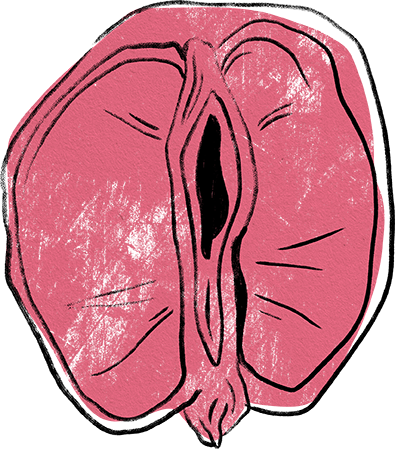
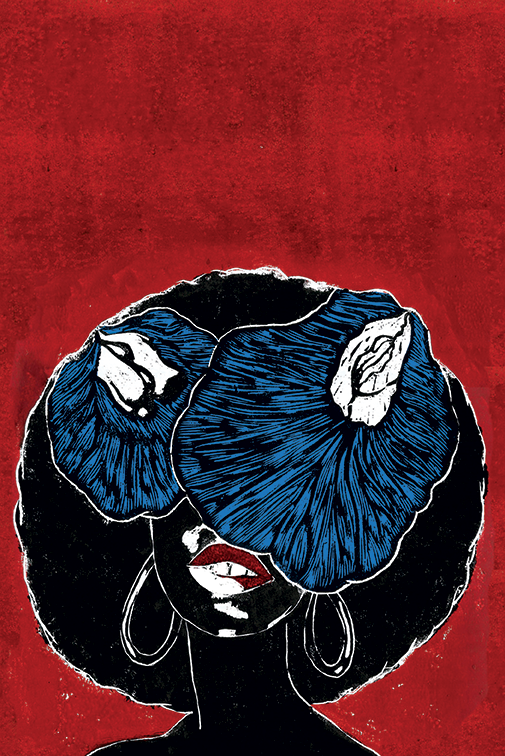
Pour ouvrir la porte à cette « envulvée noiressence », nous proposons la section Préliminaires, avec des textes qui introduisent le lecteur dans ce monde de délices. Il s’agit d’une caresse plus générale et délicate afin d’accueillir les sujets que les textes aborderont dans le reste du livre.
Puis vient la chaleur du Toucher, qui évoque les ressentis de la peau. Cette énergie qui brûle ou transite nos corps, fait bouillir nos hormones et éveille à leur tour nos autres sens. Et même si nous sommes nombreux·ses à être voyeurs·euses, le contact de la peau sur une bouche humide et chaude est excitant, comme si vous naviguiez dans la douceur de la personne qui se trouve avec vous. On est séduit par le contact ferme ou doux qui nous fait frissonner et ce picotement délicieux qui nous traverse du cou au bas du dos et qui ne disparaît que le lendemain. Et la chaleur des lèvres, la bouche, la langue humide sur la peau – ah! la langue dans l’oreille, mmmm – ou peau contre peau, les vêtements glissant sur les corps, comme s’ils se voulaient une extension de la main de l’autre. S’il n’y a pas d’urgence, l’excitation absolument sauvage d’une étreinte ferme, un peu de douleur – ou pourquoi pas, beaucoup?
La section Son – ou mélodie? – nous montre que l’attirance pour une personne passe également par l’ouïe : c’est la voix, les chuchotements, cette musique qui permet la connexion des corps et peut constituer la trame même du désir. Pour certain·e·s d’entre nous, la seule voix d’une personne ayant un joli timbre, qu’il soit rauque, traînant ou mélodieux, suffirait à nous donner un orgasme auditif. Elle n’aurait qu’à jurer grossièrement ou nous murmurer des mots doux à l’oreille pour nous faire frissonner du cou au coccyx.
Dans Saveur, nous confirmons que la langue est imbattable lorsqu’il s’agit d’aller goûter les endroits les plus enfouis et parcourir les corps pour se faire plaisir. Parfois, on l’utilise audacieusement pour goûter le nectar de l’autre. L’idée d’offrir sa fraise ou sa mangue délicieuse et juteuse à des morsures ou des coups de langue – ou des coups de langue et des morsures – nous désarme. Mais rien n’est plus délicieux que de goûter aux grottes et collines de la personne avec laquelle on est. Enfoncez votre langue bien profond pour goûter à ce bout de fruit… ou passez des heures à goûter le gland d’une queue dans votre bouche, passez votre langue sur des seins gourmands pour en goûter leurs tétons. Il s’agit de se souvenir d’une personne par la Saveur qu’elle nous a laissée.
Il y a aussi les textes où c’est le nez qui déclenche le désir. L’Odeur, mes chers·ères lecteurs·trices, est capable de nous éveiller aux délices du désir. Parfois, nous rencontrons des gens qui sentent si bon que nous voudrions les aspirer par le nez. Lorsque vous sillonnez le corps de l’autre avec le nez en commençant par le cou, sentez ce frisson délicieusement inconfortable qui parcourt votre colonne vertébrale et déshabille votre âme! Ce nez impudent se déplace ensuite vers la nuque où il capture le parfum de l’autre de telle sorte qu’en l’absence de cette personne, ce même parfum évoque, voire se répand en nous dans des souvenirs olfactifs qui ressuscitent l’odeur affolante de cette dernière.
Nous en venons au Regard – le plus traître des sens selon moi – où nous percevons le désir à partir d’un point de « vue ». Les textes présentent le désir et l’excitation par le biais de la vue, qui à son tour provoque les autres sens. Il suffit parfois d’un sourire pour nous rendre dingues. L’échange de regards? Celui qui dit : « J’ai envie de toi, là, maintenant ». Ce regard possédé qui s’éteint quand vous avez fini de baiser, ou pas. Celui-là est très particulier; il attire à lui l’autre qui ne pourra en détourner ses yeux très longtemps. Ou les regards du coin de l’œil – quand on détourne le regard au moment où l’autre va tourner la tête, comme un jeu du chat et de la souris? Pris·e·s en flagrant délit, il ne nous reste plus qu’à lui décocher un large sourire.
Pour finir, l’explosion. En se promenant à travers Tous les sens, les textes mêlent des sentiments qui prennent des allures d’alarme et nous entraînent vers le plaisir suprême : l’orgasme.
Bien sûr, ces différents contes et poèmes ne diffèrent d’aucune façon explicite. Certains sont subtils. L’excitation fait appel à tous nos sens et, plus fondamentalement, à notre tête. C’est là que ça se passe, c’est là que se fait la connexion à tout notre corps. J’ai organisé les poèmes selon la façon dont je les sentais à chaque lecture. Libre à vous de ne pas être d’accord! Mais pour moi, il existe un sens particulier par lequel le désir passe et puis explose. Et il y a quelque chose de délicieux à découvrir duquel il s’agit.
Pour pouvoir transformer l’excitation en art, nous devons nous libérer de tous nos préjugés, de nos prisons et des stigmates dans lesquels cette société centrée sur les Blancs nous a enfermé·e·s.
Chaque fois qu’une autrice noire transforme l’érotique en art, elle brise ces chaînes racistes et néfastes qui paralysent son corps, répriment sa sexualité et nous transforment en objet de convoitise d’un autre. Écrire de la poésie érotique, c’est reprendre le pouvoir sur son propre corps et parcourir sans crainte les délices du désir pour soi-même, pour les autres, pour la vie.
L’érotisme littéraire reflète ce que nous sommes lorsque nous en faisons de l’art. Nous montrons ici le meilleur de nous-mêmes, nos visions de l’amour trempées de plaisir, assaisonnées d’érogénéité, répandues dans nos corps et traduites par notre conscience artistique. Nous sommes multiples et nous partageons cette multiplicité de sensations dans des mots dégoulinants d’excitation. Oui, même nos mots dégoulinent de notre désir sexuel, mouillant nos vers, transformant nos pulsions sexuelles en paragraphes. Pour nous, jouir est révolutionnaire.
Nous devons noircir nos esprits, nos corps et notre sexualité, renouer avec notre plaisir et nous réapproprier nos orgasmes. Ce n’est qu’alors que nous serons libres. Tout ce processus est une révolution et il se fait dans la douleur. Mais il y a du bonheur à se découvrir très différent·e·s de ce que l’on attendait de nous.
Je sens que je suis à vous, je suis à nous. Goûtez, prenez plaisir, régalez-vous de ces mots merveilleux avec nous.
Ce texte est une adaptation des introductions de “O Livro Negro Dos Sentidos” [Le livre noir des sens], un recueil érotique de poèmes composés par 23 autrices noires.

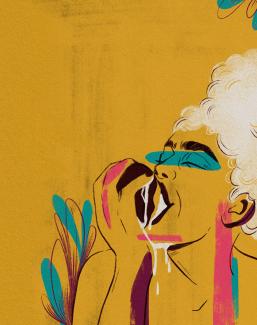
Cette édition du journal, en partenariat avec Kohl : a Journal for Body and Gender Research (Kohl : une revue pour la recherche sur le corps et le genre) explorera les solutions, propositions et réalités féministes afin de transformer notre monde actuel, nos corps et nos sexualités.
نصدر النسخة هذه من المجلة بالشراكة مع «كحل: مجلة لأبحاث الجسد والجندر»، وسنستكشف عبرها الحلول والاقتراحات وأنواع الواقع النسوية لتغيير عالمنا الحالي وكذلك أجسادنا وجنسانياتنا.
por Amal Amer
Rezo con mi familia por primera vez en seis años envueltx en un keffiyah que recogí de un contenedor de basura. (...)
arte: «Angels go out at night too» [Los ángeles también salen de noche], Chloé Luu >