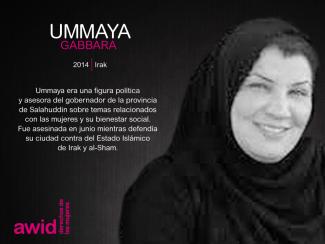
Ummaya Gabbara
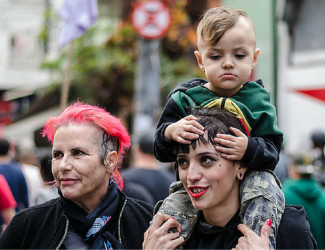
Over the past few years, a troubling new trend at the international human rights level is being observed, where discourses on ‘protecting the family’ are being employed to defend violations committed against family members, to bolster and justify impunity, and to restrict equal rights within and to family life.
The campaign to "Protect the Family" is driven by ultra-conservative efforts to impose "traditional" and patriarchal interpretations of the family, and to move rights out of the hands of family members and into the institution of ‘the family’.
Since 2014, a group of states have been operating as a bloc in human rights spaces under the name “Group of Friends of the Family”, and resolutions on “Protection of the Family” have been successfully passed every year since 2014.
This agenda has spread beyond the Human Rights Council. We have seen regressive language on “the family” being introduced at the Commission on the Status of Women, and attempts made to introduce it in negotiations on the Sustainable Development Goals.
AWID works with partners and allies to jointly resist “Protection of the Family” and other regressive agendas, and to uphold the universality of human rights.
In response to the increased influence of regressive actors in human rights spaces, AWID joined allies to form the Observatory on the Universality of Rights (OURs). OURs is a collaborative project that monitors, analyzes, and shares information on anti-rights initiatives like “Protection of the Family”.
Rights at Risk, the first OURs report, charts a map of the actors making up the global anti-rights lobby, identifies their key discourses and strategies, and the effect they are having on our human rights.
The report outlines “Protection of the Family” as an agenda that has fostered collaboration across a broad range of regressive actors at the UN. It describes it as: “a strategic framework that houses “multiple patriarchal and anti-rights positions, where the framework, in turn, aims to justify and institutionalize these positions.”
We know that first time travel can be exciting but also stressful. In recognition of the many challenges involved, we will be providing more information and details about how to get to Bangkok when Registration opens early next year.
Dans cette BD illustrée par Sophia, suivez les aventures de notre super-héroïne féministe qui dément les récits des antidroits dans le monde entier et sauve la mise aux mouvements féministes.
"Where is the money for feminist organizing?"
How much do you know about feminist resourcing? 📊 Take AWID's "Where is the Money for Feminist Organizing?" quiz to test your knowledge:
Take the quiz onlineDownload and print it
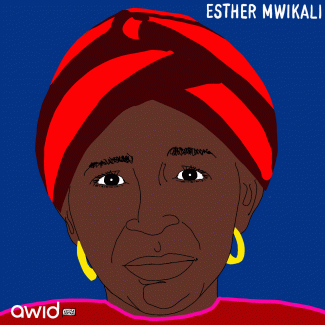
Esther Mwikali habitait dans le village de Mithini, dans le comté de Murang’a au Kenya. Activiste des droits fonciers, importante et appréciée, elle travaillait sur les abus à l’égard de squatters vivant sur des terres revendiquées par des magnats. Esther a participé à une enquête qui comprenait également des violations de droits fonciers à Makaya par de puissants individus.
Suite à l’absence d’Esther lors d’une réunion de village, une équipe de patrouille est partie à sa recherche. Le 27 août 2019, deux jours après sa disparition, on retrouva son corps dans une ferme proche de sa propriété, montrant des signes de torture. Elle fut sauvagement assassinée.
« Esther était reconnue pour son travail auprès des membres de la communauté, empêchant les évictions de terres revendiquées des magnats. Les activistes du coin n’ont aucun doute sur le lien entre son meurtre et les luttes constantes pour les terres dans la région. C’est un tragique rappel de la fréquence alarmante d’assassinats extrajudiciaires régulièrement menés au Kenya » - Global Wittness Report, juillet 2020
« Nous associons la mort de Mwikali aux luttes pour les terres par ici. Nous demandons au gouvernement de mener une enquête sur ce sujet au plus tôt. » - James Mburu, porte-parole des squatters
« Des mesures devraient être prises à l’égard des individus suspectés d’avoir menacé les squatters, et notamment la famille Mwikali. » - Alice Karanja, National Coalition of Human Rights Defenders (coalition nationale des défenseur·e·s des droits humains)
« L’impact de son travail et sa ténacité demeureront encore en vie pour les prochaines décennies au Kenya. CJGEA console avec les personnes endeuillées et appelle à la justice. » - Center for Justice and Governmental Action (Centre pour la justice et l’action gouvernementale, CJGEA) communiqué de presse, 13 septembre 2019
Jemutai se passionne pour les plantes et puise son inspiration dans la nature et dans toutes les interconnexions qui la composent. Cette fascination pour l’interdépendance des éléments se reflète dans son approche du travail, de la construction communautaire, des soins et du soutien. Iel croit en la présence vibrante de ses ancêtres au fond d’iel et vit pour expérimenter, se souvenir, défendre, apprécier et célébrer leurs luttes, leurs triomphes et leurs valeurs.
En tant que féministe queer intersectionnel·le et défenseur·euse des droits humains, Jemutai a consacré sa carrière à l’équité et à l’inclusion. Passionné·e par le développement organisationnel, iel dispose d’une formation en administration et en octroi de subventions. Iel œuvre désormais à la création de rassemblements pertinents, en fournissant un soutien et un leadership opérationnels et en veillant à ce que les espaces soient inclusifs, sûrs et élaborés avec soin et précision.
Jemutai croit profondément en la philosophie de l’Ubuntu, l’idée que « je suis parce que nous sommes ». Cette croyance en notre humanité partagée et en notre interdépendance mutuelle inspire son approche, basée sur la collaboration, ainsi que son engagement à créer un environnement favorable et inclusif pour tous·tes, en particulier pour les personnes structurellement réduites au silence et marginalisées.
Los idiomas de trabajo de AWID son inglés, francés y español. El tailandés se agregará como idioma local, al igual que el lenguaje de señas y otras medidas de accesibilidad. Es posible que se añadan otras lenguas si la financiación lo permite, así que mantente atentx a las actualizaciones. Nos importa la justicia lingüística y trataremos de incluir tantos idiomas como sea posible y según nuestros recursos lo permitan. Esperamos crear múltiples oportunidades para que muchxs de nosotrxs podamos participar en nuestras lenguas y comunicarnos entre nosotrxs.
بدأنا التخطيط لعدد المجلّة هذا مع نانا داركوا قُبيل مهرجان «ابدعي، قاومي، غيٍّري: مهرجان للحراكات النسوية» لجمعية «حقوق المرأة في التنمية» AWID، وانطلقنا وقتها من سؤالٍ هو بالأحرى ملاحظة حول حالة العالم، ورغبة في تغيير الاعتقادات السائدة: لماذا لا تزال جنسانيّاتنا وملذّاتنا تخضع للترويض والتجريم مع أنّه يتمّ تذكيرنا مراراً وتكراراً بأنّها لا تأتي بأيّ قيمة أو تطوّر؟ واستنتجنا أنّ جنسانيّاتنا، لمّا تتجسّد، فيها ما يتعارض مع النظام العالمي الذي ما زال يتجلّى من خلال ضوابط الحدود، والتمييز العنصري في توزيع اللقاح، والاستعمار الاستيطاني، والتطهير العرقي، والرأسمالية المُستشرية. هل يمكننا إذاً القول إنّ لجنسانيّاتنا قدرةٌ تعطيليّة؟ وهل يصحّ هذا القول عندما ننظر إلى واقع حركاتنا التي يتمّ الاستيلاء عليها ومأسستها في سعيها للتزوّد بالموارد؟
Este nuevo informe revela las realidades de los recursos de las organizaciones feministas y por los derechos de las mujeres en una época de turbulencias políticas y económicas sin precedentes. A partir de un análisis de más de una década desde el último informe de AWID ¿Dónde está el dinero?, se hace un balance de las conquistas, las brechas y las amenazas crecientes en el panorama del financiamiento.
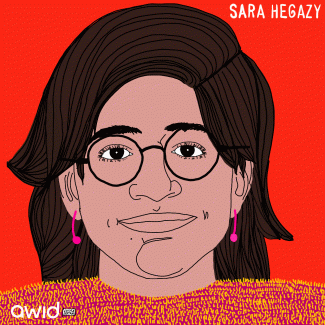
Sara Hegazy, a bold Egyptian LGBTQI+ rights activist, lived in a society where the members of her community, their bodies and lives often face lethal prejudice. The roots of Sara’s resistance were in the deconstruction of a dominant, oppressive and patriarchal system, and its anti-rights actors.
"[In Egypt], every person who is not male, Muslim, Sunni, straight, and a supporter of the system, is rejected, repressed, stigmatized, arrested, exiled, or killed. This matter is related to the patriarchal system as a whole, since the state cannot practice its repression against citizens without a pre-existing oppression since childhood." - Sara Hegazy wrote on March 6, 2020
The suppression of Sara’s voice by the Egyptian government reached its violent peak in 2017, when she was arrested for raising a rainbow flag at the Mashrou’ Leila (Lebanese band whose lead vocalist is openly gay) concert in Cairo. What followed were charges of joining an illegal group along with “promoting sexual deviancy and debauchery”.
"It was an act of support and solidarity — not only with the [Mashrou' Leila] vocalist but for everyone who is oppressed...We were proud to hold the flag. We wouldn't have imagined the reaction of society and the Egyptian state. For them, I was a criminal — someone who was seeking to destroy the moral structure of society." - Sara Hegazy
Sara was jailed for three months, where she was tortured and sexually assaulted. In January 2018, after being released on bail, she sought asylum in Canada where she was safe but imprisoned by the memories of the abuse and violence her body and soul had gone through.
"I left this experience after three months with a very intense, serious case of PTSD [post-traumatic stress disorder]. Prison killed me. It destroyed me." - Sara Hegazy told NPR
Sara took her own life on 14 June 2020, leaving a handwritten note in Arabic:
“To my siblings – I tried to find redemption and failed, forgive me.”
“To my friends – the experience [journey] was harsh and I am too weak to resist it, forgive me.
“To the world – you were cruel to a great extent, but I forgive.”
Her legacy and courage will be carried forward by those who love her and believe in what she fought for.
“To Sarah: Rest, just rest, spared from this relentless violence, this state-powered lethal patriarchy. In rage, in grief, in exhaustion, we resist.” - Rasha Younes, an LGBT rights researcher at Human Rights Watch. Read the complete text
Mashrou’ Leila’s lead vocalist sings tribute to Sara Hegazy
AWID’s work is made possible through the financial support of a wide range of donors including multilateral and bilateral agencies, private foundations and women’s funds.
El creciente poder de los actores anti-derechos no se está desarrollando en un vacío. Entender el auge del ultranacionalismo, del poder corporativo irrestricto, del incremento de la represión y de la disminución del espacio cívico resulta clave para contextualizar las amenazas anti-derechos que enfrentamos actualmente.
with Luam Kidane, Mariama Sonko, Yannia Sofia Garzon Valencia, and Nomsa Sizani.

La cumbre por el clima organizada por y para los movimientos.
📅 12 - 16 de noviembre de 2025
📍 Universidad Federal de Pará, Belém
Varios hombres que comparten nuestro compromiso con el feminismo y los derechos humanos de las mujeres están afiliados a AWID.
Nuevo
Lxs participantes se reunirán físicamente en varios lugares fuera de la sede de Bangkok, en diferentes partes del mundo, durante cada día del Foro. Todos estos lugares autoorganizados se conectarán en forma virtual con la sede del Foro en Bangkok. Como en el caso de las personas que se conecten en línea, lxs participantes de los nodos podrán facilitar actividades, unirse a conversaciones y disfrutar de un programa rico y diverso.
En 2024, informaremos sobre las localizaciones de los nodos.
Chinelo Onwualu is an editorial consultant with nearly 10 years of experience in crafting strategic communications for nonprofits across the world. Her clients have included ActionAid Nigeria, The BBC World Trust, Open Society Initiative for West Africa (OSIWA), and AWID. She has a master’s degree in Journalism from Syracuse University and has worked as a writer, editor, and researcher in Nigeria, Canada, and the United States. She is also the non-fiction editor of Anathema magazine and co-founder of Omenana, a magazine of African Speculative Fiction. Her short stories have been featured in several award-winning anthologies and she’s been nominated for the British Science Fiction Awards, the Nommo Awards for African Speculative Fiction, and the Short Story Day Africa Award. She’s from Nigeria but lives in Toronto with her partner and child.