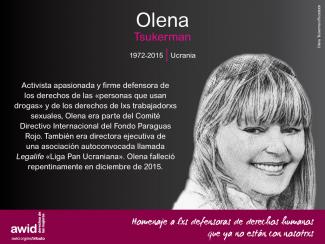
Olena Tsukerman
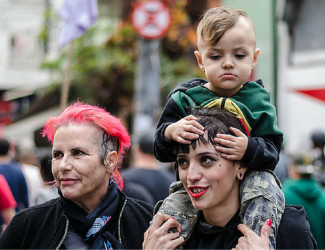
Over the past few years, a troubling new trend at the international human rights level is being observed, where discourses on ‘protecting the family’ are being employed to defend violations committed against family members, to bolster and justify impunity, and to restrict equal rights within and to family life.
The campaign to "Protect the Family" is driven by ultra-conservative efforts to impose "traditional" and patriarchal interpretations of the family, and to move rights out of the hands of family members and into the institution of ‘the family’.
Since 2014, a group of states have been operating as a bloc in human rights spaces under the name “Group of Friends of the Family”, and resolutions on “Protection of the Family” have been successfully passed every year since 2014.
This agenda has spread beyond the Human Rights Council. We have seen regressive language on “the family” being introduced at the Commission on the Status of Women, and attempts made to introduce it in negotiations on the Sustainable Development Goals.
AWID works with partners and allies to jointly resist “Protection of the Family” and other regressive agendas, and to uphold the universality of human rights.
In response to the increased influence of regressive actors in human rights spaces, AWID joined allies to form the Observatory on the Universality of Rights (OURs). OURs is a collaborative project that monitors, analyzes, and shares information on anti-rights initiatives like “Protection of the Family”.
Rights at Risk, the first OURs report, charts a map of the actors making up the global anti-rights lobby, identifies their key discourses and strategies, and the effect they are having on our human rights.
The report outlines “Protection of the Family” as an agenda that has fostered collaboration across a broad range of regressive actors at the UN. It describes it as: “a strategic framework that houses “multiple patriarchal and anti-rights positions, where the framework, in turn, aims to justify and institutionalize these positions.”
avec Nazik Abylgaziva, Amaranta Gomez Regalado, Cindy Weisner et Lucineia Freitas.
Les membres de l’AWID exploreront et feront une évaluation critique du rôle que l’entraide peut jouer pour financer et apporter des ressources aux mouvements, en se livrant à un collage collectif.
📅 Mercredi 12 novembre 2025
📍 Espace COP Populaire
Site web en anglais, espagnol et portugais
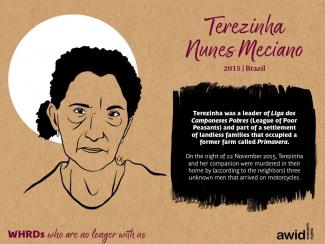
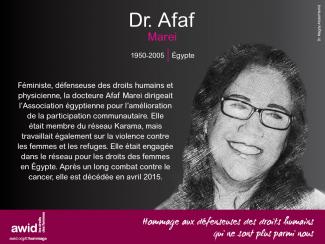
With avenues for civil society (especially those not based in Geneva) to participate in the Human Rights Council becoming more limited because of the financial crisis, spaces to put pressure and hold governments accountable for rights violations are increasingly closed. These measures include charges for hybrid participation and interpretation for side events, visa obstacles, and the limited availability of hybrid informal negotiations on draft resolutions.
Below are resolutions, key resolutions, panels and taking place in these sessions, related to gender and sexuality:
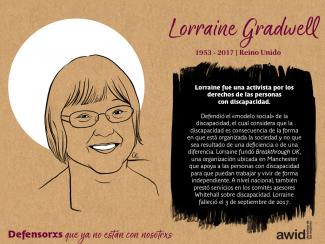
Enciende tu fuego feminista leyendo nuestras investigaciones y publicaciones varias sobre financiamiento, defensoras de derechos humanos, construcción de movimientos, fundamentalismos, justicia económica, seguimiento y evaluación feminista y más
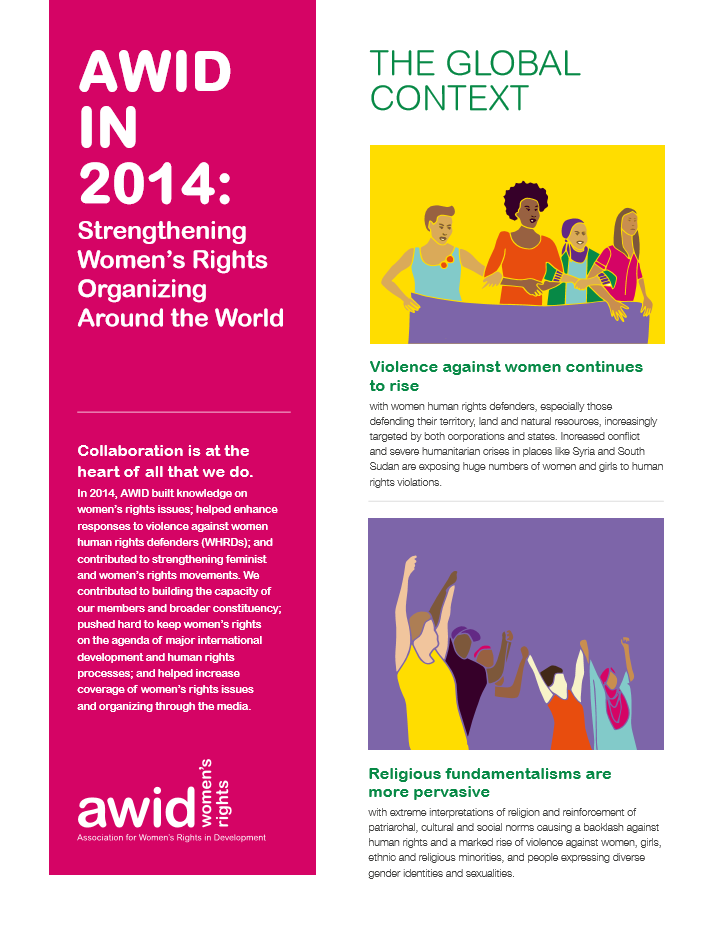
AWID is very pleased to share our 2014 Annual Report.
From building knowledge on women’s rights issues to amplifying responses to violence against women human rights defenders (WHRDs), our work last year continued to strengthen feminist and women’s rights movements across the world.
Get learn how we built the capacity of our members and broader constituency, pushed hard to keep women’s rights on the agenda of major international development and human rights processes, and helped increase coverage of women’s rights issues and organizing through the media. You'll find a panoramic sampling of our projects and some concrete numbers demonstrating our impact.
Collaboration is at the heart of all that we do, and we look forward to another year of working together to take our movements to the next level.
Despite an increasingly challenging panorama, there are important signs of hope for advancing women’s rights agendas. Women’s rights activists remain crucial in creating openings to demand structural change, sustaining their communities, opposing violence and holding the line on key achievements. And there are important opportunities to influence new actors and to mobilize greater resources to support women’s rights organizations.
In this context, strong collective action and organizing among women’s rights activists remains essential.
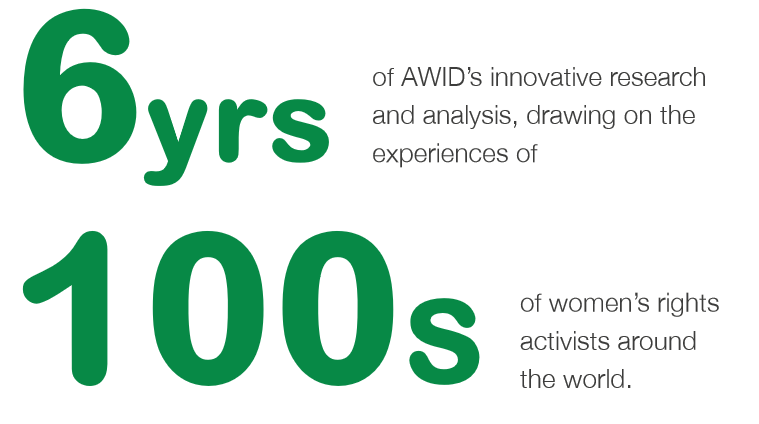
I am sincerely thrilled by AWID’s accomplishments since 1982 and hope to be able to pay at least a modest contribution to its hard work for the benefit of women and situation of gender equality.” — Aleksandra Miletic-Santic, Bosnia Herzegovina
Pendant Women Deliver, des Movement Hubs aux Fidji et en Géorgie conçoivent leurs propres programmes, ancrés dans leurs communautés, afin de se connecter virtuellement à la Conférence Women Deliver. En savoir plus sur leur programme !
Cela vous intéresse d’accueillir des Movement Hubs pour d’autres événements mondiaux de mouvements et des espaces de dialogue politique ? Contactez l’équipe Adhésions de l’AWID : membership @ awid.org
AWID comenzó a preparar este informe anual en el momento en que la pandemia global empezaba a desintegrar las formas en que nos reunimos, nos organizamos y vivimos nuestras vidas. Es imposible reseñar lo que hemos hecho sin que el COVID-19 afecte nuestra evaluación.
Descargar el informe anual 2019 completo (PDF)

Es una afirmación, urgentemente necesaria, de que existen otros modos, más justos, de organizar nuestras vidas. Durante 2019, cientos de grupos compartieron con nosotrxs sus experiencias y propuestas de realidades feministas, que van desde las redes radicales de apoyo comunitario que facilitan el aborto autogestionado en América Latina y las prácticas de economías comunitarias en Indonesia y de sistemas alimentarios comunitarios en India y EEUU, hasta la reconcepción y renovación de las prácticas no perjudiciales para ritos de iniciación en Sierra Leona. Estas son las experiencias que trazarán un camino hacia una «nueva normalidad».
Una parte clave de nuestro trabajo de 2019 fue alentar estas exploraciones a través de una guía que AWID lanzó para apoyar a aquellos grupos interesados en descubrir las historias y las aspiraciones que son los componentes esenciales de las proposiciones feministas.
Mientras nos focalizamos en nuestras propuestas para un mundo diferente, también reconocemos el complejo contexto que nos rodea. A través de alianzas con el Observatorio sobre la Universalidad de los Derechos, las Feministas por un Tratado Vinculante, el Consorcio Count Me In! y otras organizaciones, AWID ha continuado resistiendo contra el poder corporativo irrestricto y contra las agendas fascistas y fundamentalistas que socavan los derechos de las mujeres y la justicia de género. En vista de las escasas posibilidades de lograr un cambio transformador a través de procesos multilaterales y de la limitada receptividad de la mayoría de los Estados, estamos redoblando nuestros esfuerzos para garantizar que los movimientos feministas, en toda su diversidad, sean financiados de forma proporcional al papel crítico que desempeñan al apoyar a sus comunidades, reclamar derechos, y responder a las crisis. En 2019, introdujimos principios y enfoques feministas para fondos innovadores como la Iniciativa Spotlight y el Fondo Igualdad, y logramos obtener recursos a través de subvenciones de fondos semilla para realidades feministas provenientes de donantes feministas.
Si miramos hacia adelante, resulta claro que el contexto requiere una transformación de nuestras estrategias de organización:
AWID se está embarcando ahora en un nuevo modelo de membresía que reduce las barreras para el acceso y pone el énfasis en las oportunidades para la participación y la conexión entre afiliadxs. Seguiremos experimentando con distintas herramientas y procesos virtuales para construir comunidad. La interacción entre movimientos continuará siendo central para nuestro trabajo. Las acciones de AWID en solidaridad con los movimientos y las identidades que sufren opresión (incluso y especialmente cuando estas quedan marginalizadas dentro de los movimientos feministas) son importantes para impulsar el cambio y brindar apoyo a los movimientos amplios e inclusivos para todas las personas.
Somos resilientes, nos adaptamos, y nos hacemos presentes para lxs demás. Y tenemos que seguir haciéndolo mejor. Gracias a todxs ustedes, que son parte del viaje junto con nosotrxs.