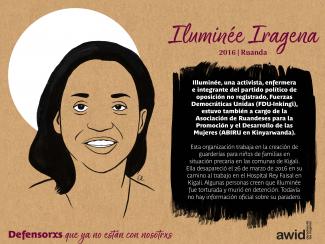
Illuminée Iragena
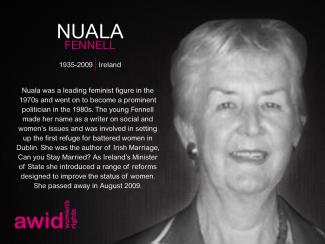
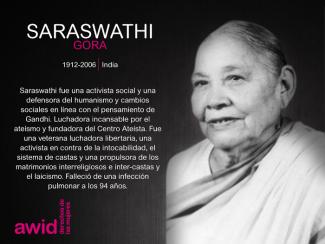
AWID’s Tribute is an art exhibition honouring feminists, women’s rights and social justice activists from around the world who are no longer with us.
This year’s tribute tells stories and shares narratives about those who co-created feminist realities, have offered visions of alternatives to systems and actors that oppress us, and have proposed new ways of organising, mobilising, fighting, working, living, and learning.
49 new portraits of feminists and Women Human Rights Defenders (WHRDs) are added to the gallery. While many of those we honour have passed away due to old age or illness, too many have been killed as a result of their work and who they are.
This increasing violence (by states, corporations, organized crime, unknown gunmen...) is not only aimed at individual activists but at our joint work and feminist realities.
The portraits of the 2020 edition are designed by award winning illustrator and animator, Louisa Bertman.
AWID would like to thank the families and organizations who shared their personal stories and contributed to this memorial. We join them in continuing the remarkable work of these activists and WHRDs and forging efforts to ensure justice is achieved in cases that remain in impunity.
“They tried to bury us. They didn’t know we were seeds.” - Mexican Proverb
It took shape with a physical exhibit of portraits and biographies of feminists and activists who passed away at AWID’s 12th International Forum, in Turkey. It now lives as an online gallery, updated every year.
To date, 467 feminists and WHRDs are featured.
NOUS SOMMES LA SOLUTION
Somos la Solución
Sauf si vous avez des problèmes d’accessibilité et/ou que vous répondez aux questions de l’enquête dans une autre langue, nous vous encourageons fortement à utiliser KOBO pour une collecte et une analyse standardisées des données WITM.
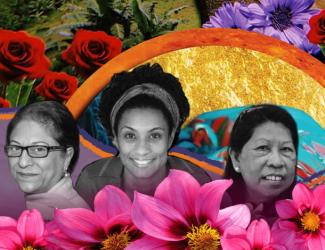
En el transcurso de sus vidas, 6 defensoras de derechos humanos de Europa occidental, Oriental, Central y del Sudeste investigaron, hicieron campañas y participaron en los movimientos de la paz y los derechos de las mujeres a través del activismo político y social o mediante la danza. Agradecemos su legado. Únete a AWID para honrar a estas defensoras de derechos humanos, su trabajo y su legado, compartiendo los memes aquí incluidos con tus colegas, amistades y redes; y tuiteando las etiquetas #WHRDTribute y #16Días.
Por favor, haz click en cada imagen de abajo para ver una versión más grande y para descargar como un archivo.


Tenemos el placer de presentarte a Mariama Sonko, inspiradora ecofeminista, campesina y defensora de los derechos humanos y de las mujeres, que vive actualmente en Niaguis, en el suroeste de Senegal.
Al crecer en una familia y comunidad campesina rural, fue testigo del papel esencial de la mujer en la producción de alimentos y el almacenamiento de semillas desde la infancia, mientras estaba inmersa en el trabajo y ritmos de la tierra.
Mariama ha defendido el conocimiento agrícola local y las prácticas campesinas desde los años 1990. Como madre de 5 hijos, los alimentos que ella misma cultiva son la principal fuente de sustento de su familia.
Actualmente es presidenta de Nous Sommes la Solution y está comprometida con la promoción de las prácticas agroecológicas y la agricultura familiar, con el fomento de la soberanía alimentaria, la biodiversidad y la preservación de las semillas campesinas, y con la exigencia del acceso equitativo a los recursos y a la tierra en África Occidenta para las mujeres.
Fuente: AWID’s Feminist Realities Festival Crear | Résister | Transform - 2º día
Yes, we invite you to share more on issues that are important to you by responding to the open question(s) at the end of the survey.

El marco para la investigación te servirá de guía durante todo el proceso y el documento que elabores para especificar ese marco también puede servirte como nota conceptual para compartir con las personas a las que consultes, con las organizaciones con las que te asocies o como propuesta de financiamiento para presentar a posibles donantes.
En esta sección
Antes de realizar una investigación:
- Fija las metas para la investigación
- Enumera las principales preguntas que quieres que te responda la investigación
- Explicita qué tipo de información necesitarás obtener y analizar para responder a las principales preguntas
- Define cuáles serán los productos finales de la investigación
Es posible que el marco de la investigación vaya cambiando con el tiempo, a medida que vayas puliendo las preguntas y obteniendo nueva información. Pese a eso, contar con un marco de referencia inicial para la investigación te ayudará a trabajar sobre bases más sólidas.
Para dotar a la investigación WITM de una base sólida, es importante que tengas claro lo que esperas lograr.
Por ejemplo: una meta de la investigación global WITM de AWID fue aportar información precisa para demostrar lo que ya sabíamos a partir de anécdotas, es decir, que las organizaciones por los derechos de las mujeres tienen mucho menos financiamiento del que necesitan. Pensamos que contar con esa información nos permitiría estar mejor posicionadas para influir sobre las decisiones que toman las financiadoras.
Algunas metas que podrías proponerte:
Enmarca el proceso de investigación con un conjunto de preguntas principales a las que solo tu investigación pueda dar respuesta y limítalas a un período determinado (p.ej. los últimos cinco años, el año pasado, etc.)
Para tener en cuenta:
Elegir un marco temporal específico para la investigación te puede aportar resultados más precisos que si trabajas con un marco temporal abierto. Decidir si vas a repetir o no esta investigación a intervalos regulares te permitirá fijar parámetros para la recolección de datos que permitan replicarlos y compararlos fácilmente entre un período y otro.
Las principales preguntas que guiaron el proceso de investigación WITM de AWID fueron:
- ¿Cuál es la situación actual en cuanto a sostenibilidad financiera de las organizaciones de mujeres en todo el mundo?
- ¿Qué tendencias externas e internas influyen en las decisiones de lxs donantes en cuanto al apoyo para organizaciones y movimientos de mujeres?
Ahora que ya decidiste cuáles serán las preguntas principales, puedes determinar qué tipo de información te servirá para responderlas. Esto a su vez te ayudará a planificar el resto del cronograma de la investigación WITM.
Por ejemplo, ¿vas a realizar una encuesta que abarque a una amplia porción de la población que hayas fijado como prioritaria? ¿Vas a analizar las solicitudes que están recibiendo las financiadoras y que provienen de una determinada región? ¿Vas a realizar también entrevistas (te recomendamos que lo hagas)? Cuando ya sabes qué tipo/s de información necesitas, puedes buscar fuentes externas que puedan aportártela desde el comienzo mismo del proceso y planificar el cronograma de acuerdo a eso. Algunas fuentes de información sugeridas son las siguientes:
Contar con una variedad de información es una buena manera de generar análisis sólidos y profundos.
Por ejemplo, la información recogida en la Encuesta Global 2011 de AWID (en inglés) constituyó el eje central de nuestro análisis más reciente. Pero también obtuvimos información de entrevistas e interacciones con distintxs actores de este campo, desde donantes hasta activistas y organizaciones por los derechos de las mujeres.
Además de permitirte fijar un cronograma, formular un plan inicial acerca de los productos que vas a elaborar también te ayudará a decidir qué recursos vas a necesitar.
Por ejemplo, ¿solo vas a producir un informe extenso o también infografías, folletos y presentaciones? Según los productos que decidas elaborar, tal vez necesites contratar a una empresa de diseño, planificar eventos, etc.
Estos productos también serán las herramientas que utilizarás para alcanzar las metas, por eso es importante tenerlas presentes. Por ejemplo, tu investigación WITM, ¿está pensada solo como una herramienta de incidencia para influir sobre donantes? En ese caso, necesitarás productos que te permitan una mayor interacción con ellxs.
Algunos ejemplos de posibles productos:
Elaborar un marco para la investigación que incluya las metas, preguntas principales, tipos de información y productos finales te ayudará a producir un cronograma bien planificado, preparar por anticipado los recursos que necesitas y estimar un presupuesto realista.
Todo esto te facilitará los vínculos con lxs sociaxs externas y podrás ser flexible cuando ocurran contratiempos.

• 1 mes
• 1 persona (o más) de investigación
• Ejemplo 1: Marco para la investigación
• Ejemplo 2: Marco para la investigación
Los datos se procesarán para fines estadísticos y así arrojar luz sobre el estado de la dotación de recursos para los movimientos feministas de todo el mundo, y solo se exhibirán de forma desglosada. AWID no divulgará información acerca de ninguna organización en particular ni publicará información que permita identificar a una organización por su ubicación o características sin el consentimiento acreditado de dicha organización.
La investigación secundaria la puedes realizar en todos los estadios del proceso investigativo. Te puede ayudar a formular el marco, a elegir las preguntas de la encuesta y a comprender mejor los resultados.
En esta sección
- Describe el contexto
- Utiliza el conocimiento ya construido
- Posibles fuentes para la investigación secundaria
1. Sitios de donantes en Internet y sus informes anuales
2. Fuentes de información en línea
Realizar investigación secundaria durante todo el proceso investigativo te ayudará a formular el marco de referencia, elegir las preguntas de la encuesta, interpretar la información según el contexto o percibir aspectos interesantes de los resultados de la investigación. Por ejemplo, podrás comparar similitudes y diferencias entre los resultados de tu investigación y la información recogida de la sociedad civil y del sector donante.
Tal vez percibas tendencias en la información que te aporta la encuesta y quieras entenderlas mejor.
Por ejemplo, imagina que la encuesta te indica que los presupuestos de las organizaciones se están reduciendo, pero no te puede decir por qué está sucediendo esto. Consultar publicaciones te puede ayudar a entender el contexto y las posibles razones que explican esa tendencia.
La utilización de fuentes secundarias garantiza que la investigación incorpore el conocimiento ya construido, confirmando así la validez y relevancia de tus resultados.
Estos resultados pueden complementar o contradecir el conocimiento construido, pero deben guardar relación con él.
Para asegurarte de investigar todo el panorama del financiamiento para la temática que estés relevando, necesitarás estudiar un conjunto diverso de sectores donantes.
Puedes tener en cuenta:
- Fondos de mujeres
- Fundaciones privadas y públicas
- Organizaciones no gubernamentales internacionales (ONGI)
- Entidades bilaterales y multilaterales
- Actores del sector privado
- Filantropía individual
- Micromecenazgos (crowdfunding)
Incluye a todo otro actor que resulte relevante para la investigación.
Por ejemplo, puedes decidir que también será importante relevar a las organizaciones no gubernamentales (ONG)
Estas son fuentes directas de información que revelan lo que están haciendo las financiadoras y por lo general también informan acerca de sus políticas y presupuestos. Incluir estos materiales en la investigación antes de entrevistar a donantes te podrá ayudar a formular preguntas más puntuales y a recoger más información durante la entrevista.

• 1-2 meses
• 1 persona (o más) de investigación
7. Sintetiza los resultados de la investigación
Non. L’enquête s’appuie sur les 20 années de mobilisation de l’AWID dans l’objectif d’obtenir davantage de financement de meilleure qualité pour des changements sociaux menés par des féministes. Cette enquête est la troisième édition de la recherche Où est l’argent pour l’organisation des mouvements féministes? Notre objectif est de mener une enquête WITM tous les 3 ans.