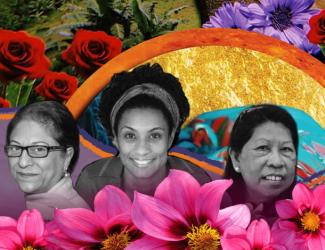
AWID’s Tribute is an art exhibition honouring feminists, women’s rights and social justice activists from around the world who are no longer with us.
In 2020, we are taking a turn
This year’s tribute tells stories and shares narratives about those who co-created feminist realities, have offered visions of alternatives to systems and actors that oppress us, and have proposed new ways of organising, mobilising, fighting, working, living, and learning.
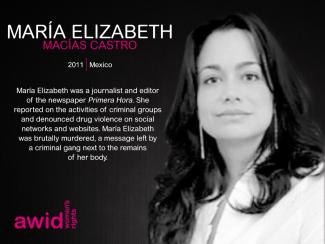
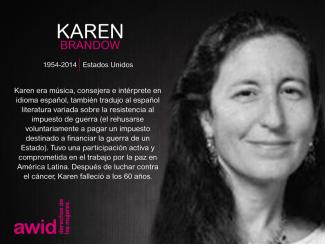
49 new portraits of feminists and Women Human Rights Defenders (WHRDs) are added to the gallery. While many of those we honour have passed away due to old age or illness, too many have been killed as a result of their work and who they are.
This increasing violence (by states, corporations, organized crime, unknown gunmen...) is not only aimed at individual activists but at our joint work and feminist realities.
The stories of activists we honour keep their legacy alive and carry their inspiration forward into our movements’ future work.
The portraits of the 2020 edition are designed by award winning illustrator and animator, Louisa Bertman.
AWID would like to thank the families and organizations who shared their personal stories and contributed to this memorial. We join them in continuing the remarkable work of these activists and WHRDs and forging efforts to ensure justice is achieved in cases that remain in impunity.
“They tried to bury us. They didn’t know we were seeds.” - Mexican Proverb
The Tribute was first launched in 2012
It took shape with a physical exhibit of portraits and biographies of feminists and activists who passed away at AWID’s 12th International Forum, in Turkey. It now lives as an online gallery, updated every year.
In 2019, I was invited by the BBC to speak at the 100 women conference in Delhi, India, on the subject of ‘The future of love, relationships, and families.’ The audience seated in the large hall consisted mostly of young Indians- college students, professionals, activists etc (...)
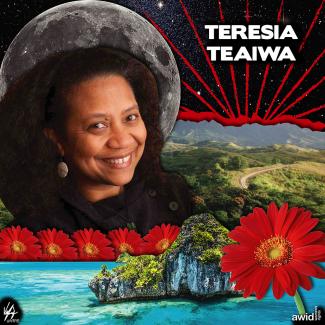
Considérée par le Guardian comme l'une des icônes nationales de Kiribati, Teresia était une avocate téméraire.
Elle travaillait en étroite collaboration avec des groupes féministes aux îles Fidji. Ses travaux de recherche ont servi à aborder les problèmes du féminisme et de l'égalité de genre dans le Pacifique. Elle était également corédactrice de l’International Feminist Journal of Politics. En Océanie, son influence a traversé les frontières académiques, ainsi que les mouvements pour la justice sociale.
بصمة حبّ جماعيّة
تصوير مريم مكيوي
ترجمة فيفيان عقيقي
تُعرَف أيضًا باسم “شبكة تيتا للأبحاث”. دائرة الكتابة: العصبةُ المتآمرة هي مجموعة عابرة للقوميات من الكتّاب الكويريين والنسويين الذين يتشاركون في الكتابة الجماعية والتفكير وصنع العالم. أعضاء المؤامرة هم: أحمد قيس منهزم، أحمد عوض الله، ألينا آخنباخ، باربرا ديندا، سيندي سلامة، دلال الفارس، ديباراتي سركار، فرح جلال عثمان، ج. دانييل لوثر، جان مخلوطة، لينا قليلات، حنا الطاهر، ماريا نجار، مايا بهاردواج، مادوليكا سنكار، ملاك الأكحل، ميريام عمري، نيحاريكا بانديت، نور المزيدي، رؤيا حسن، سارة البنا، سارة تونسي، شيرين شلاح، وازنة زندن، زينب أحمد.
وازنة زندن (wazina.com) أفغانية نشأت في مدينة نيويورك، يركز عملها على جمع ورواية القصص المتعلقة بالذكريات الجماعية وطقوس العبور في الشتات. بصفتها تقدم آداءات روائية غير رسمية ولا تتبع منهجية معينة، تساهم وازنة في تقديم عرض بعنوان الخروج من المختبأ: الأفعال الراديكالية المتعلقة بالحب. يعد هذا العرض آداءًا شخصيًا لسرد قصص تجسد تجربة أن يكون المرء كويريًا ومسلمًا في آن. تقدم وازنة هذا الآداء إلى جانب نظيرتها الإبداعية وأختها الروحية ترنا دلي جيادو. حاليًا، تعمل على “الإيمان: في الحب / الإيمان في الحب” الذي (يعيد) تتبع قصة علاقة والديها ونصوص الحب الموروثة من العائلة.
الحبّ هروب في الجحيم
الحبّ أسيد يذوِّب الحانات
لكن أنت، أنا والغد
نمسك أيدينا ونتعاهد
بأنّ هذا الكفاح سوف يستمرّ
للمنشار حدّان
للبندقية ماسورتان
نحن حبالى الحرّية
نحن مؤامرة
من واجبنا الكفاح من أجل الحرّية
من واجبنا الفوز
يجب أن نحبّ بعضنا وندعم بعضنا
لا يوجد ما نخسره سوى قيودنا
«الحبّ» لأساتا شاكور
«إذا استطعنا أن نرِث صدمةً، فهل يمكننا أن نرث بصمةً مُرتبطة بالحبّ؟»
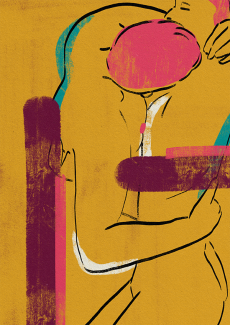
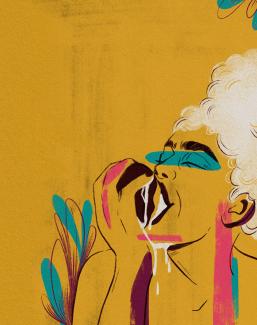
هذا هو السؤال الذي تطرحه وازنة زوندُن في مذكّراتها «بصمة حبّ». «بصمة حبّ» هو تطواف، تداخل، انحراف يَخلق (أو يعيد خلق)، عند تقاطع المقابلات والمقالات الشخصيّة، قصص عائلاتنا ورؤىً عن الحبّ والشراكة والرومانسية. بتوجيهٍ من وازنة، اجتمعت مؤامرة كتّاب الدائرة، وحاولت إعادة إنتاج هذا المُخطّط الحرفي على شكل كتابة جماعيّة، حيث تُكمِّل قصصنا وهويّاتنا الجنسية والجندرية المُختلفة بعضها البعض، وتتناقض فيما بينها. مع تداخل أصواتنا، نُكمِّل جُمَلَ بعضنا لنخلق محادثة، تذكاراً، وأجزاء من أنفسنا تتحدّث إلى الـ»نحن».
ما هي أصول «بصمة حبّ»؟
أنا من يُسمّى «حادثة سعيدة». هناك الكثير من الروايات عن الأمر – حياة عرضية، إنّما مطلوبة في الوقت نفسه. أظن أنّ هذه هي طريقتي في الحبّ، فأنا لا أقع في الحبّ فقط؛ أنا أخاطر بانزلاق يؤدّي إلى السقوط. ربّما جعلني الأمر شخصاً قدره الحبّ.
قيل لي إنني طفلة غير مرغوب فيها. لذلك كَبِرت لأصبح شخصًا بالغًا غير مرغوب فيه. أصول «بصمة حبّ» تستند إلى كوني شخص غير مرحّب به بالأساس. أنا لستُ ثمرة حبّ أو أي مشاعر سعيدة، بل ثمرة ألَم وعبء. ليس لديّ بصمة حبّ – أقلّه بهذا المعنى.
أعرف أنّ والديّ كانا في حالة حبٍّ في مرحلة ما، لكنّ الصحّة العقلية شيطان، إلى حين يواجه المرء شياطينه، لا يوجد ربح.
لن أربط أبداً «الحبّ» بوالديّ أو عائلتي. كان الحبّ الذي يكبر مليئًا بالعنف والمسؤوليّات التي لم أشترك بها ولم أكن مستعدّة لها. شعرت لوقت طويل أنّ الحياة والحبّ يدوران حول حِملٍ مُرهِق وشاقّ. بينما كان والدايْ «يحبّان بعضهما البعض»، كانت روحٌ سامّة من العنف والغيرة وانعدام الأمن تنمو أيضاً. نشأتُ وأنا أتوق إلى الاستقرار، وهذا ما أنا عليه الآن. أنا مُجازفة، لكن ليس في «مساحة الحبّ».
لا أعرف لماذا اختارت والدتي استضافة طفل (أنا) في داخلها. هي لا تحبّ بهذا الشكل.
قالت لي والدتي إنّه إذا كان عليّ التفكير في «إيجاد» الحبّ، أن لا أنظر إلى زواجها كنموذج. تأتي «بصمة حبّ» بدلاً من تربية كلب على مدار عقدين ماضيين (18 عامًا لأكون دقيقة). والعكس صحيح أيضًا – لقد ربّوني. بتّ أفهم المزيد عن الحبّ وطبقاته العديدة في صحبتهم.
لم أعرف الحبّ من «بصمة». في منزلنا لا نتحدّث عن الحبّ. كان عليّ أن أعلّم نفسي كيف أحبّ. لقد كان عملاً صعباً. ما زلت أفشل، وما زلت أحاول وأفشل كلّ يوم. ربّما الفشل هو بصمة حبّي.
بصمة حبّي هي الرعاية والدفء والفهم الذي أعطيهم للمُحيطين بي، سواء كانوا غرباء أم أصدقاء أم أقارب أم عشيقاً. بصمة حبّي سياسيّة – غير محسوبة وغير مدروسة.
وُلدتُ تحت قصف عنيف. بصمة حبّي هي بصمة سلبية عن تلك الأحداث.
دروس مُستقاة عن الحبّ
أعرف ما هو ليس حبّاً أكثر ممّا أعرف الحبّ.
الحبّ ليس قلقاً ولا ذعراً.
الحبّ لا يطلب الإذن ليعيش أو يتنفّس. إنه الحبّ، ولا يوجد حبّ من دون حرّية.
كلّ ما تفعله هو استخدام قلبك من دون الحبّ. الحبّ هو أن تستخدم عقلك.
أحيانًا أخشى أن تضيع لغة حبّي في الترجمة.
--- هناك طرق عدّة
لرسم أصول
كيف
وكيف لا
تحبّ
الحبّ
ليس حبّاً
الحبّ كافٍ فقط
الحبّ بعيد جدّاً
بعض الحبّ
بعض الخسارة
لتحبّ
لتحبّ الخسارة ---
لا أستطيع تحمّل فكرة الزوجين. لا يمكنني تحمّل فكرة العيش بمفردي أثناء الشيخوخة أيضًا. لقد سئمتُ من القيام بالأعمال المنزلية بمفردي، والانتقال من منزل إلى آخر بمفردي، ودفع الإيجار والفواتير بمفردي... أتخيّل إصابتي بجلطة دماغية وأنا بمفردي، وهذا يخيفني. ليس لديّ خطّة «شراكة». أريد عالمًا يمكنني فيه الزواج من صديق، وشراء منزل مع صديق، وعدم ممارسة الجنس.
أن نحبّ كثيرين لا يفسد الحبّ المُشترك بين شخصين. سواء كان الحبّ رومانسيًا أم لا فهذا ليس مهمّاً حقًا.
عندما أفكّر في علاقاتي الرديئة، أُدرك أنني مُرتبطة بعلاقة تدرّبتُ لأكون فيها. مع كلّ «راديكاليّتي» لم أتخلّص بعد من الأعراف الجندرية القذرة.
حاجتي إلى الاستقرار «ليست جذّرية» بما فيه الكفاية. أريد الخروج من هذه الوصمة. أريد شيئًا لم أحصل عليه من قبل. أريد أن أجعله جم
--- بصمة حبّ – أحبّ شمّ الكتب لمعرفة مكان طباعتها
أحاول التفكير في أصل فهمي وممارستي الحبّ
هل نحتاج إلى أصول، فهو ليس مثل النقاء؟ لا طهارة ولا أصل للحبّ.
لماذا يتبادر الفهم والممارسة إلى الذهن وليس «العاطفة»؟ ---
عندما أتّصل بوالدَيْ، لا أغلق الهاتف بعد قول الوداع، لكي أتمكّن من سماع أصوات المنزل.
ما الذي نحتاجه لكي نقع في/ نشعر بالحبّ في الموت؟
أثناء دفني وفق طقوس المذهب السنّي، أريد أن يجتمع كلّ الرجال والنساء معاً. لا أفهم سبب عدم القدرة على توديع الموتى من جنس مختلف؟ سوف تكون مراسم دفني وفق الطقوس السنّية لأن والدتي قد ترغب بذلك. سوف يكون دفني صديقاً للبيئة. لا حاجة لوضع شاهد فوق قبري. أنا أحبّ كلّ طقوس الدفن. القرآن جيّد، لكنّي أريد موسيقى أيضًا. أحبّ أسمهان جدّاً، وأم كلثوم، وذا ستون روزيز.s.
لديّ قائمة تشغيل من الاثنين إلى الجمعة، وقائمتان مختلفتان لعطلة نهاية الأسبوع: واحدة ليوم السبت والأخرى ليوم الأحد. أودّ ممّن يحبّوني أن يشغّلوا الموسيقى التي كنت أستمع إليها مع الالتزام بقوائم الأيّام – هناك هامش حرّية في اختيار الأغاني طالما يلتزمون بقوائم التشغيل.
أريد أن أكون مُحاطة بمن أحبّني، ولو للحظة. مع الموسيقى والأزهار المقطوفة. لا أريد أن يشعروا بغيابي. أريد أن أموت على وقع ضحكات من أحبّهم.
أريد أن يتذكّروني كشخص يحبّ.
لست بحاجة للشعور بالحبّ في الموت. أريد ممّن حولي أن يشعروا بأنني أحبّبتهم، حتّى بعد موتي. أن تكون محبوبًا في الموت هو أمر مُرتبط بمَن لا يزالون على قيد الحياة. لذلك أفكّّر أكثر في كيفيّة لقائنا معًا كمجتمع حيّ ومحبّ في موت مَن نحبّهم ونعيش معهم. كيف نأخذ ذكرياتهم معنا. كيف نصبح أرشيفاً لحياتهم.
--- في بعض الأحيان يمكنك أن تحبّ الناس في موتهم فقط --
عليّ التفكير في الجسد المُتّصل بمساحة. عائلتي صغيرة جدًا، وعلى الرغم من أننا نأتي من أماكن مختلفة، لكن يبدو كما لو أن كلّ جيل انتقل إلى مكانٍ جديد. ربّما هذا هو سبب عدم ارتباط الموت بمكان خاص: مقبرة. من الشائع في عائلتنا دفن الموتى من دون أسماء أو شواهد قبور، أو ترك الرماد يتحرّر بتطايره مع الريح. أشعر بسلام إذا كان ذكري مُنفصلاً عن المكان. مجرّد التفكير بأن رمادي يُخصّب حياة جديدة، وأنّه يتمّ ذكري في أوقات التسلية والفرح، يعطيني إحساسًا بأنني محبوبة. توفّيت جدّتي في وقت سابق من هذا العام بسبب مضاعفات اللقاح. بعد ساعتين من وفاتها، جلست عائلتي تضحك على نكاتها، وطريقتها المُضحكة في سرد القصص. ضحكنا وشعرنا بالحبّ وكأنّها تجلس معنا مرّة أخرى. هذا ما قد يجعلني أشعر بسلام – تخصيب التراب، وتخصيب الأحاديث، والتذكّر الجماعي.
--- هناك
شارعان أسلكهما
للمشي
للهرب
للّعب
للبقاء
هناك
خمس ساعات تكون أشعة الشمس
حادّة
السماء زرقاء
الأرض خضراء
هناك
زهرة أستطيع
شمّها
لمسها
عصرها
واقتلاعها
هناك
أصدقاء أستطيع
ضمّهم
طعام
أستطيع
ابتلاعه
لغة
تخرج
عبر شفتيّ
ربّما لا يزال هناك
أماكن عدّة
وأشياء
وناس
من بعدي ---
ربّما يكفيني وعد بـ»الاحتفاء بذكري مكانياً» كما لو أنني نبتة يجري الاعتناء بها حتّى تصبح شجرة. لا إسم ولا لوحات تعريفيّة – النبتة/ الشجرة فقط مع عِلمٍ مُسبق بأنّه سوف يتمّ الاعتناء بها. بالنسبة لجسدي، أريد أن أُحرَق من دون أي طقوس، وأن يُرمى رمادي في بحر العرب.
أريد أن يتمّ التعامل مع جسدي بشكل تخريبي كما لو أنّه على قيد الحياة.
لا أريد أن أدفن إلى جانب عائلتي. في هذا الدُرج الصغير إلى جانب كلّ الأشخاص الذين لم يعرفوني أبدًا. محاصرة بالموت كما كنت في الحياة. أريد أن أُحرَق، وأن يتمّ تحرير رمادي أخيراً.
أريد أن يُسمح لي بالمرور، لا الوقوف ما بين بين، لكي يكون ذلك وجوداً، عملية نشطة، تجاوز.
سأطلب منكم:
إطلاق سراحي والسماح لي بالمرور
عدم السماح للحنين بتعكير هذه اللحظة لأنني لن أطلب سوى عودة تعابيركم إلى طبيعتها
لقد اقتنصت اللمحات اللطيفة، وتخلّصت من الطرق الصغيرة والكبيرة التي أحبّبتموني بها سعياً للخلود. أبقيت نفسي على قيد الحياة بهذه الطريقة
تحديد وقت للحزن
تذكّر أنّه لا يوجد فراق في جمال الحبّ؛ إنه لا نهائي ويتجدّد من دون الجسد
أريد أن يتذكّروني من خلال الحبّ الذي تركته. أريد التخلّي عن جسدي وأعضائي لتغذية الحبّ في حياة أو حياوات أخرى.
--- رائحة الياسمين ---
ExploreTransnational Embodiments
This journal edition in partnership with Kohl: a Journal for Body and Gender Research, will explore feminist solutions, proposals and realities for transforming our current world, our bodies and our sexualities.
نصدر النسخة هذه من المجلة بالشراكة مع «كحل: مجلة لأبحاث الجسد والجندر»، وسنستكشف عبرها الحلول والاقتراحات وأنواع الواقع النسوية لتغيير عالمنا الحالي وكذلك أجسادنا وجنسانياتنا.
Kasia soutient le travail des mouvements féministes et de justice sociale depuis 15 ans. Avant de rejoindre l'AWID, Kasia dirigeait les politiques et le plaidoyer d’ActionAid et d’Amnesty International, tout en se mobilisant avec des féministes et des groupes de justice sociale en Pologne pour l'accès à l'avortement et la lutte contre les violences aux frontières européennes. Kasia est passionnée par le ressourcement des organisations féministes dans tout leur courage, leur richesse et leur diversité. Elle partage son temps entre Varsovie et son village communautaire de bricolage dans la forêt. Elle adore les saunas et aime follement son chien Wooly.
Position
Cheffe de l’Initiative Ressourcement des Mouvements Féministes
Add to stories
Off
Snippet Forum Stories Gen Intro (FR)
Que représentent les Forums de l’AWID pour celles et ceux qui y ont assisté ? Quelle est cette magie qui opère lorsque des féministes du monde entier se rassemblent pour célébrer, élaborer des stratégies, apprendre et partager leurs joies ?
L’AWID s’est entretenue avec plus de quarante participant·es aux Forums pour connaître le récit de leur transformation personnelle en tant qu’activistes, celle de leur organisation et des mouvements auxquels elles et ils appartiennent. Elles et ils nous ont également dit ce que nous devrions conserver et renforcer pour les prochains Forums, ce qui distingue les Forums de l’AWID, et ce que nous pouvons améliorer.
Ce rapport contient des enseignements et d’inestimables conseils pour toute personne prévoyant d’organiser des rassemblements régionaux et thématiques en personne, et pour nous-mêmes alors que nous planifions le 15e Forum international de l’AWID.
If your funding institution is already a part of the Database and you would like to contact us to update your record, or if you would like to leave some feedback for us, please use the form above.
Stella began her career at the Ministry of Gender and Community Development in Uganda engaging with policymakers for law reform, including the 1995 Ugandan Constitution, which established some of the most progressive reforms for women in the region.
She is revered throughout the region for her tireless efforts to create and enforce gender-responsive laws and policies. She played a key role in drafting Uganda’s Domestic Violence Act and in mobilizing support for gender-responsive constitutions in both Uganda and in Rwanda.
Through her work with International Center for Research on Women (ICRW), she worked on violence against children, and worked to strengthen the capacities of grassroots organizations addressing gender-based violence. She was a lecturer on gender rights and the law at Makerere University and served on the boards of Akina Mama wa Afrika, ActionAid International Uganda and the Open Society Initiative for Eastern Africa.
Chers mouvements féministes : Une lettre du conseil d'administration
Chers mouvements féministes,
Au nom du Conseil d’administration, je souhaite exprimer notre plus profonde gratitude, notre appréciation et tout notre respect pour Hakima Abbas et Cindy Clark, nos deux extraordinaires codirectrices exécutives ces cinq dernières années, qui quittent leurs fonctions pour laisser place à un nouveau leadership de l’AWID, alors que nous entrons dans une nouvelle phase de la vie de notre organisation avec un nouveau plan stratégique. Elles ont systématiquement mis en application les meilleurs principes de leadership organisationnel féministe et d’éthique du soin lorsqu’elles nous guidaient, lors des temps bien troubles et imprévisibles de la récente histoire du monde, cette syndémie de COVID-19 et la spirale politique mondiale descendante qui s’en est suivie. Elles ont tenu l’AWID, notre personnel et notre CA fermement, doucement et avec amour alors que nous éprouvions toutes et tous ces situations inconnues. Elles se sont également accrochées à la vision et à la mission de l’AWID lorsqu’elles ont dû, avec respect et stratégie, réagir aux différents changements, dont la difficile annulation du forum de l’AWID.
La nature, la portée et le poids des responsabilités de la direction de l’AWID nous incitent à choisir de conserver, à l’avenir, ce modèle de codirection. Notre première expérience de cette codirection a été une véritable réussite, comme tout le monde a pu le constater.
Reconnaissant tout à fait le potentiel immense qui existe au sein de l’équipe actuelle, le CA a décidé de privilégier un processus de recrutement en interne dans un premier temps. Nous pensons terminer cette transition d’ici la fin de l’année 2022. Hakima et Cindy décaleront leur départ, pour permettre une transition en douceur vers le nouveau leadership.
Il est difficile pour le Conseil d’administration et d’autres, qui ont travaillé étroitement avec elles et qui les aiment, de voir Cindy et Hakima quitter l’AWID. Rassurez-vous, le CA de l’AWID mène ce processus de transition de manière à ce que les belles marques indélébiles et inspirantes que laissent Hakima et Cindy soient inscrites dans les quatre décennies de notre histoire. Nous assurerons l’arrivée et le soutien de la nouvelle direction et veillerons à ce que ce processus nous inspire à faire mieux encore à cette étape de la vie de l’AWID.
Les grandes transformations dans les organisations ne sont jamais simples ni faciles. Elles sont parfois contraintes, hors du contrôle de quiconque, tendues, voire destructrices. J’ai vu, mais vous aussi, des exemples de telles transitions. Il arrive également que les besoins et les aspirations du personnel soient alignés avec ceux de l’organisation. Bien que nous n’ayons ni choisi ni souhaité le départ de Cindy et Hakima, leur décision et l’entrée de l’AWID dans un nouveau plan stratégique et une nouvelle décennie d’existence sont alignées. Et mieux que tout encore, nous sommes entre les mains merveilleuses, super compétentes, créatives et féministes du personnel et du CA de l’AWID.
Nous vous remercions, chers mouvements féministes, pour votre confiance dans l’AWID. Nous vous demandons également de soutenir notre transition de leadership au cours des mois à venir. Continuons à construire, approfondir et renforcer nos connexions, comme nous le faisons depuis 40 ans.
Nous reviendrons vers vous dans les prochaines semaines pour vous tenir au courant de nos mises à jour et des évolutions concrètes.
Avec solidarité et amour féministes, Margo Okazawa-Rey,
Présidente, Conseil d’administration de l’AWID
Marta is a queer, transfeminist non-binary activist-researcher from ex-Yugoslavia, currently based in Barcelona. They work as a transnational movement organizer, a feminist economist and a weaver of systemic alternatives. They are the co-founder and one of the coordinators of the Global Tapestry of Alternatives, a global process that seeks to identify, document and connect alternatives on local, regional and global levels. Locally, they are engaged in anti-racist, transfeminist, queer, migrant organizing. They also hold a doctoral degree in Environmental Science and Technology from the Autonomous University of Barcelona, dedicated to decolonial feminist perspectives of a pluriverse of systemic alternatives and the creation of feminist alternative systems based on care and the sustainability of life. During their free time, they enjoy boxing, playing the guitar and the drums as part of a samba band, photography, hiking, cooking for loved ones and spoiling their two cats.
Position
Building Feminist Economies Lead
Add to stories
Off
Snippet AWID Forum Location Announcement Title (EN)
Film club - La tendresse est la plus tranchante des résistances
Notre tout premier programme du Club de cinéma féministe est désormais accessible : « La tendresse est la plus tranchante des résistances » fait référence à une série de films sur les réalités féministes d’Asie et du Pacifique, sélectionnés par Jess X Snow.
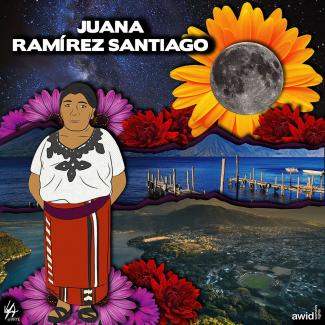
Juana fue una de las fundadoras y era actualmente integrante de la junta directiva de la Red de Mujeres Ixiles de Nebaj, una organización por los derechos de las mujeres indígenas que es parte de la Iniciativa Mesoamericana de Mujeres Defensoras de Derechos Humanos (IM-Defensoras).
También era partera y madre de siete hijxs. Había recibido amenazas de muerte que fueron denunciadas ante la Fiscalía. Juana es la tercera defensora de derechos humanos indígena asesinada en el área durante 2018. El Ombudsman de Guatemala informa que un total de 20 defensorxs de derechos humanos fueron asesinadxs este año en el país.
Juana Ramírez Santiago fue baleada de muerte por atacantes desconocidos mientras cruzaba un puente en Nebak, Quiché, Guatemala. Están en curso las investigaciones para identificar a los perpetradores.
Love letter to Feminist Movements #3
Love Letter to Feminism
By: Marianne Mesfin Asfaw
I have many fond memories in my journey with feminism, but one in particular that stands out. It was during my time at graduate school, at a lecture I attended as part of a Feminist Theory course. This lecture was on African feminism and in it the professor talked about the history of Pan Africanism and the ways in which it was patriarchal, male-centric, and how Pan Africanist scholars perpetuated the erasure of African women. She talked about how African women’s contributions to the anti-colonial and decolonial struggles on the continent are rarely, if ever, discussed and given their due credit. We read about the African feminist scholars challenging this erasure and actively unearthing these stories of African women led movements and resistance efforts. It seems so simple but what stood out to me the most was that somebody put the words African and feminist together. Better yet, that there were many more of us out there wrestling with the complicated history, politics and societal norms in the various corners of the continent and we were all using a feminist lens to do this. I came out of that lecture feeling moved and completely mind-blown. After the lecture three of my friends (all African feminists) and I spent some time debriefing outside the classroom. We were all so struck by the brilliance of the lecture and the content but, more than anything, we all felt so seen. That feeling stood out to me.
Falling in love feminism was thrilling. It felt like finally getting to talk to your longtime crush and finding out that they like you back. I call it my crush because in high school I referred to myself as a feminist but I didn’t feel like I knew enough about it. Was there a right way to be feminist? What if I wasn’t doing it right? Attending my first Women’s Studies lecture answered some of these questions for me. It was thrilling to learn about stories of feminist resistance and dismantling the patriarchy. I felt so affirmed and validated, but I also felt like something was missing.
Deepening my relationship with feminism through academia, at an institution where the students and teaching staff were mostly white meant that, for those first few years, I noticed that we rarely had discussions about how race and anti-blackness show up in mainstream feminist movements. In most courses we had maybe 1 week, or worse 1 lecture, dedicated to race and we would usually read something by bell hooks, Kimberly Crenshaw’s work on intersectionality, and maybe Patricia Hill Collins. The following week we were back to sidelining the topic. I dealt with this by centring race and black feminism in almost all my assignments, by writing about black hair and respectability politics, the hypersexualization of black women’s bodies, and so much more. Over time I realized that I was trying to fill a gap but didn’t quite know what it was.
Encountering and learning about African feminism was a full circle moment. I realized that there was so much more I had to learn.
Mainly that my Africanness and my feminist politics did not have to be separate. In fact, there was so much that they could learn from each other and there were African feminists out there already doing this work. It was the missing piece that felt so elusive during my exploration of feminism throughout my academic journey.
Feminism to me is the antithesis to social and political apathy. It also means once you adopt a feminist lens, nothing can ever be the same. My friends and I used to talk about how it was like putting on glasses that you can never take off because you now see the world for what it is, mess and all. A mess you can’t simply ignore or walk away from. Therefore my vow to the feminist movement is to never stop learning, to keep stretching the bounds of my empathy and to never live passively. To dedicate more time and space in my life to feminist movements and to continue to amplify, celebrate, document and cite the work of African feminists. I also commit to centring care and prioritizing pleasure in this feminist journey because we can’t sustain our movements without this.
Elina es una joven feminista afrodominicana, que trabaja con enfoque interseccional. Es abogada de derechos humanos y está comprometida a usar su voz y sus capacidades para construir un mundo más justo, empático e inclusivo. Ingresó a la facultad de derecho a los 16 años, segura de que iba a obtener herramientas para entender y promover la justicia social. Luego de obtener el título de Juris Doctor [Doctora en Jurisprudencia] en la República Dominicana, cursó una maestría en Derecho Internacional Público y Derechos Humanos en el Reino Unido, como becaria Chevening. Fue la única mujer latinoamericana-caribeña en su clase y se graduó con honores.
Elina ha trabajado en la intersección de derechos humanos, género, migración y política en el gobierno, en colectivos de base y en organizaciones internacionales. Colaboró en el litigio de casos sobre violencia de género ante la Corte Interamericana de Derechos Humanos. Como integrante del Panel Consultivo de Jóvenes de UNFPA, contribuyó al fortalecimiento de los derechos sexuales y reproductivos en la República Dominicana. Fue una de las personas que lideraron la primera campaña de Amnistía Internacional sobre derechos de lxs trabajadorxs sexuales en las Américas, desarrollando una fuerte asociación con las organizaciones de trabajadorxs sexuales, y utilizando la posición de Amnistía para potenciar las voces de quienes defienden los derechos humanos de las mujeres y de lxs trabajadorxs sexuales. Elina es parte del Foro Feminista Magaly Pineda y la Global Shapers Community [Comunidad Global Shapers]. Habla español, francés e inglés.
Gracias a su diversificada trayectoria, Elina trae sólidas capacidades de gobernanza y de planificación estratégica, una experiencia sustancial en las Naciones Unidas y en mecanismos regionales de derechos humanos, además de su profunda determinación para que AWID siga siendo una organización inclusiva para todas las mujeres, especialmente, las feministas jóvenes y caribeñas. Con estas propuestas, se suma a una hermandad global de feministas fantásticas, desde donde podrá seguir cultivando su liderazgo feminista y nunca más se sentirá sola en su camino.
Position
Co-Presidenta
Add to stories
Off
Snippet Discover Forum Stories (FR)
Les mouvements féministes ont énormément évolué et se sont adaptés depuis la dernière fois que nous nous sommes rencontrées de cette manière. Pour nous rappeler pourquoi les Forums de l’AWID sont importants, nous avons demandé à des activistes du monde entier de réfléchir et de partager leurs histoires, leurs impressions et leurs souvenirs. Voici ce que nous avons appris.