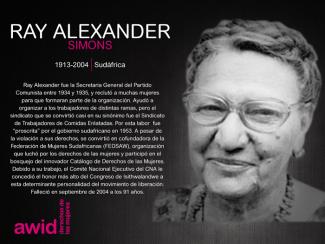
Ray Alexander Simons
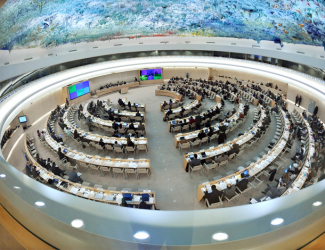
The Human Rights Council (HRC) is the key intergovernmental body within the United Nations system responsible for the promotion and protection of all human rights around the globe. It holds three regular sessions a year: in March, June and September. The Office of the UN High Commissioner for Human Rights (OHCHR) is the secretariat for the HRC.
Debating and passing resolutions on global human rights issues and human rights situations in particular countries
Examining complaints from victims of human rights violations or activist organizations on behalf of victims of human rights violations
Appointing independent experts (known as “Special Procedures”) to review human rights violations in specific countries and examine and further global human rights issues
Engaging in discussions with experts and governments on human rights issues
Assessing the human rights records of all UN Member States every four and a half years through the Universal Periodic Review
AWID works with feminist, progressive and human rights partners to share key knowledge, convene civil society dialogues and events, and influence negotiations and outcomes of the session.
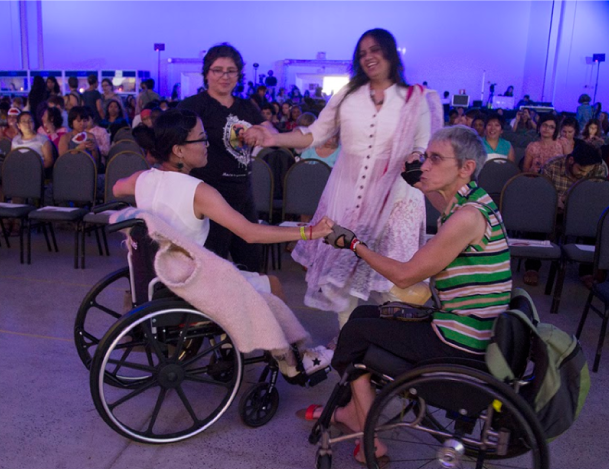
Para cada Foro de AWID, pedimos a un amplio espectro de movimientos feministas y por la justicia social que propongan actividades, para crear así el programa.
Para el 14° Foro Internacional de AWID queremos armar un programa que sea verdaderamente representativo de la diversidad de los movimientos.
Con este objetivo, hemos adoptado una forma nueva y atractiva para elegir las propuestas que generarán el programa final del Foro: el Proceso de Selección Participativa (PSP).
El Proceso de Selección Participativa es la etapa final de la revisión de las propuestas de actividades y de la selección de aquellas que formarán parte del programa oficial del Foro.
|
Paso
|
Paso 1: Llamado a presentar actividades para el Foro: Presentación de propuestas |
Paso 2:
|
Paso 3:
|
Paso 4:
|
| Cronograma |
diciembre 2019 - mediados de febrero 2020
|
enero - febrero 2020
|
Verano 2020
|
fechas a ajustar
|
|
|
Todxs lxs interesadxs en la creación conjunta del programa del Foro |
Equipo de AWID
|
Equipo de AWID; Comité de Contenido y Metodología; Comité de Acceso |
Candidatxs preseleccionadxs
|
Cantidad de actividades |
Alrededor de 838 actividades presentadas |
306 presentaciones seleccionadas |
126 actividades preseleccionadas |
Las 50-60 actividades más votadas seleccionadas para el programa final del Forod |
Pensamos que un PSP es relevante para el Foro de AWID porque:
Coloca en el centro del proceso de toma de decisiones a las comunidades que viven las realidades feministas que serán presentadas y discutidas en el Foro.
Es consistente con nuestra identidad y nuestro rol como organización de apoyo y acompañamiento a los movimientos
Concuerda con nuestra visión del Foro como creación conjunta con los diferentes movimientos feministas y por la justicia social que le dan forma al Foro a través de su participación en comités (contenido y metodología, acceso, artivismo y país anfitrión), de la creación y facilitación de actividades como contrapartes de AWID, y también mediante la toma de decisiones sobre el programa vía el PSP.
Posibilita una mayor diversidad de las texturas que conformarán el tejido del Foro (o de las voces que compondrán el canto del Foro). Garantiza que podamos trascender a la misma AWID y a los movimientos asociados que ya conocemos y con los que ya trabajamos: abre la puerta a lo inesperado.
La idea inicial surgió de las Co-directoras Ejecutivas y el equipo de AWID. Antes de comprometernos con una decisión, consultamos a algunos de los fondos comunitarios que vienen implementando procesos de selección participativa desde hace años, como FRIDA: El Fondo de Jóvenes Feministas, el Fondo Internacional Trans, UHAI (el fondo de África Oriental para minorías sexuales y trabajadorxs sexuales), y el Fondo Centroamericano de Mujeres. Los consultamos para aprender de sus amplias experiencias y recibir sus comentarios.
Autonomia financiera, el Rompedor de Silencio
ORGANISATION DES FEMMES AFRICAINES DE LA DIASPORA (OFAD) ASSOCIATION LES PETITES MERES PRODADPHE ASSOCIATION AMBE KUNKO (AAK)
Contribución de las organizaciones feministas a la lucha contra el extremismo violento en Niger
Femmes Actions et Développement (FAD)
Autofinanciamiento: lxs mujeres a prueba de los telebancos
Rassemblement des Femmes pour le développement endogène et solidaire RAFDES
Alimentacion y soberanía alimentaria de lxs mujeres rurales
Association Song-taaba des Femmes Unies pour le Développement (ASFUD)
Líderes feministxs, comprometidxs en invertir la masculinidad positiva en la construcción de un nuevo orden social equilibrado en las localidades de la Región de Cavally, en la parte oeste de la Costa de Marfil: ¿Cómo provocar un cambio de mentalidad?
Une societe cooperative, la chefferie traditionnelle des localites, les autorites administratives et les autres associations feminines ONG Centre Solidarite "Investir dans les Filles et les Femmes
Co-creación de una metodología de madrinazgo
NEGES MAWON
Miles de oportunidades para salvar la tierra (MOST) apoyando la justicia climática para las comunidades locales e indígenas en la cuenca del Congo
Jeunesse Congolaise pour les Nations Unies (JCNU), Association Genre et Environnement pour le Développement (AGED)
Imaginar una política feminista queer asiática
ASEAN Feminist LBQ Womxn Network Sayoni
Apoyando la autogestión: doulas de aborto, acompañantes y redes radicales de apoyo
inroads
Feminismos en línea: cómo están recuperando la tecnología las mujeres
Feminism In India
Comité para la eliminación de la discriminación contra las trabajadoras sexuales
Asia Pacific Network of Sex Workers (APNSW), The International Women's Rights Action Watch Asia Pacific (IWRAW AP)
Liderazgo y organización feminista sostenible: experiencias personales y colectivas
HER Fund, Institute for Women's Empowerment (IWE) ,Kalyanamita, AAF
Realidades del Caribe: Radio Sauna Negra
WE-Change Jamaica
Cuidado a través de líneas telefónica de ayuda y experiencia de las mujeres
Generation Initiative for Women and Youth Network (GIWYN),Youth Network for Community and Sustainable Development (YNCSD), Community Health Rights Network (CORENET)
La sensualidad como resistencia: taller de movimiento corporal
UHAI EASHRI
Discoteca lésbica de estilo europeo oriental
Sapfo Collective
Instalación Utopía Feminista de FitcliqueAfrica, campamento de sanación del trauma y de autodefensa
FitcliqueAfrica (Fitclique256 Uganda Limited)
Hacer que las comunicaciones sean más queer para una internet abierta
Astraea Lesbian Foundation for Justice
¿Es capacitista la forma en que piensas sobre la salud sexual y reproductiva (SSR)? Buenas prácticas para programas e incidencia en SSR inclusivos de las personas con discapacidad.
Asia Pacific Network of Women with Disabilities and Allies
Decolonizar la comunicación no violenta
API Equality-LA, Sayoni, ASEAN Feminist LBQ Womxn Network
Enfoques centrados en el feminismo para llevar a juicio el acoso sexual en el mundo del trabajo
Women's Legal Centre
Mujeres en conflicto en Myanmar
Women's League of Burma, Rainfall
Espacios creativos caribeños, expresiones creativas y prácticas espirituales para la transformación comunitaria
CAISO: Sex and Gender Justice
POP-UPS: Poder justo: herramientas de poder popular para un futuro feminista
JASS/Just Associates
No anónimo: haciendo más queer las prácticas feministas de la diáspora negra africana acerca de la sobriedad
Brujería digital: pensamiento mágico para los futuros ciberfeministas
The Digital Witchcraft Institute
Construyendo manifiestos de mujeres: la agenda de las mujeres de base para el cambio en Asia-Pacífico
Asia Pacific Forum on Women Law and Development
Diseñando tus viajes astrales
EuroNPUD, narcofeminists as a loose group
Cuidado colectivo
RENFA Rede Nacional de Feministas Antiproibicionistas
Música de nuestros movimientos
Radical imagination
De desecho a carbón amigable con la ecología
KEMIT ECOLOGY SARL
El cuidado colectivo y la insurgencia de movimientos feministas antirracistas bajo contextos autoritarios y violentos
CFEMEA - Feminist Center of Studies and Advisory Services, CRIOLA - black women`s organization, Iniciativa Mesoamericana de Mujeres Defensoras
Quebrando el dominio de la religión patriarcal sobre la legislación de familia que afecta nuestras vidas #FreeOurFamilyLaws [liberen nuestras leyes de familia]
Musawah
Enfoque feminista para reclamar y controlar tierras dentro de inversiones
Badabon Sangho, APWLD
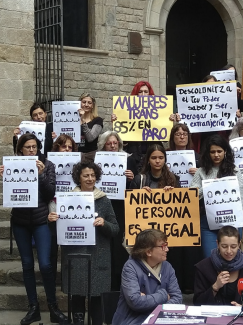
Paro mundial de mujeres: nuestra resistencia, nuestro futuro
Asia Pacific Forum on Women, Law & Development, ESCR-Net, Women's March Global
Hacia una «Madre Tierra» inclusiva
Disability Rights Fund, Open Society Foundation
De la inclusión a la infiltración: estrategias para construir movimientos feministas interseccionales
Mobility International USA (MIUSA)
Las historias ocultas de las mujeres con discapacidades invisibles: arte en acción
The Red Door, Merchants of Madness, Improving Mental Wellbeing through Art
Asociación entre lo público y lo privado y derechos humanos de las mujeres: aprendizajes a partir de estudios de casos en el sur global
Development Alternatives with Women for a New Era (DAWN)
El viaje interconectado: nuestros cuerpos, nuestra ciencia ficción
The Interconnected Journey Project, Laboratorio de Interconectividades
Recopilar y construir: una visión feminista alternativa para desafiar el orden económico mundial dominante
IWRAW Asia Pacific
La autopublicación como acto feminista
International Women* Space
Buenas prácticas de protección legal para minorías de género y sexuales en Pakistán y su interseccionalidad
Activists Alliance Foundation, Khawja Sirah Society, Wajood Society, Wasaib Sanwaro
Enfoques feministas para contrarrestar el tráfico
IWRAW Asia Pacific, Business & Human Rights Resource Center
Críticas al individualismo y a las políticas estatales: organización internacional contra la violencia dirigida
Masaha: Accessible Feminist Knowledge
Decolonizando la intimidad: cómo las identidades queer cuestionan las estructuras familiares heteronormativas
WOMANTRA
Yeki Hambe – Teatro de lxs trabajadorxs sexuales
Sex Worker Education and Advocacy Task Force
Creando la realidad feminista indígena: honrando lo sagrado femenino y construyendo nuevos caminos para las mujeres indígenas
Cultural Survival, International Funders in Indigenous Peoples
Los ojos en el antiprohibicionismo por parte de las mujeres brasileras
Mulheres Cannabicas, Tulipas do Cerrado
Comisión de la verdad feminista negra: abordando las injusticias para revolucionar el feminismo interseccional como nueva realidad
Black Women in Development
El cuidado comunitario es autocuidado: en los espacios seguros se cuentan historias verdaderas
Eurasian Harm Reduction Association, Metzineres, Urban Survivor’s Union, Salvage women and children from drug abuse
Ningún movimiento prohibido: conexiones a través del baile entre los derechos de las personas con discapacidad, los derechos de las personas trans y los derechos sexuales contra la violencia
National Forum of Women with Disabilities, Autonomy foundation, Nazyk kyz
El impacto de la captura corporativa de las realidades feministas: desarrollando herramientas para la acción
ESCR-Net | Economic, Social, Cultural Rights Network
Reimaginando el SIDA: construyendo una respuesta feminista al VIH
Frontline AIDS, Aidsfonds, IPPI (Indonesian Network of Women Living with HIV), UHAI-EASHRI (East African Sexual Health and Rights Initiative)
Promoviendo la justicia económica para materializar nuestra visión de un planeta feminista
International Network for Economic, Social and Cultural Rights, ESCR-Net
Café de lxs trabajadorxs sexuales
Hydra e.V.
Adoptando un enfoque ecofeminista para lidiar con el cambio climático y la seguridad alimentaria
Umphakatsi Peace Ecovillage, Human Rights Educational Centre
Conectando la base con lo internacional: la experiencia de una movilización creativa de lxs trabajadorxs sexuales en Europa
International Committee on the Rights of Sex Workers in Europe, STRASS - French Sex Worker Union, APROSEX, Red Edition
Experimentar con cómo puede ayudarnos la tecnología innovadora a sentirnos más segurxs cuando nos movemos en nuestras ciudades
Soul City Institute for Social Justice, Safetipin, Womanity Foundation
¿Son INfeministas las jerarquías dentro de las organizaciones?
Gay and Lesbian Coalition of Kenya National, Gay and Lesbian Human Rights Commission
Todas somos diferentes, pero tenemos valores compartidos
UNWUD (Ukrainian network of women who use drugs), JurFem Association, Women's Prospects
Un mundo sin clases
Bunge La Wamama Mashinani (Grassroots Women's Parliament)
Las mujeres empoderan a la comunidad
Institute for Women's Empowerment (IWE), Solidaritas Perempuan, ASEC Indonesia, Komunitas Swabina Pedesaan Salassae (KSPS)
Organización feminista: liderazgo transformador- trabajadoras en América Latina creando un movimiento sindical feminista y un mundo laboral feminista
Solidarity Center
Representar, portarse mal: feminismo de las personas con discapacidad decolonizando las narrativas de estigma a través del teatro participativo
Rising Flame, National Indigenous Disabled Women Association, Nepal, The Spectrum & Union of Abilities, The Red Door
Valorando y poniendo en el centro el descanso, el placer y el juego
ATHENA Network
El proyecto de juicio africano feminista
The Initiative for strategic Ligation in Africa (ISLA)
Voces desde las líneas del frente: apoyando el poder colectivo para poner fin al encarcelamiento de mujeres en el mundo
International Drug Policy Consortium, Equis Justicia para las Mujeres, National Council for Incarcerated and Formerly Incarcerated Women and Girls, Women and Harm Reduction International Network
Activismo queer joven: imaginando en una era de derechos humanos y desarrollo sostenible
African Queer Youth Initiative, Success Capital Organisation
Nuestras luchas, nuestras historias, nuestras fortalezas
Oriang Lumalaban, Pambansang Koalisyon ng Kababaihan sa Kanayunan
Rompiendo las barreras para la acción indígena colectiva sobre el clima en el Sudeste Asiático
Cuso International, Asia Indigenous Peoples' Pact
Amar a las mujeres positivas: yendo más allá del amor romántico hacia el amor comunitario profundo y la justicia social
Eurasian Women's Network on AIDS
Intersexualidad y feminismo
Intersex Russia
Entendiendo las experiencias y necesidades de salud reproductiva de las personas transgénero y de género diverso
Asia Pacific Transgender Network (APTN)
Porque ella cuida: conversaciones críticas sobre el activismo en VIH como trabajo de (des)cuidado
Because We Care Collaborative
El Manifiesto de los sistemas alimentarios del Mississippi
Center for Ideas, Equity & Transformative Change, National Council of Appropriate Technology - Gulf South, MS Food Justice Collaborative, Malcolm X Grassroots Movement
La experiencia de la copresidencia del movimiento de mujeres kurdo como ejemplo de logro feminista radical: ¡la copresidencia es nuestra línea PÚRPURA!
The Free Women’s Movement (TJA)
«Caminando sobre cáscaras de huevos»
Eldoret Women For Development (ELWOFOD), Mama Cash, Young women against Women Custodial Injustices Network
Libertad
La cárcel no es feminista: analizando el efecto y las alternativas a depender de la policía y el encarcelamiento
Migrant Sex Workers Project, Showing Up For Racial Justice
Bondo sin sangre: una forma feminista de reimaginar los ritos de pasaje de Sierra Leona
Purposeful
Tierra y territorios liberados: una conversación panafricana
Thousand Currents (USA), Abahlali baseMjondolo (South Africa), Nous Sommes la Solution (west Africa/regional), Movilización de Mujeres Negras por el Cuidado de la Vida y los Territorios Ancestrales (Colombia), and Articulation of Black Rural Quilombola Communities (Brazil)
Educación popular y organización para una economía feminista
Jamaica Household Workers Union (JHWU), United for a Fair Economy, Centro de Trabajadores Unidos en la Lucha (CTUL)
¿Así que quieres movilizar con una billetera vacía? Hagámoslo realidad
Breakthrough India
Compartir experiencias para establecer una red de defensoras de derechos humanos en África del este: la perspectiva ugandesa
Women Human Rights Defenders Network Uganda
Clínica tecnológica
Stichting Syrian Female Journalists Netowrk
Construyendo movimientos inclusivos: más allá de la inclusión simbólica
Rising Flame
Justicia y sanación para las sobrevivientes de la violencia de género: un debate interactivo sobre la justicia reparadora y la anatomía de una disculpa
One Future Collective
Acciones colectivas para poner fin a la transfobia con una perspectiva feminista
Asia Pacific Transgender Network, Iranti, Transgender Europe
Mujeres LBQ y asilo
Sehaq
Aborto y discapacidad: hacia un enfoque interseccional basado en los derechos humanos
Women Enabled International
Aprender cómo apoyar a las comunidades auto-organizadas de indocumentadxs, migrantes y trabajadorxs sexuales criminalizadxs
Buttrerfly (Asian and Migrant Sex Workers Support Network)
Autocuidado: una herramienta fundamental para sostener el activismo LGBTQI y feminista
United and Strong Inc., S.H.E Barbados, Lez Connect
Reclamando las VOCES-REALIDADES-PODER feministas jóvenes africanas para la justicia climática
Young Feminist organization Gasy Youth Up, Young African Feminist Dialogues
Mujeres en acción y solidaridad: representando nuestras realidades (Asia y África)
Women Performing the World (Asia/Africa)
Juntas en esto: fondos de mujeres y movimientos feministas creando juntos realidades feministas
Women Forum for Women in Nepal (WOFOWON)
Las no-ciudadanas: asuntos de la ciudadanía de las mujeres en el contexto de comunidades migrantes y vulnerables de Asia meridional
NEthing
Imaginando para una voz en las crisis migratoria y climática
Women's Refugee Commission, The Feminist Humanitarian Network, ActionAid
Juntas en esto: fondos de mujeres y movimientos feministas creando juntos realidades feministas
Mama Cash, Global Fund for Women, Urgent Action Fund - Africa
Creando magia con los movimientos feministas jóvenes: prácticas participativas que provocan alegría
Feminist organizing, FRIDA The Young Feminist Fund (Community), Teia
Derecho de protección de las mujeres en realidades difíciles: tres organizaciones de mujeres de comunidades marginales
NGO Asteria, Ermolaeva Irena and Bayazitova Renata. NGO Ganesha Musagalieva Tatiana. NGO Ravniy Ravnomu Kucheryavyh Tanya
Feminal – tradiciones contra el arte y la expresión
Bishkek Feminist Initiatives
Resistencia a través del conocimiento, el arte y el activismo: creación de una biblioteca feminista en Armenia
FemHouse, Armenia
Conquistando el sistema de la ONU con estrategias feministas (no necesitas ser abogada para divertirte)
Kazakhstan Feminist Initiative "Feminita", IWRAW Asia Pacific, ILGA World
Datos. Huh. ¿Para qué sirven? Datos feministas y organización para resultados feministas
International Women's Development Agency, Women's Rights Action Movement, Fiji Women's Rights Movement
La voz, el liderazgo y la influencia de las mujeres criminalizadas en leyes, políticas y prácticas de Kenia
Keeping Alive Societies Hope-KASH, Katindi Lawyers and Advocates, Vocal Kenya
De Colombia hacia el mundo, mujeres africanas como fuerza de cambio
Proceso de Comunidades Negras en Colombia -PCN, Solidarité Féminine por la Paix el le Develppment Integral -SOFEPADI,
Espacio afro-queer para escuchar y contar historias
AQ Studios, None on Record, AfroQueer Podcast
Una reivindicación de la identidad corporal
GBV Prevention Network : Coordinated by Raising Voices
Aprendamos de la Diversidad
Circulo de Mujeres con Discapacidad -CIMUDIS, Alianza Discapacidad por nuestros Derechos -ADIDE, Fundación Dominicana de Ciegos -FUDCI, Filial Puerto Rico de Mujeres con Discapacidad
Fútbol como herramienta Feminista
Fundación GOLEES (Género, Orgullo, Libertad y Empoderamiento de Ellas en la Sociedad)
Constelaciones migrantes
LasVanders
Diálogos ecofeministas para la defensa de los territorios.
CIEDUR (Centro Interdisciplinario de Estudios sobre el Desarrollo), Equit, Foro permanente de Manaos y Amazonia
El movimiento "La Frida Bikes"
La Frida Bike
Brujeria, chamanismo y otros conocimientos insurrectos contra el patriarcado
Colectiva Feminista MAPAS-Mujeres Andando Proceso por Autonomías Sororales
Experiencias, aprendizajes y desafíos para la gestión de la seguridad holística de organizaciones horizontales feministas y de la disidencia sexogenérica en tiempos de crisis social y política. La experiencia del levantamiento popular del 18-O en Chile
Fudación Comunidades en Interfaz
Alimento que todxs sabemos
Las Nietas de Nonó, Parceleras Afrocaribeñas por la Transformación barrial (PATBA)
Prácticas de resistencia ante el cambio climático de mujeres indígenas de Perú y Guatemala
Thousand Currents, Red de Mujeres Productoras de la Agricultura Familiar, Asociación de Mujeres Ixpiyakok (ADEMI, Ixpiyakok Women's Association)
Construyendo ciudades feministas
CISCSA, Articulacion Feminista Marcosur
Ponte en Mi Lugar
Alianza Discapacidad por nuestros Derechos - ADIDE, Circulo de Mujeres con Discapacidad -CIMUDIS
Limpiando el camino para la plenitud de vida de las mujeres, sanando traumas colectivos e históricos
Grupo de Mujeres Mayas Kaqla
Mujeres indígenas zapotecas desafiadas por la naturaleza.
Casas de Cuidado y Sanación para Defensoras De Derechos Humanos como parte el enfoque de la Protección Integral Feminista: Una Realidad Feminista
Iniciativa Mesoamericana De Defensoras de Derechos Humanos, Consorcio Oaxaca para el Diálogo Parlamentario y la Equidad A.C, Red Nacional De Defensoras De Derechos Humanos en Honduras, Coletivo Feminista de Autocuidado
Sanando tu voz de unicornix: Tejiendo tecnologías ancestrales y digitales para afilar la lengua
Trayectorias feministas para un protocolo de maternidad asistida en mujeres con discapacidad
Circulo emancipador de mujeres y niñas con discapacidad de Chile, CIMUNIDIS, WEI
Escuela para la niñez trans feminista
Fundación Selena
REDTRASEX: Experiencia De Organización Y Lucha Por Los Derechos De Las Mujeres Trabajadoras Sexuales De Latinoamerica y El Caribe
RedTraSex Red de mujeres trabajadoras sexuales LAC
Violencia de género en el mundo del trabajo sexual en México
Brigada Callejera de Apoyo a la Mujer, "Elisa Martínez", A.C., Red Mexicana de Organizaciones Contra la Criminalización del VIH. Red Mexicana de Trabajo Sexual
La migración nos obliga hacer camino al andar.
Asociación de Trabajadoras del Hogar a Domicilio y de Maquila. ATRAHDOM
Nuevas narrativas para mujeres negras: cuerpo, curación y placer.
Tejiendo memorias y redes - Feministas nehtas fortaleciendo los feminismos negros en América Latina y el Caribe (LAC)
Red de Mujeres Afrolatinoamericanas, Afrocaribeñas y de la Diáspora, Articulação de Organizações de Mulheres Negras Brasileiras (AMNB), Voces Caribeñas
يشمل التمويل الخارجي المنح والأشكال الأخرى من التمويل من المؤسسات الخيرية، الحكومات، الجهات ثنائية الاتجاه أو متعددة الاتجاهات أو الممولين/ات من الشركات أو الممولين/ات الأفراد، إن كان ذلك من دولتكم/ن أو من الخارج. لا يشمل هذا الموارد التي تنتجها المجموعات، المنظمات أو الحركات بشكل مستقل مثل رسوم العضوية، تطوع الطاقم أو الأعضاء/ العضوات أو الداعمين/ات، تجنيد الأموال المجتمعي، تأجير الأماكن أو بيع الخدمات أو المنتجات. لتسهيل عملية تعبئة الاستطلاع، تم شمل تعريف أنواع التمويل ووصفها بشكل قصير في الاستطلاع نفسه.
En 2021, AWID, junto con muchas otras organizaciones, comenzábamos a asumir las consecuencias de la pandemia global, todavía en curso, para nuestro modo de trabajo y nuestro rol en este momento tan particular. Fue un año que nos enseñó tres lecciones cruciales sobre cómo transitar este momento como organización global de apoyo a los movimientos feministas.
Descargar el informe anual 2021
Lo que nos queda claro de nuestra experiencia en 2021 es el rol preponderante -y de alguna forma singular- que AWID desempeña en la construcción y el sostenimiento de una comunidad feminista global transversal a diversas identidades y temas.
We work towards a world based on social, environmental, and economic justice; and interdependence, solidarity, and respect. We work towards dismantling systems of oppressive power and against all its manifestations, including patriarchy, fundamentalisms, militarisms, fascisms and corporate power that threaten our lives and our world. We want a just world where resources and power are shared in ways that enable everyone to thrive.
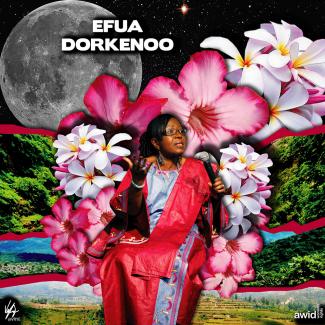
Affectueusement connue sous le nom de « Mama Efua », Efua a lutté contre les mutilations génitales féminines (MGF) pendant trois décennies et a contribué à attirer l'attention et l'action de la communauté internationale pour mettre fin à cette pratique néfaste.
En 1983, Efua a cofondé FORWARD (fondation pour la santé, la recherche et le développement des femmes), qui est devenue une organisation de premier plan dans la lutte contre les MGF. Son livre intitulé « Cutting the Rose: Female Genital Mutilation » (couper la rose), publié en 1994, est considéré comme le premier ouvrage sur les mutilations génitales féminines. Il figure parmi « Les 100 meilleurs livres africains du XXe siècle » de l’Université de Columbia.
Originaire du Ghana et infirmière de formation, Efua a rejoint l'OMS en 1995 et a réussi à faire en sorte que les mutilations génitales féminines fassent partie des agendas politiques des États membres de l'OMS. Elle a également travaillé en étroite collaboration avec le gouvernement nigérian pour élaborer une politique nationale globale qui servirait de base légale aux lois nigérianes contre les mutilations et qui est toujours en vigueur à ce jour.
Son travail de pionnière a abouti à une campagne menée par l'Afrique intitulée « The Girl Generation », qui s'est engagée à mettre fin aux MGF en une génération. Efua a montré comment une seule personne peut devenir la voix unificatrice d'un mouvement : « Une identité partagée peut aider à rassembler des activistes d'horizons différents dans un but commun ». Ces mots, emplis de sagesse, sont plus pertinents que jamais.
A war that exists only for those of us living in this territory.
I live in a country no one understands, which few can really see, where various realities co-exist, and where the truth is murdered time and again.
I live in a country where one has to pay for the audacity of thinking for oneself, for taking on the challenge of seeing life another way.
I live in a country of women who have had to invent and reinvent, time and again, how they live and how to get by.
I live in Venezuela, in a time of an unusual and extraordinary threat.
Since 2012 my country has been subjected to an unconventional war. There are no defined armies or fire power. Their objective is to dislocate and distort the economy, affecting all households, daily life, the capacity of a people to dream and build a different kind of politics, an alternative to the patriarchal, bourgeois, capitalist democracy.
Venezuelan women are the primary victims of this economic war. Women who historically and culturally are responsible for providing care, are the most affected and in demand. However, in these years of economic and financial embargo, Venezuelan women have gone from being victims to the protagonists on the front lines defending our territory.
Battles are fought from the barrios, kitchens, and small gardens. We defend the right of girls and boys to go to school, and to be given something so simple as some arepas for breakfast.
Arepas are a kind of corn cake that can be fried, roasted or baked and served sweet or savoury as a side or main dish. It is a staple in the diet of all Venezuelans.
In Venezuela, arepas mean culture, family, food sovereignty, childhood nostalgia, the expert hands of grandmothers molding little balls, the warmth that comforts you when recovering from illness.
Arepas connect us as a people with the pre-Colombian cultures of corn, a resistance that has endured for more than five centuries. They are the Caribbean expressed differently on firm ground.
They are an act of resistance.
When my mother was a girl, they would start grinding the dry corn early in the morning to make arepas. The women would get up and put the kernels of corn in wooden mortars and pound it with heavy mallets to separate the shells. Then they would boil, soak, and grind the corn to make dough, and finally they would mold it into round arepas. The process would take hours and demand a lot of physical effort.
In the mid-20th century a Venezuelan company industrialized the production of corn meal. For an entire generation that seemed like an act of liberation, since there was now a flour that you could simply add water to and have hot arepas in 45 minutes time.
But that also meant that the same generation would lose the traditional knowledge on how to make them from scratch. My grandmother was an expert arepa maker, my mother saw it as a girl, and for me the corn meal came pre-packaged.
In the war with no military, the pre-cooked corn meal came to be wielded as an instrument of war by the same company that invented it, which was not so Venezuelan anymore: today the Polar group of companies is transnational.
We women began to recuperate our knowledge by talking with the eldest among us. We searched in the back of the closets for our grandmothers’ grinders, the ones we hadn’t thrown away out of affection. Some families still prepared the corn in the traditional way for important occasions. In some towns there were still communal grinding stations which had been preserved as part of local history or because small family businesses refused to die. All of these forms of cultural resistance were activated, and we even went so far as to invent new arepas.
Today we know that in order to resist we cannot depend on one food staple. Although corn arepas continue to be everyone’s favourite, we have invented recipes for arepas made of sweet potato, cassava, squash, and celery root.
We have learned that we can use almost any root vegetable to make arepas. Cooperative businesses have developed semi-industrial processes to make pre-cooked corn meal. In other words, we have recuperated our arepas and their preparation as a cultural good that belongs to all.
My artivism aims to decolonize our senses in everyday life. I like to create spaces that communicate how we weave together our different struggles, and that render visible dissident (re)existences, other possible worlds, and living bodies here in the SOUTH.
As we continue to fight in our struggles, let us remember how essential it is that we support each other, believe each other, and love ourselves and our sisters. When this system fucks us over, we must take time to look after our (physical and mental) health, that of our sisters, and to understand that each one of us carries unique stories, making us fighters in resist

These portraits are inspired by the voices of resistance and protest movements in Latin America, especially by the key role that feminised bodies play in these struggles. It is a tribute to the grassroots feminist movements in resistance.
Да, опрос доступен людям с различными нарушениями слуха, зрения, движений и когнитивных способностей.
With over ten years of finance experience, Lucy has devoted her career to for profit and furthering nonprofit missions. She also worked and volunteered at non-for-profit organizations. From the fast-paced world of Finance, Lucy has passion for staying tuned with tech skills in the finance field. Lucy joined AWID in 2014. During her spare time she enjoys music, traveling, and variety sports.
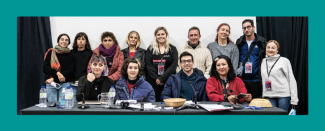
Este Foro de AWID celebrará y difundirá las realidades feministas que nos rodean en diferentes etapas de desarrollo.
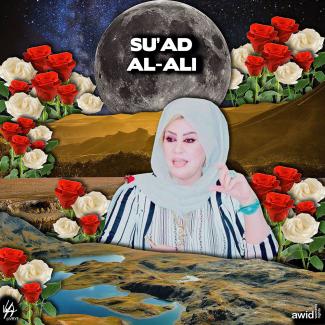
Su’ad was a strong advocate of women’s and children’s rights, and was the head of Al-Weed Al-Alaiami - an Iraqi human rights organisation.
She participated in the July 2018 demonstrations that took place in Basra and several other Iraqi cities protesting unemployment and demanding jobs and proper public services for citizens, as well as calling for the elimination of rampant corruption.
On 25 September 2018, Su’ad was assassinated in the Al-Abbasiyah district in downtown Basra. A video of the incident showed a person approaching her as she was getting into her car, firing a bullet at the back of her head and pointing another bullet at her driver Hussain Hassan, who was injured in the shoulder. Al-Ali was 46 and the mother of four children.
Estas obras son un trabajo colaborativo de fotografías e ilustraciones realizadas por Siphumeze y Katia durante el confinamiento. Muestran narrativas negras queer de sexo y placer, bondage, sexo seguro, juguetes, salud mental y sexo, y mucho más. Fueron creadas para acompañar la antología Touch.





O tempo estimado para preencher o inquérito é 30 minutos.
Kasia viene apoyando la labor de los movimientos feministas y por la justicia social desde hace 15 años. Antes de sumarse a AWID, se lideró las acciones de política e incidencia ActionAid y Amnistía Internacional, a la vez que participaba en procesos de organización feministas y de distintas agrupaciones por la justicia social en Polonia, en pro del acceso al aborto y contra la violencia en las fronteras europeas. Es una apasionada del financiamiento para la movilizaciónfeminista en toda su audacia, riqueza y diversidad. Reparte su tiempo entre Varsovia y su aldea comunitaria de trabajo artesanal en el bosque. Le encanta tomar saunas y adora con locura a su perro Wooly.

Nous tenons à remercier les personnes qui ont contribué à ce projet et qui ont fourni de précieux conseils :