Human Rights Council (HRC)
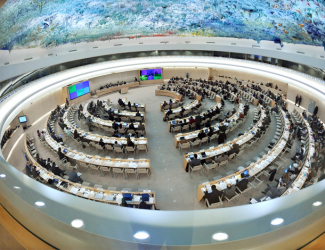
The Human Rights Council (HRC) is the key intergovernmental body within the United Nations system responsible for the promotion and protection of all human rights around the globe. It holds three regular sessions a year: in March, June and September. The Office of the UN High Commissioner for Human Rights (OHCHR) is the secretariat for the HRC.
The HRC works by:
-
Debating and passing resolutions on global human rights issues and human rights situations in particular countries
-
Examining complaints from victims of human rights violations or activist organizations on behalf of victims of human rights violations
-
Appointing independent experts (known as “Special Procedures”) to review human rights violations in specific countries and examine and further global human rights issues
-
Engaging in discussions with experts and governments on human rights issues
-
Assessing the human rights records of all UN Member States every four and a half years through the Universal Periodic Review
AWID works with feminist, progressive and human rights partners to share key knowledge, convene civil society dialogues and events, and influence negotiations and outcomes of the session.
With our partners, our work will:
◾️ Raise awareness of the findings of the 2017 and 2021 OURs Trends Reports.
◾️Support the work of feminist UN experts in the face of backlash and pressure
◾️Advocate for state accountability
◾️ Work with feminist movements and civil society organizations to advance rights related to gender and sexuality.
Related Content
I am interested in working for women’s rights. How do I get started?
Snippet Festival Day 2,3 (EN)
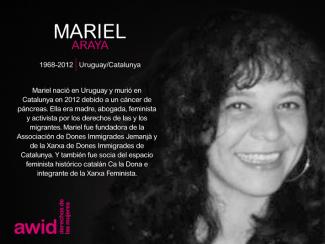
Mariel Araya
ฟอรัมจะถูกจัดขึ้นเมื่อไร และที่ไหน
2-5 ธันวาคม 2567 กรุงเทพ ประเทศไทย! เราจะรวมตัวกันที่ศูนย์การประชุมแห่งชาติสิริกิติ์และจัดให้มีการประชุมแบบเสมือนจริงออนไลน์ไปพร้อมกันด้วย
Soy una mujer defensora de los derechos humanos (MDDH) y actualmente me encuentro bajo amenaza. ¿A dónde puedo acudir por ayuda?
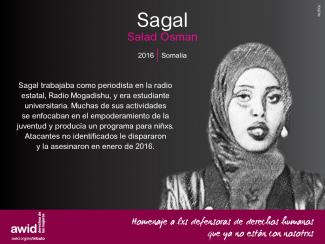
Sagal Salad Osman
Snippet Elimination of Discrimination_Fest (ES)
La eliminación de la discriminación contra lxs trabajadorxs sexuales
Kay Thi Win, Asia Pacific Network of Sex Workers (APNSW)
Thin Pa Pa Htun, Aye Myanmar Association
Xiao Shuang, Northeast Transgender Support Network
Cathy Ketepa, Friends Frangipani Inc. PNG
Rajeshwari Prajapati, Society for Women Awareness Nepal (SWAN)
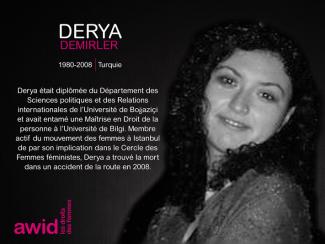
Derya Demirler
มีคนจำนวนมากกว่าหนึ่งคนในองค์กรของฉันวางแผนว่าจะเข้าร่วมฟอรัมนี้ มีส่วนลงสำหรับการลงทะเบียนแบบกลุ่มหรือไม่
AWID ไม่มีส่วนลดสำหรับการลงทะเบียนแบบกลุ่ม แต่เรามีส่วนลดสำหรับสมาชิก (คลิกที่นี่เพื่อดูวิธีการเข้าเป็นสมาชิก)
2008: la Conférence internationale de Doha se déroule avec des résultats limités
Conférence internationale de suivi sur le financement du développement, Doha, Qatar
- La Conférence de Doha visait à dresser le bilan de la mise en œuvre du Consensus de Monterrey. Les six domaines du financement du développement y ont été examinés mais les progrès tangibles constatés ont été peu nombreux.
- Si la Conférence de Doha a permis d’aller au-delà de Monterrey du point de vue de l’égalité des genres, ses résultats restent insuffisants dans ce domaine. Dans une déclaration , le WWG on FfD (Groupe de travail des femmes sur le FdD) a souligné le fait que les engagements en faveur de l’égalité des genres figurant dans la Déclaration de Doha ne prendraient sens que si les questions systémiques qui sous-tendent la pauvreté et l’inégale répartition du pouvoir et des ressources dans l’économie politique mondiale étaient fermement traitées.
- À Doha, un forum de la société civile s’est tenu en parallèle à la conférence principale. Rassemblée au sein du Groupe des ONG de Doha pour le financement du développement (Doha NGO Group on Financing for Development), la société civile a exigé des changements économiques structurels ainsi que des politiques qui placent les droits des peuples au premier rang de leur liste de priorités et qui respectent et promeuvent les droit humains.
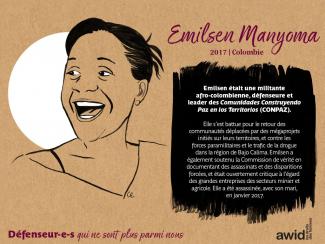
Emilsen Manyoma
.
Snippet Feminist Art Walk_fest (FR)
Promenade Artistique Féministe
Dans le cadre de notre engagement à nouer des liens plus profonds avec des artistes via nos pratiques de co-création de Réalités Féministes, AWID a collaboré avec un Groupe de Travail Artistique visant à faire progresser et à renforcer les programmes et réalités féministes, dans les communautés et mouvements via l’expression créative. Notre intention ici est de rassembler des féministes créatifs·ves dans un espace puissant et audacieux pour grandir et vivre librement, et briser les récits toxiques en les remplaçant par des alternatives transformatrices.
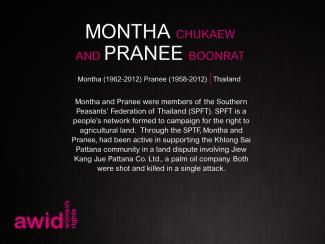
Montha Chukaew y Pranee Boonrat
อะไรคือเกณฑ์ในการคัดเลือกกิจกรรม
สำหรับข้อมูลด้านนี้สามารถอ่านรายละเอียดได้ที่ เปิดรับสมัครกิจกรรม รวมถึงข้อมูลในหัวข้อ “สิ่งที่คุณต้องรู้”
January 2015: 1st drafting session on the outcome document for the 3rd FfD Conference
The 1st drafting session on the outcome document for the 3rd Financing for Development Conference
- In January 2015 a series of drafting sessions towards the final outcome document started at UN headquarters in New York.
- Prior to the first drafting session the co-facilitators of the Addis conference preparatory process presented an elements paper for the so-called “zero-draft” outcome document, as the basis for the intergovernmental negotiations of the outcome document.
- During the sessions, women’s rights organisations emphasised the need to treat the FfD and means of implementations (MOI) under the post 2015 processes separately, because FfD provides a unique opportunity for states to address the structural causes of inequality.
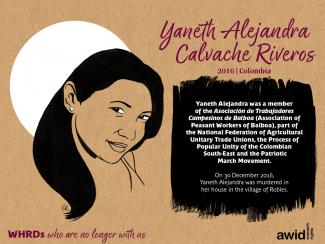
Yaneth Alejandra Calvache Riveros
.