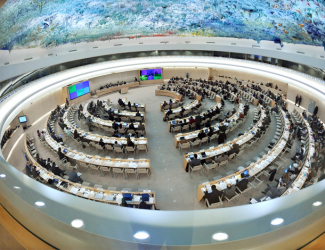
Jean-Marc Ferré | Flickr (CC BY-NC-ND 2.0)
A general view of participants at the 16th session of the Human Rights Council in Geneva, Switzerland.

Special Focus

AWID is an international, feminist, membership organisation committed to achieving gender equality, sustainable development and women’s human rights

Human Rights Council (HRC)

The Human Rights Council (HRC) is the key intergovernmental body within the United Nations system responsible for the promotion and protection of all human rights around the globe. It holds three regular sessions a year: in March, June and September. The Office of the UN High Commissioner for Human Rights (OHCHR) is the secretariat for the HRC.

The HRC works by:

  • Debating and passing resolutions on global human rights issues and human rights situations in particular countries

  • Examining complaints from victims of human rights violations or activist organizations on behalf of victims of human rights violations

  • Appointing independent experts (known as “Special Procedures”) to review human rights violations in specific countries and examine and further global human rights issues

  • Engaging in discussions with experts and governments on human rights issues

  • Assessing the human rights records of all UN Member States every four and a half years through the Universal Periodic Review

Learn more about the HRC


AWID works with feminist, progressive and human rights partners to share key knowledge, convene civil society dialogues and events, and influence negotiations and outcomes of the session.

With our partners, our work will:

◾️ Monitor, track and analyze anti-rights actors, discourses and strategies and their impact on resolutions

◾️ Raise awareness of the findings of the 2017 and 2021 OURs Trends Reports.

◾️Support the work of feminist UN experts in the face of backlash and pressure

◾️Advocate for state accountability
 
◾️ Work with feminist movements and civil society organizations to advance rights related to gender and sexuality.
 

Related Content

Нужно ли мне как-то подготовиться, чтобы пройти опрос?

Поскольку опрос посвящен исследованию реалий обеспечения феминистских организаций ресурсами, большинство вопросов касаются финансирования вашей организации в период с 2021 по 2023 год. Вам необходимо будет иметь при себе данную информацию для заполнения анкеты (например, годовые бюджеты и информацию об основных источниках финансирования).

CREDITS | Content Snippet EN

Credits

Editorial Team 
Co-editors
Chinelo Onwualu
Ghiwa Sayegh (Kohl)

Design and Illustration
Sophia Andreazza

Communications Strategist
Zuhour Mahmoud (Kohl)


Arabic Editor
Sabah Ayoub (Kohl)

Translation Manager
Maya Zebdawi (Kohl)

AWID’s Team
Nana Darkoa Sekyiamah
Lola Silva
Kamee Abrahamian
Tanya Lallmon
Maria Olivo
Marianne Asfaw
Ana Abelenda

Arabic Translators
Lina Yahya
Marina Samir
Maya Zebdawi
Nidal Majeed
Rania El Ghazal
Rola Alaeddine
Viviane Akiki    

English to Spanish
Translators 

Gabriela Adelstein
Maria Luisa Peralta
Alejandra Sarda
Gabby De Cicco

Proofreaders
Alejandra Sarda
Gabby De Cicco
María Eugenia Martí
                
English to French
Translators 
Camille Dufour
Morgane Boëdec

Proofreaders
Nathalie Thériault

Portuguese to English
Translator
Luiza Martello

Proofreader
Shaina Greiff


Stella Mukasa

Stella began her career at the Ministry of Gender and Community Development in Uganda engaging with policymakers for law reform, including the 1995 Ugandan Constitution, which established some of the most progressive reforms for women in the region.

She is revered throughout the region for her tireless efforts to create and enforce gender-responsive laws and policies. She played a key role in drafting Uganda’s Domestic Violence Act and in mobilizing support for gender-responsive constitutions in both Uganda and in Rwanda.

Through her work with International Center for Research on Women (ICRW), she worked on violence against children, and worked to strengthen the capacities of grassroots organizations addressing gender-based violence. She was a lecturer on gender rights and the law at Makerere University and served on the boards of Akina Mama wa Afrika, ActionAid International Uganda and the Open Society Initiative for Eastern Africa.
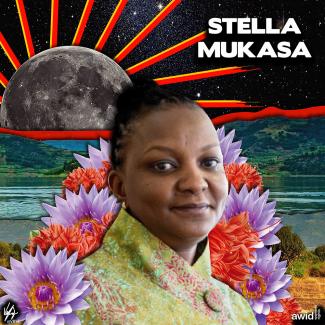

 

Stella Mukasa, Uganda

En defensa de los derechos LGBTQI

Estudiantes, escritoras, lideresas, activistas. Cada una de las cuatro mujeres que honramos a continuación encaró el activismo a su manera. Sin embargo, todas tuvieron en común la promoción y defensa de los derechos de  lesbianas, gays, personas bisexuales, trans*, queer e intersex. Únete a nosotras para recordar y honrar a estas defensoras de derechos humanos, su trabajo y su legado, compartiendo los memes aquí incluidos con tus colegas, amistades y redes; y tuiteando las etiquetas #WHRDTribute y #16Días.


Por favor, haz click en cada imagen de abajo para ver una versión más grande y para descargar como un archivo.  


A minha participação é confidencial?

É claro que sim. As suas respostas serão eliminadas no final do processamento e da análise dos dados, e só serão usadas para fins de investigação. Os dados NUNCA serão divulgados fora da AWID e serão processados apenas por colaboradores e consultores da AWID que trabalham no projeto WITM connosco. Damos prioridade à sua privacidade e ao seu anonimato. Consulte a nossa política de privacidade detalhada aqui.

Communicating Desire | Small Snippet AR

التعبير عن الرغبة وغ

وغيرها من الممارسات السياسيّة الأيديولوجيّة المجسَّدة

المضيفة: نحن نميل إلى الاعتقاد أنّ التعبير عن الرغبة يقتصر على العلاقة الحميمة داخل غرفة النوم وعلى علاقاتنا الشخصيّة. ولكن هل يمكننا أيضًا اعتبار هذا النوع من التعبير كبُنية، أو ممارسة أيديولوجيّة توجّه عملنا، وما نحن عليه، وكيف سنكون في هذا العالم؟

اقرأ أكثر

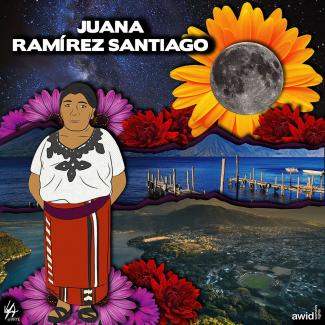
Juana Ramírez Santiago

Juana fue una de las fundadoras y era actualmente integrante de la junta directiva de la Red de Mujeres Ixiles de Nebaj, una organización por los derechos de las mujeres indígenas que es parte de la Iniciativa Mesoamericana de Mujeres Defensoras de Derechos Humanos (IM-Defensoras).

También era partera y madre de siete hijxs. Había recibido amenazas de muerte que fueron denunciadas ante la Fiscalía. Juana es la tercera defensora de derechos humanos indígena asesinada en el área durante 2018. El Ombudsman de Guatemala informa que un total de 20 defensorxs de derechos humanos fueron asesinadxs este año en el país.

Juana Ramírez Santiago fue baleada de muerte por atacantes desconocidos mientras cruzaba un puente en Nebak, Quiché, Guatemala. Están en curso las investigaciones para identificar a los perpetradores. 


Juana Ramírez Santiago, Guatemala

Les droits des personnes trans* doivent être plus fermement protégés

Ces femmes transgenres ont été assassinées en raison de leur activisme et de leur identité de genre. Les lois reconnaissant les droits des personnes trans* sont insuffisantes et, lorsqu’elles existent, les mesures prises pour protéger les droits de ces personnes sont quasi inexistantes. Nous vous invitons à vous joindre à nous pour honorer la mémoire de ces défenseuses, leur activisme et l’héritage qu’elles nous ont laissé. Faites circuler ces mèmes auprès de vos collègues et amis ainsi que dans vos réseaux et twittez en utilisant les hashtags #WHRDTribute et #16Jours.


S'il vous plaît cliquez sur chaque image ci-dessous pour voir une version plus grande et pour télécharger comme un fichier 


ما هو عدد الردود الذي ترغبون بجمعها؟

نهدف للوصول الى 2000 رد، وهذا تقريباً ضعف الردود التي جمعناها من استطلاع "أين المال" الأخير عام 2021.

#5 - Sexting like a feminist Tweets Snippet AR

تقديم تحليل كفء للأجساد البحثيّة، يستوجب بالضرورة تسخيرًا شاملا لكافّة الأدوات الحميميّة…

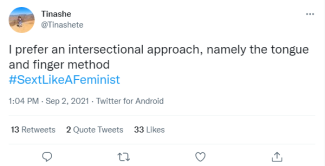
Image of a tweet. Text says: I prefer an intersectional approach, namely the tongue and finger method.

أفضّل المقاربة التقاطعيّة لما تشتمل عليه من مداعبة ممنهجة باللسان والأصابع

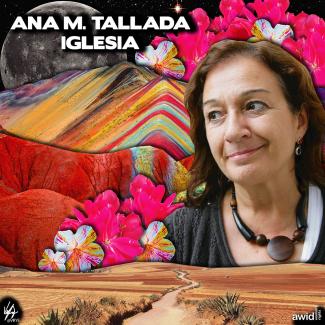
Ana M. Tallada Iglesia

Ana était un ardente défenseure des droits des femmes et travaillait avec un large éventail de femmes au sein d’organisations de terrain ainsi que dans le secteur privé.

Elle croyait en la construction de ponts entre les secteurs. Ana était membre du Réseau national de promotion de la femme (RNPM) et participait activement à l'élaboration de nombreux programmes sociaux traitant de questions telles que la santé et les droits sexuels et reproductifs.


Ana M. Tallada Iglesia, Peru

1. Rassemblez vos ressources

Cette section présente les principales ressources que l’AWID recommande afin que vous puissiez mener votre propre recherche WITM.

Dans cette section

Personnel requis

  • Au moins 1 personne pour diriger la mise en place générale de la méthodologie de recherche et veiller à ce que toutes les composantes clés soient en place (Sections 2-11)
  • Au moins 1 personne pour conceptualiser les principaux objectifs de recherche et les questions d’orientation
  • Au moins 1 personne pour peaufiner et mener la méthodologie de recherche, y compris la collecte de données
  • Au moins 1 personne pour procéder à une analyse qualitative et quantitative des données recueillies
  • Au moins 1 personne pour consigner et condenser les résultats de la recherche en fonction du-des public-s souhaité-s.
  • Au moins 1 personne pour réviser vos produits finaux
  • Au moins 1 personne pour sensibiliser le public au sujet de votre enquête et promouvoir les résultats de votre recherche

Haut de page


Dépenses éventuelles

  • Salaire du personnel et/ou des conseiller-ère-s
  • Logiciel d’analyse des données, si vous procédez à l’analyse d’un vaste ensemble de données en interne.
    Options  :
    - SPSS
    - Stata
    - R (gratuit)
  • Le coût de production des publications et des produits découlant de la recherche
  • Si jugé utile, un prix d’incitation que pourraient gagner les personnes qui remplissent le questionnaire
  • Si jugé utile, mesures d’incitation à offrir vos conseillers

Haut de page


Temps estimé

  • Pour le processus de recherche : six à dix-huit mois, selon la taille de l’ensemble des données et la capacité du personnel
  • Pour les activités de plaidoyer : un à deux ans, conformément à vos objectifs organisationnels

Haut de page


Ressources requises

  • Liste d’organisations, de donateurs et d’activistes agissant à titre consultatif
  • Liste des activités et espaces en ligne/réseaux à qui distribuer votre enquête et présenter les résultats de votre recherche
  • Liste de donateurs, d’activistes et d’organisations de droits des femmes à interviewer
  • Questions des interviews préparées
  • Liste des sources de publications à utiliser dans le cadre de la recherche documentaire

Haut de page


Ressources disponibles

Outils en ligne

Quand vous aurez rassemblé ces ressources, vous pourrez estimer les coûts de votre recherche à l’aide de notre Fiche de travail « Êtes-vous prêts-es ? »

Haut de page


Étape précédente

Avant de commencer

Étape suivante

2. Cadrez votre recherche

Snippet - AWID Community - EN

AWID Community

AWID Community is an online social networking platform for specifically for AWID members. It’s a feminist space for connection, resistance and celebration. A space for critical  feminist conversations, collective power and solidarity. It is also a space for post-event dialogues, navigating difficult political learnings and community care