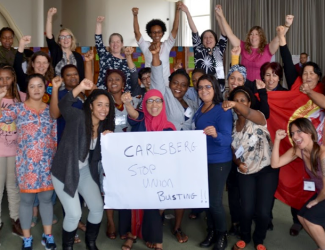
Confronting Extractivism & Corporate Power
Women human rights defenders (WHRDs) worldwide defend their lands, livelihoods and communities from extractive industries and corporate power. They stand against powerful economic and political interests driving land theft, displacement of communities, loss of livelihoods, and environmental degradation.
Why resist extractive industries?
Extractivism is an economic and political model of development that commodifies nature and prioritizes profit over human rights and the environment. Rooted in colonial history, it reinforces social and economic inequalities locally and globally. Often, Black, rural and Indigenous women are the most affected by extractivism, and are largely excluded from decision-making. Defying these patriarchal and neo-colonial forces, women rise in defense of rights, lands, people and nature.
Critical risks and gender-specific violence
WHRDs confronting extractive industries experience a range of risks, threats and violations, including criminalization, stigmatization, violence and intimidation. Their stories reveal a strong aspect of gendered and sexualized violence. Perpetrators include state and local authorities, corporations, police, military, paramilitary and private security forces, and at times their own communities.
Acting together
AWID and the Women Human Rights Defenders International Coalition (WHRD-IC) are pleased to announce “Women Human Rights Defenders Confronting Extractivism and Corporate Power”; a cross-regional research project documenting the lived experiences of WHRDs from Asia, Africa and Latin America.
We encourage activists, members of social movements, organized civil society, donors and policy makers to read and use these products for advocacy, education and inspiration.
-
"Women Human Rights Defenders confronting extractive industries: an overview of critical risks and Human Rights obligations" is a policy report with a gender perspective. It analyses forms of violations and types of perpetrators, quotes relevant human rights obligations and includes policy recommendations to states, corporations, civil society and donors.
-
"Weaving resistance through action: Strategies of Women Human Rights Defenders confronting extractive industries" is a practical guide outlining creative and deliberate forms of action, successful tactics and inspiring stories of resistance.
-
The video “Defending people and planet: Women confronting extractive industries” puts courageous WHRDs from Africa, Asia, and Latin America in the spotlight. They share their struggles for land and life, and speak to the risks and challenges they face in their activism.
-
Challenging corporate power: Struggles for women’s rights, economic and gender justice is a research paper outlining the impacts of corporate power and offering insights into strategies of resistance.
Share your experience and questions!
Tell us how you are using the resources on WHRDs Confronting extractivism and corporate power.
◾️ How can these resources support your activism and advocacy?
◾️ What additional information or knowledge do you need to make the best use of these resources?
◾️ How can these resources support your activism and advocacy?
◾️ What additional information or knowledge do you need to make the best use of these resources?
Thank you!
AWID acknowledges with gratitude the invaluable input of every Woman Human Rights Defender who participated in this project. This project was made possible thanks to your willingness to generously and openly share your experiences and learnings. Your courage, creativity and resilience is an inspiration for us all. Thank you!
Related Content
Claudia Montserrat Arévalo Alvarado
Biography
Claudia est Professeure en Egalité et équité pour le développement, psychologue féministe, activiste en faveur de la défense des droits humains depuis 30 ans et des droits des femmes depuis 24 ans.
Claudia, qui travaille au Salvador, est co-fondatrice et directrice générale de l’association Mujeres Transformando, et défend depuis 16 ans les droits du travail des travailleuses du secteur des maquiladoras textiles et de l’habillement. Elle a collaboré à la formulation d’initiatives législatives, à des propositions de politiques publiques et de recherches visant à améliorer la qualité de l’emploi pour les femmes travaillant dans ce secteur, en plus de travailler sans relâche au renforcement de l’organisation et de l’autonomisation des ouvrières des maquiladoras textiles et des couturières à domicile.
Elle participe activement à des actions de plaidoyer à l’échelle nationale, régionale et internationale pour la défense et la revendication des droits du travail de la classe ouvrière du Sud mondial d’un point de vue féministe, anticapitaliste, anti-patriarcal et dans une perspective de prise de conscience de la classe et du genre. Elle fait partie du Conseil d'administration de l'Initiative Spotlight et du Groupe national de référence de cette dernière. Elle fait également partie du Groupe consultatif de la société civile de l'ONU Femmes.
Position
Co-président
Add to stories
Off
Snippet Kohl - Plenary: The revolution will be feminist | AR
جلسة عامة | ستكون الثورة نسوية وإلّا لن تكون ثورة
مع منال التميمي وبوبولينا مورينو وكارولينا فيكيفيتش وأنووليكا نوجوزي أوكونجو
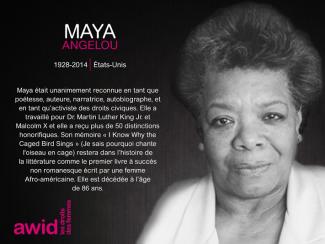
Maya Angelou
Michelle D'Cruz
Biography
Michelle is a Southeast Asian feminist who enjoys conspiring to bring people together and spark conversations for social change and feminist knowledge sharing, through art, poetry, music and games. With a background in digital advocacy and communications strategy development, she has contributed to initiatives in digital rights, human rights research, and civil society coalition building throughout Southeast Asia. She has an LLB from National University of Singapore, enjoys following her feet down random city streets and likes coffee a little too much.
Position
Membership and constituency Engagement Coordinator
Add to stories
Off
Sexting Like a Feminist: Humor in the Digital Feminist Revolution Snippet Small | AR
الصياغات النسوية للرسائل النصّية ذات المحتوى الجنسي:الدُّعابة الجنسانيّة في فضاء الثورة النسوية الرقمية
تشينيلو أونوالو
في الثاني من أيلول/ سبتمير 2021، التمّ شمل مجموعة رائعة من الناشطات النسويات والمناديات بالعدالة الاجتماعية ضمن فعاليات مهرجان (AWID Crear | Résister | Transform). لم يقتصر هدف اجتماعهنّ على مشاركة استراتيجيات المقاومة وعمليات الابتكار الخلّاقة المشتركة التي ترمي إلى تغيير العالم. لقد اجتمعت الناشطات ليتبادلن الغزَل الإباحي على «تويتر».
Nadine Gordimer

Eni Lestari
Biography
Eni Lestari es una trabajadora de casa particular (doméstica) que vive en Hong Kong y es activista por los derechos de lxs migrantes. Tras escapar de un empleador abusivo, dejó de ser víctima y se transformó en organizadora de lxs trabajadorxs de casa particular y de lxs migrantes en general. En 2000 fundó la Association of Indonesian Migrant Workers [Asociación de Trabajadoras Migrantes de Indonesia, ATKI-Hong Kong] que luego se expandió a Macao, Taiwan e Indonesia. Fue coordinadora y una de las voceras del Asia Migrants Coordinating Body [Organismo Coordinador de Migrantes de Asia, AMCB], alianza de organizaciones de base en Hong Kong que reúnen a migrantes de Indonesia, Filipinas, Tailandia, Nepal y Sri Lanka. Actualmente preside la Alianza Internacional de Migrantes, primera alianza global de migrantes de base, inmigrantes, refugiadxs y otras personas desplazadas.
Ha ocupado cargos importantes en distintas organizaciones como Asia Pacific Forum on Women, Law and Development [Foro de Asia-Pacífico sobre Mujeres, Derecho y Desarrollo, APWLD] cuyo Consejo Regional integra. También formó parte del Consejo Directivo de la Alianza Contra la Trata de Mujeres (GAATW), fue vocera de la Network of Indonesian Migrant Workers [Red de Trabajadrxs Migrantes de Indonesia, JBMI], consejera de ATKI-Hong Kong y Macao así como de la Association of Returned Migrants and Families in Indonesia [Asociación de Migrantes y Familias Retornadas en Indonesia, KABAR BUMI]. Ha sido ponente en foros organizados por la academia, grupos interreligiosos, sociedad civil, sindicatos y muchas otras entidades en espacios nacionales, regionales e internacionales.
También ha participado activamente en asambleas/conferencias de la ONU sobre desarrollo y derechos de lxs migrantes y fue elegida para hablar en la apertura de la Asamblea General de la ONU sobre Grandes Desplazamientos de Migrantes y Refugiados realizada en 2016 en la ciudad de Nueva York, Estados Unidos. Recibió nominaciones y reconocimientos como ser incluida entre las mujeres que inspiran de la serie 100 Women de la BBC; Heroína pública (RCTI), Mujer influyente en la categoría lideresa del sector sin fines de lucro (Cámara Estadounidense en Hong Kong), Hacedora de cambios (Cathay Pacific) y un premio del Club Indonesio.
Add to stories
Off
Pleasure Garden
Pleasure Garden
The artwork is a photography and illustration collaboration between Siphumeze and Katia during lockdown. The work looks at black queer sex and plesure narratives, bondage, safe sex, toys, mental health and sex and many more. It was created to accompany the Anthology Touch.
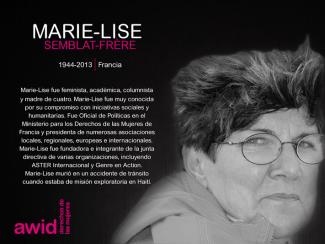
Marie-Lise Semblat-Frere
Forum 2024 - FAQ - Other Questions EN
Other Questions
Jemimah Naburri-Kaheru
Biography
Jemimah Naburri-Kaheru is an accomplished international HR strategist with a profound impact within the Horn of Africa Region. Jemimah previously served as the Regional Human Resource and Office Manager at the Strategic Initiative for Women in the Horn of Africa (SIHA). Her influence extends to HR leadership for over 70 regional staff, as the organization experienced rapid growth with a 40% increase in annual revenues. Throughout her career, Jemimah has orchestrated successful recruitment efforts, introduced merit-based performance systems, and overseen employee relations and HR policies.. She played a pivotal role in supporting global workforce strategies. With an academic background in Development Studies from Makerere University (Uganda) and an ongoing MBA in Human Resource Management, Jemimah's commitment to professional development is evident. Her contribution to high-performance workforces and international HR leadership positions her as an invaluable asset to any global enterprise.
Position
Deputy Director of Human Resources
Add to stories
Off
Nicole Barakat Snippet ES
Nicole Barakat
Nicole Barakat es una artista femme queer de SWANA, que nació y vive en las tierras de Gadigal (llamadas Sydney) en Australia. Trabaja con procesos intuitivos y de escucha profunda, con la intención de transformar las condiciones de la vida cotidiana. Su obra se desarrolla a través de métodos artísticos no convencionales, creando objetos intrincados que plasman el amor y la paciencia característicos de las prácticas textiles tradicionales.
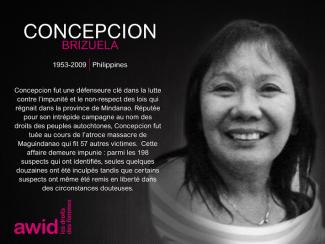
Concepcion Brizuela
Presenté una propuesta para el Foro anterior. ¿Es necesario que Ia presente nuevamente?
Sí, por favor. El mundo ha cambiado desde 2021, y te invitamos a proponer una actividad que refleje tus realidades y prioridades actuales.
Brenda Salas Neves
Biography
Brenda Salas Neves es une estratega feminista queer nacide y criade en los Andes del Sur. Elle trabaja en la organización para el cambio de narrativas y movilizar recursos para apoyar los movimientos de justicia racial y climática en todo el mundo. Ha producido proyectos mediáticos para potenciar el poder de la población migrante y alzarse contra la intervención militar estadounidense en toda América Latina, con Deep Dish TV y el Comité de Solidaridad con Centroamérica de Portland. Elle es une orgullose integrante del Proyecto Audre Lorde y egresade del movimiento de los United World Colleges (UWC).
Position
Secretarie
Add to stories
Off
Nos partenaires
Ce projet est le fruit d’une collaboration avec :
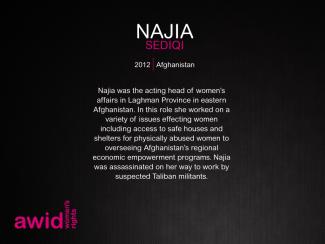
Nahia Sediqi
Y aura-t-il des mesures d’accessibilité au Forum ?
En un mot : oui ! L’AWID collabore actuellement avec un Comité d’accessibilité pour veiller à ce que le Forum soit aussi accessible que possible. Nous évaluons actuellement également l’accessibilité du lieu où se tiendra le Forum, des hôtels alentours et des transports. Des informations détaillées sur l’accessibilité lors du Forum de l’AWID seront disponibles dans cette section avant l’ouverture des inscriptions. Si vous avez des questions d’ici là, n’hésitez pas à nous contacter.
Alejandra Morena
Biography
Alejandra es una apasionada de los derechos de las mujeres y la justicia de género. Sueña con crear un mundo centrado en el cuidado de las personas y de la naturaleza. Como experta feminista en derechos humanos, ha trabajado en las intersecciones de la justicia de género, climática, social y económica en varias organizaciones internacionales. Sus áreas de experticia incluyen la construcción de conocimiento y de la creación conjunta, la investigación, la facilitación y la incidencia. Tiene un título de maestría de la Universidad de Essex, y es autora y colaboradora de muchas publicaciones, que incluyen el artículo «Enraged: Women and Nature». La campaña Feminist Activism Without Fear se basa en entrevistas e investigaciones realizadas por Alejandra.
Nacida en Argentina, durante las últimas dos décadas ha vivido y trabajado en varios países de Europa y América Latina. Alejandra ama la fotografía, el mar, cocinar con su hija y disfrutar de la comida de todo el mundo. Como madre, su objetivo es cambiar los modelos y patrones establecidos. Alejandra obtiene energía e inspiración de las increíbles mujeres de su vida, que están distribuidas en muchos rincones del mundo.
Position
Research & Advocacy Lead, Resourcing Feminist Movements
Add to stories
Off