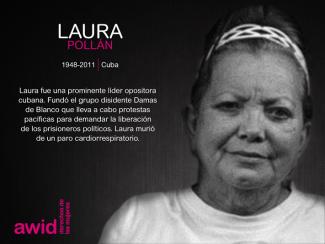
Laura Pollán
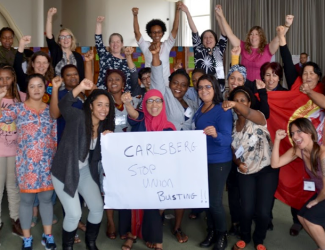
Women human rights defenders (WHRDs) worldwide defend their lands, livelihoods and communities from extractive industries and corporate power. They stand against powerful economic and political interests driving land theft, displacement of communities, loss of livelihoods, and environmental degradation.
Extractivism is an economic and political model of development that commodifies nature and prioritizes profit over human rights and the environment. Rooted in colonial history, it reinforces social and economic inequalities locally and globally. Often, Black, rural and Indigenous women are the most affected by extractivism, and are largely excluded from decision-making. Defying these patriarchal and neo-colonial forces, women rise in defense of rights, lands, people and nature.
WHRDs confronting extractive industries experience a range of risks, threats and violations, including criminalization, stigmatization, violence and intimidation. Their stories reveal a strong aspect of gendered and sexualized violence. Perpetrators include state and local authorities, corporations, police, military, paramilitary and private security forces, and at times their own communities.
AWID and the Women Human Rights Defenders International Coalition (WHRD-IC) are pleased to announce “Women Human Rights Defenders Confronting Extractivism and Corporate Power”; a cross-regional research project documenting the lived experiences of WHRDs from Asia, Africa and Latin America.
"Women Human Rights Defenders confronting extractive industries: an overview of critical risks and Human Rights obligations" is a policy report with a gender perspective. It analyses forms of violations and types of perpetrators, quotes relevant human rights obligations and includes policy recommendations to states, corporations, civil society and donors.
"Weaving resistance through action: Strategies of Women Human Rights Defenders confronting extractive industries" is a practical guide outlining creative and deliberate forms of action, successful tactics and inspiring stories of resistance.
The video “Defending people and planet: Women confronting extractive industries” puts courageous WHRDs from Africa, Asia, and Latin America in the spotlight. They share their struggles for land and life, and speak to the risks and challenges they face in their activism.
Challenging corporate power: Struggles for women’s rights, economic and gender justice is a research paper outlining the impacts of corporate power and offering insights into strategies of resistance.
AWID acknowledges with gratitude the invaluable input of every Woman Human Rights Defender who participated in this project. This project was made possible thanks to your willingness to generously and openly share your experiences and learnings. Your courage, creativity and resilience is an inspiration for us all. Thank you!
A pesar de su rigidez en cuestiones doctrinales y de cosmovisión, lxs actores anti-derechos han demostrado una apertura a nuevos tipos de alianzas estratégicas, nuevas técnicas de organización y nuevas formas de discurso. Todo esto les ha permitir detentar mayor poder en los espacios internacionales.
Se ha observado una notable evolución en las estrategias de lxs actores ultra conservadores que operan a este nivel. No solo intentan manipular los límites de los consensos y bloquear cierto lenguaje, sino también transformar el marco conceptual, desarrollar normas y estándares alternativos y encontrar otras vías de influencia.
Lxs actores ultra conservadores trabajan para establecer y mantener vínculos con representantes de los Estados ofreciéndoles oportunidades regulares de capacitación — como el Foro Mundial de Políticas sobre la Familia que es anual — y materiales de capacitación específicos.
Estas capacitaciones y la provisión de recursos en forma periódica les aportan discursos y técnicas de negociación a lxs representantes para que continúen colaborando en pro de los objetivos anti-derechos en el sistema de derechos humanos. Lxs representantes también reciben compilaciones organizadas de «lenguaje consensuado» y referencias a información pseudo-científica o estadística para reforzar sus argumentos.
La transmisión consolidada de estos mensajes explica en parte por qué lxs representantes de los Estados que adoptan posiciones ultra conservadoras en los debates internacionales sobre derechos humanos a menudo lo hacen contradiciendo su propia legislación y políticas nacionales.
La red de reuniones virtuales regionales e internacionales de lxs actores anti-derechos contribuye a crear vínculos más estrechos entre las OSC ultra conservadoras, los Estados y bloques de Estados, y poderosos órganos intergubernamentales. El Congreso Mundial de las Familias que se realiza todos los años es uno de los principales ejemplos de esta estrategia.
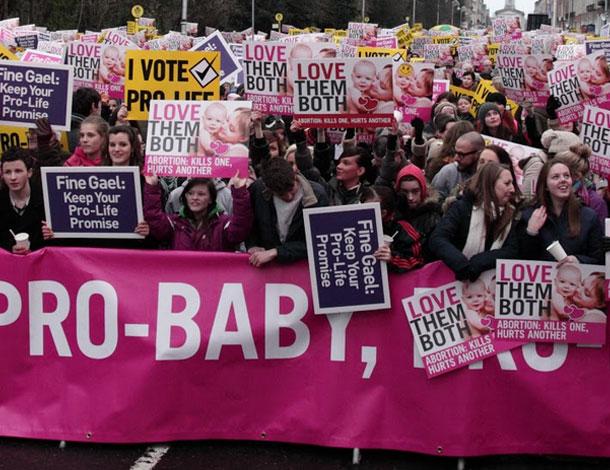
Estas reuniones refuerzan los vínculos personales y las alianzas estratégicas, elementos centrales para construir y sostener cualquier movimiento. También facilitan la creación dinámica de relaciones que van más allá de los países o las religiones y se articulan en torno a temáticas e intereses compartidos, lo que conduce a un enfoque más proactivo para formular demandas integrales en la esfera política internacional por parte de lxs actores anti-derechos.
Históricamente, los Estados y los bloques estatales han tratado de socavar el consenso internacional o la rendición de cuentas por parte de cada país frente a las normas internacionales de derechos humanos interponiendo reservas a los acuerdos que ponen en peligro la aplicabilidad universal de los derechos humanos.
La Convención sobre la Eliminación de la Discriminación contra las Mujeres (CEDAW) es la que ha sido objeto del número más alto de reservas, muchas de las cuales se fundamentan en presuntos conflictos con la ley religiosa. Sin embargo, la CEDAW está fuera de discusión como parte del derecho internacional de los derechos humanos, y las referencias a la tradición, cultura o religión no pueden justificar violaciones de los derechos humanos. Muchas reservas a la CEDAW son inválidas porque son «incompatibles con el objeto y el propósito» de este tratado. Sin embargo, los Estados invocan continuamente estas reservas para eludir sus responsabilidades en materia de derechos humanos.
También se están introduciendo cada vez más «reservas» a documentos y acuerdos de Naciones Unidas que no son tratados formales, como las resoluciones del Consejo de Derechos Humanos y de la Asamblea General.
Resulta alarmante observar cómo actores regresivxs que operan en la ONU han comenzado a cooptar estándares de derechos existentes y a hacer campaña para desarrollar un lenguaje consensuado que sea profundamente anti-derechos.
Su objetivo es crear y luego propagar en los escenarios internacionales de derechos humanos un lenguaje que valide normas patriarcales, jerárquicas, discriminatorias y culturalmente relativistas.
Un paso hacia el logro de este propósito es la redacción de textos declarativos, como la Declaración Mundial de la Familia y los Artículos de San José, que se presentan como fuentes no vinculantes en materia de derechos humanos, recogen adhesiones por parte de múltiples actores de la sociedad civil, estatales e institucionales; y luego sirven como base para la promoción y el cabildeo.
Como parte de un cambio estratégico hacia el uso de discursos no religiosos, lxs actores anti-derechos han invertido significativamente en crear sus propios grupos de expertxs en «ciencias sociales». Ayudados por los medios conservadores que son cada vez más numerosos, estos materiales se difunden ampliamente entre grupos conservadores de la sociedad civil y también se utilizan como base para la incidencia en espacios internacionales de derechos humanos.
Mientras que los objetivos y la motivación de lxs actores conservadorxs se derivan de sus interpretaciones extremas de la religión, la cultura y la tradición, a menudo refuerzan sus argumentos con estudios que reivindican para sí una cierta autoridad intelectual. Así se produce un contra-discurso, a través de una mezcla engañosa de doctrina tradicionalista y ciencias sociales.
Esta es una de las estrategias más efectivas empleadas por la derecha religiosa y representa una inversión importante en el futuro de los movimientos anti-derechos.
El reclutamiento de jóvenes y el desarrollo de sus liderazgos, comenzando en el nivel local con iglesias y campus universitarios, son una prioridad para muchos actores conservadores dedicados a influir sobre políticas internacionales.
Esta estrategia les ha permitido infiltrarse en espacios específicos de las Naciones Unidas para jóvenes, incluidos los de la Comisión de la Condición Jurídica y Social de las Mujeres, y crear un fuerte contrapunto a las redes y organizaciones progresistas de la juventud.

Los grupos regresivos han comprendido que dentro del sistema de Naciones Unidas su influencia es mucho menor cuando se trata de mecanismos de expertxs (Procedimientos Especiales y órganos de monitoreo de tratados) o de organismos operativos (agencias) y no de mecanismos políticos.
Por eso , los grupos anti-derechos afirman que las agencias de Naciones Unidas están «sobrepasando su mandato»; el Comité CEDAW y otros organismos de tratados no tienen autoridad para interpretar esos instrumentos; y los Procedimientos Especiales son en realidad expertxs que han tomado partido y que se extralimitan en su mandato. Los grupos anti-derechos también han tenido éxito en su cabildeo para recortar la financiación a organismos como el Fondo de Población de las Naciones Unidas (UNFPA).
Esta invalidación de los mecanismos de las Naciones Unidas alimenta la impunidad estatal. Cuando los gobiernos están bajo escrutinio internacional, pueden defender sus acciones acusando al mecanismo que los examina de tener defectos estructurales o de estar sobrepasando su mandato.
Lxs actores no estatales conservadores invierten cada vez más en las redes sociales y otras plataformas en línea para promover sus actividades, hacer campaña y difundir ampliamente información de los espacios internacionales de derechos humanos.
La organización española CitizenGo, por ejemplo, se presenta como la versión conservadora de Change.org, organizando peticiones y campañas de cartas. Una petición reciente, que se opone a que la ONU instituya un Día Internacional sobre el Aborto Seguro, reunió más de 172 000 firmas.
Si conocemos las estrategias empleadas por lxs actores anti-derechos, podemos contrarrestarlas de manera más efectiva.
Группы, организации и движения, работающие исключительно или главным образом в интересах женщин, девочек, гендерной справедливости, прав ЛГБТКИ+ людей во всех регионах и на всех уровнях, как недавно созданные, так и давно существующие.

La domination croissante des marchés financiers internationaux et des institutions dans la définition des politiques économiques mondiales a pour effet de confisquer le pouvoir des personnes dans l’intérêt des élites mondiales et des grandes entreprises.
Notre rapport sur les flux financiers illégaux explore leur impacts disproportionnés sur la justice de genre. Il expose les cadres politique et juridique qui permettent aux entreprises de jouir d'abus fiscaux au détriment des personnes et de la planète.
Le rapport conclut avec ces sept recommandations politiques féministes pour demander plus de transparence et de responsabilité des entreprises afin de stopper les flux financiers illégaux.
Les flux financiers illicites attirent une attention sans précédent, par exemple dans le cadre de négociations sur le développement autour du Programme de développement à l’horizon 2030 ou lors de la Conférence sur le financement du développement d’Addis-Abeba en 2015. Ils font également les gros titres dans les médias traditionnels avec la diffusion de documents concernant des opérations financières offshore ayant fait l’objet de fuites, une affaire connue sous le nom des « Panama Papers ».
Pour donner un autre exemple, lors d’un référendum en février 2017, le peuple équatorien a voté pour empêcher les politiciens et les fonctionnaires de posséder des actifs, des entreprises ou des capitaux dans des paradis fiscaux. Le gouvernement équatorien est maintenant une voix de premier plan au sein du G77, aux Nations Unies, en faveur de la création d’un organisme fiscal mondial de l’ONU pour mettre un terme aux paradis fiscaux.
Ce coup de projecteur constitue potentiellement une opportunité pour les féministes, les mouvements sociaux et les défenseur-euse-s de la justice fiscale de faire pression en faveur de la transformation du système financier mondial qui renforce les inégalités au niveau mondial, y compris les inégalités de genre.
Nous proposons ci-dessous sept revendications politiques pour contribuer aux actions de plaidoyer des féministes et des activistes oeuvrant en faveur de la justice sociale, des droits des femmes et de l’égalité de genre :
Resources to support feminist movements, policy-makers, and allies!
Contenido relacionado
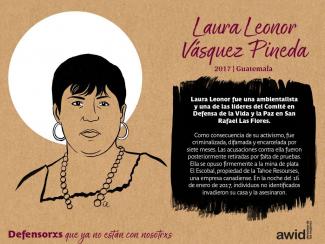
IM Defennsoras: Asesinan a Laura Leonor Vásquez Pineda, defensora del territorio
Observatorio para la Protección de los Defensores de Derechos Humanos: Guatemala: Asesinato de la defensora de la tierra y el medio ambiente Laura Leonor Vásquez Pineda

Faites partie d’une organisation et d’une communauté internationales, associatives et féministes. Nos membres sont établi·e·s dans toutes les régions du monde; iels apprennent les un·e·s des autres et se soutiennent mutuellement dans un réseau mondial fondé sur la solidarité.
نعم، يمكن تعبئة الاستطلاع من خلال الهاتف الذكي.
Cuando planifiquen la actividad que les gustaría presentar en el Foro, por favor también tengan en cuenta cómo podrían financiar su participación. Los costos a tener en cuenta son: alojamiento, viaje, visa, inscripción al Foro, y otros.
Es importante señalar que este Foro tendrá muchos ‘espacios abiertos’ y momentos para que los distintos movimientos puedan intercambiar entre sí y aprender, pero menos sesiones formales. (Consulten la sección sobre “Cómo describir el Foro para movilizar recursos” debajo).
Antes que nada, hablen con sus donantes actuales.
Asegúrense de hacerlo con anticipación. (Les recomendamos contactarlxs como máximo durante los primeros meses de 2020). Muchxs donantes que apoyan a organizaciones feministas han asignado recursos para que sus copartes puedan viajar al Foro. Otrxs podrían asignarles esos recursos cuando les renueven su apoyo o como parte de un fondo para viajes.
Si su organización/grupo tiene donantes, podrían contarles que quieren asistir al Foro AWID para aprender, vivenciar, compartir y contactarse con otrxs, aun si su actividad no resulta seleccionada para el programa final. Para poder apoyar su participación, lxs donantes tendrán que saber que ustedes quieren asistir al Foro cuanto antes (ya deben estar decidiendo cómo van a repartir sus fondos en 2020).
Buscar nuevos donantes:
Si no tienen donantes que les apoyen o lxs que tienen no pueden asignarles fondos para viajar al Foro, tal vez podrían buscar nuevos donantes.
Los plazos y requisitos varían de un donante a otro, y los procesos para aprobar una donación pueden llevar meses. Si piensan solicitar fondos a un donante nuevo, por favor háganlo cuanto antes.
Desde siempre los movimientos feministas hemos desplegado nuestra creatividad para financiar nuestro activismo. A continuación encontrarán algunas ideas que podrían inspirarlxs para pensar formas alternativas de movilizar recursos:
Podrán encontrar más ideas en la serie de publicaciones de AWID sobre feministas que se autofinancian, que incluye ideas específicas para movilizar fondos y participar en eventos.
AWID intenta hacer del Foro un evento verdaderamente global con participación de una variedad de movimientos, regiones y generaciones. Con este fin, movilizamos recursos para un Fondo Acceso (FA) limitado que asistirá a lxs participantes a cubrir los costos que implica asistir al Foro.
El Fondo Acceso de AWID podrá apoyar a un número limitado de participantes del Foro y personas que faciliten sesiones/actividades. Este apoyo no está garantizado y lxs alentamos a buscar formas alternativas de financiar su participación en el Foro, incluyendo sus gastos de viaje.
En su formulario de aplicación pueden indicar que les gustaría ser tenidxs en cuenta para el Fondo Acceso de AWID. Por favor tengan presente que estos recursos son muy limitados y que no vamos a poder apoyar a todxs. Aun si indican que les gustaría ser tenidxs en cuenta para el Fondo Acceso, les alentamos a continuar explorando otras opciones para financiar su participación en el Foro. A fines de junio de 2020 confirmaremos las decisiones acerca del Fondo Acceso.
A continuación encontrarán algunos mensajes simples que pueden utilizar cuando hablen con sus donantes o con personas de su comunidad. Por favor no duden en adaptarlos como les pueda resultar más útil.
El Foro AWID es un espacio que los movimientos feministas crean juntos y que permite a lxs participantes renovar energía para su activismo, fortaleciendo sus vínculos con muchos movimientos por los derechos y la justicia. Lxs participantes pueden encontrar allí esperanza, energía e imaginación radical, al mismo tiempo que profundizan análisis compartidos, aprenden y desarrollan la solidaridad entre movimientos que permite agendas más integradas y estrategias conjuntas.
Nuestra organización está buscando fondos para asistir al Foro y poder vincularnos con otrxs activistas y movimientos de todo el mundo, fortalecer nuestras estrategias y compartir el trabajo que hacemos. Nos inspira la experiencia de otrxs que han participado en el Foro y que describieron la fuerza de esta convocatoria feminista global:
“Durante cuatro días … las voces se entretejieron para articular una perspectiva global sobre el estado de la igualdad de género. Y cuando digo ‘global’ quiero decir por ejemplo que había traducción simultánea en siete idiomas…”
“Nos recordó que no estamos solas. El Foro nos permitió traducir lo colectivo a nuestros movimientos. Con diferencias en cuanto a ideologías, identidades o fronteras, nuestra fortaleza yace en nuestra visión y en cómo nos apoyamos unas a otras”.
Es importante señalar que este Foro tendrá muchos ‘espacios abiertos’ y momentos para que los movimientos puedan aprender e intercambiar entre sí, pero menos sesiones formales. Si bien muchxs participantes no podrán facilitar sesiones formales, para ellxs también será un espacio valioso en el que aprender, pensar estrategias y vivenciar el poder colectivo de los movimientos feministas en acción.
Para calcular los costos y saber cuánto dinero necesitarán recaudar, es importante que tengan en cuenta que su participación podrá requerir todos o algunos de los siguientes gastos:
El 14o Foro de AWID tendrá lugar del 11 al 14 de enero de 2021 en Taipéi, Taiwán.
El Foro es más que una reunión de cuatro días. Es una estación en un recorrido más largo para fortalecer nuestros movimientos en torno a la noción de Realidades Feministas que ya ha comenzado y que continuará más allá de las fechas del Foro.