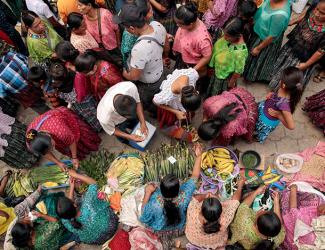
Building Feminist Economies
Building Feminist Economies is about creating a world with clean air to breath and water to drink, with meaningful labour and care for ourselves and our communities, where we can all enjoy our economic, sexual and political autonomy.
In the world we live in today, the economy continues to rely on women’s unpaid and undervalued care work for the profit of others. The pursuit of “growth” only expands extractivism - a model of development based on massive extraction and exploitation of natural resources that keeps destroying people and planet while concentrating wealth in the hands of global elites. Meanwhile, access to healthcare, education, a decent wage and social security is becoming a privilege to few. This economic model sits upon white supremacy, colonialism and patriarchy.
Adopting solely a “women’s economic empowerment approach” is merely to integrate women deeper into this system. It may be a temporary means of survival. We need to plant the seeds to make another world possible while we tear down the walls of the existing one.
We believe in the ability of feminist movements to work for change with broad alliances across social movements. By amplifying feminist proposals and visions, we aim to build new paradigms of just economies.
Our approach must be interconnected and intersectional, because sexual and bodily autonomy will not be possible until each and every one of us enjoys economic rights and independence. We aim to work with those who resist and counter the global rise of the conservative right and religious fundamentalisms as no just economy is possible until we shake the foundations of the current system.
Our Actions
Our work challenges the system from within and exposes its fundamental injustices:
-
Advance feminist agendas: We counter corporate power and impunity for human rights abuses by working with allies to ensure that we put forward feminist, women’s rights and gender justice perspectives in policy spaces. For example, learn more about our work on the future international legally binding instrument on “transnational corporations and other business enterprises with respect to human rights” at the United Nations Human Rights Council.
-
Mobilize solidarity actions: We work to strengthen the links between feminist and tax justice movements, including reclaiming the public resources lost through illicit financial flows (IFFs) to ensure social and gender justice.
-
Build knowledge: We provide women human rights defenders (WHRDs) with strategic information vital to challenge corporate power and extractivism. We will contribute to build the knowledge about local and global financing and investment mechanisms fuelling extractivism.
-
Create and amplify alternatives: We engage and mobilize our members and movements in visioning feminist economies and sharing feminist knowledges, practices and agendas for economic justice.
“The corporate revolution will collapse if we refuse to buy what they are selling – their ideas, their version of history, their wars, their weapons, their notion of inevitability. Another world is not only possible, she is on her way. On a quiet day, I can hear her breathing”.
Arundhati Roy, War Talk
Related Content
Snippet - WITM RESOURCES - EN
Resources
Lindiwe Rasekoala | Snippet AR

لينديوي راسيكوالا مدربة حياتية، متخصصة في التدريب على العلاقات الحميمة. إنها متخصصة بالصحة الجنسية ولديها مساهمات في هذا الموضوع عبر الإنترنت. من خلال تجاربها الخاصة وأساليب البحث غير التقليدية التي تنتهجها، تعتقد لينديوي أنها تستطيع سد الفجوة التعليمية، فيما خص الصحة الجنسية وإشكالية الوصول إلى المعلومات حول الموضوع. لها العديد من المساهمات في البرامج الإذاعية والتلفزيونية، وقد أكملت تعليمها كمدرب مع تحالف المدربين المعتمدين CCA. تتمثل مهمة لينديوي في كسر الحواجز التي تحول دون قيام المحادثات حول الصحة الجنسية، وتمكين زملائها من تحقيق فهم أكبر لأنفسهم، حتى يتمكنوا من تجربة نمط حياة وعلاقات أكثر صحية وتكامليّة.
How many questions are in the survey?
There are 47 questions in total, of which 27 are mandatory* and the remaining 20 are optional. The majority of questions are multiple-choice. We invite you to respond to all the questions.
Disintegration | Content Snippet AR
وصلتني رسالة يوم الأربعاء
مصحوبة بعنوانٍ على ظهرها.


الخامسة مساءً، اليوم
خطّ كتابة الدعوة –
متحفّظ وجاف –
رأيته خمس مرّات في خمس سنوات.
جسدي مُستنفَر،
محموم.
أحتاج لمضاجعة نفسي أوّلًا.
المدُّ عالٍ الليلة
وأنا
أنتشي.
أريدُ إبطاءَ كلَّ شيء،
واستطعام الوقت والفراغ،
أن أحفرهما
في الذاكرة.
*
لم آتِ أبدًا إلى هذا الجزء من البلدة.
الأماكن المجهولة تثيرني،
[كذلك] الطريقة التي تقاوم بها الأشلاء والعروق والعظام
الاضمحلال،
مصيرهم غامض.
عند الباب أعيدُ التفكير.
الرواق قاتم السواد
يجعلني أتوقّف.
على الناحية الأخرى،
مثل اللعنة، يُفتَح باب
من الروائح والألوان
على عَصْرٍ مُشمس.
النسيم
يجعل شعري يرقص،
يثير فضوله،
يدفعه للحركة.
أسمعُ أزيزَ الكرسي المتحرّك،
يشكّل الظلال.
عندها أراهم:
وجه فهد
وجسدٌ مثل جسدي
وأجِدني راغبة بكليهما
مرّة أخرى.


يقترب المخلوق منّي.
إيماءاتهم تكتب جملة؛
كلّما اقتربت منهم،
أتبيّن تفاصيلها:
ذبول، لحم، غِبطة
بأمر ٍمنهم، تزحف الكرمة
التي تغطّي الرُواق
مُعانقةً الصخور الدافئة
وتتسلّق الحائط كالأفعى.
لقد أصبح فعلًا،
«أن تقفز»،
أُعيدَ توجيهي عندما أشارت مخالبهم
نحو سرير الكرم في المنتصف.
أسمع العجلات خلفي،
ثم أسمع ذلك الصوت.
يُدوي
بشكلٍ لا مثيل له.
أجنحتهم الطويلة السوداء
ترتفع نحو السقف
ثم تندفع للأمام.
عينا الهرّة تفحص كلّ تفصيلة،
كلّ تغيّر،
كلّ تَوق.
هل يمكن أن تُذيب الرغبة عضلاتك؟
هل يمكن أن تكون أحلى من أقوى المهدّئات؟
فهدٌ يخيط العالم،
عبرَ اختلافاتنا،
غازلًا الدانتيل حول ركبتيَّ.
هل يمكن للرغبة أن تسحق تباعُد العالم،
أن تكثّف الثواني؟
مازالوا يقتربون،
تلتقي عين الفهد بعين الإنسان،
تتنشّق الهواء،
تُحوِّل الجسد إلى
إلحاح.
يخفقون بأجنحتهم للأسفل.
هائجة،
تلتفّ الكرمة حول خصري/ خسارتي.


لسانهم يرقّق الوقت،
تتبدّل الآراء،
يُسكِّن، بسحرهم،
ما يشتعل أسفل [السطح].
أرى العالم فيك، والعالم مُنهَك.
ثم يتوسّلون:
دعيني أقتات عليك.
Can I contact someone if I have questions or concerns?
If you have any questions or concerns, please contact us via the form here, indicating “WITM Survey” as the title of your message. You can also write to us at witm@awid.org.
A Collective Love Print | Small Snippet AR
Snippet - WITM to claim - RU
Чтобы заявить о себе как об эксперте по вопросам ресурсного обеспечения феминистских движений
Sexting Like a Feminist: Humor in the Digital Feminist Revolution | Title Snippet AR
الصياغات النسوية للرسائل النصّية ذات المحتوى الجنسي: الدُّعابة الجنسانيّة في فضاء الثورة النسوية الرقمية
تشينيلو أونوالو
ترجمة مايا زبداوي
Snippet - WITM Why now_col 2 - RU
Обеспечение ресурсами феминистских движений имеет основополагающее значение для обеспечения более справедливого и мирного настоящего и свободного будущего.
 За последнее десятилетие спонсоры выделили значительно больше средств на обеспечение гендерного равенства, однако лишь 1% средств, выделенных на благотворительность и развитие был направлен непосредственно на поддержку социальных изменений, проводимых под руководством феминисток.
В солидарности с движениями, которые по-прежнему остаются невидимыми, маргинализированными и не имеют доступа к основному, долгосрочному, гибкому и основанному на доверии финансированию, данный опрос освещает фактическое состояние ресурсного обеспечения, выявляет ошибочные решения и указывает на то, как необходимо изменить модели финансирования, чтобы движения процветали и решали сложные задачи современного мира.
Pleasure Garden
Pleasure Garden
The artwork is a photography and illustration collaboration between Siphumeze and Katia during lockdown. The work looks at black queer sex and plesure narratives, bondage, safe sex, toys, mental health and sex and many more. It was created to accompany the Anthology Touch.
Snippet - WITM Acknowledgements - RU
Слова благодарности
AWID выражает признательность всем тем, чьи идеи, аналитические работы и вклад в развитие легли в основу исследования «Где деньги?» и его дальнейшей адвокации.
Прежде всего, мы выражаем глубочайшую благодарность членам AWID и активисткам(-там), которые участвовали в консультациях, и провели этот опрос вместе с нами, щедро поделившись своим временем, аналитикой и теплом.
Мы выражаем признательность феминистским движениям, союзницам(-кам) и феминистским фондам, включая (но не ограничиваясь ими) Black Feminist Fund, Pacific Feminist Fund, ASTRAEA Lesbian Foundation for Justice, FRIDA Young Feminist Fund, Purposeful, Kosovo Women’s Network, Human Rights Funders Network, Dalan Fund and PROSPERA International Network of Women's Funds , за ваше тщательное исследование состояния ресурсного обеспечения, вдумчивый анализ и постоянную адвокацию для достижения более объемного и эффективного финансирования для феминистских организаций и движений за гендерную справедливость во всех контекстах.
Присоединяйтесь к глобальному феминистскому сообществу, которое освещает состояние ресурсного обеспечения, требуя большего финансирования и влияния для феминисток(-ов) во всем мире
O nosso grupo, organização e/ou movimento não está registado - devemos participar no inquérito mesmo assim?
É claro que sim, queremos saber mais sobre si e sobre a sua experiência com o financiamento.