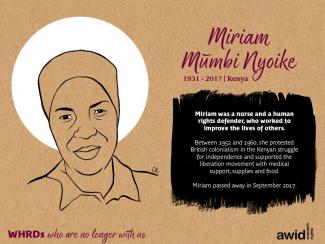
Miriam Mũmbi Nyoike
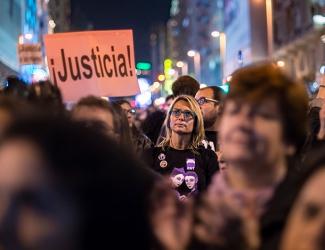
Across the globe, feminist, women’s rights and gender justice defenders are challenging the agendas of fascist and fundamentalist actors. These oppressive forces target women, persons who are non-conforming in their gender identity, expression and/or sexual orientation, and other oppressed communities.
Discriminatory ideologies are undermining and co-opting our human rights systems and standards, with the aim of making rights the preserve of only certain groups. In the face of this, the Advancing Universal Rights and Justice (AURJ) initiative promotes the universality of rights - the foundational principle that human rights belong to everyone, no matter who they are, without exception.
We create space for feminist, women’s rights and gender justice movements and allies to recognize, strategize and take collective action to counter the influence and impact of anti-rights actors. We also seek to advance women’s rights and feminist frameworks, norms and proposals, and to protect and promote the universality of rights.

“ภารกิจในชีวิตของฉันไม่ใช่แค่การอยู่รอดเท่านั้น แต่ยังต้องเจริญเติบโตอีกด้วย และทำให้เต็มที่ด้วยแรงปรารถนา ด้วยความเห็นอกเห็นใจ ด้วยอารมณ์ขัน และมีสไตล์” - มายา แองเจลู (Maya Angelou)
เวทีการประชุมนานาชาติ AWID เป็นทั้งกิจกรรมชุมชนระดับโลกและพื้นที่ของการเปลี่ยนแปลงของปัจเจก บุคคลอย่างสิ้นเชิง เป็นการประชุมที่ไม่เหมือนใคร คือเป็นที่รวบรวมนักสตรีนิยม นักปกป้องสิทธิสตรี ความยุติธรรมทางเพศ LBTQI+ และพันธมิตรในขบวนการเคลื่อนไหวเพื่อมนุษยชาติอันหลากหลาย เพื่อเชื่อมต่อ เยียวยาและเติบโต เวทีนานาชาตินี้เป็นพื้นที่ที่นักสตรีนิยมจากทั่วทุกมุมโลก รวมถึงจากประเทศในกลุ่มโลกใต้ และชุมชนชายขอบที่ไม่ได้รับการเหลียวแลมาอย่างยาวนาน เป็นศูนย์กลางในการวาง ยุทธศาสตร์ร่วมกัน และเคลื่อนไหวเพื่อความยุติธรรมทางสังคม เพื่อเปลี่ยนอำนาจ สร้างพันธมิตร และ สร้างโลกที่แตกต่างและดีขึ้น
เมื่อผู้คนทั่วโลกมารวมตัวกันทั้งในฐานะปัจเจกบุคคลและองค์กรเคลื่อนไหว เราสามารถสร้างพลังอันยิ่งใหญ่ จึงขอเชิญท่านร่วมกิจกรรมกับเราที่กรุงเทพฯ ประเทศไทยในปี 2567 มาร้องเพลง เต้นรำ วาดฝัน และลุกขึ้นพร้อมกัน
วันที่: 2–5 ธันวาคม 2567
สถานที่: กรุงเทพฯ ประเทศไทย; และทางออนไลน์
ผู้เข้าร่วม: นักสตรีนิยมจากทั่วโลกเข้าร่วมด้วยตนเอง ณ สถานที่จัดงานประมาณ 2,500 คน และเข้าร่วม
ทางออนไลน์ 3,000 คน
การเสวนา: ในการเสวนาให้สำรวจปัญหาหรือความท้าทายจากมุมมองที่แตกต่างกัน หรือแบ่งปัน การเรียนรู้หรือประสบการณ์ ตามด้วยคำถามของผู้ฟังหากมีเวลา
รายการทอล์คโชว์: สนทนาแบบเป็นไปเองในรูปแบบรายการทอล์คโชว์ โดยอาจเป็นการสนทนา ร่วมกันหลายคน มีพิธีกรเป็นผู้ดำเนินรายการ คำถามของผู้ฟังสามารถกำหนดทิศทางของการสนทนาได้
การอภิปราย: วงสนทนาอภิปรายอาจอยู่ในรูปแบบเวิร์ลคาเฟ่ วงอ่างปลา (fishbowls) และรูปแบบอื่นๆ ที่เอื้อให้ผู้เข้าร่วมมีส่วนร่วมในการสนทนามากขึ้น
การประชุมเชิงปฏิบัติการ (workshop): เป็นกิจกรรมเชิงโต้ตอบที่เชิญชวนผู้เข้าร่วมสร้างทักษะใหม่ๆในทุกด้านของชีวิตและการเคลื่อนไหวผ่านกิจกรรมและการปฏิบัติ
หัวข้อยุทธศาสตร์: เป็นการเชิญชวนให้คิดผ่านประเด็นหรือยุทธศาสตร์ในเชิงลึกร่วมกับคนอื่น เปิดพื้นที่ สำหรับเรียนรู้กันและกัน สิ่งใดได้ผล ไม่ได้ผล และเราจะพัฒนายุทธศาสตร์ใหม่ๆร่วมกันเพื่อสร้างโลกที่ เราใฝ่ฝันได้อย่างไร
วงแลกเปลี่ยนของคนแนวเดียวกัน: (หรือที่เรียกว่า "Birds of a Feather") เหมาะสำหรับกลุ่มเล็กๆ ในบรรยากาศที่ใกล้ชิดยิ่งขึ้น เพื่อรับฟังความคิดเห็นของกันและกัน จุดประกาย การอภิปราย และ หยิบยกประเด็นหัวข้อที่เฉพาะเจาะจง ละเอียดอ่อน และซับซ้อนอย่างระมัดระวัง
ศิลปะ - การประชุมเชิงปฏิบัติการแบบมีส่วนร่วม: กิจกรรมศิลปะอย่างมีส่วนร่วม และการแสดงออก อย่างสร้างสรรค์ ไม่ว่าจะเป็นทัศนศิลป์ การละคร ภาพยนตร์ จิตรกรรมฝาผนัง การเต้นรำ ดนตรี งานฝีมือ หรือการสร้างงานศิลปะ ฯลฯ เรายินดีรับทุกแนวคิดที่เชิดชูศิลปะ และความคิดสร้างสรรค์แนวสตรีนิยมใน รูปแบบของการเปลี่ยนแปลงทางสังคม การเยียวยา การแสดงออก และการเปลี่ยนแปลง
ศิลปะ - การแสดง ศิลปะจัดวาง และนิทรรศการ: เรายินดีรับผลงานที่นำเสนอประสบการณ์ และมุมมองใหม่ๆแก่ผู้เข้าร่วมประชุมในเวทีนี้เพื่อขยายขอบเขตของเรา สร้างความท้าทายและสร้าง แรงบันดาลใจ ให้เราคิด รู้สึก และจัดการด้วยวิธีใหม่ๆ
การเยียวยาและบำบัด: กิจกรรมหลากหลายที่เหมาะกับกลุ่มและปัจเจกบุคคล ตั้งแต่การเรียนรู้เทคนิค การผ่อนคลาย ไปจนถึงการพูดคุยถึงการป้องกันภาวะหมดไฟ และตั้งแต่การดูแลร่างกาย จิตใจและ จิตวิญญาณ โดยคำนึงถึงบาดแผลทางจิตใจ ไปจนถึงการเยียวยารอยร้าวในขบวนการเคลื่อนไหวของเรา
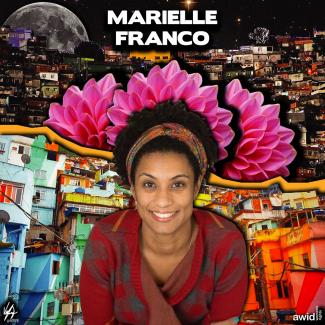
Marielle was a Brazilian politician, feminist, lesbian and human rights activist.
Marielle was an outspoken critic of police brutality and extrajudicial killings. Her openly feminist, Black and favela-centered politics were a source of hope for marginalized groups in Rio de Janeiro, currently governed by a conservative city government and an evangelical mayor.
On March 14, 2018, after delivering a speech in Rio de Janeiro, Franco and her driver were shot multiple times and killed. Following news of her death crowds took to the streets shouting "Marielle presente!" (Marielle is here!) and demanding justice be done.
Read more about Marielle and the situation in Brazil
You are welcome to submit up to 2 activities as the organizer. You can still be a partner on other applications.
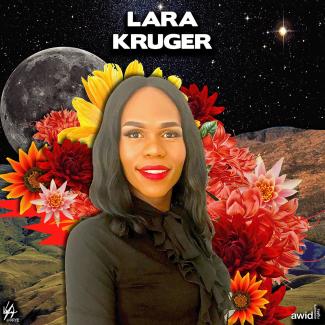
Lara was a well-known and loved radio DJ on Motsweding FM in South Africa.
Lara was one of the first openly-transgender radio hosts on a mainstream station. She worked hard to shine a light on LGBTI issues.
Lara’s activism started at a young age when she would vocally defend her right to dress and behave as she felt comfortable to members of her community who didn’t yet understand what it meant to be transgender.
كل ثلاث إلى أربع سنوات، تستضيف جمعية حقوق المرأة في التنمية حدثها الدولي الرئيسي. إنه أكبر حدث في العالم يركز بكل طاقته على الحركات النسوية والعدالة الجندرية بكل تنوعها. إنه تجمع عالمي للناشطين/ات النسويين/ات والحركات المتحالفة والباحثين/ات والممولين/ات وصانعي/ات السياسات. ويتنقل المنتدى بين مناطق وبلدان مختلفة في الجنوب العالمي.
by Rode Wanimbo
I was born and grew up in Agamua, the Central Highlands of West Papua. My father belongs to the Lani tribe and my mother comes from Walak. (...)
< artwork: “Offerings for Black Life” by Sokari Ekine
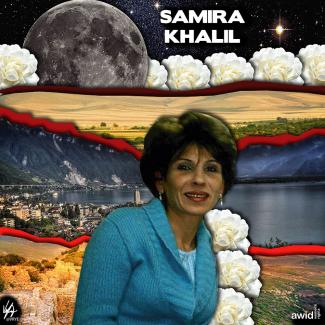
Samira was a Syrian activist under Bashar al-Asad's regime.
From a young age Samira opposed all forms of despotism, particularly vis-a-vis the authoritarian regime in which she lived.
Samira was kidnapped in 2013 along with three other prominent activists. She is believed to have been taken from the Center for the Documentation of Violations in Duma, in rural Damascus.
The main suspect associated with her disappearance is the Army of Islam (which denies its involvement). There has been no formal investigation of Samira’s disappearance and she has not been heard from since. Samira was committed to her country and refused to leave Syria until she felt her role in empowering women and documenting crimes was no longer necessary.
لا، ليس من الضروري أن تكون عضوًا/ة في جمعية حقوق المرأة في التنمية للمشاركة ولكن أعضاء/ عضوات جمعية حقوق المرأة في التنمية يحصلون على رسوم تسجيل مخفضة بالإضافة إلى عدد من المزايا الأخرى. تعرف/ي على المزيد حول كيفية أن تصبح عضوًا/ة في جمعية حقوق المرأة في التنمية.
Our first Feminist Film Club program is now available to view: “Tenderness is the Sharpest Resistance” is a film series on Asian/Pacific Feminist Realities curated by Jess X Snow
“Afterwards
After love the first time,
Our naked bodies and minds
A hall of mirrors,
Wholly unarmed, utterly fragile,
We lie in one another's arms
Breathing with care,
Afraid to break
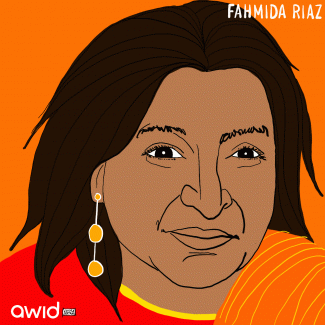
These crystal figurines.” - Fahmida Riaz
Her work faced harsh criticism from conservatives, who accused her of using erotic and “pornographic” expressions in her poetic language.
Fahimida was eventually blacklisted and charged with sedition under Section 124A of the Pakistan Penal Code) during the dictatorship of Zia Ul Haq. Forced into exile in 1981, she spent almost seven years in India before returning to Pakistan.
As part of the preface to “Badan Dareeda” ('The Torn-Bodied'), a collection of poetry published in 1974, she wrote:
The brilliance of Fahmida was in defying any singular logic or categories of gender, nation, religion or culture. She refused to be put in the role of a ‘woman poet’, breaking with traditional definitions of feminine poetry and concepts and themes (ranging from political consciousness, body, culture, desire, religion, home) and knocking down inhibitions put on her gender.
“You have to understand that culture can have no essence. Cultures move, flowing into one another, forming new cultures. Culture is born this way. There is no clash of cultures.”
Fahmida authored more than 15 books on poetry and fiction including her poem ‘Taaziyati Qaraardaaden’ (‘Condolence Resolutions’) that might serve as an appropriate tribute to her life and legacy and a collection of poems (Apna Jurm To Saabit He ‘My Crime Stands Proven’) published in 1988 during her time in exile.
Fahmida Riaz was born in Meerut, India on 28 July 1946 and passed away on 21 November 2018 in Lahore, Pakistan.
أنتم/ن مدعوون/ات لتقديم ما يصل إلى نشاطين كمنظم/ة. لا يزال بإمكانك أن تكون شريكًا/ة في المقترحات الأخرى.
In the African Commission and the Inter-American System, anti-rights actors push essentialist notions of culture and gender to hamper progress on rights and undermine accountability. As we see, anti-rights actors are exerting influence in regional human rights systems, as well as international spaces.
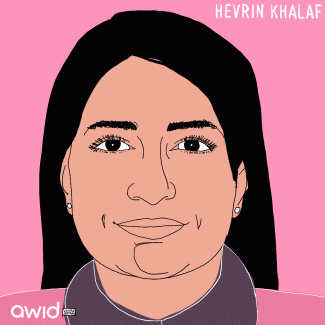
Hevrin Khalaf was a prominent Syrian Kurdish political leader in the autonomous region of Rojava where Kurdish women are risking their lives to resist the Turkish offensive and build a feminist system.
She was Secretary-General of the Future Syria Party (FSP), a group that aimed to build bridges, reconcile different ethnic groups and work towards a “democratic, pluralistic, and decentralized Syria.”
Hevrin was a symbol of this reconciliation effort. She also worked to promote equality between women and men and was a representative for visiting journalists, aid workers, and diplomats.
Hevrin was also a civil engineer from Derik, and was one of the founders of the Foundation for Science and Free Thought in 2012.
On 12 October 2019 she was tortured and murdered by the Turkish-backed militia, Ahrar al-Sharqiya during a military operation against Syrian Democratic Forces in Rojava.
“The killing of Khalaf is a turning point in Syria’s modern history. It once again demonstrated the old Kurdish proverb “no friends but the mountains.” I will always be a friend of Khalaf and her vision of a better world.” - Ahed Al Hendi
(نظرًا لأننا نقدم الطلب قبل عام تقريبًا من الحدث الفعلي.)
نعم! يطلب النموذج حاليًا إدراج مقدمي/ات المقترح حتى لو لم يتم تأكيدهم/ن بعد. نحن ندرك أنه من المحتمل أن تحدث التغييرات في غضون عام.
with Luam Kidane, Mariama Sonko, Yannia Sofia Garzon Valencia, and Nomsa Sizani.
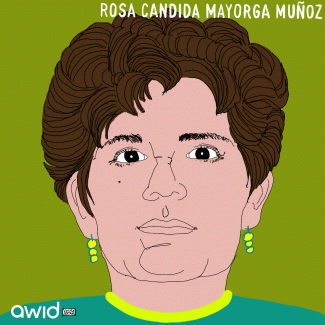
Rosa Candida Mayorga Muñoz was a Guatemalan social worker, union leader and labor rights defender. She was affectionately called Rosita and she inspired change.
In the 1980’s, Rosa became the first female member of the Executive Committee of the Union of Workers of the Institute of National Electrification (STINDE), a union she first joined to advocate for women’s labor rights. For her, this meant fighting for equal opportunities in a company where many women faced a discriminatory and violent system created by company authorities. Rosa had also suffered sexual harassment in her workplace, both by co-workers and managers. She was not to be kept quiet though.
Rosa continued fighting and was part of the effort to mould the struggle into a more specific form, that of the INDE-STINDE Collective Pact of Working conditions. This pact was a pioneer, the first in Guatemala to typify the concept of (sexual) harassment. It serves as a reference for the Guatemalan legislation on labor matters and is an encouragement for other unions.
“She had no fighting tools other than her own ideals... Many times she was intimidated, harassed to put the fight aside, but her courage generated the image of hope for grassroots unionists. Rosita created an image of respect, not only within her union, but before the authorities of the institution, before the women's movement; she was recognized as a pioneer of the trade union women's movement, in a space that had been more dominated by men.” - Maritza Velasquez, ATRAHDOM
Rosa passed away on 4 April 2018 at the age of 77.
เมื่อ AWID ถามตัวเองด้วยคำถามเดียวกัน เราเชื่อว่าไม่มีคำตอบง่ายๆสำหรับเรื่องนี้ สำหรับผู้เข้าร่วมจำนวนมาก AWID ฟอรัม อาจเป็นหนึ่งในการเดินทางระหว่างประเทศไม่กี่ทริปที่พวกเขาเคยทำในชีวิต การระบาของโรคโควิด19ได้ให้บทเรียนเราถึงความเป็นไปได้ต่างๆในการพบเจอกันรูปแบบอื่นๆที่ไม่ใช่ทางกายภาพ แต่ก็ให้บทเรียนเราถึงข้อจำกัดของพื้นที่เสมือนจริงสำหรับการสร้างการขบวนการด้วย ไม่มีรูปแบบใดที่เหมือนกับการเชื่อมต่อแบบตัวต่อตัว ขบวนการจำเป็นต้องมีการเชื่อมโยงข้ามพรมแดนเพื่อสร้างพลังร่วมในการเผชิญกับภัยคุกคามที่เรากำลังเผชิญหน้าอยู่ โดยเฉพาะอย่างยิ่งวิกฤตสภาพภูมิอากาศ เราเชื่อว่า AWID ฟอรัม ที่กำลังจะมาถึงสามารถเป็นพื้นที่เชิงกลยุทธ์ในการก่อให้เกิดพื้นที่สำหรับการสนทนาเหล่านี้ และทำให้เราได้สำรวจทางเลือกอื่นนอกเหนือจากการเดินทางระหว่างประเทศ การประชุมแบบผสม(ออนไลน์และกายภาพ)ของฟอรัมเป็นส่วนสำคัญของการสำรวจนี้