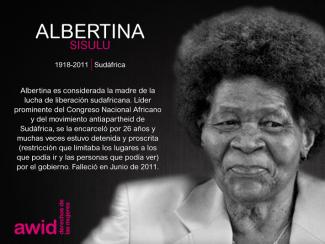
Albertina Sisulu
Esta sección de análisis especial ofrece un análisis feminista crítico y acceso a los recursos clave relacionados con la «protección de la familia» en los espacios internacionales de derechos humanos.
Durante los últimos años, venimos observando una nueva y preocupante tendencia en el ámbito internacional de derechos humanos, donde se están empleando discursos sobre la «protección de la familia» para defender violaciones cometidas contra miembros de la familia, de modo de reforzar y justificar la impunidad y para coartar la igualdad de derechos en el seno de la familia y la vida familiar.
La campaña para «proteger a la familia» es impulsada por proyectos conservadores que tienen como fin imponer interpretaciones «tradicionales» y patriarcales de familia; quitando los derechos de las manos de sus miembros para ponerlos en las de la institución «familia».
Desde 2014 un grupo de estados opera como bloque en espacios de derechos humanos, bajo el nombre «Group of Friends of the Family» [Grupo de amigos de la familia], y a partir de entonces se han aprobado resoluciones sobre la «Protección de la familia» todos los años.
Esta agenda se ha extendido más allá del Consejo de Derechos Humanos (HRC, por sus siglas en inglés). Hemos visto cómo el lenguaje regresivo sobre «la familia» se ha introducido en la Comisión de la Condición Jurídica y Social de las Mujeres (CSW, por sus siglas en inglés), y hemos asistido a intentos por incluir este lenguaje en las negociaciones sobre los Objetivos de Desarrollo Sostenible.
AWID trabaja con asociadxs y aliadxs para resistir conjuntamente las agendas regresivas de «Protección de la familia» y otras, y para defender la universalidad de los derechos humanos.
En respuesta a la creciente influencia de actores regresivos en los espacios de derechos humanos, AWID se ha unido con aliadxs para formar el Observatorio de la Universalidad de los Derechos (OURs, por sus siglas en inglés). OURs es un proyecto colaborativo que monitorea, analiza y comparte información sobre iniciativas anti-derechos tales como la «Protección de la familia».
Derechos en Riesgo, el primer informe de OURs, traza un mapa de los actores que conforman el cabildeo global anti-derechos e identifica sus discursos y estrategias principales, señalando los efectos que estos discursos y estrategias están teniendo sobre nuestros derechos humanos.
El informe expone a la «Protección de la familia» como una agenda que ha promovido la colaboración entre una amplia gama de actores regresivos en las Naciones Unidas. La describe como un marco estratégico que aloja «múltiples posiciones patriarcales y anti-derechos, cuyo marco, a su vez, apunta a justificar e institucionalizar estas posiciones».
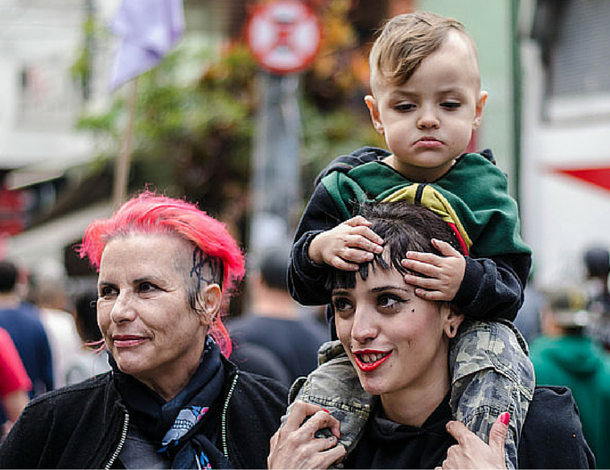
Cette année, notre hommage en ligne met à l’honneur 7 défenseuses des droits humains originaires de différents pays d'Asie du Sud et du Sud-Est. Ces défenseuses ont grandement contribué aux progrès accomplis dans le domaine des droits des peuples autochtones, des droits des femmes et du droit à l'éducation. Ces défenseuses étaient des avocates, des activistes des droits des femmes, des universitaires ou des responsables politiques. Nous vous invitons à vous joindre à nous pour commémorer la vie de ces femmes, leur travail et l’héritage qu’elles nous ont laissé. Faites circuler ces mèmes auprès de vos collègues et amis ainsi que dans vos réseaux et twittez en utilisant les hashtags #WHRDTribute et #16Jours.
S'il vous plaît cliquez sur chaque image ci-dessous pour voir une version plus grande et pour télécharger comme un fichier


Tous nos rapports annuels sont accessibles sur notre site web.

Active dans l’organisation Peacebuild, en passant par l'Alliance canadienne féministe pour l'action internationale, Amnesty International et au Centre canadien de politiques alternatives (CCPA), Kate était une passionnée des droits des femmes et de l'égalité de genre qui a consacré sa carrière à lutter contre les inégalités et à faire du monde un lieu plus empathique.
Kate a été membre du comité de coordination de Social Watch et a contribué aux rapports nationaux canadiens de Social Watch. En tant que chercheuse principale du CCPA, Kate a été saluée dans son pays pour ses travaux de recherche, ses écrits et la production du rapport annuel intitulé « Les meilleures et les pires endroits du Canada où vivre en tant que femme ».
Entourée de sa famille, Kate est décédée paisiblement après trois ans de lutte contre le cancer du côlon. Ses proches la décrivent comme une « féministe drôle, sans peur et sans complexes ».

На данный момент опрос в KOBO доступен на арабском, английском, французском, португальском, русском и испанском языках. В начале опроса у вас будет возможность выбрать нужный вам язык.
Avant d’aborder la méthodologie de recherche WITM, il est important que vous connaissiez les données de base et que vous sachiez à quoi vous attendre.
En ce qui concerne la méthodologie de recherche WITM de l’AWID, nous recommandons d’étudier toute la boîte à outils.
Bien que cette boîte à outils ait été conçue pour démocratiser la recherche WITM, il existe des contraintes en termes de capacités liées à l’expérience de votre organisation dans le domaine des ressources et de la recherche qui pourraient influencer son aptitude à utiliser cette méthodologie.
Utilisez la Fiche de travail « Êtes-vous prêts-tes ? » pour évaluer votre niveau de préparation à mener votre propre recherche WITM. Plus vos réponses aux questions de cette fiche de travail seront nombreuses, plus vous serez capable d’entreprendre votre recherche.
Avant de commencer toute recherche, nous vous recommandons de procéder à l’évaluation des liens que votre organisation a établis avec votre communauté et de la confiance qu’elle inspire.
Dans de nombreux contextes, les organisations pourraient hésiter à partager ouvertement leurs données financières avec d’autres pour des raisons diverses allant des inquiétudes que suscite la façon dont les données seront utilisées, à la crainte de la concurrence pour le financement en passant par les préoccupations au sujet des restrictions gouvernementales croissantes imposées aux organisations de la société civile.
Lorsque vous établirez des relations et que vous mènerez des recherches informelles pendant la période précédant le lancement de votre initiative, la clarté des objectifs fixés contribuera à instaurer la confiance. La transparence permettra aux personnes qui participent à la recherche de comprendre pourquoi vous recueillez des données et en quoi cela profitera à l’ensemble de la communauté.
Nous vous recommandons vivement de faire en sorte que les données soient recueillies de manière confidentielle et partagées anonymement. Cela permettra aux personnes qui participent à votre recherche de partager plus facilement avec vous des informations sensibles.
Nous vous invitons à consulter notre Fiche de travail « Êtes-vous prêts-tes ? » pour mesurer vos propres progrès.
We invite you to explore the Priority Areas and Stay Informed sections of our website, or use the search function to find information about the specific topics you are researching.
We particularly recommend that you explore our toolkit “Where is the Money for Women’s Rights” (WITM Toolkit). This is a Do-it-Yourself Research methodology to support individuals and organizations who want to conduct their own research on funding trends for a particular region, issue or population by adapting AWID’s research methodology.

Nous Sommes la Solution es un movimiento de mujeres rurales por la soberanía alimentaria en África Occidental. Originalmente fundada como una campaña contra la agricultura hiper-industrializada, Nous Sommes la Solution se ha convertido en un movimiento de más de 500 asociaciones de mujeres rurales de Burkina Faso, Senegal, Ghana, Gambia, Guinea Bissau, Malí y Guinea.
Este movimiento liderado por mujeres está construyendo y fortaleciendo la soberanía alimentaria y de semillas en África Occidental. Alimentan a las comunidades, fortalecen las economías locales, amplían el conocimiento de las mujeres agricultoras y mitigan los efectos devastadores de la crisis climática a través de las prácticas agroecológicas. También organizan talleres, foros y transmisiones de radio comunitarias para compartir sus mensajes, conocimientos tradicionales y prácticas agroecológicas en las comunidades rurales.
En colaboración con universidades y centros públicos de investigación, Nous Sommes la Solution trabaja para restaurar las variedades indígenas de arroz (un alimento esencial de África Occidental) y promover economías alimentarias locales basadas en principios agroecológicos para influir en la formulación de políticas nacionales, mientras apoya a las mujeres en la creación de asociaciones agrícolas y su acceso a la propiedad y gestión colectiva de las tierras agrícolas.
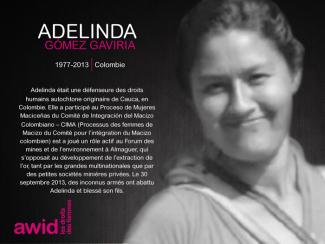
An expert on social development and anthropologist by training, Mary was best known as a pioneer in the battle against Female Genital Mutilation (FGM).
Born in Cairo Egypt in 1922, Mary’s work in development started early, as she joined the Youth Women’s Christians’ Association (YWCA). Mary was a member of the World Council of Churches and became increasingly concerned with issues regarding women’s health. Her long struggle against FGM proved fruitful in 2008, when Egypt finally criminalized the practice.
She is remembered as a mentor to many Egyptian feminists and activists.

Tendo em conta que o inquérito WITM foca-se nas realidades do financiamento de organizações feministas, a maioria das perguntas aborda o tópico do financiamento do seu grupo entre 2021-2023. Será preciso ter essas informações facilmente acessíveis para preencher o inquérito (por exemplo, os seus orçamentos anuais e as principais fontes de financiamento).
Cette section vous guidera pour vous permettre d’obtenir des résultats de recherche représentatifs et fiables.
Dans cette section :
- Recueillez vos données
1. Avant le lancement
2. Lancement
3. Pendant le lancement- Préparez vos données en vue de l’analyse
1. Nettoyez vos données
2. Codifiez les réponses aux questions ouvertes
3. Supprimez les données inutiles
4. Assurez la sécurité- Créez votre rapport de synthèse
- Analysez vos données
1. Programmes statistiques
2. Éléments d’analyse suggérés
Si vous prévoyez de recueillir des données issues des demandes soumises aux institutions d’octroi de subventions, ce moment est opportun pour communiquer avec elles.
Lorsque vous recueillez ces données, réfléchissez aux types de demandes de subventions que vous souhaitez examiner. Votre cadre de recherche vous orientera sur cette question.
De plus, il n’est peut-être pas nécessaire de revoir chaque demande soumise à l’organisation. Il sera plus utile et efficace de ne passer en revue que les demandes admissibles (qu’elles aient ou non été financées).
Par ailleurs, vous pouvez aussi demander aux institutions d’octroi de subventions de partager leurs données avec vous.
Voir un modèle de lettre à envoyer aux institutions d’octroi de subventions
Votre sondage est terminée et vous avez une mine de renseignements ! Vous devez maintenant faire en sorte que vos données soient les plus exactes possibles.
Selon la taille de votre échantillon et la quantité de sondages remplis, cette étape peut être longue. Ce processus sera accéléré et gagnera en précision si vous disposez d’une bonne réserve de personnel qui a le souci du détail.
Vous aurez peut-être recueilli, en plus de vos sondages, des données issues des demandes soumises aux institutions d’octroi de subventions. Utilisez les mêmes étapes pour traiter ces données. Ne vous découragez pas si vous ne pouvez comparer les deux ensembles de données ! Les bailleurs de fonds recueillent des renseignements différents de ceux que vous aurez obtenus de vos sondages. Dans le rapport final et les produits de votre recherche, vous pouvez analyser et présenter les ensembles de données de manière distincte (données issues des sondages et des institutions d’octroi de subventions).
Il existe deux types de questions ouvertes qui exigent une codification.
Questions appelant des réponses ouvertes
Pour ces questions, vous devrez codifier les réponses afin de cerner les tendances.
Vous aurez à affronter les difficultés suivantes :
Si vous avez recours à plus d’une personne pour examiner et codifier, vous devrez vous assurer que la codification est systématique. Voilà pourquoi nous recommandons de limiter les questions ouvertes et d’être le plus précis possible si vous posez ce type de questions.
Par exemple, si vous posez cette question ouverte : « Quelles difficultés spécifiques avez-vous rencontrées cette année en matière de levée de fonds ? ».
Les réponses pourraient être : « le manque de ressources humaines » ou « pas assez de personnel ». Ces réponses peuvent être regroupées et codifiées sous une même catégories « manque de personnel ». Ceci vous permettra d’obtenir le nombre de personnes qui ont répondu de manière semblable.
Questions appelant des réponses fermées
Si vous avez proposé aux personnes répondantes de préciser leurs réponses, vous devrez procéder au « surcodage » de ces réponses.
Pour certaines questions du sondage, vous aurez peut-être proposé l’option « autre ». Lorsque cette option est offerte, on l’accompagne fréquemment d’une zone de texte où les personnes peuvent préciser leurs réponses.
Différentes méthodes de « surcodage » :
Analysez la fréquence des résultats
Pour chaque question quantitative, vous pouvez décider de retirer les 5 % ou les 1 % les plus élevés et les moins élevés afin d’éviter que des données aberrantes* ne biaisent vos résultats. Vous pouvez aussi traiter l’effet de biais en employant une moyenne médiane plutôt qu’une moyenne arithmétique. Pour calculer la médiane, il faut d’abord ordonner les données (les trier dans l’ordre ascendant). La médiane est le nombre qui se situe au point milieu. Cependant, il faut garder à l’esprit qu’il est possible que vous estimiez que les données aberrantes soient utiles. Elles vous donneront une idée de la gamme et de la diversité des personnes participant au sondage et vous choisirez peut-être de réaliser une étude de cas qui porte sur ces données aberrantes.
* Une donnée aberrante est un point de données qui est beaucoup plus grand ou beaucoup plus petit que la majorité des points de données. Par exemple, imaginons que vous viviez dans un quartier de classe moyenne avec pour voisin un millionnaire. Vous décidez de connaître l’échelle de revenu chez les familles de classe moyenne de votre quartier. Pour ce faire, vous devez retirer le revenu du millionnaire de votre ensemble de données, puisqu’il s’agit d’une donnée aberrante. Sinon, la moyenne du revenu de classe moyenne semblera beaucoup plus élevée qu’elle ne l’est en réalité.
Retirez tout le sondage concernant les répondant-e-s qui ne correspondent pas à votre population cible. Habituellement, vous les reconnaîtrez par le nom de l’organisation ou encore par leurs réponses aux questions qualitatives.
Pour assurer la confidentialité de l’information partagée par les répondant-e-s, vous pouvez à cette étape remplacer les noms des organisations par une nouvelle série de numéros d’identité et sauvegarder la codification, conservant les noms et les numéros d’identification dans un dossier distinct.
En collaboration avec votre équipe, déterminez la manière de stocker et de protéger le dossier de codification et les données.
Par exemple, les données seront-elles stockées dans un ordinateur ou un serveur protégé par mot de passe, auquel seule l’équipe de recherche aurait accès ?
Un rapport de synthèse dresse la liste de toutes les questions posées lors du sondage ainsi que les réponses obtenues en pourcentages inscrits sous chaque question. Ce document présente les résultats collectifs de toutes les réponses individuelles.
Conseils :
- Il est important d’être systématique : on doit appliquer les mêmes règles à chaque donnée aberrante lorsque l’on détermine si elle devrait demeurer ou être retirée de l’ensemble des données.
- Pour toutes les réponses ouvertes (« autre ») qui sont « surcodées », assurez-vous que la codification est en adéquation. Désignez une personne afin qu’elle vérifie la cohérence et la fiabilité des codes de façon aléatoire et qu’elle révise les codes si nécessaire.
- Si possible, tentez de toujours travailler en équipe de deux personnes afin que quelqu’un puisse vérifier le travail.
Maintenant que vos données sont nettoyées et triées, que veulent dire toutes ces informations ? Voici la partie la plus stimulante, où vous commencez à analyser pour dégager les tendances.
Est-ce qu’il existe des types de bailleurs de fonds particulièrement importants (gouvernement par rapport aux sociétés privées) ? Est-ce qu’il y a des régions qui reçoivent plus de financements ? Vos données révéleront des renseignements fort intéressants.
Échantillons plus petits (moins de 150 réponses) : peuvent être analysés en interne à l’aide d’une feuille de calcul Excel.
Échantillons plus grands (plus de 150 réponses) : peuvent être analysés en interne à l’aide d’Excel, si votre analyse se résume à compter l’ensemble des réponses, des moyennes ou d’autres analyses simples.
Si vous prévoyez des analyses plus poussées, comme des analyses à variables multiples, nous recommandons alors d’avoir recours à un logiciel statistique comme - SPSS, Stata, R (gratuit)
REMARQUE: SPSS et Stata sont dispendieux alors que R est gratuit.
Ces trois types de logiciels exigent des connaissances de la part du personnel et il n’est pas facile de les maîtriser rapidement.
Essayez de trouver des stagiaires ou du personnel temporaire, provenant notamment des universités locales. De nombreux étudiant-e-s doivent apprendre l’analyse statistique au cours de leurs programmes et ils-elles pourraient avoir un accès gratuit aux logiciels SPSS ou Stata par l’intermédiaire de l’université. Ces étudiant-e-s sauront probablement utiliser le logiciel R, qui peut être téléchargé et utilisé gratuitement.

• 2 - 3 mois
• 1 personne (ou plus) chargée de la recherche
• Traducteur(s)-trice(s), si vous voulez traduire votre sondage
• 1 personne (ou plus) pour diffuser le sondage auprès des populations choisies
• 1 personne (ou plus) chargée de l'analyse des données
• Liste d’organisations, de donateurs et d’activistes agissant à titre consultatif
• Un prix de récompense pour encourager les gens à répondre à votre sondage (optionnel)
• Une marque de reconnaissance pour vos conseillers-ères (optionnel)
• Survey Monkey
• Survey Gizmo (en anglais)
• Exemple : Enquête mondiale WITM
• Exemple de lettre aux bailleurs de fonds demandant accès aux bases de données
• Tutoriel : Simple introduction au nettoyage des données (en anglais)
• Outils de visualisation (en anglais)
Segundo Diálogo de Alto Nivel sobre la Financiación para el Desarrollo
Las naciones ‘en desarrollo’ exhortaron a que se tuvieran en cuenta los desafíos globales así como las necesidades y posibilidades locales en la interacción con diferentes grupos (mujeres, jóvenes, personas con discapacidad, etc.) para abordar las temáticas identificadas en el Consenso de Monterrey.
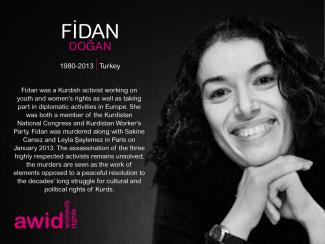
Mridula fue una firme promotora de la salud de las mujeres en una época en la que el tema de la salud sexual y reproductiva de las mujeres se consideraba tabú en Fiji.
Mridula orientó los primeros trabajos del movimiento por los derechos de las mujeres en Fiji sobre derechos sexuales y reproductivos y, en septiembre de 1999, el Fondo de Población de las Naciones Unidas le otorgó un premio regional sobre salud y derechos reproductivos. Fue una activista férrea, comprometida e incansable y apasionada por la salud y el empoderamiento de las mujeres.
Fue una valiosa integrante del movimiento de mujeres y del movimiento feminista de Fiji y sus aportes se recordarán por siempre. Falleció en 2017 por causas naturales.

أكيد. سيتم محي اجوبتك بعد عملية معالجة المعطيات وتحليلها وسيتم استعمالها لأهداف بحثية فقط. لن تتم أبداً مشاركة المعطيات خارج AWID وسيتم معالجتها فقط عن طريق طاقم AWID والمستشارات/ين اللواتي/ اللذين يعملن/وا في مشروع "أين المال" معنا. خصوصيتكم/ن وسرّيتكم/ن هي في أعلى سلم أولوياتنا. سياسة الخصوصية متواجدة هنا.
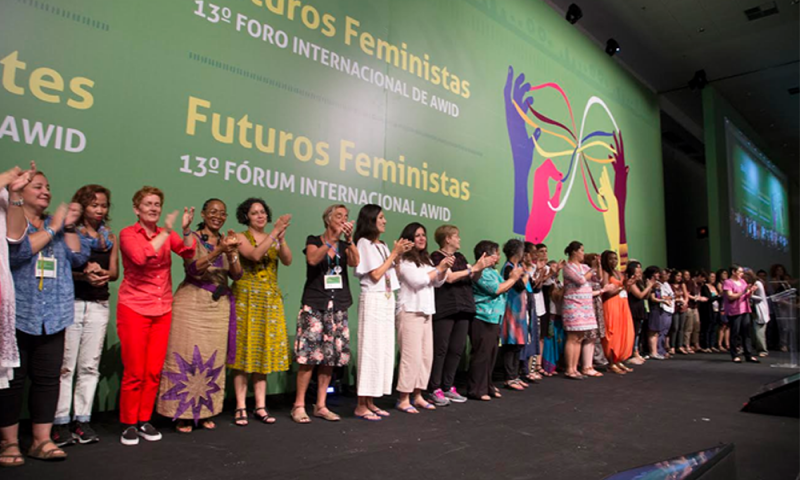
Thank you to all of you who have joined us, physically or virtually, for the past four days of learning, celebrating, envisioning, dreaming and building our Feminist Futures together at the 2016 AWID Forum!
We are incredibly inspired, amazed, and re-energized by all the collective work we have done together in creating our diverse futures.
Le cinquième Dialogue de haut niveau sur le financement du développement, organisé les 7 et 8 décembre 2011, a marqué le début des discussions relatives au programme de développement de l’après-2015 et aux liens entre ce programme et le financement du développement. La conférence a accordé une attention particulière à la question de l’accroissement de l’aide au financement des OMD. Dans ses observations finales, le Secrétaire général a appelé les membres à commencer à réfléchir sur le cadre de développement de l’après-2015.