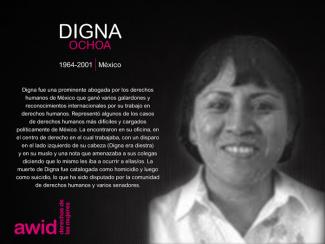
Digna Ochoa
Esta sección de análisis especial ofrece un análisis feminista crítico y acceso a los recursos clave relacionados con la «protección de la familia» en los espacios internacionales de derechos humanos.
Durante los últimos años, venimos observando una nueva y preocupante tendencia en el ámbito internacional de derechos humanos, donde se están empleando discursos sobre la «protección de la familia» para defender violaciones cometidas contra miembros de la familia, de modo de reforzar y justificar la impunidad y para coartar la igualdad de derechos en el seno de la familia y la vida familiar.
La campaña para «proteger a la familia» es impulsada por proyectos conservadores que tienen como fin imponer interpretaciones «tradicionales» y patriarcales de familia; quitando los derechos de las manos de sus miembros para ponerlos en las de la institución «familia».
Desde 2014 un grupo de estados opera como bloque en espacios de derechos humanos, bajo el nombre «Group of Friends of the Family» [Grupo de amigos de la familia], y a partir de entonces se han aprobado resoluciones sobre la «Protección de la familia» todos los años.
Esta agenda se ha extendido más allá del Consejo de Derechos Humanos (HRC, por sus siglas en inglés). Hemos visto cómo el lenguaje regresivo sobre «la familia» se ha introducido en la Comisión de la Condición Jurídica y Social de las Mujeres (CSW, por sus siglas en inglés), y hemos asistido a intentos por incluir este lenguaje en las negociaciones sobre los Objetivos de Desarrollo Sostenible.
AWID trabaja con asociadxs y aliadxs para resistir conjuntamente las agendas regresivas de «Protección de la familia» y otras, y para defender la universalidad de los derechos humanos.
En respuesta a la creciente influencia de actores regresivos en los espacios de derechos humanos, AWID se ha unido con aliadxs para formar el Observatorio de la Universalidad de los Derechos (OURs, por sus siglas en inglés). OURs es un proyecto colaborativo que monitorea, analiza y comparte información sobre iniciativas anti-derechos tales como la «Protección de la familia».
Derechos en Riesgo, el primer informe de OURs, traza un mapa de los actores que conforman el cabildeo global anti-derechos e identifica sus discursos y estrategias principales, señalando los efectos que estos discursos y estrategias están teniendo sobre nuestros derechos humanos.
El informe expone a la «Protección de la familia» como una agenda que ha promovido la colaboración entre una amplia gama de actores regresivos en las Naciones Unidas. La describe como un marco estratégico que aloja «múltiples posiciones patriarcales y anti-derechos, cuyo marco, a su vez, apunta a justificar e institucionalizar estas posiciones».

Para dar ênfase à complexidade do financiamento de várias formas de organização feminista;
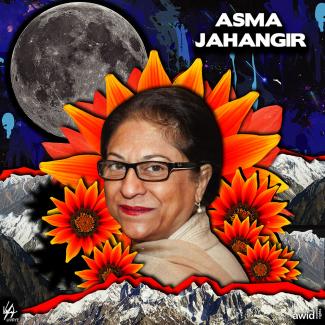
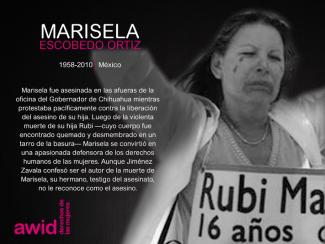
Asma fue una destacada activista pakistaní por los derechos humanos, valiente crítica de la interferencia de los militares en la política, y firme defensora del estado de derecho.
Fue la fundadora y presidenta de la Human Rights Commission of Pakistan [Comisión de Derechos Humanos de Pakistán, un grupo independiente], y una de las administradoras del International Crisis Group. Obtuvo premios internacionales, y fue Relatora Especial de Naciones Unidas sobre derechos humanos y ejecuciones extrajudiciales.
Es recordada con afecto por sus colegas y amigxs de AWID
«Con su vida, Asma reescribió la historia que a muchas nos contaron, como mujeres. Asma cambió el mundo. Lo cambió en Pakistán, y lo cambió en nuestras imaginaciones.»
Anti-rights actors have had a substantive impact on our human rights framework and the progressive interpretation of human rights standards, especially rights related to gender and sexuality.
When it comes to the impact of conservative actors in international policy spaces, the overall picture today is of stasis and regressions.
We have witnessed the watering down of existing agreements and commitment; deadlock in negotiations; sustained undermining of UN agencies, treaty review bodies and Special Procedures; and success in pushing through regressive language in international human rights documents.
The CSW, held annually in March, has long been one of the most contested sites in the UN system. In March 2015, conservative efforts set the tone before events or negotiations even began; the outcome document of the Commission was a weak Declaration negotiated before any women’s rights activists even arrived on the ground.
At 2016’s CSW, the new Youth Caucus was infiltrated by large numbers of vocal anti-abortion and anti-SRHR actors, who shouted down progressive youth organizations. Again, intensive negotiations resulted in a lacklustre text, which included regressive language on ‘the family.’
Precisely when addressing women’s human rights is of urgent importance, the CSW has been rendered a depoliticized and weakened space. Using it to advance rights has become harder and harder since progressives’ energy is taken up trying to hold the ground against conservative backlash.
As the intergovernmental body responsible for the promotion and protection of human rights around the globe, the HRC is a key entry point for conservative actors. In recent years, this mechanism has been the scene for a number of damaging anti-human rights moves.
In conversation with other anti-rights actors, one strategy of conservative states, and blocs of states, is to aggressively negotiate out positive language and to introduce hostile amendments to resolutions, most often resolutions focusing on rights related to gender and sexuality.
To take one example, during the June 2016 session of the HRC, opposition was mounted towards a resolution on discrimination against women by the member states of the Organization of Islamic Cooperation (OIC) and allies. During contentious negotiations, multiple provisions were removed, including women’s and girls’ right to have control over their sexuality, sexual and reproductive health, and reproductive rights; and the need to repeal laws which perpetuate the patriarchal oppression of women and girls in families, and those criminalizing adultery or pardoning marital rape.
The HRC has also been the site of pernicious conservative initiatives to co-opt human rights norms and enact conservative “human rights” language, such as that of the Russia-led “traditional values” resolutions, and more recently the “Protection of the Family” agenda.
In 2015, moving their sights to another front, a number of religious right organizations began to target the Human Rights Committee, the treaty monitoring body for the International Covenant on Civil and Political Rights (ICCPR), a pivotal human rights instrument.
Anti-human rights groups mobilized in hopes of cementing their anti-abortion rhetoric into the treaty.
When the Committee announced it was drafting a new authoritative interpretation of the right to life, over 30 conservative non-state actors sent in written submissions, advocating their misleading discourse on ‘right to life’ - that life begins at conception and that abortion is a violation of the right - be incorporated in the Committee’s interpretation of article 6.
Conservative groups targeting the Human Rights Committee was a shift considering that historically anti-human rights actors have repeatedly attempted to undermine and invalidate the essential work of the treaty monitoring bodies, including the Human Rights Committee.

Anti-human rights actors were involved in lobbying towards the development of the new Sustainable Development Goals (SDGs) in 2015, focusing again on rights relating to gender and sexuality. These efforts had limited traction in their attempts to embed regressive language in Agenda 2030.
However, after successfully pushing back against progressive language in the final text, conservative actors then pivoted to another strategy. In an attempt to evade state accountability and undermine the universality of rights, several states have repeatedly made reservations to the Goals.
On behalf of the African Group, Senegal claimed that African states would only “implement the goals in line with the cultural and religious values of its countries.”
The Holy See also made a number of reservations, stating it was “confident that the related pledge ‘no one will be left behind’ would be read” as meaning “the right to life of the person, from conception until natural death.”
Saudi Arabia went one step further, declaring that the country would not follow any international rules relating to the SDGs that reference sexual orientation or gender identity, describing them as running “counter to Islamic law.”
Anti-rights actors have made increasing headway at the UN General Assembly (GA). Most recently, during the 71st session in 2016, the GA was the scene of feverish anti-rights organizing in opposition to the new mandate created by the Human Rights Council resolution on sexual orientation and gender identity in June 2016: the Independent Expert on SOGI. Four separate attempts were made to undercut the mandate in GA spaces.
One approach was to introduce a hostile resolution at the Third Committee[1], led by the African Group, which in essence aimed to indefinitely defer the new mandate. While this approach was not successful, such an attempt in the GA to retroactively block the creation of a mandate brought forward by the Human Rights Council represented a new and troubling tactic - anti-right actors are now working to directly undermine the HRC’s authority respective to the General Assembly.
Another approach targeted the Fifth Committee (responsible for administration and budgetary matters) as an entry point to attack the mandate. In an unprecedented move a number of States attempted (again, unsuccessfully) to block the funding of UN human rights experts, including the new IE on SOGI[2],.
While these multiple efforts were unsuccessful in blocking the creation and continuation of the new mandate, the significant support they received, the novel strategizing employed, and the strong alliances built along regional lines through negotiations point to difficulties ahead.
[1] The Third Committee of the GA deals with agenda items relating to a range of social, humanitarian affairs, and human rights issues. Each year it discusses and issues resolutions on issues including the advancement of women, the protection of children, family, and youth.
[2] While UN Special Procedures experts (i.e. Special Rapporteurs, Working Group members and Independent Experts) work pro bono, some funds are generally allocated to facilitate country visits on the invitation of the national government, and support staff.
La Coopérative Textile Nadia Echazú porte le nom d'une pionnière dans la lutte pour les droits des personnes trans en Argentine. À bien des égards, le travail de la coopérative célèbre la vie et l'héritage de Nadia Echazú, qui a eu une carrière militante remarquable.
La Coopérative Textile Nadia Echazú porte le nom d'une pionnière dans la lutte pour les droits des personnes trans en Argentine. À bien des égards, le travail de la coopérative célèbre la vie et l'héritage de Nadia Echazú, qui a eu une carrière militante remarquable.
Peu de temps après sa mort, ses collègues militantes ont fondé la coopérative en son nom, pour honorer la marque profonde qu'elle a laissée sur l'activisme trans et travesti en Argentine.
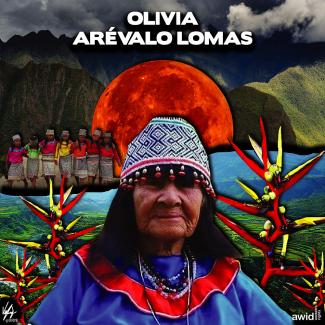
Olivia était la cheffe spirituelle des peuples autochtones Shipibo Konibo.
Sage femme et grand-mère autochtone, elle était connue pour sa préservation de la médecine traditionnelle et des chants sacrés de son peuple (les íkaros). Olivia Arévalo était une défenseure engagée en faveur des droits culturels et environnementaux de son peuple. L’assassinat d’Olivia s’est produit dans un contexte de conflit territorial entre la communauté Shipibo et les entreprises qui souhaitent s’accaparer leurs terres pour cultiver de l’huile de palme.
Les membres de sa communauté ont déclaré: « Sa mort est une agression contre toute la communauté Shipibo. Elle était la mémoire vivante de son peuple ».
Compilación de noticias sobre la organización y/o el trabajo de AWID
Notas de prensa, dosieres y kits
The main focus of our work is global. We also work closely with members and other women’s rights organizations and allies at the local, national and regional levels so that their realities inform our work.
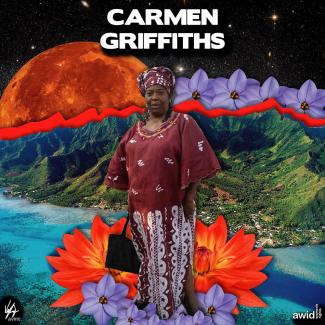
Carmen was the Head of the Construction Resource and Development Collective (CRDC) and was instrumental in supporting women’s involvement in the construction industry in Jamaica.
She also worked on issues of disaster preparedness for rural and urban women. She worked closely with women (especially single mothers) teaching them how to use hurricane straps and other technology to secure their homes. She worked in the area of water and sanitation and was a strong advocate for sustainable environmental management and development.
She was a part of the Huairou Commission and advocated for grassroots women on such issues as shelter, energy, and sustainable livelihoods.
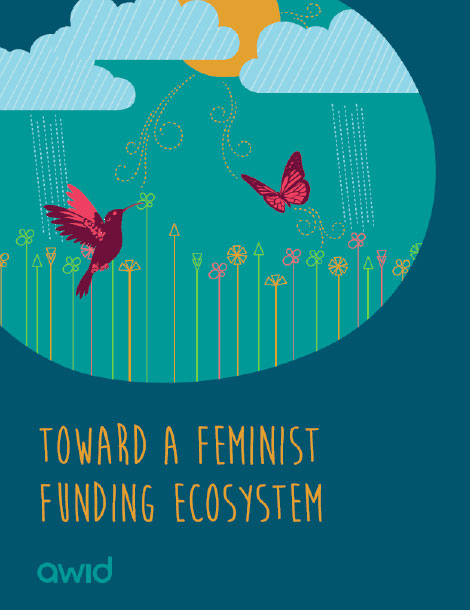
Click on the image to open the PDF
 |
Where we are now |
Where we want to be |
Current funding by sector |
 |
 |
 |
| Download & share | Download & share | Download & share |
El Foro Internacional de AWID es una reunión de 2.000 líderes de derechos de las mujeres y activistas de todo el mundo. El Foro AWID es el evento recurrente más grande de su tipo, y cada Foro tiene lugar en un país diferente en el Sur global.
El Foro Internacional de AWID es un evento de la comunidad global y, al mismo tiempo, un espacio para una transformación personal radical. Es un encuentro único: el Foro reúne a los movimientos feministas, por los derechos de las mujeres, por la justicia de género, LBTQI+ y aliados, en toda nuestra diversidad y humanidad, para conectarnos, sanar y florecer.
Únete a nosotrxs en Bangkok, Tailandia, y de manera virtual, en diciembre de 2024.
Нет, мы просим только один заполненный опрос от каждой группы.