Genvieve Sidaros
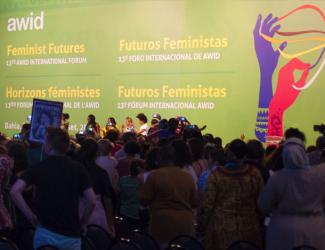
En septiembre de 2016, 1800 feministas y activistas por los derechos de las mujeres de todos los rincones de nuestros movimientos se congregaron en las costas de Bahia, en el 13º Foro Internacional de AWID.
En esta sección se destacan los logros, los aprendizajes y los recursos que surgieron de las ricas conversaciones mantenidas. Te invitamos a analizar, compartir y comentar.
Uno de los aportes más importantes del Foro fue la necesidad de ampliar y profundizar nuestro trabajo entre movimientos, frente a la confluencia de los fascismos en auge, fundamentalismos, codicia corporativa y cambio climático.
Nuestras Iniciativas Semilla han ayudado a 20 ideas que surgieron en el Foro para crecer en forma de acciones concretas
El vídeo «Defendiendo a las Personas y al Planeta» y la guía «Tejiendo la resistencia a través de la acción» estan protagonizados por defensoras de derechos humanos y presentan estrategias concretas para confrontar al poder corporativo
Con nuestras animaciones El estado de nuestros movimientos feministas y Justicia climática y ambiental, los movimientos ahora tienen herramientas creativas para apoyar su trabajo.
La compilación de las expresiones artísticas «Los Movimientos Importan», sigue inspirando una organización más fuerte y creativa en todo el mundo.
Los movimientos también pueden beneficiarse de nuevas metodologías para imaginar nuestros futuros feministas (¡pronto!)
AWID se ha comprometido, mediante su próximo plan estratégico y su proceso del Foro, a continuar y profundizar las relaciones, las lecciones y los procesos iniciados en el Foro 2016 y basándonos en el momento actual.
Los Foros de AWID comenzaron en 1983 en Washington DC. Desde entonces, el evento ha crecido hasta convertirse en muchas cosas para muchas personas: un proceso iterativo para darle forma a nuestros análisis, objetivos y acciones; un hito crucial que fortalece los feminismos de lxs participantes e infunde energías a sus procesos de organización; un hogar político donde lxs defensoras de derechos humanos encuentran un santuario y solidaridad.
Tandis que les dirigeant·es du monde entier se réunissent au Brésil, les mouvements féministes manifestent, se rassemblent et bouleversent le statu quo à la COP30 et partout ailleurs ! Nous voilà en route vers Belém au Brésil, aux côtés d’autres féministes, pour assister à la COP30 du 10 au 21 novembre 2025. Nous continuerons d’y dénoncer les fausses solutions.
El Foro Internacional de AWID es un verdadero espacio de encuentro mundial que brinda, a quienes participan, la oportunidad de tejer redes, alianzas, de celebrar y aprender en una atmósfera estimulante, emotiva y segura.
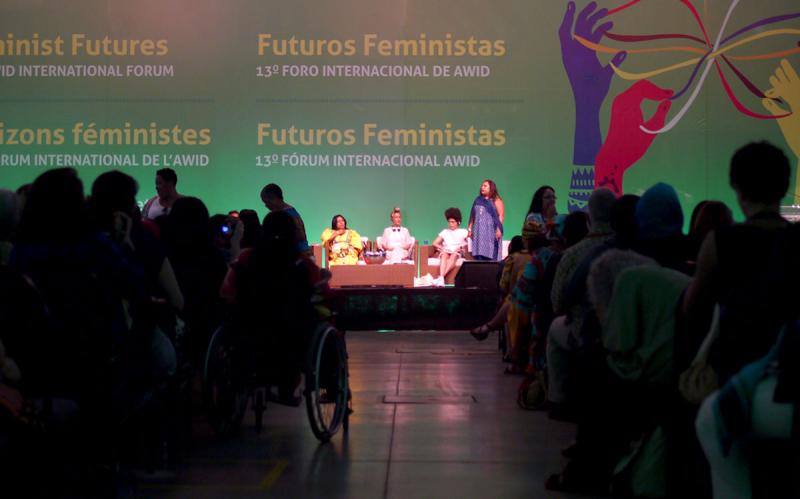
Como proceso, el Foro abarca mucho más que el momento en que nos reunimos. Durante todo el año estamos trabajando con organizaciones y grupos, profundizando nuestras relaciones con ellas, vinculándonos con movimientos locales para entender mejor sus problemas y crear soluciones juntxs.
Como evento, el Foro tiene lugar cada tres o cuatro años en una región diferente del mundo y cristaliza todas las alianzas que hemos venido construyendo como parte de nuestro trabajo.
El Foro de AWID disuelve nuestros límites internos y externos, alberga discusiones en profundidad, colabora con el crecimiento personal y profesional, y fortalece a los movimientos por los derechos de las mujeres y la justicia de género.
El Foro responde a la urgencia de promover una participación y acción más sólidas y coordinadas por parte de lxs feministas, defensorxs de los derechos de las mujeres y de la justicia social, sus organizaciones y movimientos. También creemos que el Foro es más que un evento, ya que puede facilitar procesos que influyen en las ideas y las agendas de los movimientos feministas y de otros actores con quienes nos vinculamos.
El Foro pasó de ser una conferencia nacional con 800 participantes a un encuentro que reúne alrededor de 2000 feministas, líderes comunitarixs, activistas por la justicia social y agencias de financiamiento de todo el mundo.
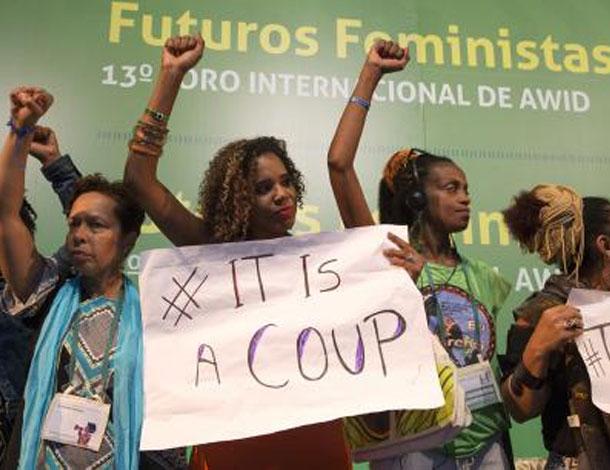
Dado el complejo mundo que enfrentamos hoy, el Foro de AWID 2016 no se centró en un ‘tema’ en particular, sino en la creación de formas más efectivas de trabajar juntxs.
Pese a las dificultades del contexto en el que se celebró este Foro (la epidemia del virus del Zika, una huelga de lxs trabajadorxs del servicio exterior brasileño, el juicio político a la presidenta Dilma Rousseff y la crisis que le siguió), se logró congregar a más de 1800 participantes de 120 países y territorios de todas las regiones del mundo.
Para el 96% de lxs participantes que respondieron a la encuesta de evaluación posterior al Foro, el evento fue una importante fuente de inspiración y energía.
El 98% de lxs participantes lo consideraron un importante espacio de convocatoria para los movimientos feministas, y manifestaron su esperanza de que AWID continúe organizado estos foros.
El 59% de quienes respondieron a la encuesta de evaluación del Foro declaró estar muy satisfechx con el Foro y el 34% algo satisfechx.
Se realizaron más de 150 sesiones en distintos formatos sobre diversos temas, desde la integridad y la libertad corporal, pasando por la violencia de género en el ámbito laboral, hasta estrategias de construcción de poder colectivo.
El primer Foro de Feminismos Negros, se celebró justo antes del Foro de AWID, y reunió a 250 feministas negrxs de todo el mundo, para crear colectivamente un espacio de poder desde donde construir y fortalecer las conexiones intergeneracionales y transnacionales.
Descargar el informe de evaluación del foro
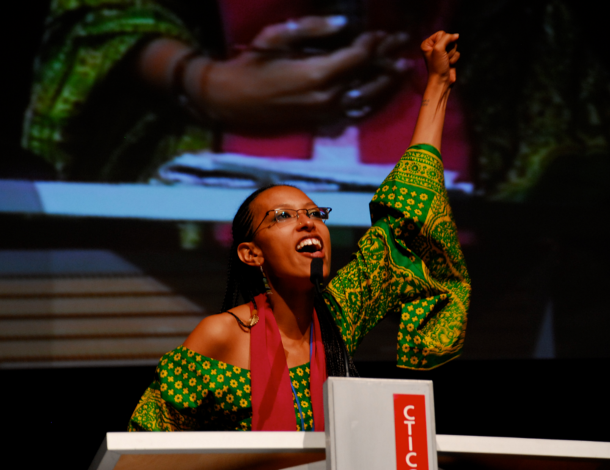
El 12° Foro de AWID se llevó a cabo en el año 2012 en Estambul, Turquía, bajo el título “Transformando el Poder Económico para Avanzar los Derechos de las Mujeres y la Justicia”. El Foro 2012 fue el más grande y diverso que hemos organizado hasta la fecha, con la participación de 2239 activistas por los derechos de las mujeres, de 141 países. El 65% provenía del sur global y casi el 15% eran mujeres jóvenes menores de 30 años, mientras que el 75% de las personas asistían a un Foro de AWID por primera vez.
El programa del Foro se enfocó en la transformación del poder económico para promover los derechos de las mujeres y la justicia. Se ofrecieron más de 170 sesiones de lo más diversas, incluyendo las sesiones de la caja de herramientas económicas feministas para forjar habilidades, sesiones interactivas que representaron los 10 temas del Foro, discusiones en profundidad y las mesas redondas de solidaridad.
Aprovechando el impulso del Foro, hemos transformado la página web en un centro de recursos y aprendizaje que se basa en el contenido generado por las participantes mediante recursos multimedia sobre todos los componentes del Foro.
Visita el archivo web del Foro 2012

“ภารกิจในชีวิตของฉันไม่ใช่แค่การอยู่รอดเท่านั้น แต่ยังต้องเจริญเติบโตอีกด้วย และทำให้เต็มที่ด้วยแรงปรารถนา ด้วยความเห็นอกเห็นใจ ด้วยอารมณ์ขัน และมีสไตล์” - มายา แองเจลู (Maya Angelou)
เวทีการประชุมนานาชาติ AWID เป็นทั้งกิจกรรมชุมชนระดับโลกและพื้นที่ของการเปลี่ยนแปลงของปัจเจก บุคคลอย่างสิ้นเชิง เป็นการประชุมที่ไม่เหมือนใคร คือเป็นที่รวบรวมนักสตรีนิยม นักปกป้องสิทธิสตรี ความยุติธรรมทางเพศ LBTQI+ และพันธมิตรในขบวนการเคลื่อนไหวเพื่อมนุษยชาติอันหลากหลาย เพื่อเชื่อมต่อ เยียวยาและเติบโต เวทีนานาชาตินี้เป็นพื้นที่ที่นักสตรีนิยมจากทั่วทุกมุมโลก รวมถึงจากประเทศในกลุ่มโลกใต้ และชุมชนชายขอบที่ไม่ได้รับการเหลียวแลมาอย่างยาวนาน เป็นศูนย์กลางในการวาง ยุทธศาสตร์ร่วมกัน และเคลื่อนไหวเพื่อความยุติธรรมทางสังคม เพื่อเปลี่ยนอำนาจ สร้างพันธมิตร และ สร้างโลกที่แตกต่างและดีขึ้น
เมื่อผู้คนทั่วโลกมารวมตัวกันทั้งในฐานะปัจเจกบุคคลและองค์กรเคลื่อนไหว เราสามารถสร้างพลังอันยิ่งใหญ่ จึงขอเชิญท่านร่วมกิจกรรมกับเราที่กรุงเทพฯ ประเทศไทยในปี 2567 มาร้องเพลง เต้นรำ วาดฝัน และลุกขึ้นพร้อมกัน
วันที่: 2–5 ธันวาคม 2567
สถานที่: กรุงเทพฯ ประเทศไทย; และทางออนไลน์
ผู้เข้าร่วม: นักสตรีนิยมจากทั่วโลกเข้าร่วมด้วยตนเอง ณ สถานที่จัดงานประมาณ 2,500 คน และเข้าร่วม
ทางออนไลน์ 3,000 คน
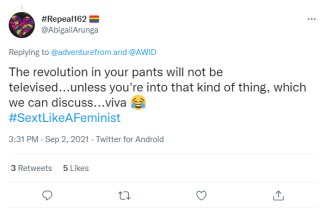
La révolution dans ton froc ne passera pas à la télé… sauf si ce genre de truc t’excite, ce dont on peut parler… en personne [emoji visage avec des larmes de joie].

Es una gran satisfacción para AWID compartir contigo nuestro Informe Anual 2014.
En el año que pasó, nuestro trabajo abarcó desde la construcción de conocimientos en temáticas de derechos humanos de las mujeres hasta la amplificación de las respuestas a la violencia contra las defensoras de derechos humanos, y continuamos fortaleciendo a los movimientos feministas y por los derechos de las mujeres en todo el mundo.
Lee el informe para conocer mejor cómo desarrollamos las capacidades de nuestra membresía y de nuestras bases de apoyo en general, cómo presionamos con fuerza para que los derechos de las mujeres estuvieran en la agenda de los procesos internacionales más importantes de desarrollo y derechos humanos, y cómo ayudamos a incrementar la cobertura de las temáticas y los procesos organizativos por los derechos de las mujeres en distintos medios. En el informe encontrarás una muestra panorámica de nuestros proyectos y algunas cifras concretas que demuestran nuestro impacto.
La colaboración ocupa un lugar central en todo lo que hacemos y esperamos con entusiasmo continuar trabajando juntas el año próximo para llevar a nuestros movimientos al nivel que sigue.
A pesar de un panorama cada vez más problemático, existen importantes señales de esperanza para avanzar en las agendas de los derechos de las mujeres. Las activistas por los derechos de las mujeres continúan siendo vitales para abrir espacios que les permitan reclamar un cambio estructural, sostener a sus comunidades, oponerse a la violencia y mantener las conquistas fundamentales. Existen también oportunidades muy importantes para influir sobre nuevas/os actoras/es y movilizar mayores recursos para apoyar a las organizaciones por los derechos de las mujeres.
Es en este contexto que la acción colectiva firme y los procesos de organización entre activistas por los derechos de las mujeres siguen siendo decisivos.

Estoy sinceramente entusiasmada con los logros conseguidos por AWID desde 1982 y espero poder hacer aunque sea una modesta contribución a su ardua tarea en favor de las mujeres y de la igualdad de género.” — Aleksandra Miletic-Santic, Bosnia y Herzegovina

Partout sur la planète, les défenseur·e·s féministes, des droits des femmes et de la justice de genre remettent en question les programmes des acteurs fascistes et fondamentalistes. Ces forces opprimantes prennent pour cibles les femmes, les personnes non conformes dans leur identité de genre, leur expression et/ou orientation sexuelle, ainsi que d’autres communautés opprimées.
Les idéologies discriminatoires sapent et s’emparent de nos systèmes et normes en termes de droits humains de manière à ce que seuls certains groupes aient l’exclusivité des droits. Face à cela, l’initiative Promotion des droits universels et de la justice (Advancing Universal Rights and Justice, AURJ) s’attache à promouvoir l’universalité des droits - le principe fondamental selon lequel les droits humains sont le bien de chaque être humain, quelle que soit son identité, et ce sans exception.
Nous créons un espace pour permettre aux mouvements et à nos allié·e·s féministes, en faveur des droits humains et de la justice de genre de se reconnaître, d’élaborer des stratégies et de recourir à des actions collectives afin de contrecarrer l’influence et l’impact des acteurs anti-droits. Nous cherchons également à faire avancer les cadres, les normes et les propositions féministes et relatifs aux droits des femmes, ainsi qu’à protéger et promouvoir l’universalité des droits.
Enrichir nos connaissances : Dans le cadre du rôle de premier plan que nous assurons sur la plateforme collaborative, l’Observatoire de l'universalité des droits (Observatory on the Universality of Rights, OURs), l’AWID soutient les mouvements féministes, en faveur des droits des femmes et de la justice de genre en diffusant et vulgarisant des connaissances et des messages clés concernant les acteurs anti-droits, leurs stratégies et leur impact au sein des organismes internationaux de protection des droits humains.
Promouvoir des programmes féministes : Nous faisons des alliances avec des partenaires au sein d’espaces internationaux dédiés aux droits humains, notamment le Conseil des droits de l’homme, la Commission de la population et du développement, la Commission de la condition de la femme et l’Assemblée générale de l’ONU.
Créer et élargir les alternatives : Nous impliquons nos membres afin de garantir que les engagements, les résolutions et les normes à l’échelle internationale sont reflétées et réintroduites dans l’organisation d’autres espaces à l’échelle locale, nationale et régionale.
Mobiliser des actions solidaires : Nous agissons aux côtés de défenseuses des droits humains (women human rights defenders, WHRD), y compris de défenseur·e·s trans et intersexes et de jeunes féministes, et oeuvrons à contester les fondamentalismes et les fascismes tout en attirant l’attention sur les situations à risque.
การเสวนา: ในการเสวนาให้สำรวจปัญหาหรือความท้าทายจากมุมมองที่แตกต่างกัน หรือแบ่งปัน การเรียนรู้หรือประสบการณ์ ตามด้วยคำถามของผู้ฟังหากมีเวลา
รายการทอล์คโชว์: สนทนาแบบเป็นไปเองในรูปแบบรายการทอล์คโชว์ โดยอาจเป็นการสนทนา ร่วมกันหลายคน มีพิธีกรเป็นผู้ดำเนินรายการ คำถามของผู้ฟังสามารถกำหนดทิศทางของการสนทนาได้
การอภิปราย: วงสนทนาอภิปรายอาจอยู่ในรูปแบบเวิร์ลคาเฟ่ วงอ่างปลา (fishbowls) และรูปแบบอื่นๆ ที่เอื้อให้ผู้เข้าร่วมมีส่วนร่วมในการสนทนามากขึ้น
การประชุมเชิงปฏิบัติการ (workshop): เป็นกิจกรรมเชิงโต้ตอบที่เชิญชวนผู้เข้าร่วมสร้างทักษะใหม่ๆในทุกด้านของชีวิตและการเคลื่อนไหวผ่านกิจกรรมและการปฏิบัติ
หัวข้อยุทธศาสตร์: เป็นการเชิญชวนให้คิดผ่านประเด็นหรือยุทธศาสตร์ในเชิงลึกร่วมกับคนอื่น เปิดพื้นที่ สำหรับเรียนรู้กันและกัน สิ่งใดได้ผล ไม่ได้ผล และเราจะพัฒนายุทธศาสตร์ใหม่ๆร่วมกันเพื่อสร้างโลกที่ เราใฝ่ฝันได้อย่างไร
วงแลกเปลี่ยนของคนแนวเดียวกัน: (หรือที่เรียกว่า "Birds of a Feather") เหมาะสำหรับกลุ่มเล็กๆ ในบรรยากาศที่ใกล้ชิดยิ่งขึ้น เพื่อรับฟังความคิดเห็นของกันและกัน จุดประกาย การอภิปราย และ หยิบยกประเด็นหัวข้อที่เฉพาะเจาะจง ละเอียดอ่อน และซับซ้อนอย่างระมัดระวัง
ศิลปะ - การประชุมเชิงปฏิบัติการแบบมีส่วนร่วม: กิจกรรมศิลปะอย่างมีส่วนร่วม และการแสดงออก อย่างสร้างสรรค์ ไม่ว่าจะเป็นทัศนศิลป์ การละคร ภาพยนตร์ จิตรกรรมฝาผนัง การเต้นรำ ดนตรี งานฝีมือ หรือการสร้างงานศิลปะ ฯลฯ เรายินดีรับทุกแนวคิดที่เชิดชูศิลปะ และความคิดสร้างสรรค์แนวสตรีนิยมใน รูปแบบของการเปลี่ยนแปลงทางสังคม การเยียวยา การแสดงออก และการเปลี่ยนแปลง
ศิลปะ - การแสดง ศิลปะจัดวาง และนิทรรศการ: เรายินดีรับผลงานที่นำเสนอประสบการณ์ และมุมมองใหม่ๆแก่ผู้เข้าร่วมประชุมในเวทีนี้เพื่อขยายขอบเขตของเรา สร้างความท้าทายและสร้าง แรงบันดาลใจ ให้เราคิด รู้สึก และจัดการด้วยวิธีใหม่ๆ
การเยียวยาและบำบัด: กิจกรรมหลากหลายที่เหมาะกับกลุ่มและปัจเจกบุคคล ตั้งแต่การเรียนรู้เทคนิค การผ่อนคลาย ไปจนถึงการพูดคุยถึงการป้องกันภาวะหมดไฟ และตั้งแต่การดูแลร่างกาย จิตใจและ จิตวิญญาณ โดยคำนึงถึงบาดแผลทางจิตใจ ไปจนถึงการเยียวยารอยร้าวในขบวนการเคลื่อนไหวของเรา

Lindiwe Rasekoala is a life coach who specializes in intimacy and relationship wellness coaching. She is a sexual health enthusiast and online contributor. Through her own experiences and unconventional methods of research, she believes she can bridge the education gap and lack of access to information around sexual wellness. She is a contributor on various radio and television shows, and has completed her coach training with the Certified Coaches Alliance. Lindiwe’s mission is to break down the barriers to conversations around sexual wellness and to empower her clients to achieve greater understanding of themselves so that they can experience a more healthy and holistic lifestyle and relationships.
Regístrate para ser miembrx de AWID y conectar con más de 9,600 movimientos feministas globales y co-crear una variedad de plataformas y espacios diseñados especialmente para activistas y organizaciones, desde espacios de aprendizaje hasta espacios de solidaridad y encuentros entre miembrxs.
La comunidad de membresía de AWID está disponible como una app. Descarga la app y comienza a conectar con movimientos!
 |
 |
L’AWID a commencé à préparer ce rapport annuel au moment même où la pandémie mondiale commençait à bouleverser nos modes de rassemblement, d’organisation et de vie. Nous ne pouvons donc passer en revue notre travail sans prendre en compte l’influence de la COVID-19 dans notre évaluation.
Téléchargez le rapport annuel 2019 complet (PDF)
Elle est une affirmation urgente de l’existence d’autres façons, plus justes, d’organiser nos vies. En 2019, des centaines de groupes ont partagé avec nous leurs expériences et leurs propositions : des réseaux radicaux de soutien communautaire en Amérique latine, qui facilitent l’avortement autogéré, aux pratiques économiques centrées sur les communautés en Indonésie et aux systèmes alimentaires communautaires en Inde et aux États-Unis, en passant par une réinvention et une nouvelle pratique de rites de passage sans danger en Sierra Leone. Ce sont ces expériences qui traceront la voie d’une « nouvelle norme ».
Pour autant, les historiques d'oppression et de violence peuvent rendre l'imagination des possibles compliquée. Un élément clé de notre travail en 2019 a été d’initier ces pistes via la boîte à outils visant à soutenir les groupes qui cherchent à dénicher des histoires et des aspirations, piliers de propositions féministes.
Au sein de l'Observatoire de l'universalité des droits (OURs), de Feminists for a Bing Treaty (Féministes pour un traité contraignant), de Count Me In ! (Comptez sur moi!) et d’autres alliances, l’AWID n’a pas cessé de contrer le pouvoir débridé des entreprises et les agendas fascistes et fondamentalistes qui mettent à mal les droits des femmes et la justice de genre. Dans un contexte de perspectives sombres pour un changement transformateur par les processus multilatéraux et de capacités limitées à réagir pour la plupart des États, nous redoublons d'efforts pour nous assurer que les mouvements féministes, dans toute leur diversité, soient dotés de ressources adaptées aux rôles majeurs qu'ils jouent – en soutenant leurs communautés, en réclamant des droits et en répondant aux crises. En 2019, nous avons introduit des principes et des approches féministes aux fonds révolutionnaires tels que l'Initiative Spotlight et le Fonds Égalité. Nous avons de plus réussi à mobiliser des ressources via des aides à l’amorçage de réalités féministes, financées par des bailleurs féministes.
À l’heure où nous nous penchons vers l'avenir, le contexte appelle clairement à une transformation de nos stratégies d'organisation :
L’AWID se lance dans un nouveau modèle d'adhésion qui permet un meilleur accès et met l'accent sur les opportunités d'engagement et de connexion entre membres. Nous continuerons d'expérimenter différents outils et processus en ligne pour renforcer notre communauté. Et l'engagement inter-mouvements restera au cœur de notre travail. Nos actions solidaires envers les mouvements et les identités opprimées, même et surtout lorsqu’ils sont marginalisés, sont importantes pour conduire le changement et soutenir des mouvements, inclusifs pour tou·te·s.
Nous sommes résilient·e·s, nous nous adaptons et nous sommes présent·e·s les un·e·s pour les autres. Nous devrons continuer à faire encore mieux. Merci à toutes les personnes qui nous accompagnent dans cette aventure.
لويز ماليرب، مبرمجة أفلام وقيّمة معارض وناقدة أفلام مقيمة في برلين. عملت كمبرمجة أفلام لجمعية متروبوليس للسينما في بيروت. حاليا تنسق لويز مشروع ريل ستريمز الذي يهدف إلى دعم نشر السينما المستقلة في المنطقة العربية. هي رئيسة قسم البرمجة لمهرجان صورة السينمائي، وهو مهرجان أفلام كويرية يركز على منطقة جنوب غرب آسيا وشمال أفريقيا. تكتب لويز النقد السينمائيين لـ مانيفستو XXI، وقد بدأت مؤخرًا تنظيم الأفلام والمهرجانات لسينما عقيل.
Organizado por la Alianza para los Movimientos Feministas con AWID, Prospera y el Consorcio Walking the Talk.
🎧 Habrá interpretación disponible con Wordly. ¡No olvides traer tus auriculares!
🏢
Resourcing Hub (Sala de exposiciones).
Sesión 1: Financiar la solidaridad en tiempos de transición
📅 Martes, 28 de abril | 3:30 - 4:30 pm
Sesión 2: Financiamiento autónomo: Cómo los movimientos feministas se sostienen a sí mismos
📅 Miércoles, 29 de abril | 9:30 - 11:00 am
Sesión 3: Financiando futuros feministas: Un programa de conversación sobre lo que sigue para el financiamiento de los movimientos
📅 Jueves, 30 de abril | 10:30 - 11:30 am
La montée de la droite dans nombre de pays et le déluge de coupes dans les financements frappent durement la société civile de la Majorité mondiale ; le génocide en cours à Gaza, l’intensification des conflits violents au Soudan, la crise climatique à de nombreux endroits de notre planète : nous faisons face à des fascismes qui reviennent en force et un ordre mondial de l’impunité.
Téléchargez le rapport annuel 2024
Ensemble, nous pouvons construire un monde où la justice, la libération et la bienveillance ne sont pas des aspirations, mais des réalités.
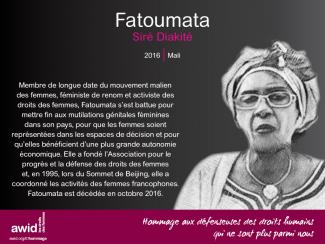

إيستر لوبيز راقصة وكاتبة تركز أبحاثها على الجسد والنوع والعرق والعلاقات الطبقية. هي مدرّبة بيلاتيس ومعلمة فنون. تخرجت إستر في دراسة المسرح المعاصر – العمليات الإبداعية (في FAINC) وفي الرقص والوعي بالجسم (في USCS). يشمل تخصصها الموسيقي الغناء الشعبي والإيقاع. تلقت تدريبًا في “نوفوس برينكانتس” مع فليرا فيرو وماتيوس برادو وأنطونيو مييرا في معهد Brincante في عامي 2015 و 2016.