AWID es un organización feminista internacional de membresía, que brinda apoyo a los movimientos que trabajan para lograr la justicia de género y los derechos de las mujeres en todo el mundo.
Lxs defensorxs se identifican a sí mismas como mujeres y personas lesbianas, bisexuales, transgénero, queer e intersex (LBTQI) y otrxs que defienden derechos y que debido a su trabajo en derechos humanos están bajo riesgos y amenazas específicos por su género y/o como consecuencia directa de su identidad de género u orientación sexual.
Lxs defensorxs son objeto de violencia y discriminación sistemáticas debido a sus identidades y su inclaudicable lucha por derechos, igualdad y justicia.
El Programa Defensorxs colabora con contrapartes internacionales y regionales así como con lxs afiliadxs de AWID para crear conciencia acerca de estos riesgos y amenazas, abogar por medidas de protección y de seguridad que sean feministas e integrales, y promover activamente una cultura del autocuidado y el bienestar colectivo en nuestros movimientos.
Riesgos y amenazas dirigidos específicamente contra lxs defensorxs
lxs defensorxs enfrentan los mismos tipos de riesgos que todxs lxs demás defensorxs de derechos humanos, de comunidades y del medio ambiente. Sin embargo, también están expuestas a violencia y a riesgos específicos por su género porque desafían las normas de género de sus comunidades y sociedades.
Por defender derechos, lxs defensorxs están en riesgo de:
Ataques físicos y muerte
Intimidación y acoso, incluso en los espacios virtuales
Acoso judicial y criminalización
Agotamiento
Un enfoque integral y colaborativo de la seguridad
Trabajamos de manera colaborativa con redes internacionales y regionales y con nuestrxs afiliadxs
para crear conciencia de las violaciones de derechos humanos contra lxs defensorxs y de la violencia y discriminación sistemáticas que enfrentan
para fortalecer los mecanismos de protección y asegurar respuestas más oportunas y efectivas para lxs defensorxs que están en riesgo
Trabajamos para promover un enfoque integral de la protección que incluya:
remarcar la importancia del autocuidado y el bienestar colectivo, y reconocer que el significado de cuidado y bienestar puede variar entre las diferentes culturas;
documentar las violaciones dirigidas contra lxs defensorxs usando una perspectiva feminista interseccional;
promover el reconocimiento y celebración social del trabajo y la resiliencia de lxs defensorxs; y
construir espacios ciudadanos que conduzcan al desmantelamiento de las desigualdades estructurales sin restricciones ni obstáculos.
Nuestras acciones
Nos proponemos contribuir a un mundo más seguro para lxs defensorxs, sus familias y comunidades. Creemos que actuar por los derechos y la justicia no debe poner en riesgo a lxs defensorxs, sino que debe ser valorado y celebrado.
Promoviendo la colaboración y coordinación entre organizaciones de derechos humanos y organizaciones de derechos de las mujeres en el plano internacional para fortalecer la capacidad de respuesta en relación a la seguridad y el bienestar de lxs defensorxs.
Apoyando a las redes regionales de defensorxs y de sus organizaciones, tales como la Iniciativa Mesoamericana de Mujeres Defensorxs de Derechos Humanos y la WHRD Middle East and North Africa Coalition [Coalición de Defensorxs de Derechos Humanos de Medio Oriente y África del Norte], promoviendo y fortaleciendo la acción colectiva para la protección, poniendo el énfasis en establecer redes de solidaridad y protección, promover el autocuidado y la incidencia y movilización por la seguridad de lxs defensorxs.
Aumentando la visibilidad y el reconocimiento de lxs defensorxs y sus luchas, así como de los riesgos que enfrentan, a través de la documentación de los ataques que sufren, e investigando, produciendo y difundiendo información sobre sus luchas, estrategias y desafíos.
Movilizando respuestas urgentes de solidaridad internacional para lxs defensorxs que están en riesgo a través de nuestras redes internacionales y regionales y de nuestrxs afiliadxs activxs.
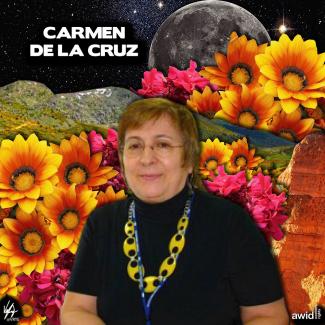
Carmen had a long career advocating for women’s rights both in NGOs and within the United Nations (UN) system.
She taught courses in several Spanish and Latin American universities, and published numerous articles and reports on women, gender and peace in developing countries.
Her writing and critical reflections have impacted a whole generation of young women. In her last years, she was responsible for the Gender Practice Area in the Regional Center of the United Nations Development Program (UNDP) for Latin America, from where she supported very valuable initiatives in favour of gender equality and women's human rights.
إن رغبتم/ن في سحب استطلاعكم/ن ومحيه لأي سبب كان، لديكم/ن الحق الكامل بالقيام بذلك. الرجاء التواصل معنا عن طريق هذا النموذج وكتابة "استطلاع المال" في عنوان رسالتكم/ن وسنقوم بسحب ومحي أجوبتكم/ن.
A Film Series on Feminist Realities from Africa and the African Diaspora
by Gabrielle Tesfaye
When I created my short animation film, The Water Will Carry Us Home, my mind was plugged into a magical world of fearless resilience and ancestral mermaids who transformed their deepest scars into a new generation of life. Set during the time of the transatlantic slave trade, I was pulled to show this history of African enslavement in a different way than it has ever been told on screen. I wanted to give my ancestors the commemoration they never received. I was motivated to reclaim the history that continues to paint us as helpless victims. Essentially, I wanted to tell the truth. To reclaim and reimagine our history and perspective, means to simultaneously heal our generational traumas that exist today. It is this important work that so many women through the African continent and the African diaspora are doing today, igniting our collective Feminist Realities.
In the making of the film I researched religiously, and in what was written, I saw what was not. There were many times I felt I was hitting a wall trying to find something that was not there, and it was in those voided places that I realized the storytellers of today are filling the voids. I found the most useful stories in contemporary art, film, and African diaspora folklore.
“... a truly unique, raw and representation of feminist power in action.”
The Water Will Carry Us Home carried itself around the world into the hearts of the Diaspora. It also led me here, as the curator of the African and Diaspora film screenings of AWID’s Co-Creating Feminist Realities initiative. Whilst curating this collection of films, I looked for stories that were completely unique, raw and representational of feminist power in action. Consisting of three shorts and one feature, they reveal stories through many communities in Africa and the diaspora, including Ethiopia, Uganda, The Democratic Republic of Congo, South Africa and Kenya. These films reposition African women as what they truly are- self governing and empowered through the unfiltered lens of their work.
“An incredibly beautiful, attentive, finely observed telling of the connection between Africa and its Diaspora formed form the trans Altantic slave trade. The visual universe it creates is just gorgeous… an echo of the fusion of spiritual traditions and non-linear time that speak to how we are still experiencing the moments of the past that formed 'new' worlds of diaspora blackness.”
- Jessica Horn, PanAfrican feminst strategist, writer and co-creator of the temple of her skin
Our short documentary film, Women Hold Up the Sky, created by the WoMin African Alliance, tells the story of women activists in Uganda and the Democractic Republic of Congo who are actively reclaiming their land rights, threatened by mining and other extractives in their homes. The film not only exposes the corruption of extractivism, but finally shares what we have been missing on screen - how grassroots African women are actively organizing, strategizing, and analyzing within their communities to create women-centred and community-driven alternatives. Margaret Mapondera of WoMin explains it beautifully, that they are the “custodians of lands, forests, waters, rivers and territories; the ways in which women hold and transmit the stories / herstories of our past and our futures; the powerful and transformative ways of being that women embody in their relationships to each other, to the environment and in themselves.”
“A refreshing and much-needed piece of cinema highlighting the many ways African women are coming together to create women-led and community-driven alternatives… The fight is on and
women hold the key.”
Pumzi, created by critically acclaimed director Wanuri Kahiu, bridges Africa and science fiction around climate and environmentalism. Pumzi imagines a futuristic world where humankind has been forced to settle on another planet. While Pumzi seems afro-futuristic and new for Africa on the surface, Kahiu reveals the truth that science fiction and fantasy is something that has always existed in African storytelling, but never recognized. Kahiu creates a world where women are truth seekers and heroes who pioneer us into a new world, the opposite of images that position Africans as victims of war and destruction. Instead, Pumzi writes the narrative of African women being their own saviors and problem solvers, who stop at no cost to follow the cryptic visions they channel in their dreams.
“A pioneering African sci-fi film, situating women as scribes of the future and opening up our visions about other worlds, other universes we might occupy as Africans - always an important exercise as we imagine our way out of present crises.”
- Jessica Horn, PanAfrican feminst strategist, writer and co-creator of the temple of her skin
Our feature film of the program, Finding Sally is set in 1970’s Ethiopia during the time of The Red Terror war, documenting the striking history of director Tamara Mariam Dawit’s activist aunt, Sally Dawit. Throughout the film we learn of Sally’s incredible journey as a young and courageous woman activist navigating one of the most violent times of Ethiopian history. Sally’s story not only reveals the gravity of this time, but the reflection of her own personal evolution as a young woman. Dawit was intentional to tell the film through the lens of women, untouched by male voices. Due to so much Ethiopian history being told by men, the making of this powerful story preserved its reality of honoring the feminist perspective. Dawit explains, “Women in revolution and war are often only included as someone's spouse or someone who did cooking or typing work. I wanted to look at the activism around the revolution only through the memories and voices of women.” Finding Sally demonstrates the reclamation of history sought by current filmmakers today. It is an igniting of feminist power and our connected realities throughout time.
“The responsibility falls on us, to remember these women that came before us and their brilliant work so they are not forgotten like the thousands of women already forgotten while fighting the good fight. Sally is such a woman and may she never be forgotten.”
These films have became a part of my own psyche, empowering me to continue building powerful alternatives towards justice from within. They affirm that I am a woman among a world of women, holding up the skies and actively building indestructible Feminist Realities. These films are more than stories of African women - they are globally relatable, inspiring and set the example of Feminist Realities for all of us around the world.
Gabrielle Tesfaye:
Gabrielle Tesfaye is an interdisciplinary artist versed in painting, animation, film, puppetry and interactive installation. Her work is rooted in the African diaspora, Afro-futurism, ancient art practices and cultural storytelling.
Follow us on Social Media to receive news about upcoming events and screenings:
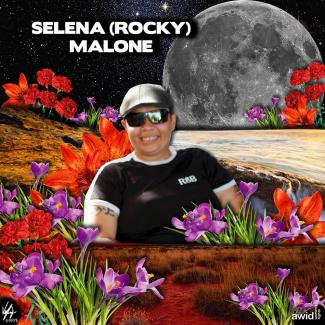
Rocky mostró un liderazgo y una dirección inspiradoras en su trabajo con jóvenes lesbianas, gays, bisexuales, transgénero, intersex, queer, y personas transgénero indígenas de Australia (LGBTIQBBSG) en riesgo.
Rocky comenzó su carrera con el Servicio de Policía de Queensland como Oficial de Policía de Enlace. Para ella, hacer una diferencia era algo importante. Desarrolló una carrera impresionante trabajando con jóvenes LGBTIQBBSG como Gerente del Servicio Juvenil de Puertas Abiertas.
Rocky trabajó con lxs beneficiarixs en situaciones complejas, específicamente relacionadas con la identidad sexual y de género. Esta línea de trabajo le resultaba propia: era una líder comunitaria fuerte, una triunfadora discreta, una amiga leal, una persona que apoyaba compasivamente a lxs demás, alguien que producía el cambio. Rocky fue una de lxs fundadorxs de IndigiLez Leadership y de Support Groes.
En 2016, en la Corte Suprema de Brisbane, Michael Kirby, ex juez del Tribunal Supremo de Apelaciones, mencionó por su nombre a Rocky al elogiar el trabajo que el Servicio Legal LGBTI había desarrollado a lo largo de los años. Rocky luchó de forma extraordinariamente tenaz por los derechos humanos de la comunidad LGBTIQBBSG, corrió los límites y produjo cambios de una forma respetuosa y amorosa.
Могу ли я поделиться информацией об опросе с другими?
Да, пожалуйста! Мы просим распространить ссылку на опрос среди своих коллег по сети. Чем больше различных точек зрения мы соберем, тем более полным будет наше понимание финансового положения феминистских организаций.
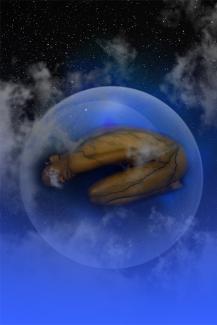
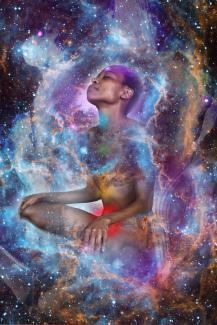
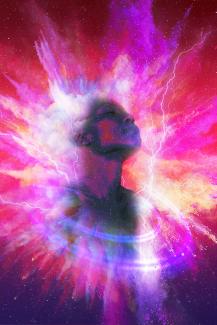
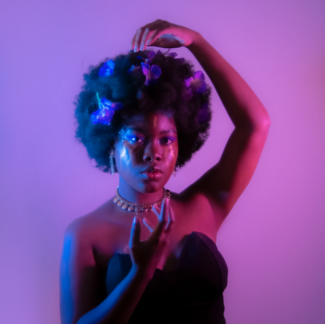
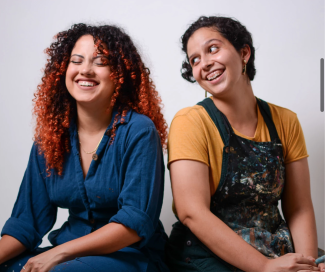
Estas obras son un trabajo colaborativo de fotografías e ilustraciones realizadas por Siphumeze y Katia durante el confinamiento. Muestran narrativas negras queer de sexo y placer, bondage, sexo seguro, juguetes, salud mental y sexo, y mucho más. Fueron creadas para acompañar la antología Touch.
“Mental Health” [«Salud mental»]“Sex and Spirituality” [«Sexo y espiritualidad»]“Orgasm” [«Orgasmo»]
About the Artists:
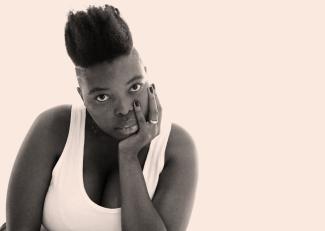
Siphumeze Khundayi es una creadora de arte, fotógrafa y facilitadora interesada en las formas creativas de unir el diálogo y la práctica artística en relación con la identidad queer africana.
Es directora creativa de HOLAAfrica!, una colectiva en línea mujerista panafricanista.
Sus trabajos de performance individual y en colaboración han sido presentados en numerosos festivales y espacios teatrales, tales como el Ricca Ricca Festival de Japón.
En 2017 y 2018 dirigió dos producciones que fueron nominadas a los Naledi Theatre Awards y, en 2020, obtuvo un premio Standard Bank Ovation.
Como fotógrafa, participó en Italia en una exposición grupal titulada Flowers of my Soul, organizada por The Misfit Project. Produjo tres publicaciones para HOLAAfrica!, y sus trabajos fueron publicados dentro y como tapa del Volume Two: As You Like de las Gerald Kraak Anthologies.
Katia Herrera es una artista visual digital de 21 años, de la ruidosa ciudad de Santo Domingo, en la República Dominicana. A pesar de que se autodefine como introvertida, su obra es notablemente estruendosa en un mundo que intenta acallar las voces negras. Con títulos como “Black Woman” [«Mujer Negra»], “You Own the Moon” [«La Luna es Tuya»], “Earth Goddess” [«Diosa de la Tierra»], “Forever” [«Por Siempre»] y “Universe Protector” [«Protectora del Universo»], el legado de Herrera estará marcado por su pasión por poner de manifiesto la resistencia y la perseverancia de las personas negras del pasado y del presente, en contraposición a la narrativa de que la piel negra debería solamente ser asociada con la esclavitud.
Una de sus obras más hermosas y vivazmente tituladas, “Universe Protector”, representa al alma negra como una entidad divina plena de fortaleza, poder y grandeza. En su juventud, su amor por el diseño gráfico se vio estimulado por el talento artístico de su madre y su padre, y por el programa Photoshop que habían descargado en su computadora para su trabajo profesional de fotografía.
Snippet FEA Principles of Work S4 (ES)
HORIZONTALIDAD
“Where is the Money for Women’s Rights?" AWID’s WITM Toolkit (landing page intro) ES
Una nueva edición de la investigación "¿Dónde está el dinero?" está actualmente en marcha.
AWID presenta este Manual WITM para apoyar a personas y organizaciones que quieran investigar por su cuenta las tendencias en el financiamiento para una región, temática o población en particular, adaptando las metodologías de investigación de AWID.
El Manual WITM de AWID es producto de diez años de experiencia. Las investigaciones de WITM y este Manual son una demostración política y práctica de los recursos y pasos necesarios para realizar investigaciones en acción de buena calidad.
El equipo WITM también ofrece apoyo técnico y político antes y durante el proceso de investigación. Te invitamos a leer el Manual y a ponerte en contacto con nosotras en fundher@awid.org si necesitas más información.
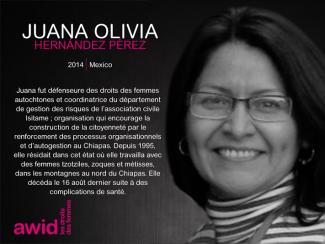
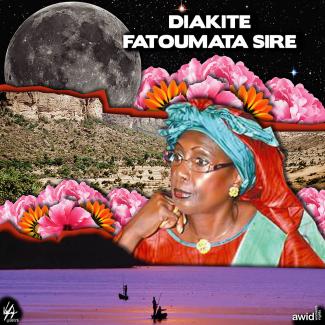
Diakite s'est activement impliquée dans la défense des femmes dans la vie politique et publique au Mali.
Elle a travaillé pour soutenir la formation des candidates aux élections et s'est élevée contre les mutilations génitales féminines (MGF). Elle était un ardente défenseure de la santé et des droits reproductifs.
Membership why page - Loyiso Lindani
I believe empowered women empower women and that is why I’ve had an incredible time being an AWID member. My knowledge and understanding of Feminism and intersectionality has been broadened by the exposure I received being part of the AWID Community Street Team. I hope more women join and share topics and ideas that will help other women.
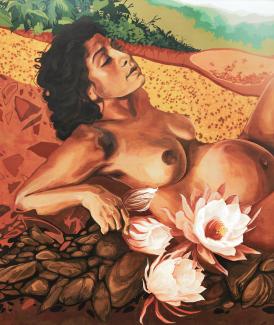
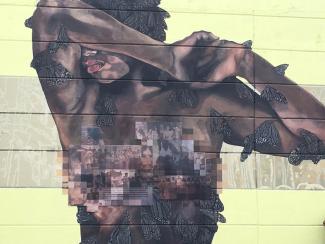
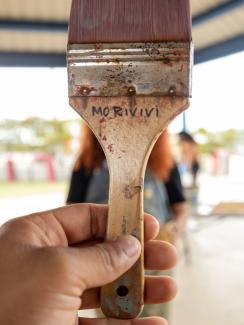
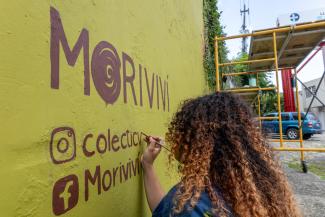
Colectivo Moriviví est un collectif artistique de femmes. Notre production artistique comprend du muralisme, du muralisme communautaire et des performances/actions de manifestation. Notre travail consiste à démocratiser l'art et à amener les récits des communautés portoricaines dans la sphère publique afin de créer des espaces où ils seront validés. Nous croyons qu’à travers l'artivisme, nous pouvons promouvoir la sensibilisation aux questions sociales et renforcer notre mémoire collective.
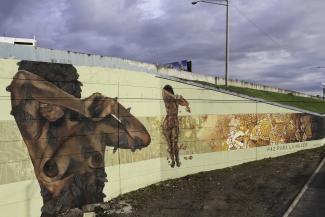
“Cacibajagua” 2017, Projet mural. Jiangxi, Chine“Cacibajagua” 2017, Projet mural. Jiangxi, Chine“Paz para la Mujer” (“Paix pour la Femme”) 2015, collaboration avec l’organisation Paz para la Mujer. Santurce, Porto Rico
“Paz para la Mujer” (“Paix pour la Femme”) 2015, collaboration avec l’organisation Paz para la Mujer. Santurce, Porto Rico
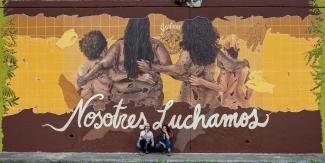
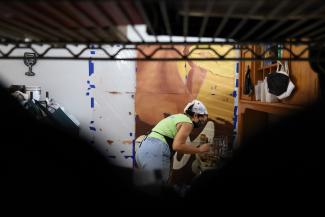
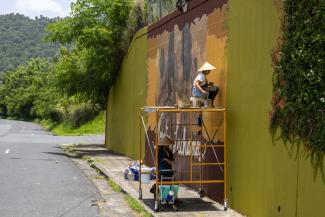
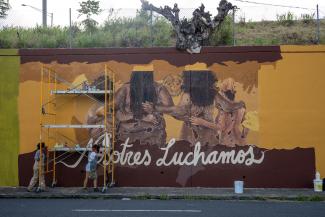
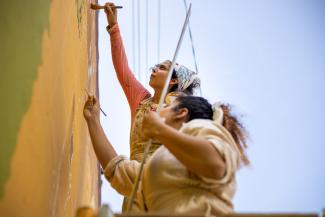
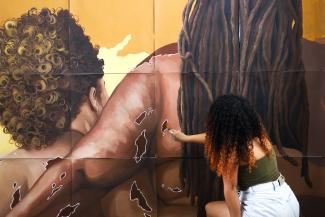
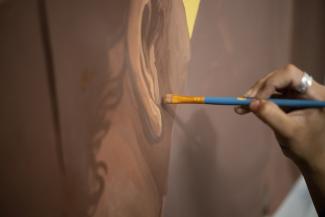
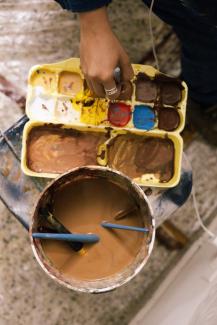
Dans le cadre de sa participation au Groupe de Travail d’Artistes d'AWID, le Colectivo Moriviví a réuni un groupe divers de membres, partenaires et personnel pour faciliter un processus collaboratif visant à imaginer, documenter et déterminer le contenu d'une fresque communautaire par le biais d'un processus de co-création en plusieurs étapes. Le projet a commencé par une conceptualisation à distance avec des féministes de différentes régions du monde réuni·e·s par l'AWID, avant d'évoluer vers sa re-contextualisation et sa réalisation à Porto Rico. Nous avons eu l'honneur de bénéficier de la contribution des artistes locaux·ales Las Nietas de Nonó(@lasnietasdenono), de la participation des femmes locales à la session de peinture communautaire, du soutien logistique de la municipalité de Caguas et du soutien supplémentaire du FRIDA | The Young Feminist Fund.
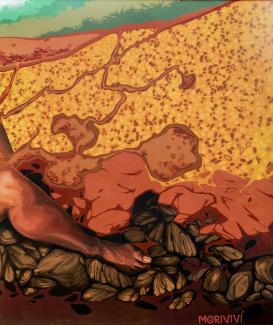
La fresque explore la transcendance des frontières en présentant les corps tels des cartes, dans une étreinte qui met en évidence l'intersection des différentes manifestations, pratiques et réalités féministes.
Nous remercions également Kelvin Rodríguez, qui a documenté et capturé les différentes étapes de ce projet à Porto Rico :
À propos du Colectivo Morivivi
Moriviví est un collectif de jeunes femmes artistes qui travaille sur l'art public depuis Avril 2013. Basé·e·s à Porto Rico, nous sommes reconnu·e·s pour la création de fresques et d'arts dirigés par la communauté.
Le groupe a débuté dans les festivals d'art urbain locaux. Au fur et à mesure que notre travail devenait plus populaire, les organisations et les dirigeant.e.s communautaires ont commencé à nous contacter. Au départ, nous étions huit lycéen·ne·s qui voulaient peindre une fresque ensemble. Cependant, en huit ans de travail acharné, nous avons été confronté·e·s à de nombreux défis. Nous sommes aujourd’hui dans une période de transition. Au cours de l'année qui vient, nous souhaitons restructurer le collectif en interne. Notre objectif est d'ouvrir de nouvelles opportunités pour les collaborateurs·trices et d'étayer notre processus de prise de décisions par un nouveau système d'évaluation. À long terme, nous aspirons à devenir une école alternative de pratiques artistiques pour celles et ceux souhaitant s'immerger dans la production artistique communautaire.
Snippet FEA No feminist economies without feminist unions (FR)
Pas d’économies féministes sans syndicats féministes!
Par le biais de l'organisation syndicale, Sopo, Sabrina et Linda se battent non seulement pour les droits des femmes, des travailleur·euses essentiel·les, des travailleur·euses migrant·e·s et des travailleur·euses du sexe, mais pour les droits de tous·tes les travailleur·euses .
La lutte pour mettre fin à l'exploitation des travailleur·euses est une lutte féministe. C’est pourquoi il n’y a pas d’économies féministes sans syndicats féministes.
FRMag - The Triple (FR)
Les invalides en triple : parlons sexe, chéri !
par Nandini Tanya Lallmon
Olajumoke « Jay » Abdullahi et Kym Oliver sont des féministes révolutionnaires à plus d'un titre. (...)