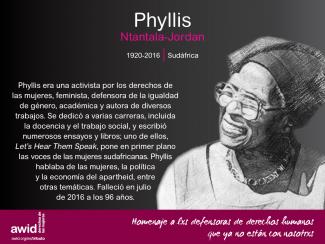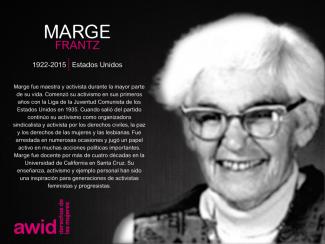
Marge Frantz
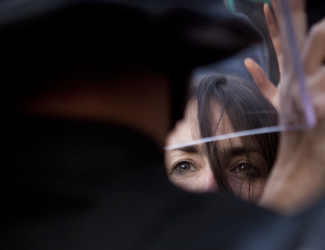
Lxs defensorxs se identifican a sí mismas como mujeres y personas lesbianas, bisexuales, transgénero, queer e intersex (LBTQI) y otrxs que defienden derechos y que debido a su trabajo en derechos humanos están bajo riesgos y amenazas específicos por su género y/o como consecuencia directa de su identidad de género u orientación sexual.
Lxs defensorxs son objeto de violencia y discriminación sistemáticas debido a sus identidades y su inclaudicable lucha por derechos, igualdad y justicia.
El Programa Defensorxs colabora con contrapartes internacionales y regionales así como con lxs afiliadxs de AWID para crear conciencia acerca de estos riesgos y amenazas, abogar por medidas de protección y de seguridad que sean feministas e integrales, y promover activamente una cultura del autocuidado y el bienestar colectivo en nuestros movimientos.
lxs defensorxs enfrentan los mismos tipos de riesgos que todxs lxs demás defensorxs de derechos humanos, de comunidades y del medio ambiente. Sin embargo, también están expuestas a violencia y a riesgos específicos por su género porque desafían las normas de género de sus comunidades y sociedades.
Nos proponemos contribuir a un mundo más seguro para lxs defensorxs, sus familias y comunidades. Creemos que actuar por los derechos y la justicia no debe poner en riesgo a lxs defensorxs, sino que debe ser valorado y celebrado.
Promoviendo la colaboración y coordinación entre organizaciones de derechos humanos y organizaciones de derechos de las mujeres en el plano internacional para fortalecer la capacidad de respuesta en relación a la seguridad y el bienestar de lxs defensorxs.
Apoyando a las redes regionales de defensorxs y de sus organizaciones, tales como la Iniciativa Mesoamericana de Mujeres Defensorxs de Derechos Humanos y la WHRD Middle East and North Africa Coalition [Coalición de Defensorxs de Derechos Humanos de Medio Oriente y África del Norte], promoviendo y fortaleciendo la acción colectiva para la protección, poniendo el énfasis en establecer redes de solidaridad y protección, promover el autocuidado y la incidencia y movilización por la seguridad de lxs defensorxs.
Aumentando la visibilidad y el reconocimiento de lxs defensorxs y sus luchas, así como de los riesgos que enfrentan, a través de la documentación de los ataques que sufren, e investigando, produciendo y difundiendo información sobre sus luchas, estrategias y desafíos.
Movilizando respuestas urgentes de solidaridad internacional para lxs defensorxs que están en riesgo a través de nuestras redes internacionales y regionales y de nuestrxs afiliadxs activxs.
con Naike Ledan y Fédorah Pierre-Louis.
Speaking on behalf of the Board, I write to express our deepest gratitude, appreciation, and respect for Hakima Abbas and Cindy Clark, our extraordinary Co-Executive Directors during the past five years who will be stepping aside to refresh the AWID leadership as we move into a new strategic plan and phase of our organizational life. They have consistently practiced the best principles of feminist organizational leadership and ethics of care as they navigated us through one of the most unpredictable, turbulent times in recent history of the world, the COVID-19 syndemic, and the subsequent downward global political spiral. They held AWID, our Staff, and Board firmly, gently, and lovingly as all of us experienced various impacts. They also held steadfastly to AWID vision and mission as they responded respectfully and strategically to various changes, not least the cancellation of the AWID Forum.
The Board decided to prioritize an internal recruitment process first, fully recognizing the great potential that exists within the current team. We expect to complete the transition by the end of 2022. Hakima and Cindy will stagger their departure, and will facilitate a smooth transition to the new leadership.
Seeing Cindy and Hakima leave AWID is difficult for the Board as well as others who have worked closely with them and love them. Nonetheless, rest assured the AWID Board is leading the transition process in a way that fully recognizes the beautiful and inspiring indelible marks Hakima and Cindy will be leaving as part of our 40-year history, that embraces the next step of on-boarding and supporting new leadership, and that inspires us to do better at this moment in AWID's life.
Major organizational transitions are neither simple nor easy. Sometimes they are forced, beyond anyone’s control, fraught, or even destructive. I, and many of you, have seen examples of those kinds of transitions. At other times, the staff’s needs and aspirations are aligned with those of the organization. Although we did not choose or wish Cindy and Hakima to leave AWID, their decision and AWID moving into the next strategic plan and new decade of existence are aligned. Best of all, we are in the wonderful, super competent, creative, and feminist hands of the Staff and Board.
We thank you, dear Feminist Movements, for your confidence in AWID. We also ask you to support our leadership transition in the coming months. Let’s continue to build, deepen, and strengthen our connections, as we have done for the past 40 years.
Please stay tuned for more concrete developments and updates. You will be hearing from us in the coming weeks.
In feminist solidarity and love,
Margo Okazawa-Rey
President, AWID Board
Denunciar la captura corporativa. Comprender las soluciones falsas. Elaborar alternativas. Todo lo que necesitas para ejecutar la campaña “¿De quién es esta COP?”
El tema del Foro –– Rebelándonos Juntes –– es una invitación a vincularnos con todo nuestro ser, a conectarnos entre nosotrxs en forma focalizada, afectuosa y valiente, para que podamos sentir el latido de los movimientos globales y rebelarnos juntxs para enfrentar los desafíos de esta época.
Los movimientos feministas, por los derechos de las mujeres, por la justicia de género, LBTQI+ y aliados de todo el mundo están en una instancia crítica, ya que deben enfrentar una poderosa reacción contra los derechos y las libertades previamente ganados. Durante los últimos años, hemos asistido al rápido auge de los autoritarismos, a la violenta represión de la sociedad civil y la criminalización de las mujeres y las personas de género no normativo defensoras de los derechos humanos, a la escalada bélica y de los conflictos armados en muchas partes de nuestro mundo, a la perpetuación continua de las injusticias económicas y a las crisis sanitarias, ecológicas y climáticas entrecruzadas.
Nuestros movimientos están sacudidos y, a la vez, buscan construir y mantener la fortaleza necesaria para el trabajo que hay por delante. No podemos hacer este trabajo solxs, en nuestros núcleos aislados. La conexión y la sanación son esenciales para transformar los persistentes desequilibrios de poder y las líneas divisorias dentro de nuestros propios movimientos. Debemos trabajar y elaborar estrategias de manera interconectada, para que podamos florecer juntxs. El Foro de AWID promueve ese ingrediente vital de interconexión en el poder de resistencia, crecimiento e influencia transformadora de las organizaciones feministas de todo el planeta.
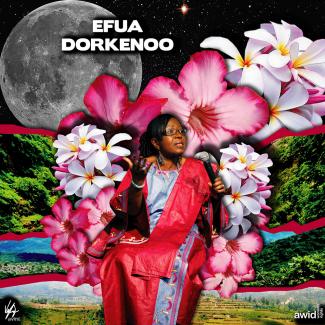
Conocida afectuosamente como «Mama Efua», su trabajo con el movimiento para terminar con la mutilación genital femenina (MGF) se extendió a lo largo de tres décadas y ayudó a llamar la atención internacional y a generar acciones para erradicar esta práctica dañina.
En 1983, Efua fue una de las fundadoras de FORWARD (The Foundation for Women’s Health, Research and Development, La fundación para la salud de las mujeres, la investigación y el desarrollo), que se convirtió en una organización líder en la batalla por crear conciencia sobre la MGF. Su libro de 1994, Cortar la rosa: mutilación genital femenina, es considerado el primer libro sobre MGF y aparece en la lista de «Los 100 mejores libros africanos del siglo XX» de la Universidad de Columbia.
Originaria de Ghana y enfermera de profesión, Efua se incorporó a la Organización Mundial de la Salud (OMS) en 1995 y con empeño logró la inclusión de la MGF en las agendas de los Estados miembros de la OMS. También trabajó estrechamente con el Gobierno nigeriano en la elaboración de una política nacional integral que sentó las bases para las leyes contra la MGF de Nigeria, que todavía están vigentes. Su trabajo pionero culminó en una campaña liderada por África, «La generación de las niñas», dedicada a terminar con la MGF en el plazo de una generación.
Efua demostró que una persona puede convertirse en una voz unificadora para un movimiento y ahora resultan más relevantes que nunca sus sabias palabras: «la identidad compartida puede ayudar a reunir a activistas que vienen de contextos diferentes y a que tengan un sentido de propósito en común».
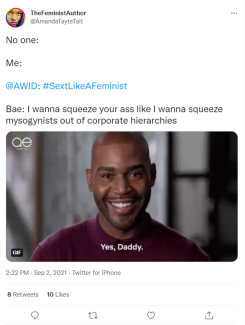
El 2 de septiembre de 2021 lxs increíbles activistas feministas y por la justicia social del festival Crear | Résister | Transform de AWID nos juntamos no solo para compartir estrategias, crear juntxs y transformar al mundo sino también para decir cosas sucias en Twitter.
Este ejercicio lo facilitó Nana Darkoa Sekyiamah, una de las fundadoras del blog Adventures From The Bedrooms of African Women [Aventuras desde los dormitorios de mujeres africanas] y autora de The Sex Lives of African Women, [Las vidas sexuales de las mujeres africanas] que se asoció con la plataforma digital mujerista y queer panafricana AfroFemHub, para preguntar cómo podemos explorar nuestro placer, nuestros deseos y nuestras fantasías en forma segura y consensuada a través de mensajes de texto.
Creo que esta pregunta es fundamental porque involucra una cuestión más amplia: cómo nos manejamos en el mundo virtual desde una perspectiva feminista. Bajo el capitalismo, los discursos en torno a los cuerpos y al sexo pueden resultar deshumanizadores y distorsionadores; gestionar el placer sexual en espacios virtuales puede sentirse un acto performativo. Por eso, buscar vías para explorar cómo podemos compartir nuestro deseo en formas afirmativas y que nos entusiasmen puede ser una forma de resistir a los modelos dominantes de presentación y consumo así como una reivindicación de estos espacios y sus posibilidades de participación auténtica, demostrando que todo el sexting debería ser exactamente así: feminista.
Además, permitir que el discurso feminista asuma su lado más juguetón en el ámbito virtual nos ayuda a reformular esa narrativa tan difundida por la que actuar como feminista implica hacerlo con amargura y sin placer alguno. Pero, como bien sabemos, divertirnos es parte de nuestro trabajo político y un compomente intrínseco de lo que implica ser feminista.
Utilizando la etiqueta #SextLikeAFeminist, [SextComoFeminista] académiquxs y activistas de distintas partes del mundo aportaron sus tuits feministas más sedientos de placer y aquí les presento a mis diez favoritos.
Como lo demuestran estos tuits, resulta que sextear como feminista es sexy, divertido – y caliente – todo eso sin perder de vista el compromiso con la equidad y la justicia.
Cada año, en AWID buscamos renovar y enriquecer las perspectivas y la experiencia reflejadas en nuestra Junta Directiva a través de la incorporación de nuevxs afiliadxs.
Por favor, ayúdanos a identificar a feministas audaces y dedicadxs a fin de incluirlxs en la lista de nominaciones para la elección a la Junta Directiva de AWID, a realizarse el 29 de julio de 2022.
Las personas elegidxs se sumarán por un período de 3 años, a partir de principios de 2023. Esta es una oportunidad para contribuir a la gobernanza de nuestra organización y formar parte de un grupo increíble de feministas de todo el mundo
Por favor, también comparte esta invitación a candidaturas entre tus redes.
Ante todo, estamos buscando candidatxs comprometidxs con la misión de AWID, capaces de establecer conexiones entre las luchas locales y globales, y que puedan ayudarnos en la reflexión sobre cómo optimizar el posicionamiento y las fortalezas de AWID en un contexto en constante evolución. Además, lxs candidatxs deben estar dispuestxs a cumplir con los deberes y las responsabilidades legales de la Junta Directiva de AWID en beneficio de la organización.
La participación en la Junta de AWID es una función voluntaria que requiere compromiso y dedicación durante todo el año. Se espera que lxs integrantes de la Junta se comprometan a dedicar un mínimo de 10 a 15 días al año para asistir a reuniones presenciales y virtuales, y contribuir con otras comunicaciones.
En AWID, aspiramos a que nuestro Consejo refleje la diversidad en todas sus formas, especialmente, en términos de identidad de género, orientación sexual, edad, geografía y origen. Además, buscamos integrantes de la Junta con experiencia relevante para las áreas de trabajo prioritarias de AWID.
Si bien consideraremos todas las candidaturas recibidas, teniendo en cuenta la composición actual de la Junta, daremos prioridad a los siguientes aspectos:
Candidatxs con experiencia de trabajo en las intersecciones de los derechos de las mujeres / justicia de género y
Candidatxs de las siguientes regiones:
La Junta Directiva es clave para orientar la dirección estratégica de AWID y apoyar a nuestra organización para que cumpla su misión en coherencia con el mundo en el que vivimos y las necesidades de nuestros movimientos.
Lxs integrantes de la Junta Directiva contribuyen al día a día de la organización de muchas maneras: aportando su experiencia en gobernanza en otros espacios, como también perspectivas de diversos sectores de los movimientos feministas y experiencia sustantiva en áreas relevantes para la estrategia de AWID.
Lxs candidatxs que finalmente resulten elegidxs se incorporarán a la Junta Directiva de AWID en 2023, acompañándonos en el lanzamiento de nuestro nuevo plan estratégico liderado por lxs nuevxs Codirectorxs Ejecutivxs de AWID, y en la planificación de nuestro próximo Foro internacional.
(Puedes nominarte a ti mismx o a alguien que conozcas, con su consentimiento
Por favor, ayúdanos a difundir este llamado a candidaturas compartiéndolo en tus redes.
¡Gracias, desde ya, por ayudarnos a encontrar a lxs próximxs maravillosxs integrantes de la Junta Directiva que apoyarán a AWID en su camino hacia el futuro!
AWID members will explore and critically evaluate the role that mutual aid can play in resourcing our movements, through collective collage making.
📅 Wednesday, November 12, 2025
📍 The People’s COP Space

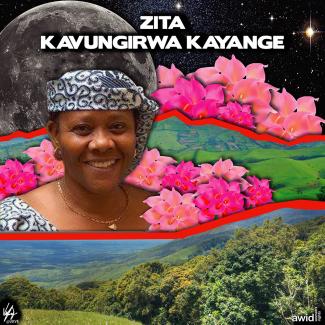
Zita était une défenseure des droits des femmes de la région du Grand Kivu.
Elle a été la première directrice exécutive d’UWAKI, une organisation de femmes bien connue. Par son travail avec le Réseau des Femmes pour la Défense des Droits et la Paix (RFDP) et le Caucus des femmes du Sud-Kivu pour la paix, elle a consacré sa vie à rétablir la paix dans l'est de la RDC. Elle a très fermement dénoncé l'utilisation de la violence sexuelle comme arme de guerre.
En 2006, elle s'est présentée comme candidate aux premières élections démocratiques en RDC. Bien qu’elle n’ait pas gagné, elle a continué à défendre les droits des femmes et la communauté du Sud-Kivu se souvient d’elle avec affection.
Prenons notre temps. Les orgasmes, comme la constitution des mouvements féministes, prennent du temps, de l’énergie et un peu de créativité.
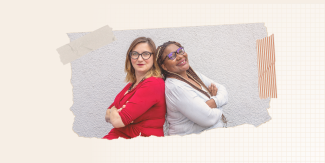
Les deux amies se font appeler les Triple Cripples (invalides en triple) parce qu'elles subissent trois niveaux de discrimination en tant que femmes noires handicapées. Jay, aujourd'hui âgée de 31 ans, a eu la polio bébé et utilise une attelle de jambe et des béquilles pour se soutenir, tandis que Kym, âgée de 25 ans, a la sclérose en plaques et utilise un fauteuil roulant pour se déplacer. Le nom de leur duo découle d'une tentative de redéfinir le mot « invalide », qui, selon elles, « a été affligé aux personnes handicapées comme une insulte, une façon certaine de nous rappeler que nous étions « défectueuses » et allions toujours être moins que. »
En tant que femmes noires, Kym et Jay ont été victimes du stéréotype racial mondialisé qui hypersexualise les peaux foncées. Dans leur livre intitulé Heart of The Race: Black Women's Lives in Britain, Bryan, Dadzie et Scafe décrivent comment les femmes noires ont été historiquement décrites comme un « risque élevé de promiscuité » par les médecins en raison de leur libido et de leur fertilité. Jay explique que « les gens pensent que je suis toujours prête à tout faire, n'importe où n'importe quand, parce que je suis une femme noire. » Alors que les deux femmes ont été soumises à une fétichisation intense en raison de leur couleur de peau, leurs handicaps ont semé la confusion totale dans l'esprit de plusieurs. Kym décrit ainsi son expérience de femme à courbes : « J'ai le type de corps que les gens veulent malmener et ils ont l'impression que je devrais être capable de supporter cela, mais parallèlement, il y a cette idée que je ne devrais pas avoir de critères à cause de mon handicap. »
Sur les sites de rencontre en ligne, on a demandé à Jay si elle pouvait effectuer certaines positions sexuelles car des partenaires potentiel.le.s « ont décidé qu'ielles voulaient être avec vous de cette façon et savoir si votre physicalité pouvait permettre cela. » Lors d'un contrôle, Kym s'est même fait demander des excuses par un professionnel de la santé, remplissant un formulaire, pour lui avoir demandé combien de partenaires sexuel.le.s elle avait eu.e.s, avec une nuance sous-entendant « je sais que (ces questions) ne s'appliquent pas à vous, mais nous devons suivre le processus d'interrogation normé. »
L'idée fausse selon laquelle le manque d'autonomie physique équivaut à un manque de désir sexuel est omniprésente.
À l'école, Jay a été exclue des cours d'éducation sexuelle en raison de son incapacité présumée à avoir des relations sexuelles. Elle explique que même les organisations bien intentionnées qui militent pour l'accès aux services de santé sexuelle et reproductive ne tiennent souvent pas compte des besoins spécifiques des femmes handicapées. Par exemple, les pilules contraceptives sont souvent saluées comme une méthode efficace de contrôle des naissances, sans aucune mention qu'elles peuvent accentuer les risques de caillots sanguins pour les femmes en fauteuil roulant.
Basées à Londres, les Triples Cripples attendaient avec impatience leur participation aux côtés de l'équipe Décoloniser la Contraception à SexFest2020, un festival d'une journée créé pour les personnes racisées, dédié à la santé et au bien-être sexuels. Malheureusement, l'évènement a été annulé en raison de la pandémie de la COVID-19. Néanmoins, sans se décourager, Jay et Kym se sont tournées vers leurs plateformes de plaidoyer en ligne pour contrer la façon dont la sexualité est vue d'un point de vue strictement hétéronormatif et pour contester l'idée que la féminité est définie par la capacité de procréer. Le duo a lancé une chaîne YouTube et un podcast, également appelé The Triple Cripples, pour promouvoir la représentation des personnes subissant des discriminations multiples en tant qu'êtres humains holistiques. Leurs projets futurs comprennent un documentaire artistique et une exposition photographique consacrée à la lutte contre la discrimination et à l'amplification des voix des personnes handicapées racisées.
Bien que les femmes handicapées raciées partagent des expériences de capacitisme avec d'autres personnes handicapées, des expériences de sexisme avec d'autres femmes et des expériences de racisme avec d'autres personnes racisées, ces expériences interagissent et ne peuvent être séparées : les femmes handicapées racisées subissent une discrimination unique en tant que femmes handicapées racisées.
Alors que les Triple Cripples reconnaissent que les approches toutes faites et superficielles à la diversité ne se transformeront pas comme par magie en espaces inclusifs du jour au lendemain, elles restent confiantes que leurs petits coups de hache finiront par faire tomber les grands chênes que les pratiques discriminatoires représentent pour elles.
La joie de s’accepter soi-même et de grandir dans cette lumière.

La féminité obligatoire est un dispositif de violence colonial hétéro-cis-patriarcal envers les corps assignés féminins à la naissance. Les corps trans continuent de résister malgré l’invisibilisation et le silencement historique. Je ne suis pas une
![“Asignado Nderentendei Al Nacer” [Assigned Nderentendei at Birth] by Bastión Moral](https://web.archive.org/web/20210928161447/https://www.awid.org/sites/default/files/thumbnails/image/web_bastion-nderentendei.png "“Asignado Nderentendei Al Nacer” [Assigned Nderentendei at Birth] by Bastión Moral")
Este año, junto con activistas feministas de todo el mundo, estaremos en la CSW68 en Nueva York .Estaremos presentes para desafiar las narrativas capitalistas y neoliberales y las falsas soluciones en torno a la pobreza, el desarrollo y la financiación. A través de eventos presenciales, transmisiones en vivo en nuestras redes sociales, un stand de exhibición y más. Nos presentamos para convocar, amplificar y apoyar las voces y la participación de nuestra membresía y aliades.
Conoce más sobre nuestro programa para este año a continuación.
"مهمتي في الحياة ليست مجرد البقاء على قيد الحياة، بل أن أزدهر؛ وأن أفعل ذلك ببعض الشغف، وبعض التعاطف، وبعض الفكاهة، وبعض الأناقة". - مايا أنجيلو
يعتبر المنتدى الدولي الخامس عشر لجمعية حقوق المرأة في التنمية حدثًا مجتمعيًا عالميًا ومساحة للتحول الشخصي الجذري. يجمع المنتدى، وهو اجتماع فريد من نوعه، الحركات النسوية وحقوق المرأة والعدالة الجندرية ومجتمع الميم عين والحركات الحليفة، بكل تنوعنا وإنسانيتنا، للتواصل والشفاء والازدهار. المنتدى هو المكان الذي تحتل فيه نسويات ونسويو الجنوب العالمي والمجتمعات المهمشة تاريخياً مركز الصدارة، حيث يضعون الاستراتيجيات مع بعضهم/ن البعض، مع الحركات الحليفة الأخرى، ومع المموّلين وصانعي السياسات بهدف تحويل السلطة، إقامة تحالفات استراتيجية، والدخول في عالم أفضل ومختلف.
عندما يجتمع الناس على نطاق عالمي، كأفراد وحركات، فإننا نولد قوة جارفة. انضموا إلينا في بانكوك، تايلاند في عام 2024. تعالوا وارقصوا وغنوا واحلموا وانهضوا معنا.
متى: 2-5 ديسمبر 2024
أين: بانكوك، تايلاند؛ وعلى الانترنت
من: ما يقرب الـ 2500 ناشط/ة نسوية من جميع أنحاء العالم يشاركون شخصيًا، و3000 يشاركون افتراضيًا
Bessy était aussi membre d’Arcoíris, une organisation qui soutient la communauté LGBTI+. Elle était en outre la personne référente de la plateforme Derechos aquí y Ahora (les droits ici et maintenant) au Honduras et plaidait fermement en faveur d’une pleine citoyenneté pour les personnes trans, ainsi que pour l’adoption d’une loi sur l’identité de genre qui permettrait aux personnes trans de changer légalement d’identité de genre.
« Depuis le début de l’année [2019], la communauté trans a été victime d’une série d’attaques, parce qu’elle a défendu et demandé des droits. » Rihanna Ferrera (sœur de Bessy)
Bessy était une travailleuse du sexe qui a été tuée par balle par deux hommes, au début du mois de juillet 2019, alors qu’elle travaillait dans les rues Comayagüela. Ses assaillants ont par la suite été arrêtés.
Bessy fait partie des nombreux·ses activistes des droits LGBTI+ du Honduras, assassiné·e·s en raison de leur identité et de leur travail, parmi qui se trouvent : Cynthia Nicole, Angy Ferreira, Estefania "Nia" Zuniga, Gloria Carolina Hernandez Vasquez, Paola Barraza, Violeta Rivas et Sherly Montoya.
Le cas de Bessy incarne l’injustice, de même qu’un problème plus large de violence systémique à laquelle se confronte la communauté LGBTI+ au Honduras, puisque l’État ne parvient pas à garantir l’offre de droits ni à fournir une protection. Cela est à l’origine d’une culture de l’impunité.
Malgré les risques auxquels sont confronté.e.s les activistes LGBTI+ au Honduras, tous et toutes continuent leur travail pour défier et résister à la violence, ainsi que pour combattre la stigmatisation et la discrimination au quotidien.
« Si je meurs, il faut que ce soit pour quelque chose de bien, pas pour une futilité. Je ne veux pas mourir en fuyant, en étant lâche. Si je meurs, je veux que les gens disent que je suis mort·e en me battant pour ce qui m’appartient » - membre d’Arcoíris