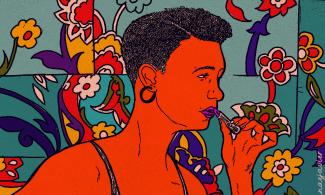
Over the past few years, a troubling new trend at the international human rights level is being observed, where discourses on ‘protecting the family’ are being employed to defend violations committed against family members, to bolster and justify impunity, and to restrict equal rights within and to family life.
The campaign to "Protect the Family" is driven by ultra-conservative efforts to impose "traditional" and patriarchal interpretations of the family, and to move rights out of the hands of family members and into the institution of ‘the family’.
“Protection of the Family” efforts stem from:
rising traditionalism,
rising cultural, social and religious conservatism and
sentiment hostile to women’s human rights, sexual rights, child rights and the rights of persons with non-normative gender identities and sexual orientations.
Since 2014, a group of states have been operating as a bloc in human rights spaces under the name “Group of Friends of the Family”, and resolutions on “Protection of the Family” have been successfully passed every year since 2014.
This agenda has spread beyond the Human Rights Council. We have seen regressive language on “the family” being introduced at the Commission on the Status of Women, and attempts made to introduce it in negotiations on the Sustainable Development Goals.
Our Approach
AWID works with partners and allies to jointly resist “Protection of the Family” and other regressive agendas, and to uphold the universality of human rights.
In response to the increased influence of regressive actors in human rights spaces, AWID joined allies to form the Observatory on the Universality of Rights (OURs). OURs is a collaborative project that monitors, analyzes, and shares information on anti-rights initiatives like “Protection of the Family”.
Rights at Risk, the first OURs report, charts a map of the actors making up the global anti-rights lobby, identifies their key discourses and strategies, and the effect they are having on our human rights.
The report outlines “Protection of the Family” as an agenda that has fostered collaboration across a broad range of regressive actors at the UN. It describes it as: “a strategic framework that houses “multiple patriarchal and anti-rights positions, where the framework, in turn, aims to justify and institutionalize these positions.”
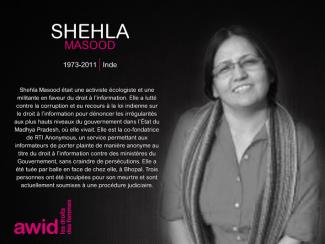
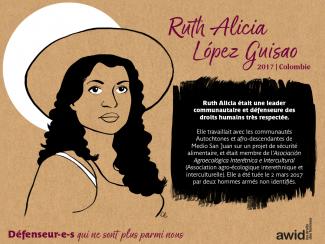
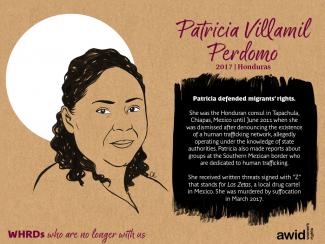
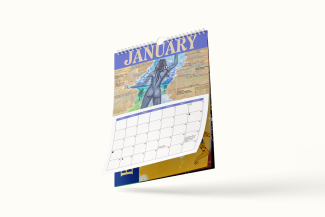
Consider this calendar a gift, one that goes out to you and 9,500 members of our global feminist community. A gift of hope, renewed connection, action and community in a time of immense injustice and violence.
Let its stories remind you that across borders and struggles, we are many, we are powerful, and together we are building the worlds we deserve.
ما هي الإجراءات التي سيتم اتخاذها لحماية الصحة العامة واحتواء مخاطر تفشي فيروس كورونا؟
نحن نراقب هذه المخاطر والمخاطر الأخرى بعناية، وسننشر معلومات شاملة عن الصحة والسلامة عند فتح التسجيل، حتى تتمكن/ين من اتخاذ القرار. بالإضافة إلى ذلك، تم تصميم التنسيق الهجين لتوفير تجربة مشاركة هادفة للمشاركين/ات الذين/ اللواتي يفضلون عدم السفر أو غير القادرين على السفر.
Domaine prioritaire : Co-Création des réalités féministes
Alors que nous rêvons d’un monde féministe, il y en a qui sont déjà en train de le construire et de le vivre. Ce sont nos réalités féministes !
Que sont les réalités féministes ?
Les réalités féministes sont les exemples concrets des mondes justes que nous sommes en train de co-créer. Elles existent aujourd’hui, dans les manières, dont les personnes et les mouvements vivent, luttent et se construisent.
Ces réalités féministes vont au-delà de la résistance aux systèmes oppressifs pour nous montrer à quoi ressemble un monde sans domination, sans exploitation et sans suprématie.
Ce sont ces histoires-là que nous voulons mettre en lumière, partager et amplifier à travers notre aventures des réalités féministes.
Transformer des visions en des expériences vécues
Au travers de cette initiative, nous voulons:
Créer et élargir les alternatives: Ensemble, nous créons de l’art et des expressions artistiques qui placent au centre et célèbrent l’espoir, l’optimisme, la guérison et l’imagination radicale que les réalités féministes inspirent.
Enrichir nos connaissances: Nous documentos, démontrons & diffusons des méthodologies qui permettront d’identifier les réalités féministes de nos différentes communautés.
Promouvoir des programmes féministes: Nous élargissons et approfondissons notre réflexion et notre organization collectives afin de promouvoir des solutions et des systèmes justes incarnant les valeurs et les visions féministes.
Mobiliser des actions solidaires: Nous incitons les mouvements féministes, en faveur des droits humaines et de la justice de genre et leurs allié-e-s à partager, échanger et co-créer des réalités, des récits et des propositions féministes lors du 14ème Forum international de l’AWID.
Le Forum international de l’AWID
Bien que nous mettions l’accent sur le processus avant, pendant et après les quatre jour du Forum, c’est lors de l’événement lui-même que la magie opère. Grâce à l’unique énergie des participant·e·s et à l’opportunité de rassembler les gens.
Nous espérons que le prochain Forum :
Construira le pouvoir des réalités féministes, en nommant, célébrant, amplifiant et en alimentant l’énergie autour des expériences et propositions qui font émerger les possibilités et nourrissent notre imagination
Remplira nos puits d’énergie et d’inspiration comme le carburant de notre activisme et de notre résilience pour les droits et la justice
Renforcera la connectivité, la réciprocité et la solidarité au sein des divers mouvements féministes et avec les mouvements en faveur des droits et de la justice.
L’AWID a le plaisir de partager son rapport annuel 2014.
Du renforcement des connaissances sur les enjeux liés aux droits des femmes à l’élaboration de réponses plus efficaces aux violences perpétrées contre les défenseuses des droits humains, nos efforts de l’an dernier n’ont cessé de poursuivre la consolidation des mouvements féministes et de droits des femmes du monde entier.
Consultez le rapport pour en apprendre davantage sur la façon dont nous avons renforcé les capacités de nos membres et plus largement de notre public , exercé de fortes pressions pour que les droits des femmes demeurent au premier plan des principaux processus internationaux relatifs au développement et aux droits humains, et contribué à améliorer la couverture médiatique des problématiques des droits des femmes et des processus organisationnels qui y sont liés. Le rapport propose une vue panoramique de nos projets ainsi que certains chiffres qui témoignent concrètement de notre impact.
La collaboration est au cœur de toutes nos actions et nous anticipons avec enthousiasme une autre année de travail ensemble afin de mener nos mouvements vers un niveau supérieur.
Coup d'oeil à l'intérieur du rapport
Dans un contexte de plus en plus exigeant, nous pouvons néanmoins discerner d’importants signes d’espoir de voir les priorités relatives aux droits des femmes progresser. Les activistes des droits des femmes jouent toujours un rôle crucial dans la création d’espaces au sein desquels il est possible d’exiger des changements structurels, de soutenir les communautés, de s’opposer à la violence et de préserver les acquis essentiels/ importants/majeurs. Il y a en effet des occasions à saisir pour influencer les nouveaux acteurs et mobiliser des ressources plus abondantes en faveur des organisations de droits des femmes.
Pour ce faire, il est essentiel de mener de solides actions collectives et de renforcer le processus d’organisation des activistes des droits des femmes.
Notre impact
Nous avons contribué au renforcement des connaissances sur les problématiques des droits des femmes
Nous avons renforcé notre communauté en ligne
Nous avons contribué à l’amélioration des réponses aux violences perpétrées contre les défenseuses des droits humains
Nous avons renforcé le mouvement grâce à des processus de travail collaboratifs
Nous avons exercé une pression maximale pour que les droits des femmes demeurent au premier plan des processus internationaux majeurs relatifs au développement
Nous avons permis aux organisations de droits des femmes d’influencer plus efficacement les donateurs et à la communauté des donateurs de mieux percevoir et comprendre les organisations de droits des femmes
Nous avons contribué à accroître et à améliorer la qualité de la couverture faite par les médias généralistes des problématiques des droits des femmes et des organisations actives dans ce domaine
Je suis sincèrement enchantée par tout ce qu’a réalisé l’AWID depuis 1982 et j’espère être en mesure d’apporter ma contribution, même modeste, à ce dur labeur en faveur des femmes et de l’égalité de genre. » — Aleksandra Miletic-Santic, Bosnie Herzégovine
✉️ By Invite Only
📅Tuesday, March 12
🕒2-3.30pm EST Organiser: Observatory on the Universality of Rights (OURs) Consortium
🏢Blue Gallery, 222 E 46th St, New York
Snippet Love Letters from our Co-EDs and the Board (EN)
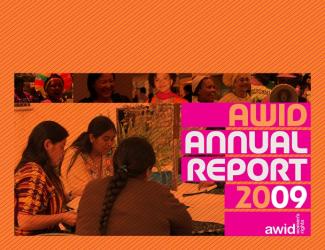
Our 2009 Annual Report includes highlights of another busy year of action and reflection at AWID as we implement our commitment to boldly, creatively and effectively contribute to the advancement of women’s rights and gender equality worldwide.
In the report you can find out about our programmatic achievements, membership, finances, what to watch out for in 2010, as well as information about our Board and Staff.